

The Rest Factor: Episode Sixteen with Dr. Heidi Gastler
You can also listen to the full podcast episode with Dr. Heidi Gastler.
Sleep disturbances affect millions of women during the menopausal transition, yet many are told their sleeplessness is simply part of aging. In reality, midlife hormonal shifts directly affect the brain, nervous system, metabolism, and even pelvic floor function, creating a cascade of changes that disrupt restorative sleep.
In the latest episode of The Rest Factor Podcast, Dr. Heidi Gastler—physical therapist, pelvic health specialist, and host of Menopause Unscripted—joins us to unpack what is really happening during perimenopause and menopause.
Drawing from nearly two decades of clinical experience and her own journey navigating chemically induced menopause during cancer treatment, she explains why so many women feel blindsided by sleep disruption, anxiety, pelvic symptoms, and sudden shifts in resilience.
With over 1.3 million women entering menopause each year in the United States, and an estimated 1.3 billion women worldwide expected to be in perimenopause or beyond by 2030. Understanding menopause-related sleep disturbance is no longer optional—it is essential.
This article explores why sleep problems emerge during hormonal transition.
Focuses on how pelvic floor health and nervous system regulation intersect with rest, and what evidence-based strategies can help women move through midlife with greater clarity, confidence, and resilience.
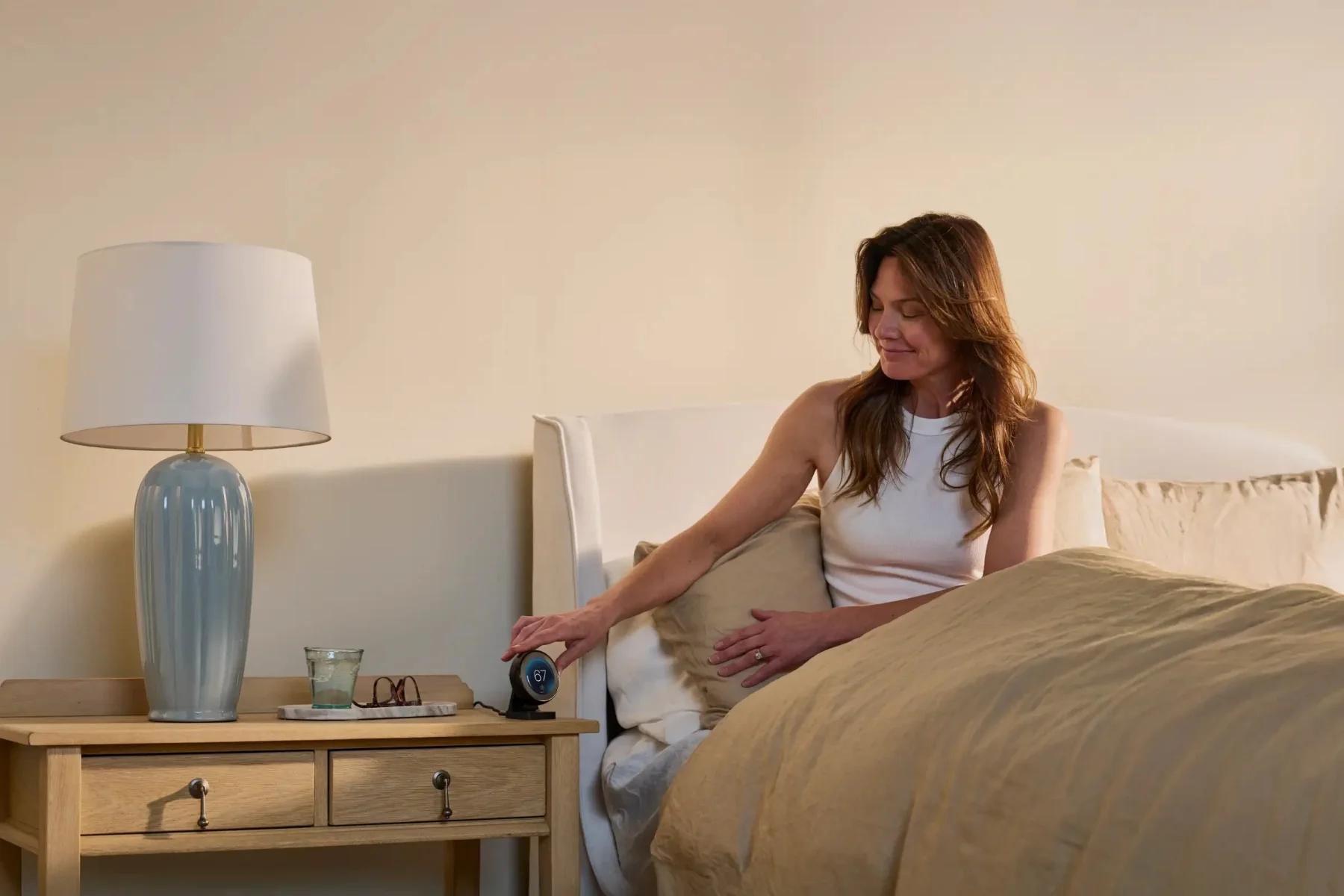
Hot Flashes Don't Have to Own Your Nights
asomotor symptoms affect up to 80% of women and can last more than 7 years. Chilipad 2.0 uses water-based cooling to bring your bed temperature down fast so your body gets the deep, restorative sleep menopause keeps trying to take from you.
Why Sleep Disturbances Increase During Perimenopause and Menopause
Sleep disturbances become significantly more common during perimenopause and postmenopause. Research shows that 30–60% of postmenopausal women report sleep disorders, compared to only 16–42% of premenopausal women. [1]
Hormonal Fluctuations and the Brain
During perimenopause, estrogen and progesterone fluctuate unpredictably. These hormones influence several key factors of sleep health:
- Serotonin and mood regulation - GABA (your brain’s natural calming chemical)
- Core body temperature control
- Circadian rhythms
Progesterone has natural sedative properties; as levels decline, menopausal insomnia and menopausal anxiety often increase. Estrogen loss further disrupts temperature regulation, which narrows the "thermoneutral zone" and makes hot flashes much easier to trigger.
As Dr. Heidi Gastler explained on The Rest Factor Podcast, "We have estrogen receptors in every cell of our body." Importantly, studies show many women wake up just before a hot flash occurs.
This suggests that neurological changes in the brain may trigger the awakening itself, meaning hot flashes may follow rather than directly cause the initial disruption.
Anxiety, Depression, and Midlife Hormonal Changes
Major depression is 2–4 times more likely during the menopausal transition. [2] If you had PMS, postpartum depression, or anxiety earlier in life, hormonal shifts can amplify symptoms.
Racing thoughts at 3 a.m. are often both hormonal and neurological. Dr. Heidi Gastler, noted in the conversation, "this hormonal chaos will just amplify what was already there."
Does Menopause Increase the Risk of Sleep Apnea?
Yes. Postmenopausal women are two to three times more likely to develop sleep apnea compared to premenopausal women.
Estrogen and progesterone help maintain airway stability. As they decline, the risk of sleep-disordered breathing rises. Sleep apnea in women may present subtly:
- Insomnia instead of loud snoring
- Morning headaches
- Daytime fatigue
- Mood changes
Because symptoms overlap with menopause symptoms, apnea is often missed. If you experience persistent exhaustion despite adequate time in bed, consider a sleep evaluation.
Menopause Sleep Disturbance and Pelvic Health Connection
Menopause sleep disturbance is rarely isolated. Hormonal decline also affects connective tissue, collagen production, and pelvic floor function.
How Does Menopause Affect Sleep and Pelvic Health?
Estrogen receptors exist in the bladder, urethra, and vaginal tissue. As estrogen declines:
- Vaginal tissue thins
- Bladder support weakens
- Urinary urgency increases
- Risk of urinary leakage rises
About 32% of women report urinary urgency, frequency, incontinence, or pain during menopause. Stress urinary incontinence affects 20–40% of women, and up to half of women with pelvic organ prolapse also experience incontinence. [3]
Waking two or more times nightly to urinate (nocturia) significantly contributes to sleep disturbances.
What Are the Symptoms of Pelvic Floor Disorders During Perimenopause?
Common symptoms of pelvic floor disorders include:
- Urinary leakage when coughing or exercising (stress urinary incontinence)
- Pelvic pressure or heaviness (possible pelvic organ prolapse)
- Bladder control issues
- Pain during intercourse
- Recurrent UTIs
Recognizing the symptoms of pelvic floor disorders early allows for timely treatment and improved sleep quality.
Genitourinary Syndrome of Menopause (GSM)
Genitourinary syndrome of menopause describes symptoms such as vaginal dryness, burning, painful intercourse, urinary urgency, and recurrent infections.
Between 50–87% of menopausal women report pain with intercourse, yet many never seek treatment. These changes are tissue-based—not psychological—and highly treatable.
Chilipad Menopause Study Results
Participants who used our cooling mattress topper saw their sleep scores improve by 30%, hot flash severity decrease by 50%, and many even eliminated insomnia altogether.
Evidence-Based Relief for Sleep Disturbances
If you’re wondering how to sleep better during menopause, a layered approach works best.
Here is the text with the hard line breaks and formatting code removed, keeping your content exactly as written:
1. Build a Sleep Foundation (Sleep Hygiene That Works)
Experts recommend 7.5–8.5 hours of sleep per night. As Ana Marie Schick shared on The Rest Factor Podcast:
"You have to treat it like your commute to work or you're preparing for the next day."
Try the following and see which works best for you:
- Consistent bed and wake times
- Counting backward in 90-minute sleep cycles
- No electronics 60–90 minutes before bed
- A dark, cool bedroom
- Avoiding alcohol close to bedtime
Athletes are often efficient sleepers because they maintain consistent routines; your body thrives on predictability.
2. Address Night Sweats and Temperature Shifts
Best treatments for menopause insomnia and night sweats include:
- Cooling mattress technology or breathable bedding
- Lower room temperature
- Moisture-wicking sleepwear
- Systemic hormone therapy (for appropriate candidates)
Vasomotor symptoms affect 60–80% of women and last a median of more than 7 years. [4] Longer duration is associated with increased cardiovascular risk, making treatment important beyond comfort alone.
3. Hormone Therapy and Sleep
Hormone therapy (HRT therapy) may significantly improve perceived sleep quality.
Progesterone may:
- Reduce nighttime awakenings
- Shorten sleep latency
- Support calming neurotransmitters
Estrogen therapy may:
- Reduce hot flashes
- Improve night sweats
- Support bladder tissue health
Topical vaginal estrogen improves urinary symptoms and vaginal health with minimal systemic absorption. While hormone therapy carries risks, current guidelines consider it safe for many healthy women under 60 or within 10 years of menopause onset when individualized.
4. Can SSRIs Help Menopausal Sleep Problems?
Selective serotonin reuptake inhibitors (SSRIs) are sometimes prescribed for vasomotor symptoms and mood disorders. In certain women, they may improve sleep by stabilizing mood and reducing night sweats.
5. Pelvic Floor Therapy for Nocturia and Incontinence
Can pelvic floor therapy help with nocturia during menopause? In many cases, yes. Pelvic floor therapy focuses on:
- Muscle coordination
- Relaxation strategies
- Bladder retraining
- Strength and endurance balance
Contrary to popular belief, not all women need more Kegels. Some have overactive pelvic floor dysfunction requiring relaxation training instead.
6. Strength Training and Bone Density Protection
Menopause accelerates bone density loss by 7–10% on average, with some women losing up to 20%. [5] Lean muscle mass decreases by 0.5% annually, while fat mass increases by 1.7% per year. [5]
Resistance and impact training (as shown in LIFTMOR and MEDEX-OP trials) can significantly improve bone density and metabolic health, supporting overall sleep quality.
Connection Between Menopause and Pelvic Floor Disorders
The connection between menopause and pelvic floor disorders is both mechanical and hormonal.
Declining estrogen weakens connective tissues supporting pelvic organs. Pelvic organ prolapse occurs when the bladder, uterus, or rectum shifts into the vaginal canal.
Approximately 25–50% of women with stress urinary incontinence also experience anxiety or depression symptoms, highlighting the emotional impact. [6]
If symptoms persist despite conservative therapy, consultation with a urogynecologist may be appropriate. Sling procedures for incontinence report up to 90% patient satisfaction at 24 months in select studies, while bulking injections are generally not considered long-term solutions.
The Bottom Line
Sleep disturbances during menopause are common but they are not inevitable or untreatable.
Menopause sleep disturbance often reflects interconnected changes in hormones, brain function, breathing patterns, and pelvic health.
Addressing sleep hygiene, screening for sleep apnea, considering hormone therapy when appropriate, and treating pelvic floor dysfunction can dramatically improve quality of life.
Midlife should not mean chronic exhaustion, urinary leakage, or silent suffering. With evidence-based support, restorative sleep and strong pelvic health are achievable at any stage of the menopausal transition.
The Rest Factor: Listen to Previous Episodes
You can also catch the full episode—and browse past Rest Factor podcasts—on your favorite podcast platform with just a click.
Disclaimer: The views and opinions shared in this Rest Factor Blog, including those of our guests, are for informational and inspirational purposes only and are not intended to be medical advice. Always talk to a qualified healthcare provider before making changes to your diet, exercise routine, or medical treatment, or if you think you may have a sleep disorder. These conversations with subject matter experts are part of our ongoing effort to help you sleep better for more energy, sharper focus, and stronger physical performance.