Key Takeaways
Sleep pods are enclosed rest environments designed to reduce light, noise, and temperature disruptions. They're used in offices, airports, schools, and hospitals to support short, restorative naps.
- Sleep pods are compact chairs or capsules built for brief naps, commonly found in offices, airports, hospitals, and universities. They block out light and noise to help people fall asleep faster in shared or busy spaces.
- Many pods include reclining seats, sound-dampening enclosures, adjustable lighting, and climate control. Some higher-end models add sleep tracking, audio, and vibration features.
- A 20 to 30-minute nap in a controlled environment improves alertness, cognitive function, and mood without causing post-nap grogginess when timed correctly.
- Sleep pods are increasingly common in tech campuses, hospitals, schools, and airports as companies and institutions recognize rest as a productivity and wellness variable.
- For home use, the Chilipad delivers many of the same sleep environment benefits, specifically temperature control, without the footprint or cost of a pod.
Sleep pods exist because the places where people spend most of their time, offices, airports, universities, hospitals, are not designed for rest. They're designed for activity. A sleep pod carves out a controlled exception.
The concept is straightforward. Block out light, reduce noise, control temperature, and give someone a reclined surface for 20 to 30 minutes. What comes out the other side is measurably more alert and better functioning than what went in.
Here's what sleep pods are, how they work, and why the same principles apply to how you set up sleep at home.
What Are Sleep Pods?
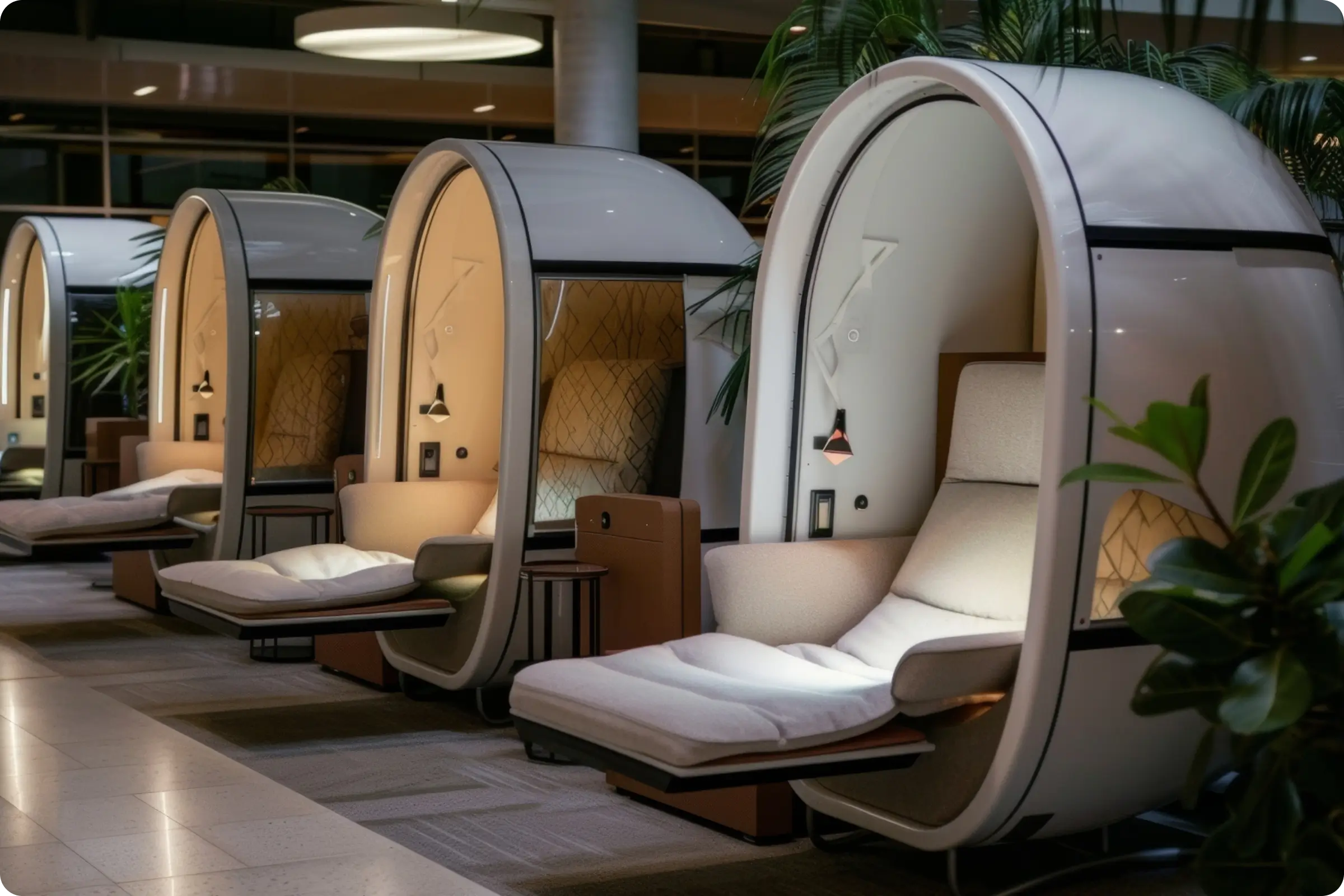
A sleep pod is a self-contained rest enclosure designed to minimize sensory disruption. Most are chair-based capsules with a partial or full overhead shell.
They're built for short naps rather than full sleep sessions and are designed to fit into shared commercial spaces without requiring dedicated rooms.
The core function is environmental control. By reducing light, noise, and temperature variability, a pod creates conditions closer to what your body actually needs to fall asleep quickly and wake up feeling restored rather than groggy.
As of 2023, more than 100 airports in Europe and over 50 in the United States offer sleep pods. [1]
Their presence in workplaces, schools, and transit hubs has grown steadily as research on napping and workplace performance has become harder to ignore.
Sleep Pods Are Cool. Your Own Bed Is Better
Sleep pods do one thing right: they control the environment. Chilipad 2.0 brings that same logic home, with water-based temperature control from 55°F to 115°F so your bedroom becomes the best sleep environment you've got access to every single night.
Sleep Pod Design and Features
Pods vary considerably in design depending on their intended use and price point. The common features across most commercial models include:
Enclosure: A partial or full shell that blocks ambient light and reduces exposure to surrounding noise. The degree of enclosure varies from open-top chairs with side panels to fully enclosed capsule designs.
Reclined Seating: Most pods tilt back to a position between seated and lying flat. Full recline is less common in commercial models due to space constraints.
Sound Management: Built-in white noise, ambient audio, or passive noise dampening through shell materials. Some higher-end models use active noise cancellation.
Lighting Control: Adjustable interior lighting that can shift to warmer, dimmer tones to support melatonin production and relaxation.
Climate Control: Temperature regulation is one of the more meaningful features. Your core body temperature needs to drop to initiate sleep, and pods with active cooling or heating give users control over that variable rather than leaving it to the ambient room temperature.
Smart Features: Higher-end models include sleep-tracking sensors, timed wake-up functions with gradual lighting, vibration alerts, and app connectivity for sleep data.
Types of Sleep Pods
Sleep pods aren’t one-size-fits-all. Each is built for different needs, from quick stress breaks to deeper recovery.
- Commercial pods are built for shared spaces like offices, airports, and wellness centers. They prioritize hygiene, durability, and quick turnover between users.
- Home pods function more like furniture. They're designed as permanent fixtures with more customization options and higher comfort specifications.
- Mobile pods are portable setups for frequent travelers who want environmental control in hotels, transit hubs, or temporary spaces.
Benefits of Sleep Pods
Better Sleep Quality in Noisy or Bright Environments
The primary benefit is straightforward. Light and noise are two of the most common reasons people can't fall asleep quickly in public or shared spaces. A pod addresses both directly.
Improved Alertness and Cognitive Function
A 20-minute nap improves alertness and cognitive performance measurably. [2] The pod environment makes it easier to actually fall asleep within that window rather than spending most of it trying to tune out distractions.
Reduced Stress and Physiological Recovery
Rest in a low-stimulation environment lowers cortisol and heart rate. Users consistently report feeling calmer and less reactive after a pod session, which has downstream effects on decision-making and interpersonal interactions for the rest of the day.
Temperature Comfort
For people who sleep hot, temperature-controlled pods address one of the most common barriers to napping in shared spaces. The ability to cool your immediate environment makes a real difference in how quickly and deeply you can rest in a short window.
Support for Non-standard Schedules
Shift workers, long-haul travelers, and people managing demanding or irregular schedules benefit most from the flexibility pods offer.
A 20-minute pod nap between shifts or during a layover produces meaningfully different outcomes than trying to nap in a chair or at a desk.
How Sleep Pods Work
Soundproofing: Pod shells are built from materials that absorb and block sound. The goal isn't complete silence but a reduction in the ambient noise that keeps the brain alert. Supplementary white noise or audio fills remaining gaps and masks irregular sounds that break sleep.
Climate Control: Temperature is one of the most underrated sleep variables. Pods with active climate control let users dial in a cooler environment, which supports the core body temperature drop needed to initiate sleep.
This is particularly useful in warm offices or during summer months when room temperature works against rest.
Smart Technology: Some pods monitor heart rate, movement, and sleep stage data to provide feedback on nap quality.
Timed lighting transitions that gradually brighten at the end of a session ease the transition out of sleep and reduce sleep inertia compared to a hard alarm.

The Science Behind Napping
Short naps have a well-documented effect on alertness, memory consolidation, and mood. [2] The window that produces the best results without causing grogginess is 10 to 30 minutes. Staying within that range keeps you in lighter sleep stages and avoids the deep sleep entry that causes sleep inertia on waking.
The environment matters for hitting that window reliably. A noisy, bright, or uncomfortable space makes it harder to fall asleep at all within a 20-minute window, which is why pods produce better nap outcomes than a desk or a lounge chair in a shared office.
- In School: In Southern New Mexico, sleep pods were installed in four high school health centers. More than 99% of students returned to class within 20 minutes reporting higher energy and better focus. [3] Teachers reported reduced stress and headaches as well.
- In Workplaces: Google, Samsung, Ben and Jerry's, Uber, and Zappos are among the companies that have installed nap spaces or pods in their offices. The rationale is practical: a rested employee is more productive, makes fewer errors, and is less likely to burn out than one who is running on accumulated sleep debt.
Chilipad 2.0 vs Eight Sleep Pod: The Real Comparison
Better features, better pricing, happier sleepers. See how Chilipad 2.0 stacks up against the Eight Sleep Pod and decide for yourself.
Who Uses Sleep Pods?
From Silicon Valley campuses to college gyms and even international airports, nap pods are popping up everywhere.
Corporate campuses
Google pioneered nap pods in its Mountain View offices. Samsung, Uber, and Zappos have followed with designated rest spaces. The investment signals a position on employee performance: rest is part of the job, not a break from it.
Universities
Stanford, University of Miami, King's College London, and University of South Florida have pods in libraries and fitness centers. Students with high academic and social demands benefit from structured rest access during the day.
Airports
More than 100 European airports and over 50 in the United States now offer pod access. Atlanta, Dallas/Fort Worth, Philadelphia, Charlotte, JFK, Washington Dulles, and Detroit are among the U.S. hubs. Travelers use them during long layovers or delays to arrive at their destination in better shape than they would otherwise.
Gyms and wellness centers
Virgin Active locations in Melbourne and London offer bookable pod sessions for 20 to 45 minutes as part of mid-day recovery programming.
Hospitals
Healthcare workers operating on extended or rotating shifts use pods to manage sleep debt during breaks in ways that improve patient care outcomes.
The Chilipad 2.0: The Same Principles at Home
Sleep pods work because they control temperature, reduce light and noise, and create a consistent environment your body can fall asleep in reliably.
Those aren't pod-specific benefits. They're the conditions your body needs for quality sleep anywhere.
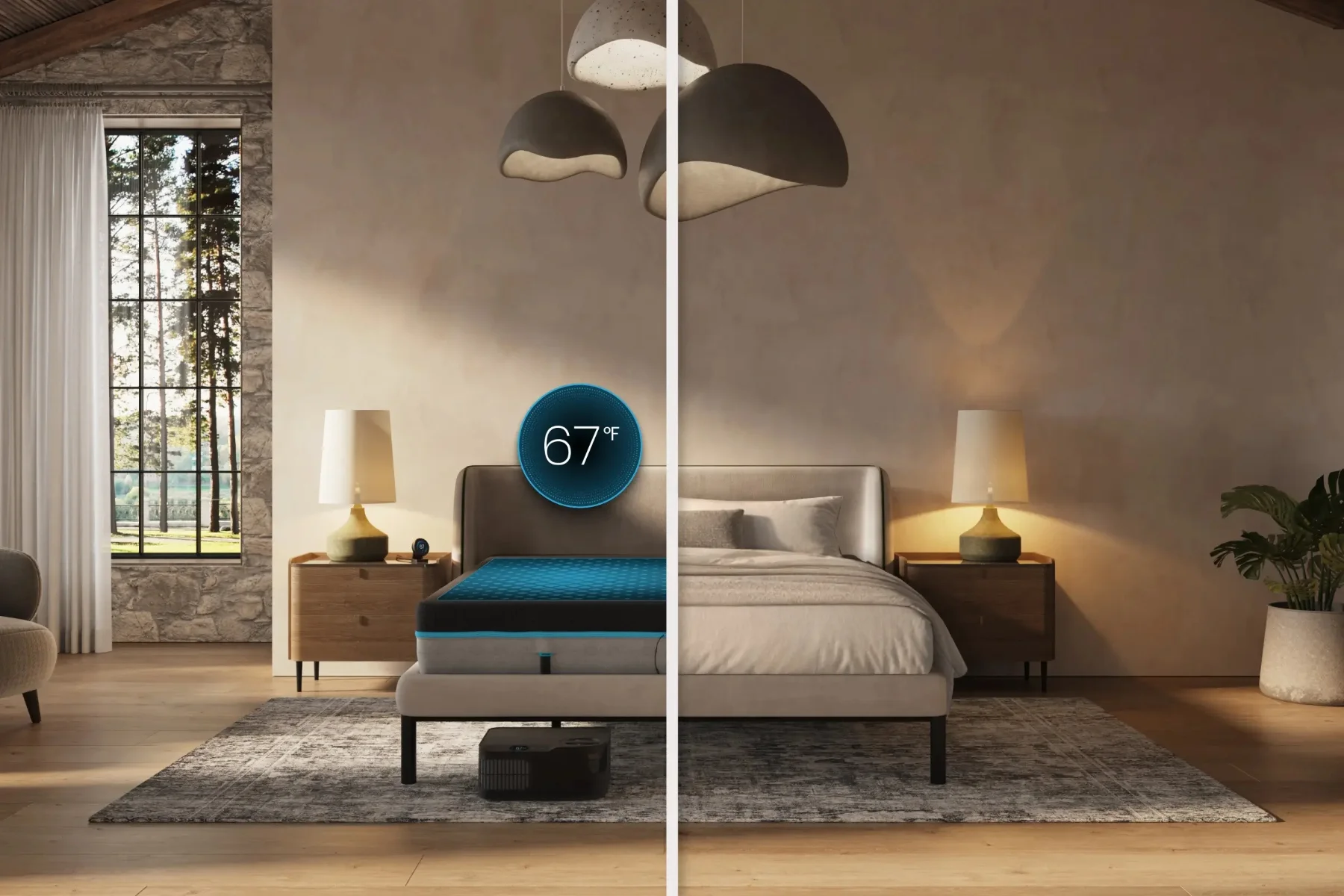
The Chilipad 2.0 brings temperature control, the single most impactful pod feature, directly to your bed. The redesigned Hydrolayer uses water-based cooling and heating to let you dial in your exact sleep temperature between 55 and 115ºF.
Your core body temperature drops to where it needs to be, your body reaches deep sleep faster, and you stay there longer.
Adjust from your nightstand with the included Chilipad Remote, set a schedule through the app, or let Warm Awake bring you out of sleep gradually in the morning.
No subscription. No gimmicks. Just the temperature conditions your body needs to do its job.
The Bottom Line
Sleep pods are a real solution to a real problem. Most environments people work and travel through aren't designed for rest, and the cost of that shows up in performance, mood, and health over time.
The technology in a pod, temperature control, light reduction, noise management, isn't exotic. It's the same set of variables that determine sleep quality at home.
The difference is that most people haven't applied them with the same intentionality to the place where they actually sleep every night.