Key Takeaways
Electric blankets can warm you up fast, but they come with risks that make safer sleep solutions worth considering.
- Potential health risks include exposure to electromagnetic fields (EMFs), which raises questions about possible links to cancer, fertility concerns, and pregnancy risks—though research remains mixed.
- Fire and burn hazards are real when electric blankets are damaged or misused, so regular checks for wear and careful handling are important.
- Electric blankets can interfere with your body's natural temperature regulation, which may disrupt sleep cycles and impact overall sleep quality.
- Safer alternatives include extra layers, flannel bedding, or temperature-regulating mattress pads like the Chilipad for customizable warmth without wires.
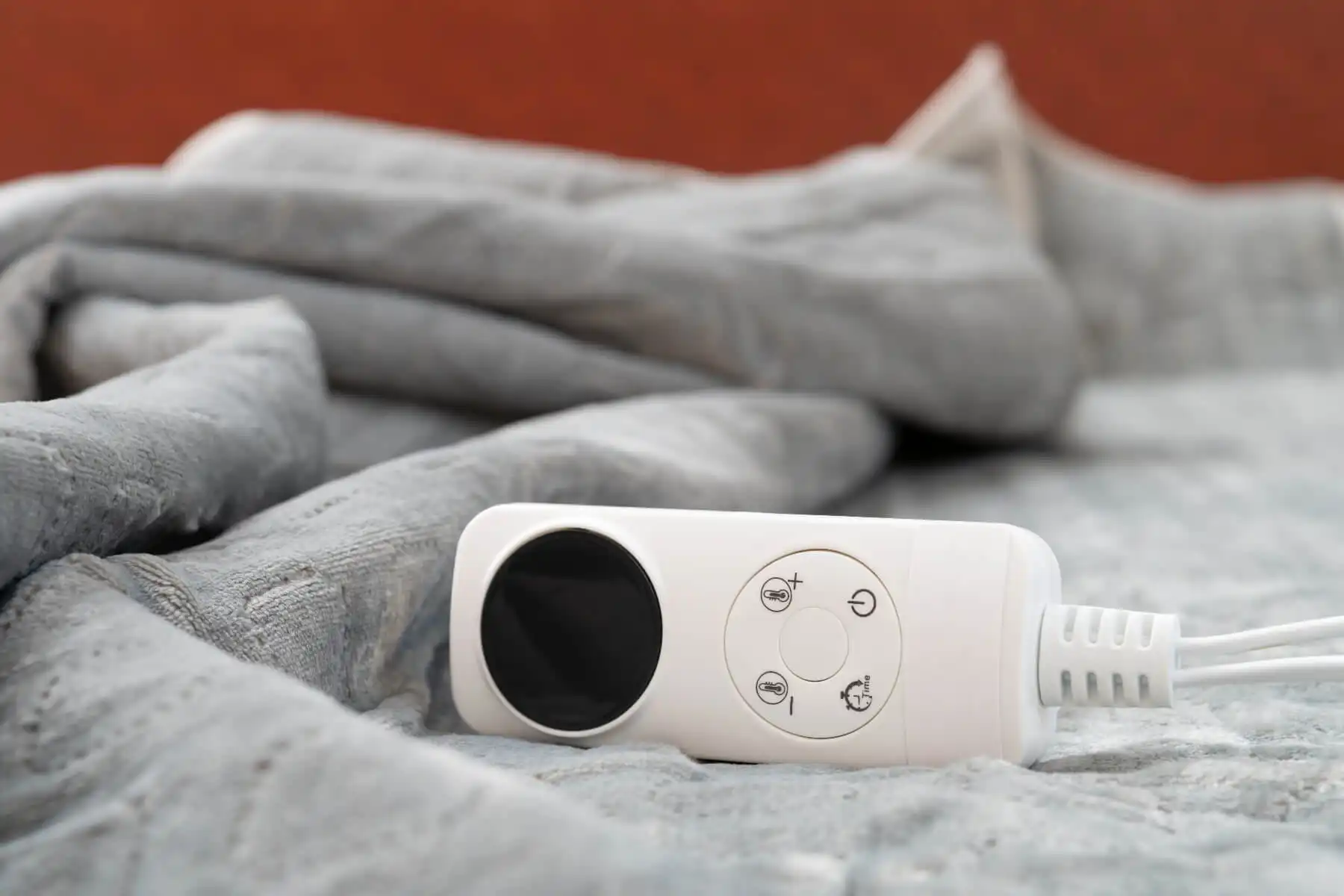
Electric blankets have been a cold-night staple for decades. Most people have used one, and most haven't thought twice about it. They plug in, they heat up, and they make a cold bed warm in minutes.
But there are real questions worth answering before you fall asleep wrapped in one. Fire risk. EMF exposure. What they actually do to your sleep. And who genuinely shouldn't use them at all.
Here's an honest look at the risks, who they apply to, and what the safer options are.
Safer, Smarter Sleep. Meet Chilipad 2.0
Stop settling for a heated blanket that only does one thing. Chilipad 2.0 runs water-based cooling and heating from 55°F to 115°F, with no open heating elements. Your bedroom upgrade is overdue.
Are Electric Blankets Bad For You?
Each year in the U.S., around 500 fires are sparked by electric blankets and heating pads, according to the Electrical Safety Foundation International (ESFI). The usual culprits?
Aging products, especially those over a decade old, with frayed wiring, unreliable temperature controls, or overheating elements that push beyond their limits. It’s a heated risk that’s not worth ignoring.
Did You Know: The cord is its direct link to the power source and if that connection is damaged, you could be exposing yourself to serious safety risks.
Below, we will discuss whether electric blankets are safe, the potential risks associated with them, and how they may be detrimental to your health.
We will also provide safety tips and alternatives that can keep you just as warm.
EMF Exposure
First and foremost, they have some side effects that can harm your health. Leading experts for the disuse of modern electric blankets (due to the health risks) argue that using these products enhances your risk of a cancer diagnosis, [1] pregnancy problems for women, and decreased fertility in men.
As mentioned in the National Institute of Environmental Health Sciences, the above can be associated with the EMF (electromagnetic fields) to which electric blanket users are exposed. [2]
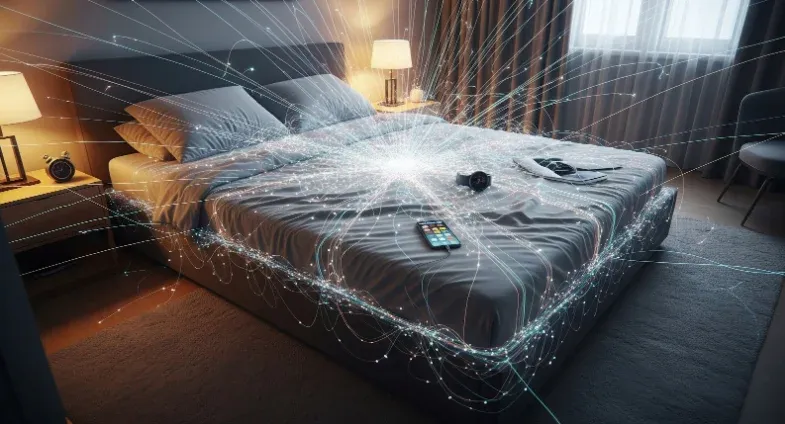
Like any electrical appliance, electric blankets and heating pads emit some EMFs. While scientists disagree on how harmful they can be, there’s one thing that can’t be argued: if a product emits EMFs, the last thing you want is for it to be on top of your body, especially for extended periods of time.
Many people remove EMF-emitting devices from their bedroom, including laptops, cell phones, and other devices and appliances.
Did You Know: Are you concerned about EMFs? Users can reduce EMF when enabling “Airplane Mode” with the Chilipad 2.0 bed system, our best cooling mattress pad for the bed, and let the sleep system run quietly in the background.
Do Electric Blankets Cause Cancer?
Throughout the years, numerous studies have examined the connection between cancer and the extremely low-frequency electric and magnetic fields (ELF-EMFs) generated by electric blankets.
Still, no conclusive evidence from those studies links electric blankets to cancer.
Research conducted by the American Journal of Epidemiology explored whether the use of electric blankets and various household appliances increased the risk of breast cancer due to Electromagnetic Field (EMF) exposure. [3]
Concern About Using a Heated Blanket While Pregnant
Developing fetuses are susceptible to environmental conditions. The World Health Organization (WHO) recommends that women who are pregnant stop using electric heating blankets while pregnant to avoid any possible risk of complications. [4]
Electric blankets can be safe to use during pregnancy as long as they are set to a moderate temperature. Aim for a warmth level that keeps you comfortable, ideally using electric blankets with automatic shut off features to prevent getting too hot.
Electric Blankets and Male Fertility
According to Dr. Desiderio Avila at Phoenix’s Ironwood Urology, radiation from electric blankets can possibly damage a woman’s eggs as well as a man’s sperm.
“Testing has revealed that radiation emitted from electric blankets is astronomically high, reaching over 70,000 times acceptable levels,” says Avila. [5]
Fire Risk
There is a general rule for using electricity: there is always a potential for fire. All it takes is one wire to fray or crimp to cause a life-threatening scenario.
The Statistic: According to the Electrical Safety Foundation International (ESFI), nearly 500 fires are caused yearly due to electric heating blankets and heating pads. [6]
The Risk Factor: 99% of all electric blanket fires were started by blankets that were 10 years or older.
Did You Know: Electric heated blankets cause about 5,000 house fires per year in the US.
The risk goes up when you:
- Fold the blanket while it's on or while warming up
- Use it on an adjustable bed, waterbed, or recliner where wires can get pinched
- Leave it running unattended or fall asleep with it on high
- Let pets sleep on it, since they can concentrate heat in one spot or damage the cord
Burn Risk: Who Is Most Vulnerable
Heating products, especially those with high settings, also have the potential to burn users, with the most risk surrounding children and the elderly.
The Electrical Safety Foundation International (ESFI) notes that a child’s or older adult’s skin may not register heat contact due to altered temperature receptors, making them vulnerable to burns. [7]
Children under the age of 3 may be unable to control the temperature settings on an electric blanket properly.
Blanket Safety Tip: “It’s important that anyone with reduced sensation, inability to communicate, or diminished capacity not use electric blankets.” should be wary [8] as well since you don’t want to raise their body temperature to more than 101 degrees Fahrenheit or it could be harmful to the baby, conducted by study published in Epidemiology.
Why Electric Blankets Can Disrupt Your Sleep
Using a heating blanket can help you fall asleep initially, but it may interfere with your overall sleep cycle.
- Temperature Regulation: Your body needs to naturally cool down for deep, restorative sleep.
- Awakenings: Continual elevation in temperature might lead to more frequent awakenings or lighter sleep.
How to Stay Warm in Bed Without an Electric Blanket
Yes, if you’re looking for a safer, smarter way to stay warm at night, traditional electric blankets can overheat or pose fire risks, but there are better options out there.
- Layering: A cozy fleece throw on top of your comforter adds warmth without electricity. Wearing warm socks to bed is surprisingly effective. Your body loses heat fastest through your extremities, and keeping your feet warm helps you fall asleep faster.
- Thermal Bedding: Flannel sheets and wool or down comforters trap natural body heat effectively. No wiring, no EMF, no fire risk.
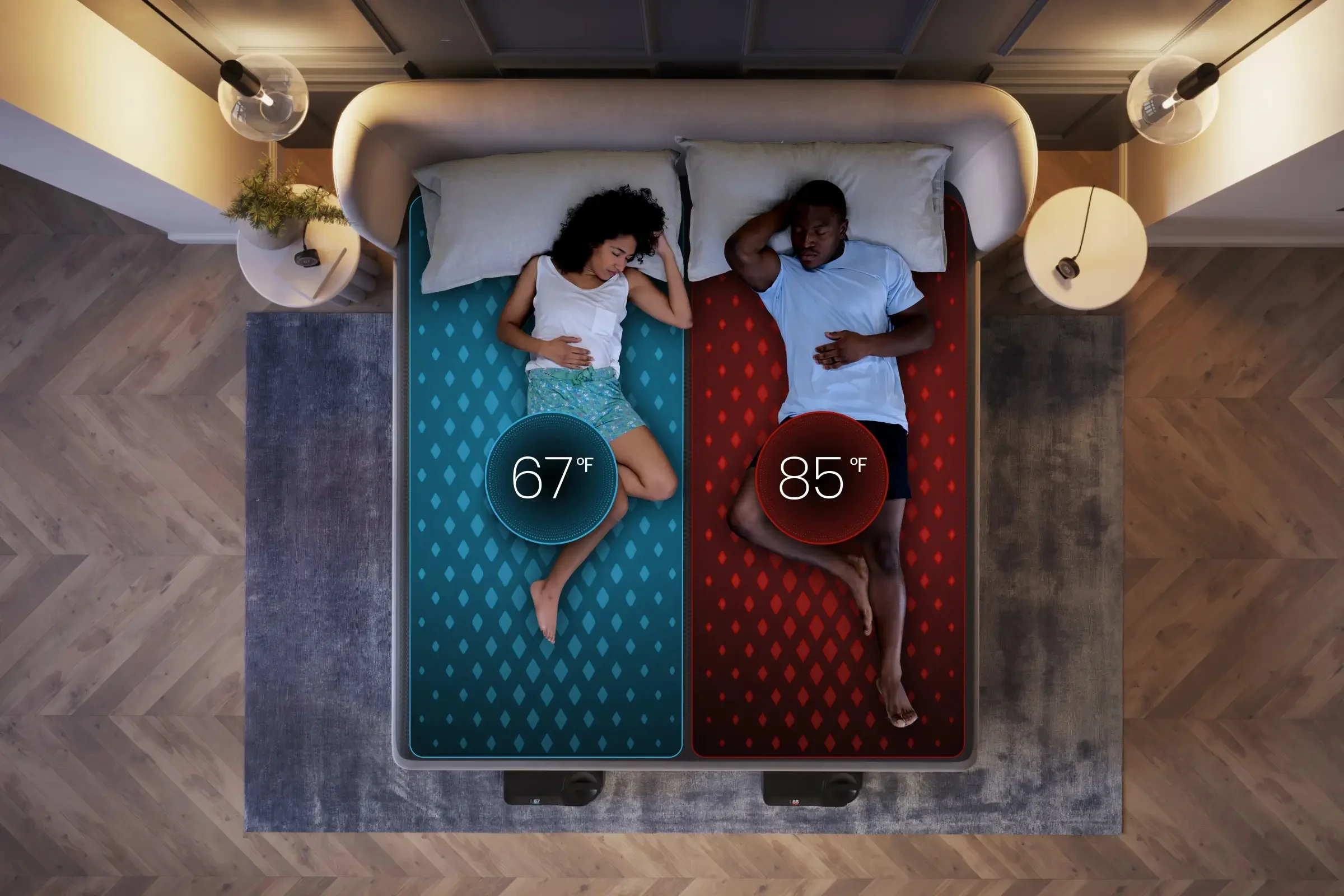
- Water-Based Systems: The Chilipad 2.0 circulates temperature-controlled water (cool or warm water) rather than using electrical wiring on the bed.
Electric Blankets vs Water Based Bed Cooling and Warming
Electric blankets and water based bed systems both address temperature comfort, but they work in very different ways. Understanding these differences helps clarify safety, comfort, and overnight use.
- Heat source: Electric blankets generate warmth through internal electrical wiring, while water based systems circulate temperature controlled water through thin tubing.
- Continuous heat vs controlled temperature: Electric blankets apply direct heat that can build over time. Water based systems maintain a steady set temperature rather than adding constant warmth.
- Electrical exposure vs water circulation: Electric blankets place powered components directly on the bed. Water based systems keep electrical components off the sleep surface and rely on circulating water for temperature control.
- Use while sleeping vs pre warming: Electric blankets are often recommended only for pre warming the bed. Water based systems are designed for safe, consistent use throughout the night.
Electric Blanket Safety Tips
If you're keeping your electric blanket, these reduce the risk meaningfully:
- Never turn it on if it was stored folded. Unroll it completely first.
- Don't dry clean or machine wash unless the manufacturer explicitly says it's safe.
- Don't use it on an adjustable bed, waterbed, or recliner.
- Turn it off and unplug it before you fall asleep.
- Inspect the cord and wiring regularly for damage, fraying, or hot spots.
- Replace any blanket that is more than ten years old.
- Keep pets off it.
Who Should Avoid Electric Blankets Entirely
Certain groups face a higher risk due to reduced ability to sense temperature changes:
- Children under three
- Older adults with reduced heat sensitivity
- Anyone with nerve damage, reduced circulation, or diabetes
- Pregnant women
- Anyone who cannot communicate discomfort or adjust the settings themselves
The Bottom Line
Electric blankets aren't dangerous in the way a defective appliance is. But they're also not designed for eight hours of continuous use, and they work against the temperature regulation your body needs for deep sleep.
For warming up before bed on a cold night, a modern, well-maintained electric blanket is fine. For all-night temperature management, there are better options that don't require you to remember to turn anything off.
If you fall into one of the higher-risk groups, skip electric blankets entirely. The alternatives are genuinely better anyway.