

Key Takeaways
Feeling more energized in the morning starts with improving sleep quality, supporting your circadian rhythm, and building simple, consistent habits that help your body wake up naturally.
- Morning fatigue is commonly caused by sleep inertia, poor sleep quality, dehydration, inconsistent schedules, and late-night habits that disrupt deep and REM sleep.
- Simple morning strategies—like skipping the snooze button, drinking water right after waking, getting natural sunlight, and moving your body—can quickly boost alertness and energy.
- Optimizing your sleep routine is critical: consistent bedtimes, a cool and dark bedroom, and limiting screens before bed all support deeper, more restorative sleep.
- A holistic approach works best. Practices like mindfulness, light exercise, balanced breakfasts, journaling, or even cold exposure can improve mental clarity and sustained morning vitality.
Waking up in the morning can be daunting for many of us. We often experience mornings when we feel like we just can’t wake up.
People often ask themselves, “Why can’t I wake up, and why don’t I have energy in the morning?”
The reasons behind being tired in the morning can vary from person to person.
It can be due to a lack of quality sleep, misaligned work hours with our natural circadian rhythm, mood disorders, or even dehydration.
Sleep inertia is a term that refers to the groggy, disoriented, and/or impaired performance state that one experiences upon waking up, and it can last from minutes to hours. [1]
In other words, it’s the sluggish feeling you experience after you wake up, making it challenging to start your day on the right foot. [2]
To combat this sluggish feeling, some people may resort to loading up on coffee or energy drinks, but this approach can lead to feelings of jitteriness, anxiety, and dependence on caffeine for energy.
So, how do you wake up with more energy? It’s not that difficult if you put effort into getting quality sleep, staying hydrated, and developing a consistent sleep schedule to ensure that you start your day feeling refreshed and energized.

1. The Snooze Button is a Trap
We’ve all done it: hitting snooze five times in a row, convinced that those extra nine minutes are going to be the magic fix for our exhaustion.
In reality, you’re just messing with your brain. Since a full sleep cycle takes about 90 minutes, those little ten-minute bursts of "fragmented sleep" don't actually count for anything. Y
You're waking yourself up right as your brain is trying to start over, which usually just leaves you feeling groggier than if you’d just gotten up the first time.
Alarm Clock Study: A research study found that spending 30 minutes or so in fragmented sleep between alarms can impair our daytime function. [3] That extra fragmented sleep actually may make you worse off for the rest of the day.
If you’re stuck in a cycle of hitting snooze every morning, it’s time to be honest with yourself: it’s not helping. That "morning fog" is usually just your body’s way of screaming that it hasn't had enough sleep.
Instead of fighting your alarm, try a more realistic wake-up time. Or, if you’re a die-hard snooze addict, try this: set your first alarm exactly 90 minutes before you actually have to be up.
This gives you one full, uninterrupted sleep cycle so you can wake up during REM sleep instead of being yanked out of it mid-dream. You’ll actually feel human when you finally roll out of bed.
Did You Know? The University of Notre Dame researchers studied the snooze button habit and discovered that the majority of people (57%) tend to hit snooze. [4]
Wake Up Refreshed & Energized
Ready to actually feel awake when the sun comes up? The Chilipad is the secret to deeper sleep and more vibrant mornings. Easily swap night sweats for steady, water-powered comfort between 55°F and 115°F. S

2. Drink Plenty of Water
Honestly, one of the easiest ways to shake off that morning grogginess is just to chug some cold water the second you wake up.
Think about it. You’ve basically been a desert for the last 8 hours. Even being a little dehydrated can make you feel moody or totally "brain-fogged."
Keep a glass (or a bottle) right by your bed so you don't even have to think about it. [5]
It’s a literal jumpstart for your system. If you keep sipping throughout the day, you’ll notice you aren't hitting that 3 p.m. wall quite as hard.
Your brain and your body will definitely thank you for not running on empty.
3. Get Some Morning Sunlight
If you’re feeling like a zombie in the morning, try to get some actual sunlight on your face as soon as you wake up. It’s one of the fastest ways to kill that "brain fog." [6]
Getting outside for even ten minutes tells your brain it’s officially daytime, which boosts your mood and actually helps you sleep better later that night.
If you’re stuck in an office or it's gray outside, just flip on some bright lights or sit by a window. [7]
It’s not quite the same as a walk, but it’ll still help your brain wake up and stop begging for a nap.

4. Get Moving; Morning Exercise
the last thing you want to do when you’re barely awake is start a workout. But even a five-minute walk or some quick stretching can actually wake your brain up faster than a second cup of coffee. [8]
It doesn't have to be a full-blown gym session; just getting your heart rate up a little bit helps shake off that morning grogginess. [9]
Plus, the more active you are during the day, the easier it’s going to be to actually pass out when your head hits the pillow tonight.
Sleep Study: A 2019 study found that morning exercise improves visual learning, decision-making, and visual learning.[10]
Another study compared the effects of high-intensity, low-intensity, and no exercise on sleep inertia. The study found that high-intensity exercise reduced sleep inertia the most. [11]

5. How Meditation and Yoga Gives You Energye
If you're waking up stressed, try starting your day with a bit of meditation or some simple yoga. You don't have to be an expert—even just sitting there and focusing on your breath for five minutes helps clear the cobwebs.
It gets your blood flowing and helps you feel more "switched on" without that jittery caffeine feeling.
If sitting still isn't your thing, even a quick stretch by the bed or a quiet morning walk can do the trick.
It’s basically a reset button for your brain that lowers your stress levels before the day even starts. [12]
A recent study found that breathing exercises can stimulate the body. [13]
The Best time to Practice Yoga
Give yourself some time in the morning to stretch or perform yoga exercises, as they can support healthy brain function and increase energy levels.
Did you know that while you’re in at night, certain muscles are paralyzed, while others move involuntarily?
Reactivating our muscles in the morning with yoga or simple stretches can release endorphins, which boost energy levels.
6. Morning Journaling
If meditation feels a bit too "quiet" for you, try journaling instead. It’s a great way to dump all those random morning thoughts onto paper so they stop bouncing around in your head.
You don't have to write a novel. Just jotting down three things you’re actually grateful for can flip your mood.
It’s a simple way to clear the mental clutter and start the day feeling a little more focused and a little less overwhelmed. Think of it as a "brain dump" that helps you walk out the door with a much clearer head.

7. Don't Skip Breakfast
when you’re running late, breakfast is usually the first thing to go so you can squeeze in five more minutes of sleep.
But skipping it usually backfires. You’ll just end up crashing by 10 a.m. and reaching for a third cup of coffee.
The trick is to find that "Goldilocks" zone. You want enough to wake your brain up. Think eggs, some nuts, or oatmeal, but not so much that you feel like you need a nap immediately after.
It’s about giving yourself actual energy, not just a temporary sugar high that’s going to leave you feeling sluggish an hour later. [14]
8. Take a Cold Shower
If nothing else is working, try a cold shower. It sounds miserable, but a blast of cold water is like a literal "reset" button for your brain.
It shocks your system, forces you to breathe deep, and kills that morning grogginess instantly.
It’s not just about the wake-up call, either. That quick burst of cold actually triggers a hit of endorphins that can genuinely pull you out of a morning funk.
You don’t have to stay in there forever—even a 30-second blast at the end of your normal shower is enough to get your blood pumping and make you feel actually awake. [15]

9. Enjoy a Cup of Coffee
Most of us live for that first cup of coffee, and that's fine—it's usually the third or fourth one where things start to go sideways. If you’re crashing hard by 2 p.m., it’s probably because you’re over-caffeinated.
The problem is that caffeine is a bit of a loan: it gives you energy now, but you have to pay it back with a massive crash later.
Plus, if you’re still sipping it into the afternoon, you’re basically guaranteeing you won't sleep well tonight.
It can be a challenge, but try sticking to one or two cups in the morning and then cutting yourself off. You might actually find you have more energy once you stop the constant cycle of spikes and crashes. [16]
Tip: If you’re not a fan of coffee or tea, then you can always grab a glass of water.
10. Practice Good Sleep Hygiene
At the end of the day, none of these morning tricks will work if you aren't actually getting good sleep.
If you’re consistently running on five hours, you’re going to feel like a zombie no matter how much cold water you drink.
Try to keep your room cool. It’s way easier to fall asleep when you aren't sweating through your sheets. Also, as much as it sucks, put the phone away at least 30 minutes before bed.
That blue light basically tells your brain it’s daytime, which is the last thing you want. Instead, try to wind down with a book or some quick stretching.
If you can get into a solid routine where you're hitting the sack and waking up at the same time every day, your body will eventually stop fighting the alarm clock.
11. Sleep Cooler at Night
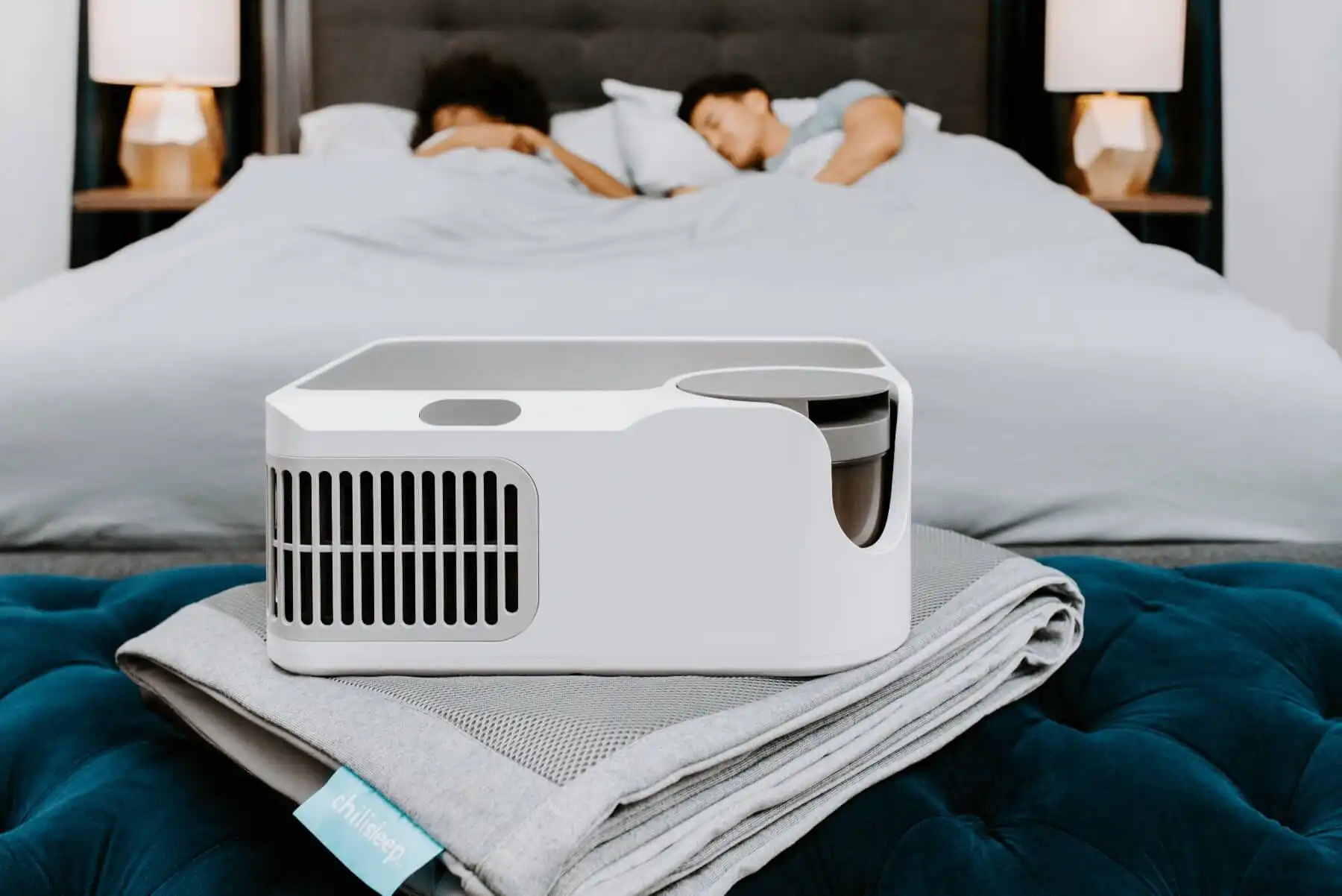
If you want to cool down your bed at night to get a comfortable, deep sleep, try using one of our bed cooling systems: Chilipad Dock Pro or the Cube Sleep System.
View our award-winning bed cooling systems.
They keep you cool at night to get high-quality sleep and wake up with more energy in the morning.
Why Am I Tired When I Wake Up?
People often feel tired in the morning for several reasons. One primary factor is the lack of quality sleep, which can be due to various issues like stress, an uncomfortable sleep environment, or an inconsistent sleep schedule.
Poor sleep hygiene can disrupt the body’s natural sleep-wake cycle, leading to restless nights. Dietary habits also play a role; consuming caffeine or heavy meals late in the evening can interfere with sleep.
Also, underlying health conditions and sleep disorders such as sleep apnea or insomnia can significantly impact the ability to get restorative sleep.
Read More: How to Stop Waking Up Tired and Get Back on Track
Not getting enough physical activity during the day can contribute to a feeling of lethargy in the morning. Addressing these factors is crucial for waking up feeling refreshed and energized.
How to Actually Have Energy in the Morning?
Most of us aren't exactly "morning people." Dragging yourself out of bed when you’re still half-asleep is a struggle, and that "morning fog" can follow you around for hours if you aren't careful.
The good news is that you don't need a total life overhaul to feel better. There are a few small, practical tweaks you can make to your routine.
From how you wind down at night to what you do the second your alarm goes off—that actually make a difference. Here’s how to stop feeling like a zombie and finally get some momentum in the morning.
When to Speak to a Doctor
If you’re finding yourself dragging in the mornings, it might be because you’re not getting enough sleep or your body’s natural clock is off balance.
But, if you’ve tried fixing your sleep routine and are still feeling worn out, it might be a good idea to chat with your doctor to see what’s happening.
Finding Your Own Rhythm
At the end of the day, there’s no "perfect" morning routine. What works for a fitness influencer might be a total nightmare for you.
The trick is to just pick one or two of these things—like the cold water or the 90-minute snooze hack—and see if they actually make your 7 a.m. a little less painful.
Don't stress about doing all of this at once. Start small, be realistic about your schedule, and if something feels like a chore, drop it.
The goal is to feel a bit more human when you wake up, not to add more stress to your plate.
And hey, if you’ve tried everything and you’re still dragging yourself through the day, it might be worth checking in with a doctor just to make sure there isn't something else going on.
Go easy on yourself, and good luck out there.