Key Takeaways
Night sweats are a symptom, not a diagnosis. Most cases have a clear, manageable cause once you know what to look for.
- True night sweats mean soaking through your pajamas or bedding during sleep, not just feeling warm from a heavy blanket or hot room.
- Common triggers include a warm sleep environment, alcohol, spicy food, stress, hormone shifts, and certain medications.
- Night sweats break up deep sleep and shorten REM, which means the problem isn't just discomfort. It's recovery, mood, and next-day performance.
- Persistent night sweats paired with fever, unexplained weight loss, swollen lymph nodes, or ongoing fatigue are worth a conversation with your doctor.
- Cooling your sleep environment is one of the fastest and most effective ways to reduce night sweats that stem from temperature dysregulation.
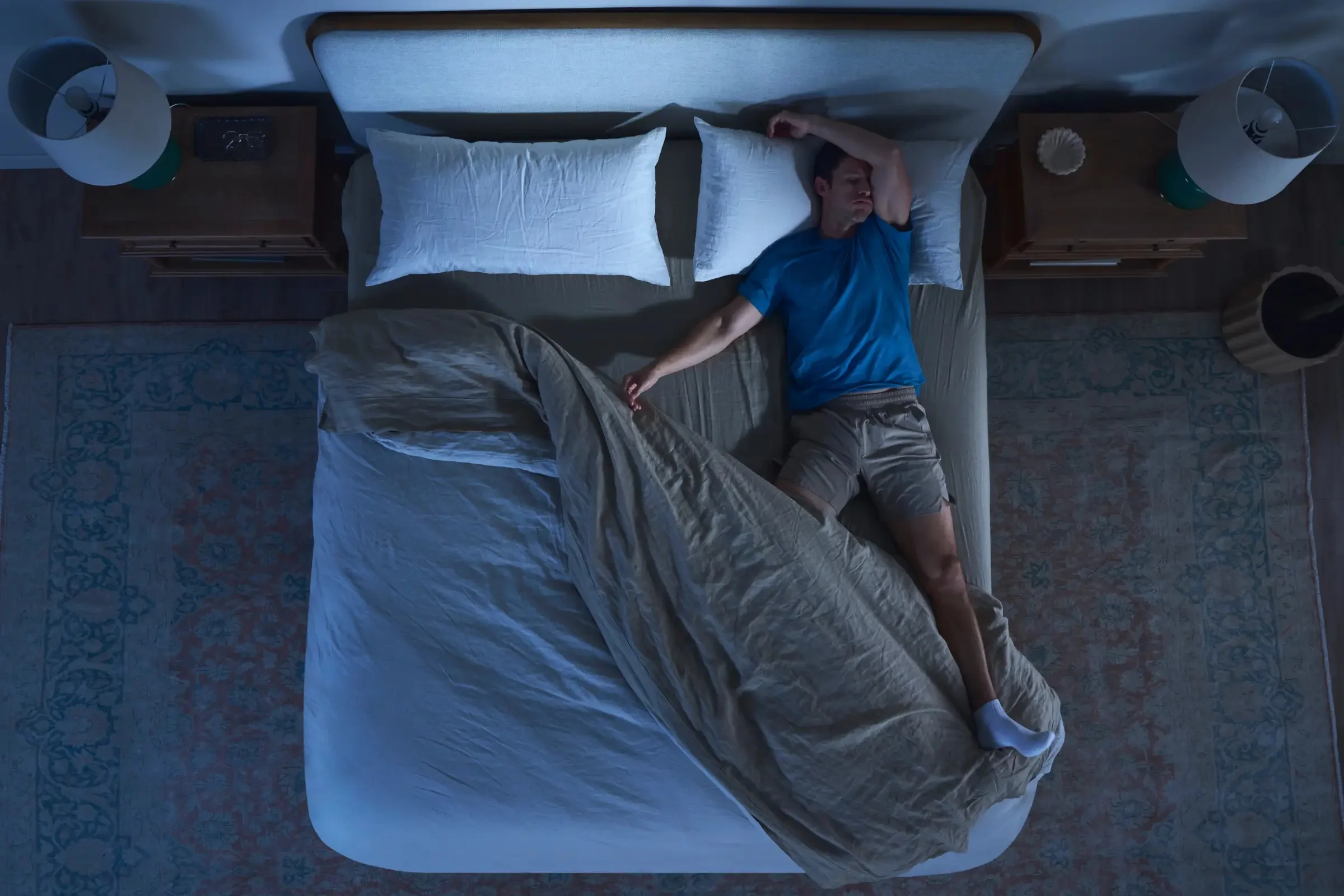
Night sweats are episodes of excessive sweating during sleep that soak your clothes or bedding. They are a symptom, not a diagnosis.
They can be triggered by anything from a warm sleep environment to hormone changes, stress, medications, or underlying health conditions.
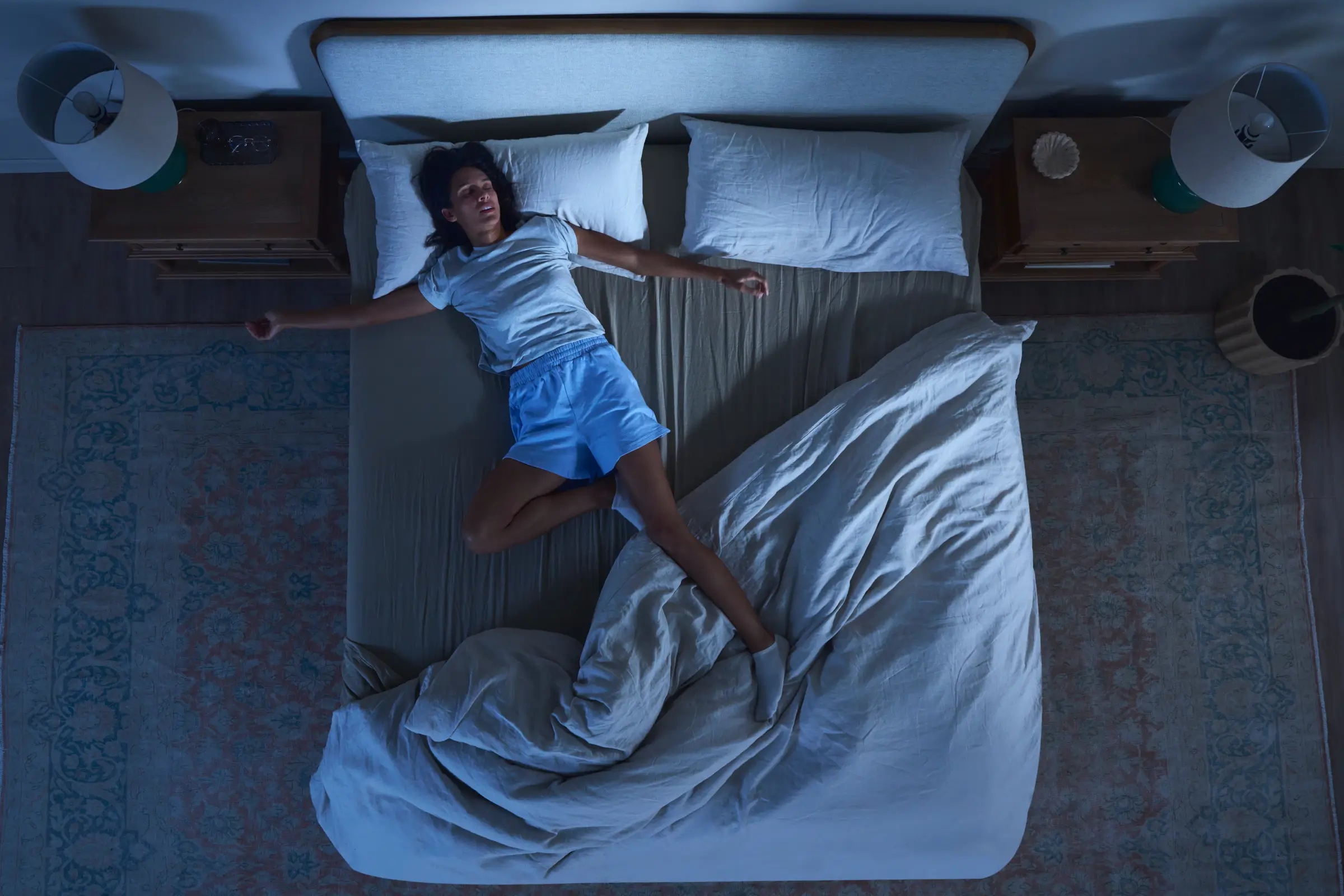
If you're waking up hot and restless, it's not just uncomfortable. It breaks up deep sleep, shortens REM, and leaves you feeling off the next day.
Most night sweats have clear, manageable causes. Once you understand what's driving them, you can take steps to stay cooler, sleep more consistently, and wake up feeling like yourself.
What Counts as a Night Sweat?
A true night sweat is more than feeling a little warm. It usually means sweating enough during sleep that your pajamas or bedding get soaked.
That distinction matters. A hot room or heavy blankets can cause sweating. Repeated or drenching episodes, especially in a cool environment, are worth paying attention to.
Signs it might be night sweats:
- Waking up with wet pajamas or sheets
- Needing to change clothes or bedding overnight
- Sweating that happens regularly, not just once
- Episodes that aren't explained by room temperature or bedding
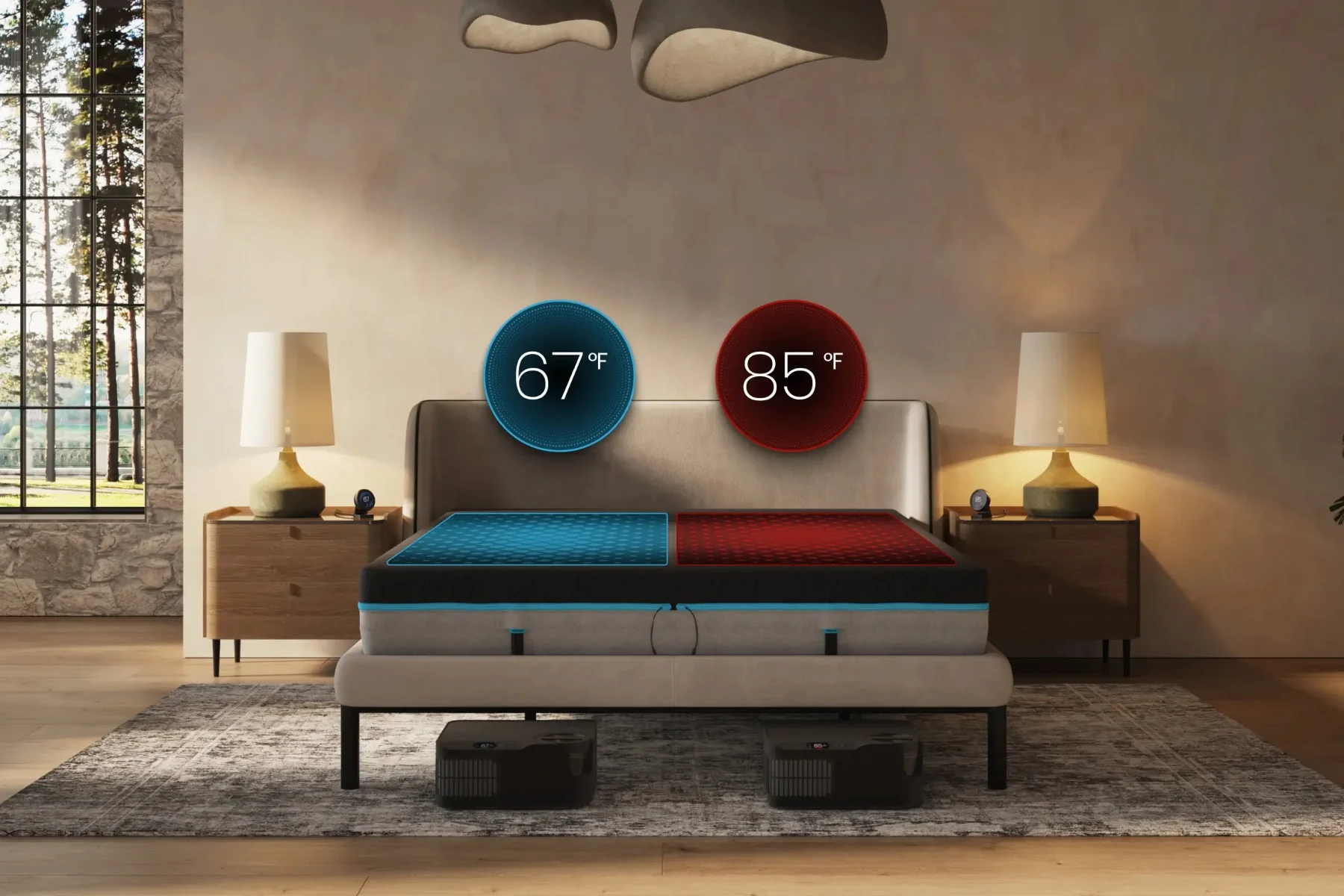
Night Sweats? The Chilipad 2.0 Can Fix It
Sweat at night? Meet your match. Chilipad 2.0 delivers water-based cooling right where you need it. Wake up feeling like a person again.
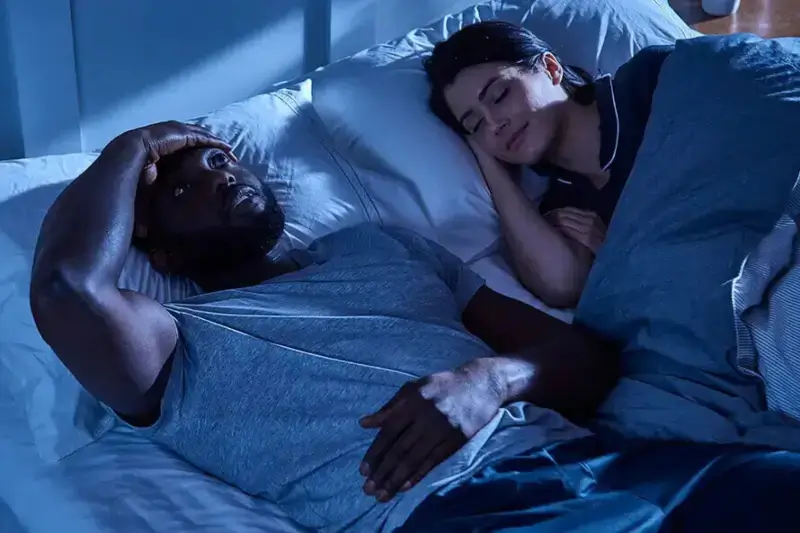
Night Sweats Are a Symptom, Not a Diagnosis
Night sweats can show up for a lot of reasons, from stress and hormone shifts to medications or temporary illness. Think of them as a signal, not the answer. One symptom on its own doesn't tell the full story. What matters is the pattern.
Track the following to spot patterns over time:
- How often it happens
- How intense it is, mild versus soaking
- Other symptoms like fever, pain, or weight loss
- Possible triggers such as alcohol, spicy food, or stress
Why Do Night Sweats Happen?
How your body controls temperature during sleep. Your body is constantly working to stay within a comfortable temperature range.
Think of your brain as running a built-in thermostat. When you start to get too warm, it triggers cooling responses like sweating and sending more blood to your skin to release heat.
Sleep changes things. Your body naturally cools down at night as part of your sleep cycle. If something disrupts that, a warm room, stress, or hormone shifts, your system can overshoot and you end up waking up sweaty.
Common triggers:
- Overheating from a warm room, heavy blankets, or fabrics that trap heat
- Fever or illness as your body fights something off
- Hormone shifts like menopause-related hot flashes that hit at night
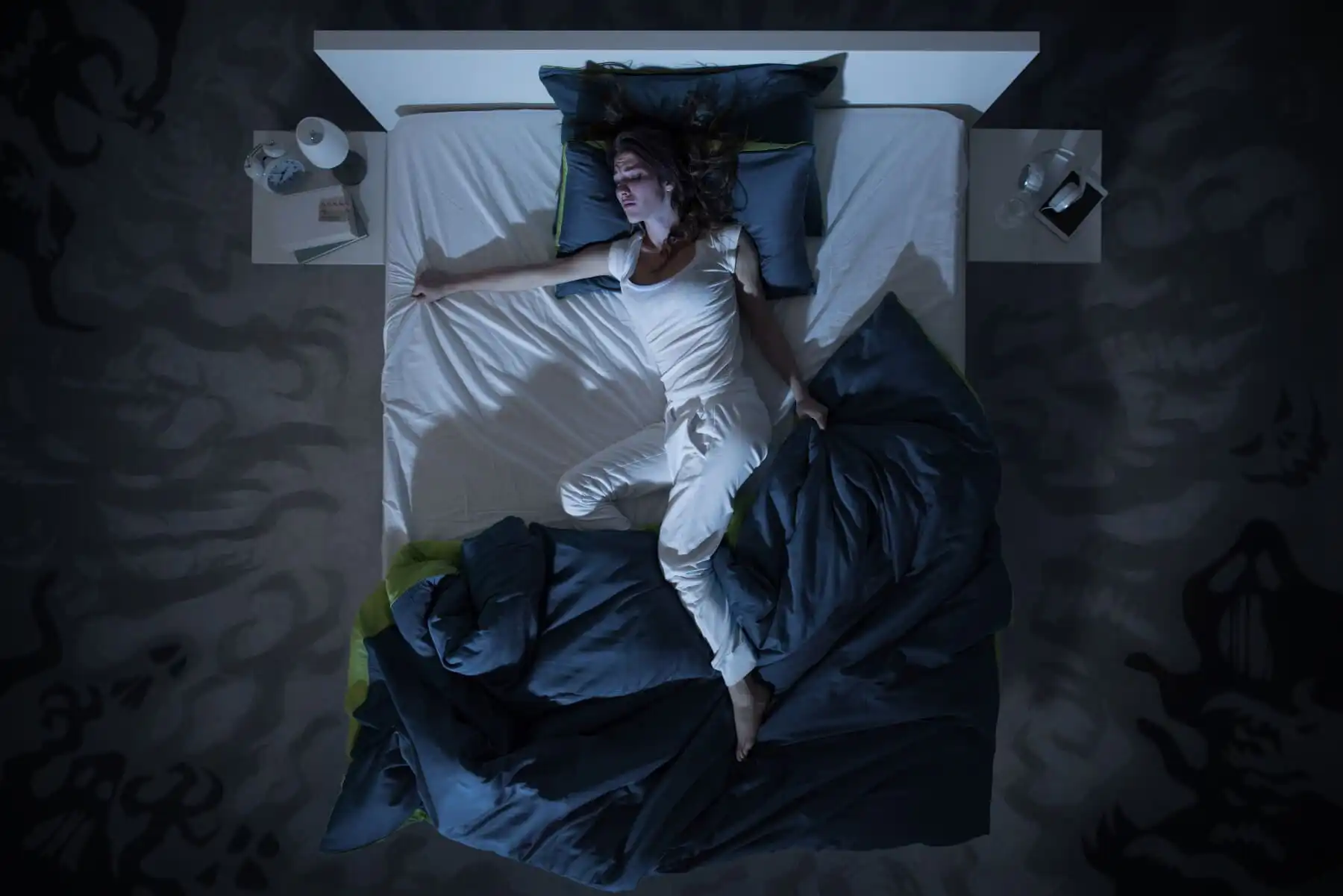
- Stress responses including anxiety, nightmares, or adrenaline spikes
- Metabolic changes like thyroid imbalance or low blood sugar
Common Everyday Reasons for Night Sweats
A Hot Room
Heavy bedding and sleep setup. Sometimes it's not complicated. Your sleep environment might just be too warm. A hot room, thick blankets, heat-trapping mattresses, or non-breathable pajamas can all push your body into overheating.
This is likely if:
- You sweat less when the room is cooler
- It happens more in warmer months or when the heat is on
- Lighter bedding improves your sleep
- Your sleepwear traps heat instead of letting it breathe
If the sweating is mild and tied to your setup, a few simple changes can make a difference fast.
Alcohol, Spicy food, and Caffeine.
What you have in the evening can affect your body temperature more than you think.
- Alcohol can make you feel flushed and disrupt sleep
- Spicy foods can trigger heat receptors and push your body to cool down
- Caffeine stimulates your system and may increase sweating, particularly if you're sensitive
Not everyone reacts the same way. If night sweats seem random, track what you eat and drink in the evening. Patterns tend to show up quickly.
Stress, Anxiety, and Temporary Infections
Your body doesn't fully shut off at night. Stress and anxiety can keep it on high alert, raising adrenaline and making sweating more likely while you sleep.
Temporary illnesses can do the same. When your body is fighting something off, fever and inflammation can cause swings between feeling hot and then sweating as you cool down.[2]
If night sweats show up during stressful periods or while you're sick, they often improve once things settle.
Medications and Treatment Side Effects
Some medications cause night sweats and most people don't realize it. Common culprits include certain antidepressants, hormone-related treatments, and medications that affect the nervous system or disrupt body temperature regulation.
Don't stop a prescribed medication on your own. If you think something you're taking is playing a role, talk with your clinician or pharmacist. Small adjustments to timing or dosage can sometimes make a real difference.
Hormone-related Changes
Hormone shifts are a common cause of night sweats, and it's not only a women's health issue. Both men and women can experience hormone-related sweating at different stages of life.
For women, this often shows up during perimenopause and menopause. For men, changes in testosterone levels can also be a factor. Hormones tied to stress, thyroid function, or other conditions can affect anyone.
These episodes often feel like a sudden wave of heat, followed by sweating and then feeling chilled. If this pattern sounds familiar, it's worth talking with a clinician to confirm what's driving it.
Sleep Apnea, GERD, Thyroid Issues, and Low Blood Sugar
Some underlying conditions are also linked to night sweats: [1]
- Sleep apnea. Repeated breathing pauses during sleep can trigger stress responses in the body. Night sweats have been reported in people with obstructive sleep apnea.
- GERD. Acid reflux can disturb sleep and may be associated with sweating in some people.
- Overactive thyroid. Thyroid hormone affects metabolism and heat production. Too much thyroid hormone can lead to heat intolerance and increased sweating.
- Low blood sugar. People treated for diabetes may sweat at night if blood sugar drops too low during sleep.
These conditions usually come with other clues, including snoring, daytime sleepiness, heartburn, shakiness, palpitations, or unexplained weight changes.
Night Sweats Don't Always Mean Something Serious
Night sweats can be linked to serious conditions, but that's not the most common scenario. More often they come from everyday factors like room temperature, temporary illness, medication side effects, stress, or hormone changes.
On their own, night sweats don't point to a specific diagnosis. Context and patterns matter more than a single episode.
- Are the sweats occasional or frequent?
- Are they drenching?
- Have they been going on for days, weeks, or longer?
- Are there other symptoms like fever, cough, swollen glands, unexplained pain, or weight loss?
- Did they begin after a new medication or lifestyle change?
These details help separate likely triggers from situations that need medical follow-up.
When Night Sweats Are a Reason to See a Doctor
Check in with a clinician if night sweats are persistent, intense, or showing up alongside other unexplained symptoms.
Pay closer attention if you have:
- Drenching sweats that keep happening
- Fever Unexplained weight loss
- Swollen lymph nodes or glands
- Ongoing cough
- Diarrhea that doesn't improve
- Unexplained pain
- New or worsening fatigue
- Symptoms that don't seem to connect
Also consider medical advice if night sweats start after a medication change, disrupt your sleep regularly, or happen alongside signs like choking during sleep, chest discomfort, or possible low blood sugar.
Practical Ways to Reduce Night Sweats at Home
Cool your sleep environment
Small changes to your sleep setup can make a noticeable difference.
A bed cooling system regulates your bed temperature throughout the night, which is one of the most direct ways to address night sweats that stem from temperature dysregulation.
Your body's core temperature needs to drop to initiate and maintain deep sleep. When your environment is already cool and controlled, your system doesn't have to work as hard to get there.
Other adjustments worth trying:
- Keep the bedroom cool, ideally between 65 and 68ºF
- Use lighter blankets or layered bedding you can adjust during the night
- Choose breathable sleepwear that doesn't trap heat
- Try moisture-wicking sheets or pillowcases if heat buildup is an issue
- Improve airflow with a fan if needed
Adjust evening habits that may trigger sweating
Consider a few simple changes for a week or two:
- Limit alcohol in the evening
- Avoid spicy meals close to bedtime
- Cut back on late caffeine even if you think you're not sensitive to it
- Try a calmer wind-down routine before bed
- Stay hydrated, particularly if you've been sweating a lot
This is not about being perfect. It's about noticing what affects your body.
Track patterns in a symptom diary
If night sweats keep happening, write down:
- When the sweating happened
- How severe it was
- Room temperature or bedding used
- Alcohol, caffeine, or spicy food that evening
- Stress levels
- Any illness symptoms
- Medications taken
- Menstrual or hormone-related patterns if relevant
The Bottom Line
Night sweats are a symptom, not a diagnosis. Most of the time they tie back to things like your sleep environment, evening habits, stress, temporary illness, medications, or hormone shifts.
What matters is the pattern. Notice how often it happens, what might trigger it, and whether anything else shows up alongside it.
If the sweating is frequent, drenching, or paired with other symptoms that don't add up, it's worth checking in with a clinician. Otherwise, a few smart changes to your routine and sleep setup can go a long way.
Frequently Asked Questions About Sleeping Hot
What Is the Difference Between Night Sweats and Simply Overheating During Sleep?
What Are the Most Common Causes of Night Sweats?
How Does Stress or Anxiety Cause Night Sweats?
How Long Do Night Sweats Usually Last?
When Should You See a Doctor About Night Sweats?
Disclaimer: This blog is for informational purposes only and is not a substitute for professional medical advice, diagnosis, or treatment. Always talk to your healthcare provider about your symptoms, conditions, or treatment options.