Key Takeaways
Traditional electric blankets may add warmth, but they often fall short on safety, comfort, and sleep quality.
- Electric blankets can overheat or feel uncomfortable through the night, especially if left on for long periods.
- Because they draw power continuously, electric blankets can increase energy use and drive up electricity costs.
- Constant heat can disrupt your body's natural temperature regulation, leading to sweating, restlessness, and lighter sleep.
- Water-based temperature control systems like the Chilipad 2.0 provide steady warmth or cooling without the risk of overheating.
- With precise temperature settings and quiet operation, the Chilipad 2.0 offers a safer, more comfortable alternative to old-style electric blankets.
Short Answer
The safest alternatives to electric blankets are water-based bed warming and cooling systems, weighted blankets, flannel sheets, thermal sleepwear, and hot water bottles. Electric blankets carry real risks, including overheating, fire hazards from damaged wires, and disrupted sleep from constant heat. Water-based systems like the Chilipad 2.0 warm or cool your bed to a precise temperature all night without any electrical components near your body.
The safest options remove electricity from the bed entirely or use low-voltage water circulation instead of heating coils.
From October through March, as temperatures drop across the Northern US, the Pacific Northwest, and the Upper Midwest, electric blanket searches spike alongside questions about whether leaving one on overnight is safe.
If you live somewhere that sees hard freezes, you have probably asked the same thing.
This guide covers the risks and the best electric blanket alternatives, from what you probably already own to what works best for all-night comfort.
Why Look for an Alternative to an Electric Blanket?
Electric blankets seem like an easy answer to a cold bed. They come with drawbacks most people don't think about until something goes wrong.
Leaving them on overnight is a fire risk. They draw continuous electricity even when you're asleep. And instead of keeping you comfortable, the constant heat often makes you sweaty and restless, which is the opposite of a good night's sleep.
There are newer sleep technologies that provide the warmth you want without the dangers. Some even let you set an exact temperature for better sleep, including water-based mattress toppers.
Are Electric Blankets Safe to Leave On All Night?
Leaving electric blankets on overnight carries a real fire risk, especially with older models or those with damaged wires.
The National Fire Protection Association notes that heating equipment, including electric blankets, is a top culprit for home fire injuries during winter months.
A few of the common risks include:
- Overheating. Malfunctioning electric blankets or those left on too long can reach temperatures that cause burns, especially for people who cannot easily move or feel temperature changes, such as elderly users or people with circulation issues.
- Wire damage. Bending, folding, or storing electric blankets improperly can damage internal wires. Damaged wires increase the risk of sparks and fire. Pets chewing on wires are also a common cause of electric blanket failures.
- Sleep disruption. Constant heat from an electric blanket prevents the core body temperature drop your body needs to enter and stay in deep sleep. You may fall asleep faster with warmth but wake more often during the night as your body overheats.
- EMF exposure. Electric blankets emit low-level electromagnetic fields during operation. While current research does not confirm long-term health risks at these levels, people who prefer to minimize EMF exposure during sleep often switch to non-electric warming options.
If you use an electric blanket, the National Fire Protection Association recommends choosing one with UL or ETL safety certification, never folding it during use, and keeping it off while you sleep.
Warm Your Bed the Safe Way
As temperatures drop, the question isn't just about cooling. The Chilipad warms your bed to exactly the temperature you want, holds it all night, and does it without the fire risk, the hot spots, or the cords that come with an electric blanket. No subscription.
The Chilipad Mattress Topper
Unlike traditional electric blankets, the Chilipad runs on low-voltage water circulation, making it a safer choice for all-night use.
Instead of heating coils, the Chilipad uses water-based technology to keep your bed anywhere from 55 to 115 degrees Fahrenheit. That means a warm bed on cold nights and cooling relief in summer, all from the same system. No separate products. No seasonal swaps.
The dual-zone setup lets each person control their own side of the bed independently. One partner can sleep warm. The other can sleep cool. Same mattress, same night.
- Safety: The Chilipad does not generate heat directly on your body, reducing the risk of overheating, burns, or fire hazards.
- Versatility: Works as both a warming and cooling system, making it suitable for year-round use.
- Even Temperature Distribution: Provides consistent temperature control across one side or the entire mattress.
- Energy Efficiency: Uses less energy than traditional heating blankets.
- Low EMF Exposure: Emits meaningfully lower EMF levels than standard electric blankets. All electrical components are housed separately from the sleep surface, with only water circulating through the mattress pad itself.
Water has natural thermal advantages that make temperature-regulated mattress toppers effective at both warming and cooling.
For more on why water outperforms air for bed temperature control, read the guide on air vs water bed cooling.
Not sure which Chilipad is right for you? Compare the features.
Throw Blankets
Down comforters provide an excellent warmth-to-weight ratio, making them a great choice for staying cozy without feeling weighed down.
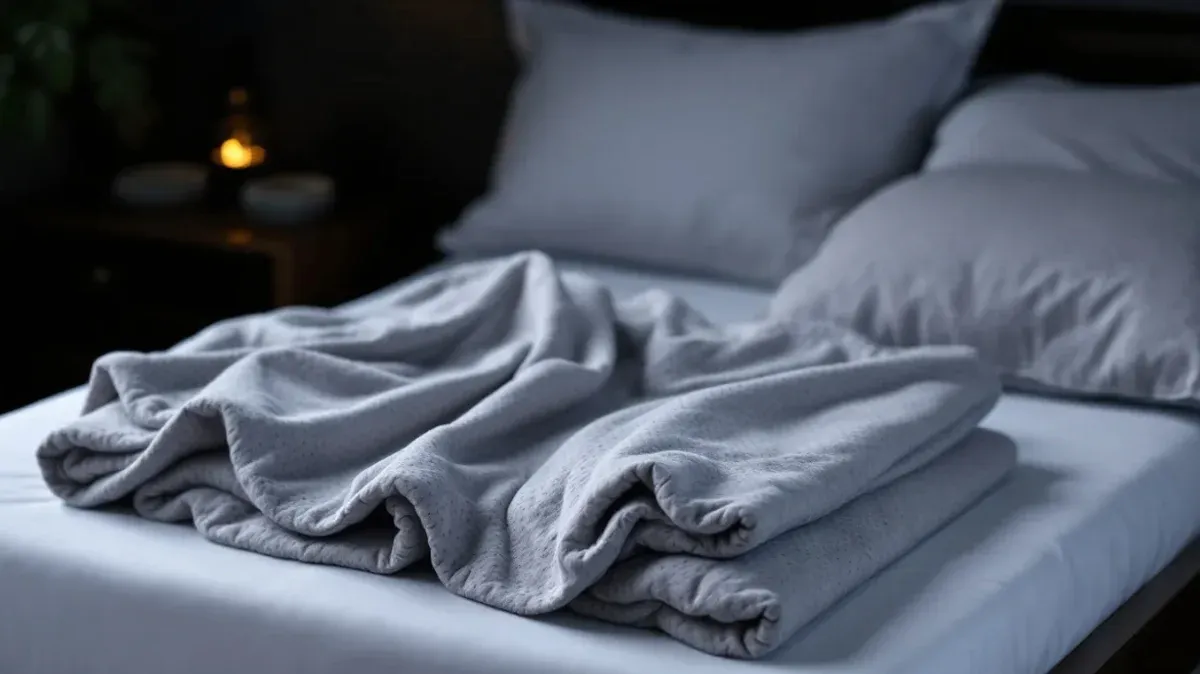
A good blanket is still the easiest way to warm up your bed. The warmest materials are cotton, wool, cashmere, and fleece. If one layer is warm, two are warmer. Down comforters create an insulating layer of trapped air that is especially effective in colder months
Flannel Sheets
Flannel traps heat with insulating air pockets, so your body heat is retained throughout the night.
Flannel is made from brushed cotton, which retains heat effectively, making it a good choice for cold nights. In bed, your body heat gets trapped in those air pockets and stays there. Even when you move around, the pockets continue to hold warmth around you.
Worth Knowing: Bed fan systems like BedJet move warm air around you, while water-based systems like the Chilipad deliver direct, consistent temperature control that keeps your bed warm or cool all night.
Warm Pajamas
Flannel is the most breathable option if you're concerned about getting too warm.
Sometimes a warm set of pajamas is all it takes. Wearing warm pajamas and socks adds an extra layer of insulation and helps you retain body heat through the night. Flannel, wool, cotton, fleece, silk, and thermal are all good options for cold weather.
For more on fabrics, read the guide to the best fabrics for night sweats.
Weighted Blanket
Since weighted blankets don't rely on wires or electricity, weighted blankets are a much safer option than electric blankets.
A weighted blanket made with warm, cozy fabrics can trap heat to keep you warm while also providing gentle, calming pressure that reduces stress and promotes deeper sleep.
The trade-off is that you can't adjust the temperature. What you get depends on the fabric and weight you choose.
For people who sleep cold and want the calming pressure benefit alongside the warmth, a weighted blanket is one of the best non-electric options available.

Sleeping with Socks
Wearing socks to bed may assist in lowering your body's core temperature, helping you fall asleep faster and stay asleep longer.
When you sleep with socks on, you warm your feet; blood vessels dilate, which helps your body release heat through the skin. That process assists the core temperature drop your brain uses as a signal to initiate sleep.
Should you sleep with socks on? A study found that people who slept with socks on fell asleep faster than those who did not. [1] 28% of people love wearing socks to bed, while 44% say they cannot stand it.
Hot Water Bottles
Hot water bottles are inexpensive, reusable, and easy to move around, making them a practical choice for warming your feet or keeping your side of the bed warm.
Fill a hot water bottle with warm water, slip it under the covers, and the bed is warm before you get in. No electricity involved. No wires. No fire risk.
The main drawback is that they cool down over time. For a safe, budget-friendly option with no electrical components, a hot water bottle still gets the job done.
Rice Bags
Unlike electric blankets, rice bags and heated pads are not meant to stay on all night, which makes them a safer short-term option for warming the bed before you get in.
A rice bag is easy to make. Fill a fabric pouch with uncooked rice and heat it in the microwave for a couple of minutes. The rice holds heat well and the bag can be reused over and over.
Heated pads work in a similar way. Many people use them to preheat the sheets before climbing into bed, then remove them once the bed is comfortably warm. This approach gets the bed warm without any electrical risk during sleep.
Who Should Consider These Alternatives?
These options are especially helpful for anyone who wants consistent warmth without the risks that come with electrical components in the bed.
- People concerned about safety. If the idea of sparks, overheating, or faulty wiring makes you uneasy, a non-electric solution offers peace of mind.
- Couples with different temperature needs. Sharing a bed does not mean sharing the same warmth level. A dual-zone system like the Chilipad 2.0 lets each person choose their own comfort setting independently.
- Hot sleepers and people with night sweats. Constant heat from an electric blanket makes overheating worse. Cooling or breathable alternatives are a better fit.
- Parents choosing bedding for kids. For children and teens, safer non-electric options eliminate the risks that come with leaving electric blankets on overnight. Most sleep safety experts recommend against electric blankets for children under 12.
- EMF-conscious individuals. Electric blankets emit low-level electromagnetic fields when plugged in and running. Those who prefer to minimize EMF exposure during sleep often feel more comfortable with non-electric solutions.
The Bottom Line
Electric blankets work, but they come with trade-offs most people do not think about until something goes wrong.
The alternatives on this list range from zero-cost, like layering blankets you already own, to precise all-night temperature control with the Chilipad 2.0. Start with what fits your budget and comfort needs.
If you find yourself waking up too warm or too cold during the night, a water-based system gives you the kind of control that means you stop thinking about it entirely.
Set your temperature, go to sleep, and wake up without having thought about it once.
Electric Blanket Alternatives Frequently Asked Questions
Why Should I Look for an Alternative to an Electric Blanket?
What Is the Safest Alternative to an Electric Blanket?
Can the Chilipad Keep Me Warm?
Are Chilipads Energy Efficient?
Are Electric Blankets Safe for Children?
Disclaimer: This blog is for informational purposes only and is not a substitute for professional medical advice, diagnosis, or treatment. Always talk to your healthcare provider about your symptoms, conditions, or treatment options.