
Key Takeaways
Choosing between wearable and non-wearable sleep trackers comes down to comfort, data needs, and how you prefer sleep tech to fit into your routine.
- Wearable trackers collect data directly from your body—like heart rate, movement, and blood oxygen—while non-wearables track sleep passively from under or near the bed.
- Comfort matters. Wearables can feel distracting or bulky overnight, whereas non-wearables work quietly in the background.
- Wearables often provide more biometric detail, while non-wearables are better for long-term sleep trends without charging or nightly setup.
- Your lifestyle plays a role. Travelers may prefer wearables for portability, while at-home sleepers often favor the ease of non-wearable trackers.
Sleep tracking has become increasingly popular as people have become more aware of the overall health benefits of getting a night filled with good, quality sleep. In recent years, the market for sleep trackers has expanded to include an array of options for consumers interested in these devices.
Below, we will explore the differences between non-wearable sleep trackers and wearable trackers, key features to expect from a tracker and help you choose the best sleep tracker for your needs.
What Exactly is a Sleep Tracker?
A sleep tracker is a device or wearable technology designed to monitor and record an individual’s sleep patterns, offering valuable insights into both the quality and quantity of their sleep. These devices can be worn on the wrist, finger, or even placed under a mattress.
Utilizing various sensors and sophisticated algorithms, sleep trackers can monitor different sleep stages, track sleep duration, and capture other essential sleep-related metrics.
Using a sleep tracker, people can gain a deeper understanding of their sleep habits, identify areas for improvement, and make informed decisions to enhance their overall sleep quality.
Benefits of Sleep Tracking
Sleep tracking offers numerous benefits that can significantly improve your overall well-being:
- Improved Sleep Quality: By monitoring sleep patterns and identifying areas for improvement, individuals can make informed decisions to enhance their sleep quality.
- Increased Energy Levels: Better sleep quality can lead to increased energy levels and improved physical and mental performance.
- Enhanced Mental Health: Sleep tracking can help individuals identify potential sleep-related issues that may be contributing to mental health concerns, such as anxiety or depression.
- Better Sleep Habits: Sleep tracking can help individuals establish consistent sleep schedules, improve sleep hygiene, and develop healthy sleep habits.
- Increased Self-Awareness: Sleep tracking provides individuals with a deeper understanding of their sleep patterns, allowing them to make informed decisions about their sleep and overall health.
Who Should Use a Sleep Tracker?
Anyone interested in improving their sleep quality and overall health can benefit from using a sleep tracker. Sleep trackers are particularly useful for individuals who:
- Experience Difficulty Sleeping or Staying Asleep: If you struggle with falling asleep or staying asleep, a sleep tracker can help identify the root causes and suggest improvements.
- Want to Optimize Their Sleep Patterns: For those looking to enhance their physical and mental performance, tracking sleep stages and patterns can provide valuable insights.
- Need to Monitor Sleep Habits Due to a Medical Condition: Individuals with conditions like sleep apnea can benefit from tracking their sleep to manage and improve their health.
- Are Interested in Tracking Sleep Stages: Understanding different sleep stages, including deep sleep, light sleep, and REM sleep, can help in optimizing sleep quality.
- Want Personalized Recommendations: Many sleep trackers offer personalized tips and recommendations to improve sleep quality based on the tracked data.
Non-Wearable Sleep Trackers
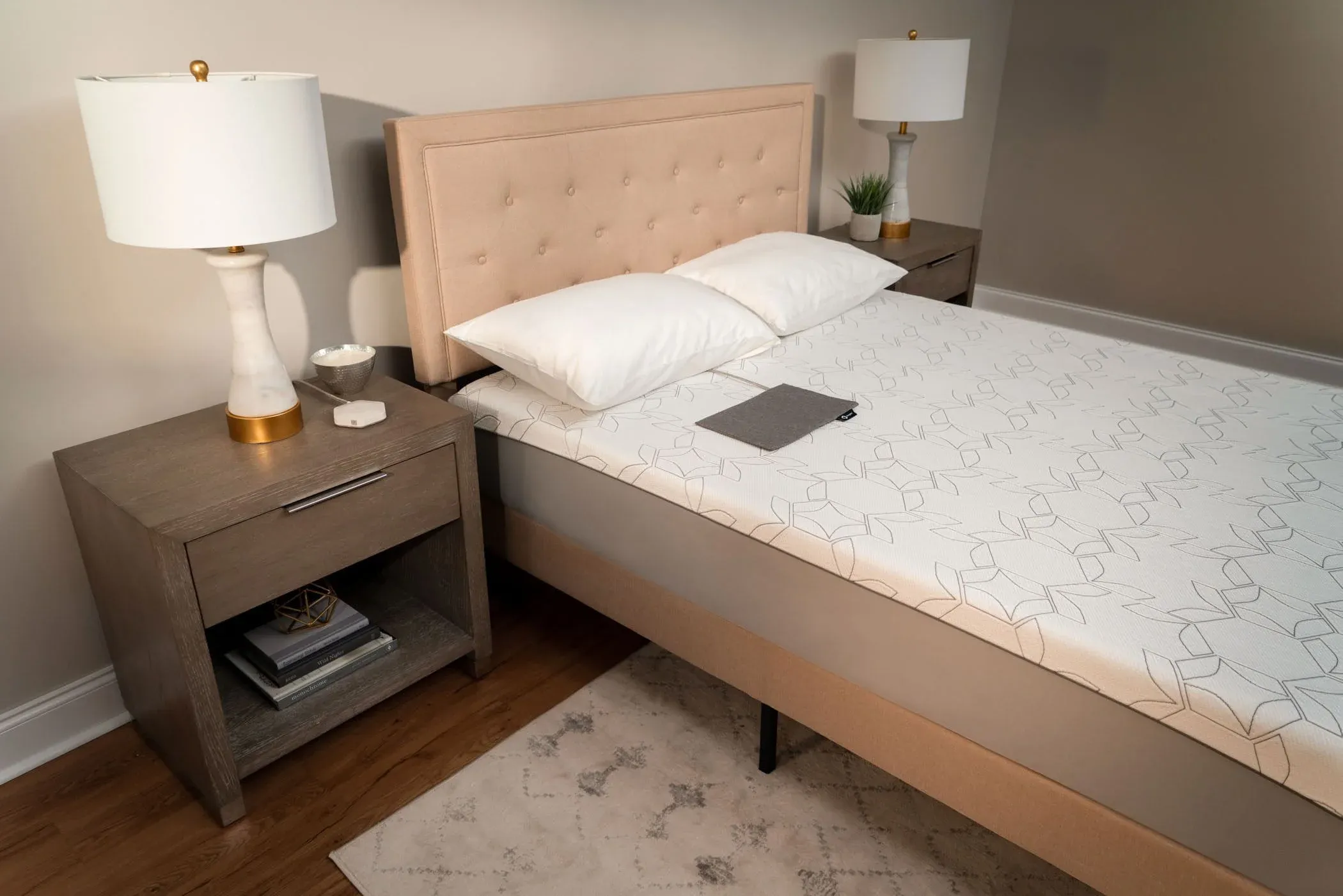
Non-wearable sleep trackers, often available in the form of sleep tracking mats, are placed under a mattress, bed sheet, mattress protector or a pillow. These devices track sleep patterns by using sensors to detect body movements, breathing rate, heart rate and more.
Non-wearable sleep trackers are more discreet and convenient than wearable sleep trackers, and typically do not require charging, offering an advantage in terms of battery life. However, depending on the model or brand, non-wearable trackers may not provide as detailed of an analysis of sleep patterns as wearable trackers.
These devices are very comparable from a sleep-tracking perspective, though they lack fitness and health tracking when out of bed. But technology is always evolving in this field, and in the past few years, they have come a long way. Non-wearable sleep trackers today do track the most important metrics.
Wearable Sleep Trackers
Wearable sleep trackers, such as watches, rings, and bands, are the most common types of sleep-tracking technology available. A good sleep tracker should be comfortable and provide accurate data on sleep stages, heart rate, and other important metrics to help users understand their sleep better.
Wearable sleep trackers are usually worn on the wrist, or as a ring, and they provide a comprehensive analysis of sleep patterns. However, they can be bulky and uncomfortable to wear, especially for people who are prone to sleep disruption.
These devices typically use LEDs for monitoring, which can be distracting at night or when trying to fall asleep. Additionally, all wearables need to be charged, so that’s another aspect to consider when purchasing a wearable tracker.
Another downside to wearable trackers that are worn all the time is that tracking is the most accurate way to show health statistics when a person is sleeping. The less movement, the more accuracy for the stats that matter most for sleep tracker; HRV, Resting Heart Rate and Respiration.
Knowing the trends and patterns of these three metrics can assist in having the upper hand in identifying health risks in the future.
Final Thoughts
Sleep trackers are great tools for achieving a better night’s sleep. Whether you choose a wearable or non-wearable sleep tracker, the most important thing is to find one that is comfortable and provides accurate data.