Key Takeaways
Red light therapy may support sleep by reducing blue light exposure and minimizing melatonin disruption, but it does not directly make you fall asleep. Its main benefit is creating a sleep-friendly lighting environment before bed.
- Red light does not directly induce sleep, but it helps protect melatonin by avoiding the stimulation caused by blue and white light.
- Using red light in the evening supports relaxation by keeping your circadian rhythm intact.
- Timing and brightness matter. Dim red light used 30 to 60 minutes before bed works best.
- Brighter or prolonged light exposure, even red light, can delay sleep if used incorrectly.
- Light control is most effective when paired with temperature control, creating an environment that fully supports sleep onset.
Blue light gets most of the attention when it comes to light and sleep. Red light is the quieter, less disruptive end of the spectrum, and increasingly, research is taking it seriously.
This light therapy won't knock you out. What it does is avoid the melatonin suppression that blue and bright white light cause before bed, keeping your body's natural sleep signals intact.
For people building a deliberate sleep environment, that distinction matters. Here's what the research actually shows, how it works, and what to realistically expect from it.
What Is Red Light Therapy?
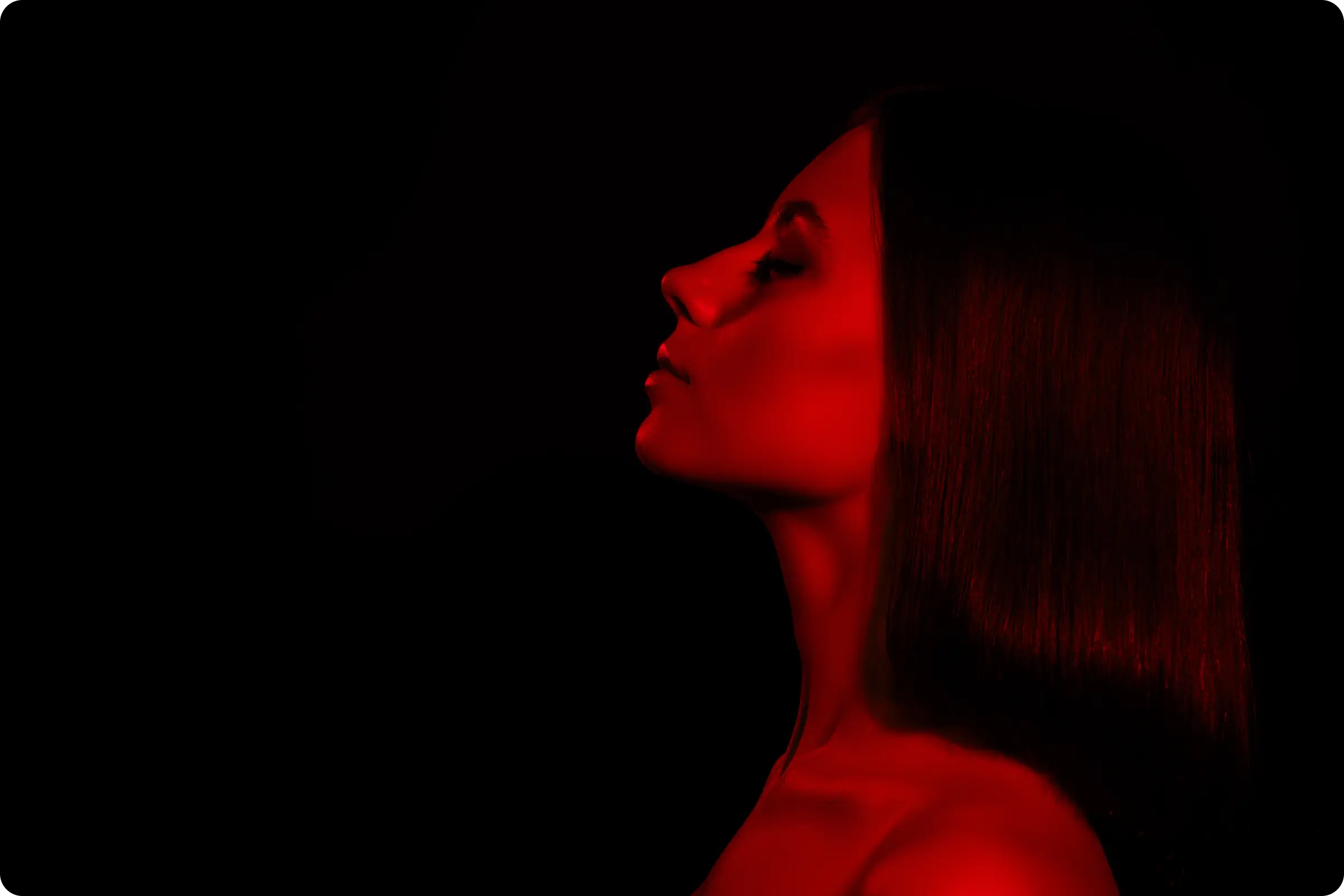
It involves exposure to specific wavelengths of red light, typically between 600 and 750 nanometers.
At this wavelength range, red light is absorbed by cells and is believed to stimulate mitochondrial activity, increasing the production of adenosine triphosphate (ATP), the energy currency of the cell.
For sleep specifically, the mechanism that matters most is simpler. Red light does not suppress melatonin the way white and blue light do. Using red light in the evening instead of standard lighting keeps the body's natural melatonin rhythm intact.
Red Light v.s. Near-infrared Light
Red light operates in the visible spectrum between 620 and 750 nanometers and works primarily at the surface level of skin and tissue.
Near-infrared (NIR) light sits just beyond the visible range, between 750 and 1,100 nanometers, and penetrates more deeply into muscle and joint tissue.
Both are used in therapeutic devices, but for sleep applications, the visible red light range matters most for your body clock and melatonin levels.
Red Light Sets the Mood. Chilipad 2.0 Sets the Temperature
It protects your melatonin. Chilipad 2.0 brings your bed to the ideal sleep temperature. Together they give your body every signal it needs to fall asleep faster and recover deeper every single night.
What the Research Says
The evidence on red for sleep is promising but limited. Most studies are small and focus on specific populations. Here is what the better-quality research shows.
A controlled study of female basketball players found that 14 nights of red light improved sleep scores and raised serum melatonin levels compared to a placebo group. [2]
Participants also showed improvements on the Pittsburgh Sleep Quality Index, a validated clinical measure of quality sleep.
A 2023 randomized sham-controlled trial found that near-infrared phototherapy improved sleep and daytime functioning compared to a sham device. [1] Participants reported falling asleep faster and sleeping longer.
A 2023 systematic review and meta-analysis of 22 studies covering 685 participants found that light produced measurable improvements in sleep compared to placebo for people with insomnia. [5]
The authors noted that it works best as part of a multi-component approach alongside sleep hygiene and behavioral interventions.
One study to know about. A 2023 study published in Frontiers in Psychiatry involving 114 participants found that some people using it woke up more frequently during the night and reported more negative emotions including anxiety. [6]
This is a minority finding in the broader literature, but it reinforces the point that red light therapy is not universally beneficial and individual response varies.
If you notice worsened sleep or increased anxiety after starting red light use, stop and consult a doctor.
Research on red light and sleep inertia suggests that red light exposure upon waking can reduce morning grogginess without suppressing melatonin, which has implications for both evening and morning use. [4]
What this means in practice. It does not act like a sleep aid or sedative. Its primary value is as a melatonin-protective light source for the hours before bed, and as a potential tool for athletes and people with sleep disorders looking for non-pharmacological support.
Most people need 2 to 3 weeks of consistent nightly use before sleep quality improvements become noticeable.
What Red Light Therapy May Help With
Melatonin Production
Red light does not suppress melatonin the way blue and bright white light do. Using red light in the two hours before bed keeps melatonin production on its natural schedule, making it easier to fall asleep at your target time. [2]
In a head-to-head comparison, blue light held melatonin at 7.5 pg/mL after two hours of evening exposure. Red light allowed recovery to 26.0 pg/mL over the same period. That difference is why light color matters at night. [7]
Sleep Inertia
Waking up with red light rather than bright white or blue light reduces the sharpness of the transition from sleep to wakefulness.
Research suggests it shortens the period of that groggy feeling and cognitive impairment that follows abrupt awakening. [4]
Circadian Rhythm Support
Consistent evening red light exposure reinforces the light-dark cues your circadian rhythm depends on. This is particularly relevant for shift workers, frequent travelers, and people with delayed sleep phase disorder.
A 2025 systematic review and meta-analysis of 11 studies found that it improved total sleep time by an average of 32 minutes and improved sleep efficiency in shift workers compared to control groups. [8]
Stress and Cortisol
Red light's calming effect on the visual and nervous system may reduce cortisol in the evening hours. [3]
Lower evening cortisol supports faster sleep onset and more stable sleep architecture. This effect is secondary to the melatonin mechanism but worth noting for people whose primary sleep barrier is stress-driven alertness.
Insomnia and Sleep Disorders
A 2023 meta-analysis of 22 studies found that light therapy produced measurable improvements in sleep for people with insomnia. [5]
It's is not a standalone treatment for clinical insomnia but may be a useful adjunct alongside behavioral changes.
Jet Lag
By supporting circadian re-entrainment through timed light exposure, red light may help reset the internal clock after crossing time zones.
Timing of exposure matters here. Light in the evening delays the clock. Light in the morning advances it.
Jet Lag Tip: Do you travel alot or can't get back on track? We've listed some of the best methods to help you fight jet lag.
Seasonal Affective Disorder (SAD)
Red light therapy may help reduce symptoms of SAD, which is linked to disrupted circadian rhythm and reduced exposure of light during darker months.
Standard bright light therapy remains the primary clinical approach for SAD.
Chronic Pain
Sleep and pain have a bidirectional relationship. Red light therapy's anti-inflammatory effects at the cellular level may reduce pain enough to improve sleep quality indirectly.
This is not a primary sleep mechanism but may be relevant for people whose sleep is disrupted by physical discomfort.
How to Use Red Light Therapy for Sleep
Adding red light to your nightly routine is simpler than you might think.
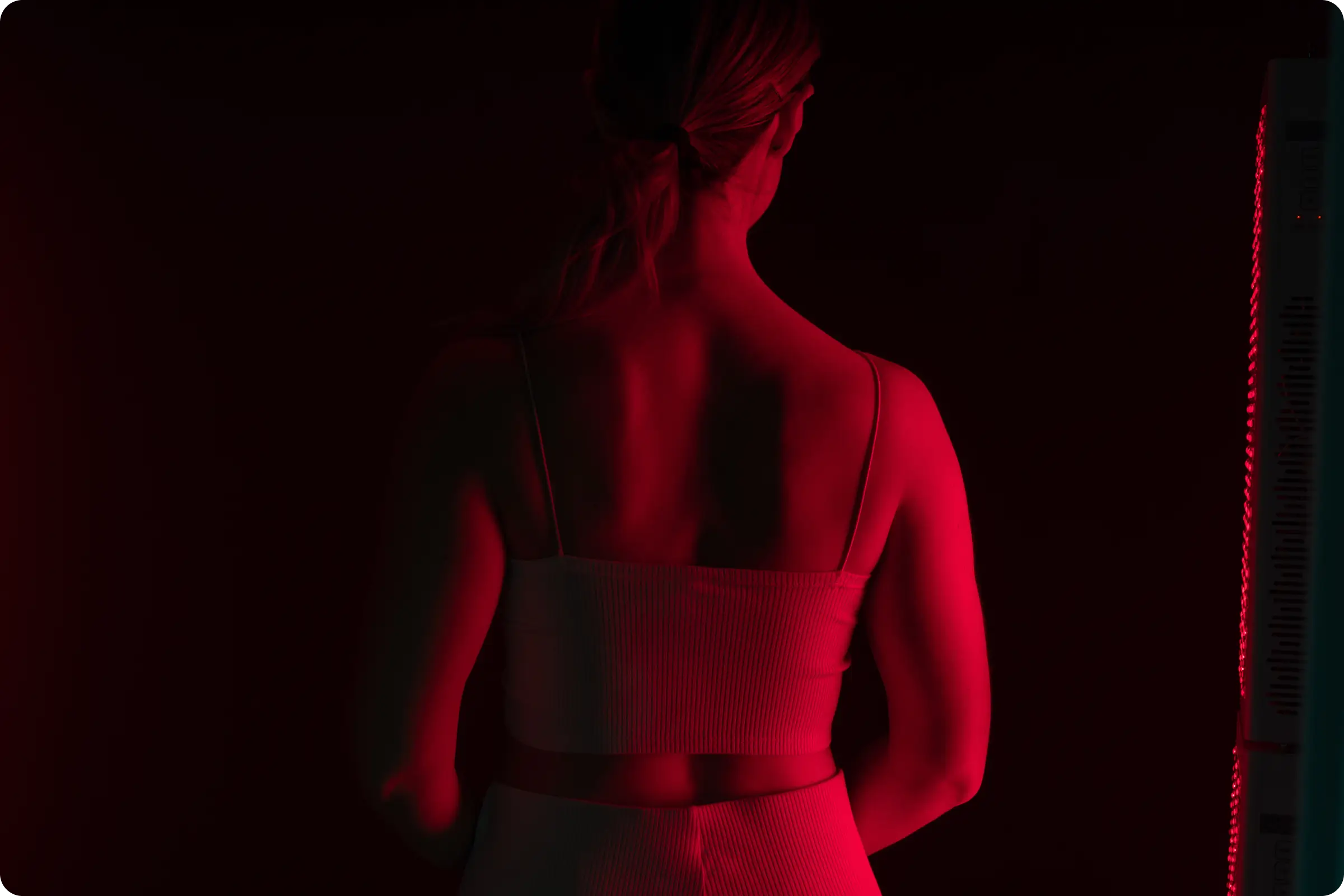
- Timing: Use red light 30 to 60 minutes before bed. This window aligns with the natural rise in melatonin that precedes sleep onset. Starting earlier, one to two hours before bed, is fine and may be more effective for people with delayed rhythms.
- Duration: Most protocols run 10 to 20 minutes per session for therapeutic devices. For red-tinted bulbs used as ambient lighting, duration can extend to the full evening wind-down period since intensity is lower.
- Intensity: Dim is better for sleep. A bright red light device used at high intensity can still delay sleep even without the blue light component. The goal is low-level, warm-toned illumination, not a high-intensity therapy session.
- Consistency: Most people need 2 to 3 weeks of consistent nightly use before sleep quality improvements become noticeable. Sporadic sessions produce weak, inconsistent results. Commit to at least 14 consecutive nights before evaluating whether it's working for you.
Device Options:
- Red-tinted light bulbs that eliminate blue and green light wavelengths, used as standard room lighting in the evening.
- Dedicated light panels or lamps for targeted 10 to 20-minute sessions.
- Portable red light devices for travel or targeted use.
Is Red Light Therapy Safe?
Potential side effects at higher intensities include mild eye strain, headaches, and skin irritation. Avoid looking directly into high-intensity red light devices.
People with photosensitive conditions, those taking photosensitizing medications, or anyone with existing eye conditions should check with a doctor before starting regular use. Pregnant women should also consult a healthcare provider.
At low intensities for ambient evening lighting, the risk profile is minimal. That said, the 2023 Pan et al. study found that red light worsened sleep for some participants. [6]
If your sleep decreases after starting red light use, stop and speak with a doctor rather than assuming the protocol needs adjustment.
Red vs. Blue vs. White Light at Night
Not all light affects sleep the same way.
- Blue Light: (400 to 490 nanometers) is the most disruptive. It strongly suppresses melatonin, increases alertness, and delays sleep onset. Phones, tablets, computers, and LED lighting are primary sources.
- White Light: Contains a broad spectrum including significant blue components. Standard household LED bulbs emit enough blue-spectrum light to disrupt melatonin when used in the evening.
- Green Light: It has also been shown to suppress melatonin and negatively affect your sleep, though to a lesser degree than blue light.
- Red and Amber Light: They have the least impact on melatonin production and circadian timing. They are the safest choices for evening lighting if the quality of your sleep is a priority.
After two hours of evening exposure, blue light kept melatonin suppressed at 7.5 pg/mL. Red light allowed recovery to 26.0 pg/mL.
The difference is not subtle, and it compounds every night you use the wrong light before bed. [7]
The practical implication is straightforward. Switching evening lighting from standard white LEDs to red or amber-tinted bulbs is one of the simplest environmental changes you can make to support better sleep.
Pairing Light and Temperature
Red light handles one side of the sleep environment equation. Temperature handles the other.
Your core body temperature needs to drop by one to two degrees to initiate and sustain deep sleep. A room that's too warm delays that process and shortens time in restorative sleep stages regardless of how well you've managed your light exposure.
The Chilipad regulates your bed temperature throughout the night, giving your body the consistent thermal environment it needs to reach deep sleep faster and stay there longer.
Combining deliberate light management with temperature control addresses both of the primary environmental variables that determine quality of sleep.
The Bottom Line
Red light therapy is a low-risk, evidence-supported way to create a more sleep-friendly environment in the evening. Its primary value is melatonin protection, not sleep induction.
Switching to red or amber light in the two hours before bed is one of the most accessible sleep environment changes available.
The evidence base is growing but still limited. Most studies are small. One study found it worsened sleep for some participants.
Manage expectations, give it at least two to three weeks of consistent use, and treat it as one part of a broader sleep environment approach rather than a standalone fix.