Key Takeaways
Sleepmaxxing is a social media driven approach to sleep that stacks daily habits, bedroom setup choices, and recovery tools to improve rest and overall health rather than relying on a single quick fix.
- Sleepmaxxing is a viral social media trend that focuses on sleep optimization through routines, lifestyle changes, supplements, and sleep products.
- The trend has gained traction as more people deal with sleep anxiety, increased screen time, and growing awareness of how rest impacts physical and mental health.
- Consistent habits may support better stress management, weight regulation, long-term metabolic health, and immune system function.
- Common sleepmaxxing tools include blackout curtains, magnesium supplements, mouth taping, weighted blankets, white noise, and cooling mattress toppers.
- The most effective sleepmaxxing strategies focus on proven fundamentals like consistency, light control, temperature regulation, and stress reduction rather than extreme hacks.
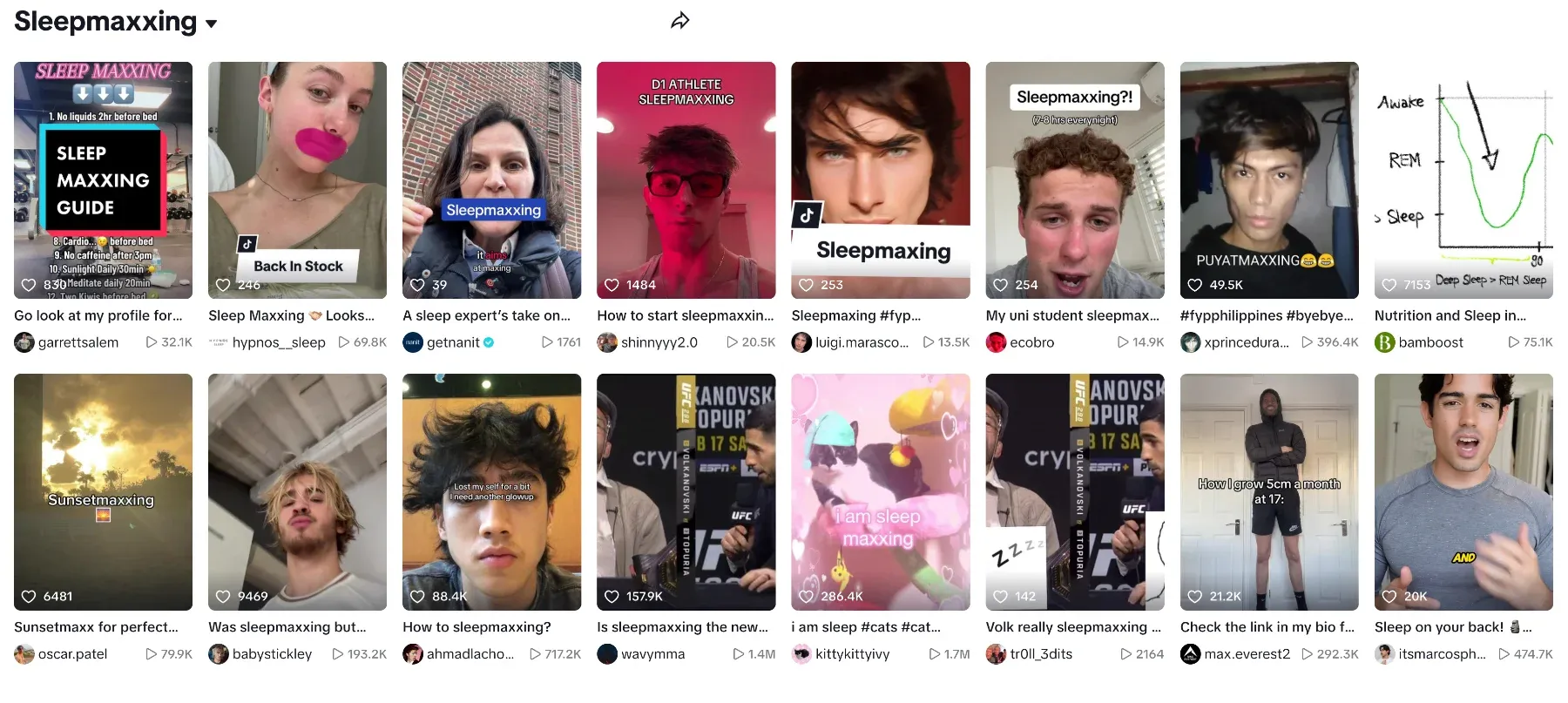
In recent months, a new wellness trend has taken TikTok by storm: sleepmaxxing. It's about getting the best sleep possible by stacking habits, products, and routines that work together rather than relying on any single fix.
With over 125 million posts about sleepmaxxing on social media, this social media trend has caught the attention of anyone looking for better sleep in a busy life.
Studies show over 20% of U.S. adults battle insomnia, and even more struggle with sleep on a monthly basis. [1]
That's a lot of people lying awake at night, which goes a long way toward explaining why a trend focused on sleep optimization has gone viral.
What is Sleepmaxxing?
Sleepmaxxing is sleep optimization applied to daily life. It pulls from sleep hygiene fundamentals, adds modern tools like sleep trackers and weighted blankets, and layers in habits around light, temperature, and stress to build a sleep environment that actually supports deep, restorative sleep and better sleep stages.
Sleep experts like Dr. Nerina Ramlakhan describe it as a way to prioritize restful sleep in a world that's actively working against it.
Urban light pollution, constant digital engagement, and the pressure of social media all disrupt circadian rhythm and melatonin production. Sleepmaxxing is the pushback.
The drive for perfect sleep has fueled experimentation with everything from evidence-based habits to viral hacks of questionable value. The key is knowing the difference.
Maximize Your Sleepmaxxing with the Chilipad 2.0
leepmaxxing without temperature control is just guessing. Chilipad 2.0 uses water-based cooling and heating to keep you in your optimal sleep temperature range all night long so every optimization you make actually stacks.
Why Does Sleepmaxxing Work?
At its core, sleepmaxxing is intentional sleep hygiene. It works because it addresses the most common disruptors of restful sleep and builds in practices that support the body's natural sleep-wake cycle.
Sleep matters more than most people act like it does. Consistent, adequate sleep supports weight regulation, stress reduction, immune system function, and a lower risk of chronic conditions like heart disease and Type 2 diabetes. [2]
The CDC recommends a minimum of seven hours per night for adults. Most people fall short and feel the effects without connecting them back to poor sleep.
The social media community effect. Sleepmaxxing spread because TikTok made sleep optimization feel accessible and relatable. Seeing other people share their sleep scores, routines, and results creates accountability that solo habit-building rarely produces. [3]
That social proof is part of why this viral social media trend has staying power beyond a typical moment.
It treats sleep as a system, not a single variable. Most sleep issues don't have one cause. Sleepmaxxing works when it addresses multiple variables at once.
Light exposure, bedroom temperature, stress, circadian rhythm, and pre-bed habits. Fix one and you get marginal gains. Stack several and the effect compounds.
Your Sleepmaxxing Checklist
These are the tools and habits that consistently come up in expert recommendations and scientific evidence. Not all of them will apply to everyone, but the best sleepmaxxing stacks start here.
Magnesium Supplements
Research links magnesium intake to longer sleep duration and better restful sleep. [4] Magnesium supports sleep by influencing the neurotransmitters that regulate sleep onset.
Foods like leafy greens, nuts, and seeds are good natural sources. Supplements are worth discussing with a doctor before starting, particularly if you take other medications.
White Noise
A consistent sound environment masks disruptive noises like traffic, snoring, or unpredictable ambient sound. Research supports white noise for improving the ability to fall asleep and stay asleep, particularly in noisy environments. It can also help people with tinnitus.
A fan, a dedicated machine, or an app all work. The consistency of the sound is what matters, not the source.
Sleep Trackers
Sleep trackers give you data on sleep stages, REM cycles, heart rate variability, and sleep scores that are otherwise invisible. That data is most useful for spotting patterns over time, not for obsessing over individual nights.
Sleep tracking devices are not diagnostic tools for sleep disorders. Use them for trends, not as a nightly report card.
Creating Bedtime Rituals and Routines
A consistent bed routine is one of the most evidence-backed sleepmaxxing habits. It trains your circadian rhythm to expect sleep at a predictable time and lowers the arousal that makes it harder to fall asleep.
Herbal teas, gentle stretching, journaling, and breathing exercises all work. Consistency is what makes them effective.
Kiwi is worth a mention here. Studies suggest eating two kiwi fruits about an hour before bed may shorten sleep onset time and improve sleep duration, possibly due to their serotonin content. A simple, low-cost addition to a bedtime ritual that has emerging scientific evidence behind it.
Using Blue Light Glasses
Blue light from screens signals the brain that it's daytime, suppressing melatonin production and delaying sleep onset. Blue light-blocking glasses filter some of that disruptive light without requiring you to put down the phone entirely.
Cutting screen time before bed is better. Blue light glasses are a practical middle ground for people who can't.
Avoid Heavy Meals Before Bed
Eating a large meal close to bedtime forces your digestive system to stay active when your body should be winding down into deep sleep. The core principle here is to finish eating at least two to three hours before bed.
Spicy foods and alcohol are worth limiting in the evening too, as both are common triggers for nighttime waking and disrupted sleep stages.
Mindfulness and Meditation
Ever feel like your brain just won't shut off at night? That's where mindfulness and meditation come in. Focused breathing exercises and body scan meditations quiet racing thoughts and lower cortisol before sleep.
Even five minutes consistently done is more effective than a longer session done twice a week.
Weighted Blankets
Weighted blankets use deep pressure stimulation to reduce anxiety and support relaxation at bedtime. Research on their effectiveness for sleep is still developing.
But consistent user reports point to reduced sleep onset time and a greater sense of calm, particularly for people who find it hard to fall asleep due to anxiety or restlessness.
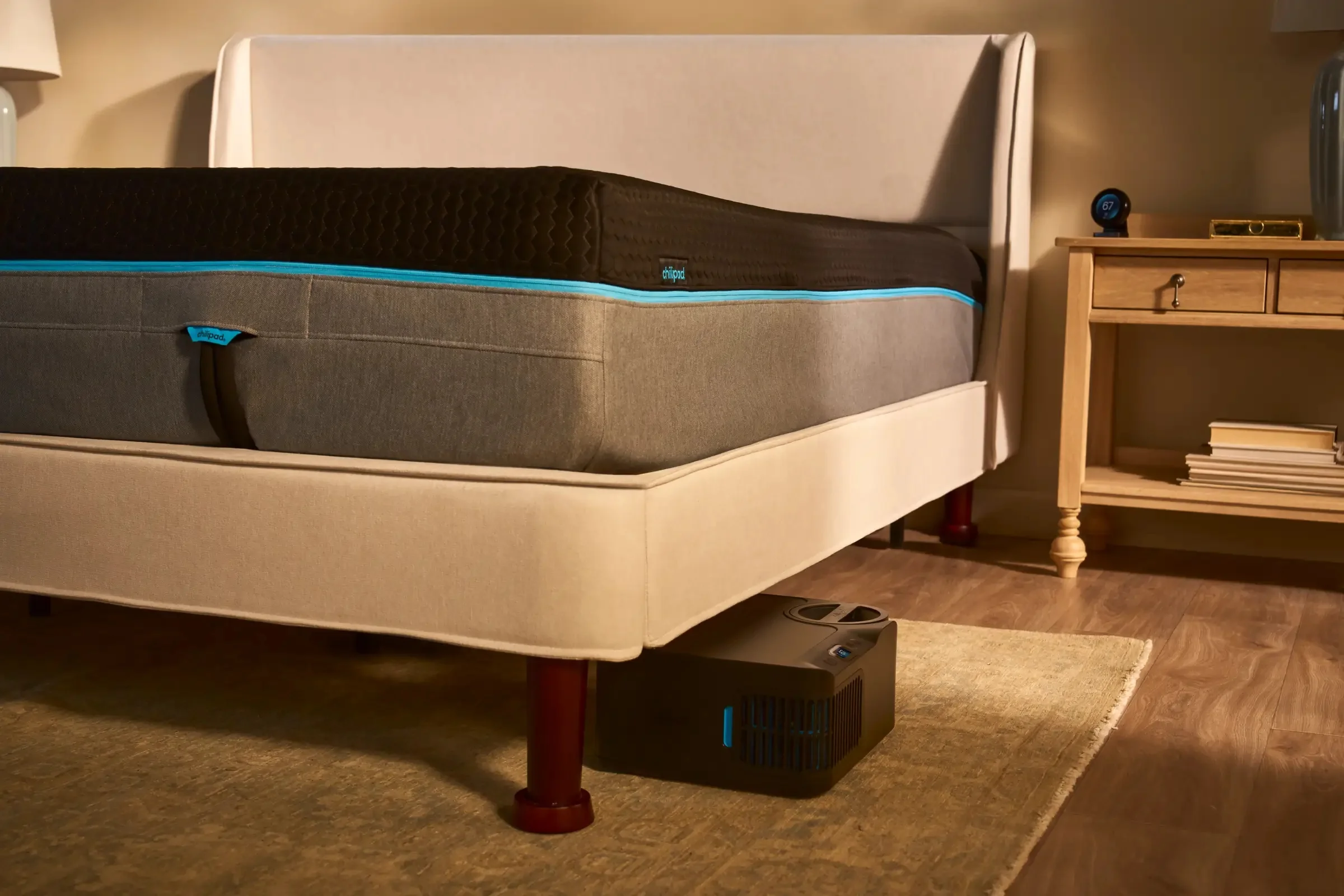
Temperature Control
This is the sleepmaxxing variable most people haven't fully addressed. Your body needs to drop its core temperature by one to two degrees to enter and sustain deep sleep stages, including slow-wave and REM sleep.
A dark bedroom and a cool room, ideally between 60 and 67ºF, help. But room cooling has a ceiling.
The Chilipad 2.0 regulates your bed surface temperature all night, which is where your body's heat exchange actually happens.
Water conducts heat away from the body far more efficiently than air. That's why active cooling produces better REM and deep sleep outcomes than passive methods alone.
Potential Risks of Sleepmaxxing
Sleepmaxxing done well is just good sleep hygiene with better tools. Sleepmaxxing done poorly can backfire.
Orthosomnia
An obsessive focus on achieving perfect sleep can create anxiety that wrecks the thing you're trying to fix. Obsessively checking sleep scores, feeling stressed about sleep metrics, and treating every night as a test is called orthosomnia.
It traps you in a stress cycle that works directly against restful sleep. The goal is better sleep, not perfect sleep data.
Mouth taping and unproven hacks.
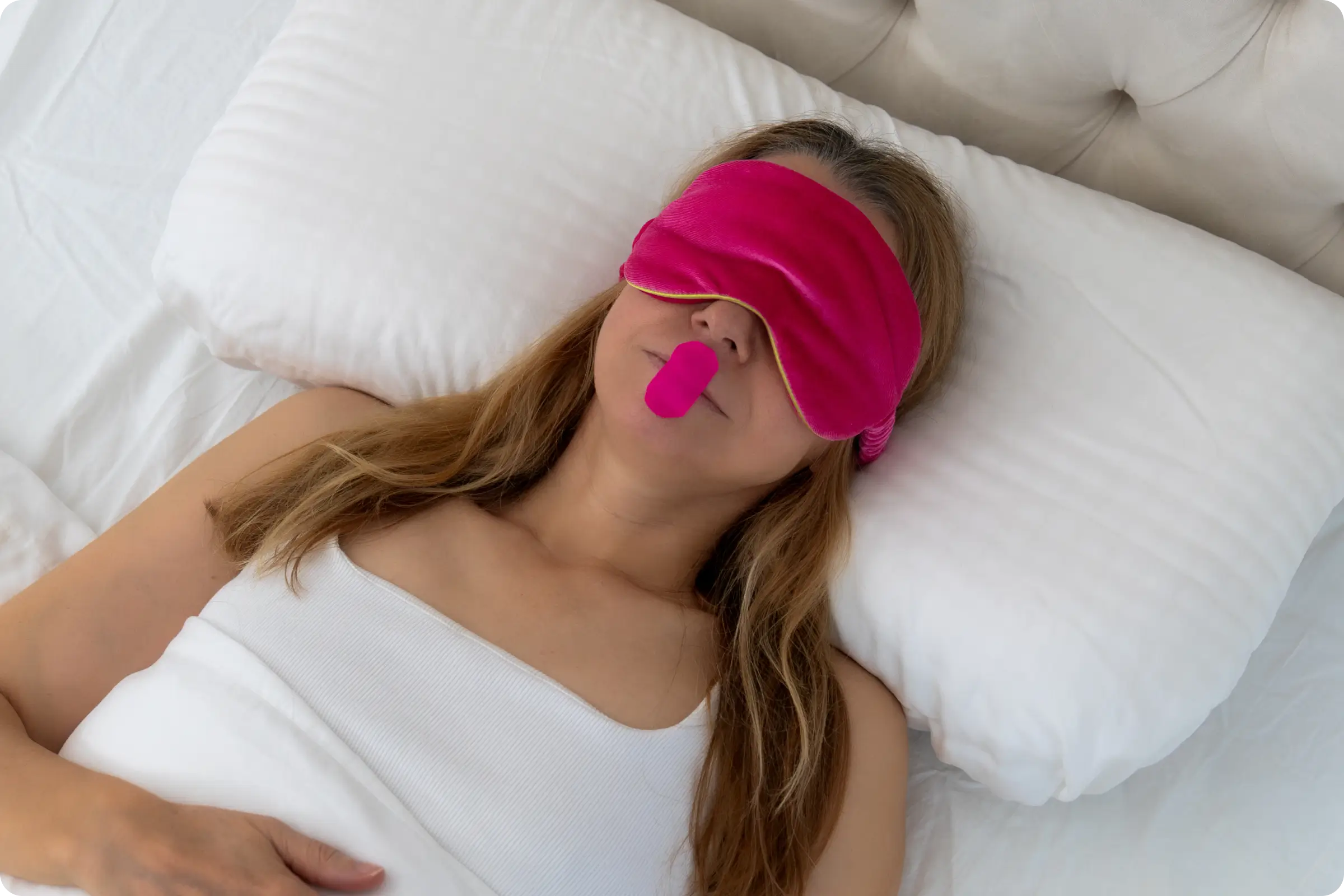
Mouth taping is intended to promote nasal breathing during sleep by keeping the mouth shut. Some people find it helpful. For people with sleep apnea or any nasal obstruction, mouth taping can be dangerous.
It has limited scientific evidence behind it. If you're considering mouth taping, talk to a doctor first, particularly if you snore, wake up gasping, or have any diagnosed breathing condition.
Mouth breathing during sleep is worth addressing, but through a clinician, not a TikTok hack.
Over-relying on Sleep Aids
Melatonin and other sleep supplements can be useful for occasional sleep issues or jet lag. They shouldn't be a long-term substitute for addressing the root causes of poor sleep.
Lifestyle adjustments, consistent habits, and behavioral changes produce more durable results.
Tips for Better Sleep
In addition to sleepmaxxing practices, incorporating basic sleep hygiene can significantly enhance sleep quality. Below are just a few practical tips:
- Create a Comfortable Bedroom
- Limit Caffeine and Alcohol Intake
- Engage in Regular Physical Activity
- Practice Relaxation Techniques
For a full list, take a look at our blog that mentions the best tips on how to improve your sleep.
The Bottom Line
Sleepmaxxing reflects something real. A lot of people have sleep issues, and the tools and habits that help are more accessible than ever.
The trend works when it stays grounded in scientific evidence and proven fundamentals. A consistent sleep schedule, a cool and dark bedroom, controlled blue light exposure, and stress management produce results.
Weighted blankets, sleep trackers, and magnesium are reasonable additions. Viral hacks with no scientific backing and potential health risks are not.
Don't chase perfect sleep data. Chase consistent, restful nights. Those compound in ways that show up in your energy, mood, immune system, and long-term health in ways that a single good night never will.
If sleep issues persist despite consistent effort, talk to a healthcare professional. Chronic insomnia and sleep apnea need clinical evaluation, not another product.
Sleepmaxxing Frequently Asked Questions
What Is Sleepmaxxing?
Why Has Sleepmaxxing Gone Viral?
What Are the Most Effective Sleepmaxxing Tools?
Are There Risks to Sleepmaxxing?
How Is Sleepmaxxing Different From Regular Sleep Hygiene?
Disclaimer: This blog is for informational purposes only and is not a substitute for professional medical advice, diagnosis, or treatment. Always talk to your healthcare provider about your symptoms, conditions, or treatment options.