
Key Takeaways
For most side sleepers, the left side has more going for it, but which side is better for you depends on your body, your health, and what you are actually dealing with at night..
- Sleeping on your side helps keep the spine aligned, which may reduce back pain and morning stiffness.
- Side sleeping has been linked to brain health by supporting the body's natural waste-clearing process during sleep.
- Side sleeping has been linked to brain health by supporting the body’s natural waste-clearing processes during sleep.
- Poor alignment while side sleeping strains the neck and shoulders, making pillow choice more important than most people think.
- For many people, including those who are pregnant, sleeping on the left side is generally considered the most supportive position.
The Short Answer
For most people, the left side. Left side sleeping supports digestion, reduces acid reflux, eases pressure on major blood vessels, and is the standard recommendation during pregnancy. Right side sleeping has advantages for some cardiac conditions and for anyone transitioning away from back sleeping. Which side is better for you depends on what you are dealing with at night.
Most adults are side sleepers. A study tracking real sleep behavior found that people spend about 54% of the night sleeping on their side. [1]
If that's you, the question isn't really whether to sleep on your side. It's which side should you sleep on, and whether your current setup is working for or against you.
The left versus right debate is not just a preference question. The two sides produce genuinely different outcomes for digestion, circulation, acid reflux, and airway function.
Here is what the research says and how to figure out which side makes sense for you.
Which is the Best Side to Sleep On?
If you’re a side sleeper, consider sleeping on your left side. Sleeping on your left side has plenty of health benefits compared to sleeping on your right side.
For example, people who experience heartburn can find that sleeping on their left side can offer significant relief. It helps reduce acid reflux symptoms, supports lymphatic drainage, and even aids digestion during sleep. [2]
It can also enhance circulation and allow the brain to filter out waste, due to the way internal organs are positioned in the human body.
That said, it’s important to note that sleeping in a non-fetal position on your left side is critical to reaping these benefits.
Is Sleeping on Your Right Side Better?
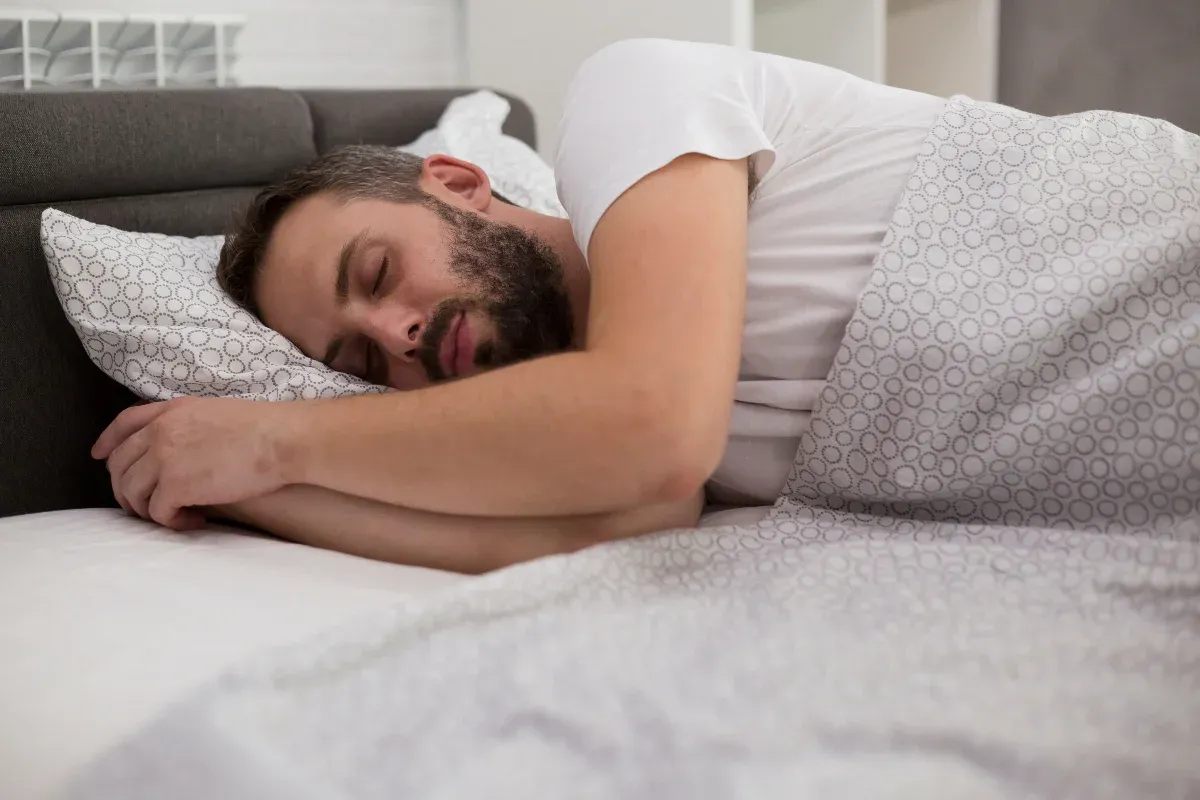
For some people, yes. Right side sleeping has its own specific advantages and is not simply the worse option across the board.
Right side sleeping can reduce pressure on the heart in a different way than left side sleeping does, which some people with certain cardiac conditions find more comfortable.
It may also help reduce snoring for people transitioning from back sleeping, since any side position keeps the tongue and soft tissue from collapsing back into the airway.
The main downside is for acid reflux. When you lie on your right side, the lower esophageal sphincter, the valve between the stomach and esophagus, relaxes more easily.
That allows stomach acid to move upward, which worsens reflux symptoms. If heartburn is a regular nighttime issue, the right side is likely making it worse.
Benefits of Sleeping on Your Right Side
- May Ease Heart Pressure Differently. Some people with cardiovascular concerns find the right side more comfortable because it reduces the weight the heart pumps against in a different way than the left.
- Can Reduce Snoring. Side sleeping in general keeps the airway more open than back sleeping. If you are transitioning from back to side sleeping, either side helps.
- Comfortable for Some Digestive Conditions. While left side sleeping is generally better for acid reflux, some people with specific gastrointestinal issues find more comfort on the right. Individual variation exists.
Which Side Should You Sleep on For Specific Conditions?
Not everyone is choosing a side for the same reason. Back pain, heartburn, pregnancy, and snoring all point to different answers. Here is what the research says for each.
Back Pain
Back pain and sleep have a complicated relationship. Research suggests people with chronic back pain are more likely to deal with poor sleep, though the link between sleep position and pain is not fully settled. [3]
For side sleepers with back pain, the most consistently helpful adjustment is a pillow between the knees. This keeps the hips stacked, reduces rotation in the lower spine, and takes pressure off the lumbar vertebrae.
A thin pillow works better than a thick one, which can push the top knee too high and create a different strain.
If back pain is severe or persistent, a doctor or physio is the right resource. Sleep position can help at the margins, but it is not a substitute for addressing the underlying cause.
Digestion and Acid Reflux
Sleep on the left side. This is the most consistent finding in the research on sleep position and digestion. The anatomy of the stomach and the position of the lower esophageal sphincter both work in your favor on the left side. Gravity keeps acid down.
The junction between the stomach and esophagus stays above the acid line. [2] If you regularly reach for antacids before bed, this is the most practical, zero-cost change to try first.
Pregnancy
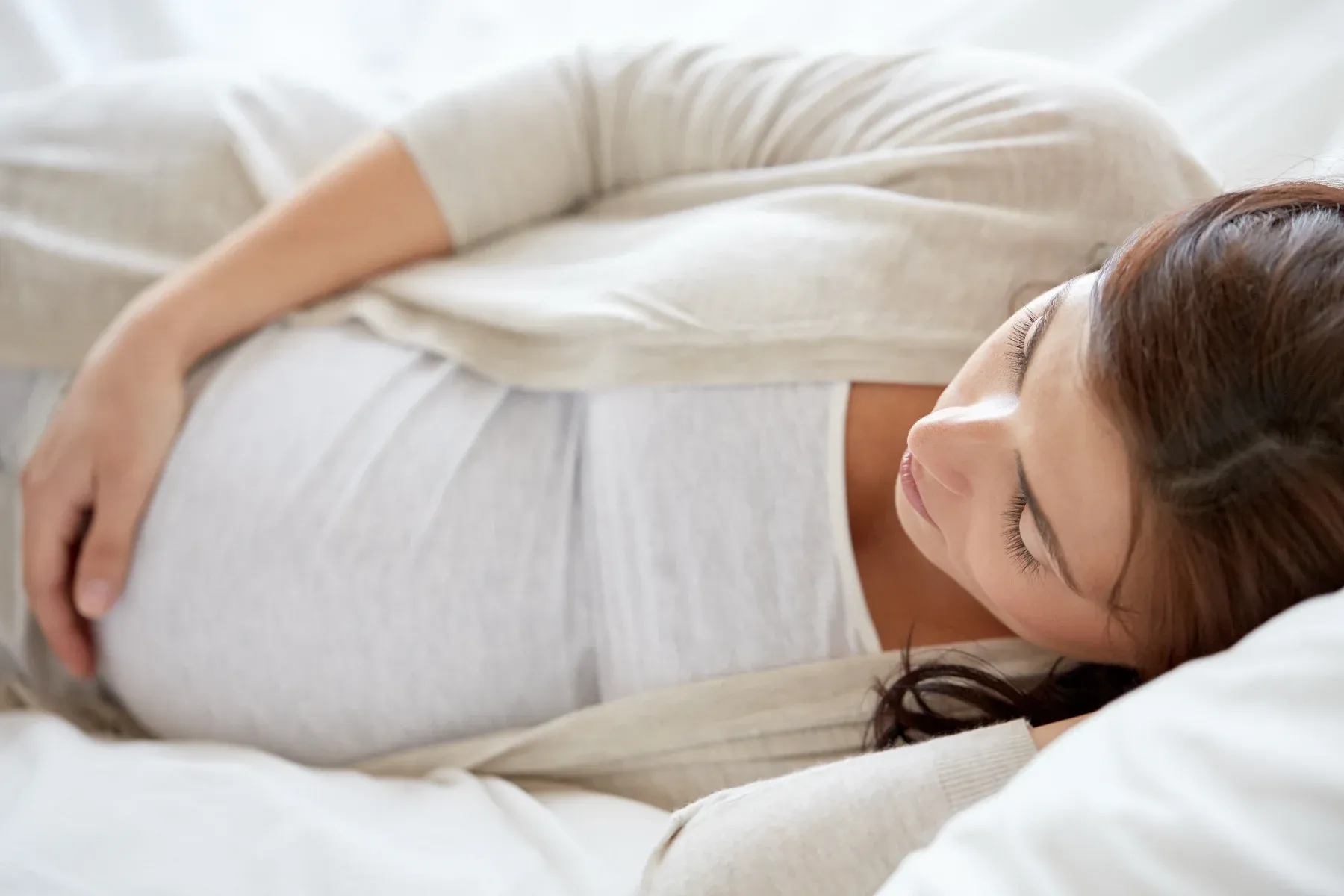
Left side sleeping is the standard recommendation from the second trimester onward. It supports blood flow to the uterus, kidneys, and baby, and reduces pressure on the liver, which sits on the right side.
A body pillow supporting the bump and a pillow between the knees makes the position significantly more comfortable to hold through the night.
Sleep Apnea and Snoring
Any side sleeping position improves airway function compared to back sleeping, since it prevents the tongue and soft tissue from falling backward into the throat. [4]
For position-dependent sleep apnea, where symptoms are worse on the back, side sleeping is a frontline intervention. [5]
Whether left or right makes a meaningful difference for sleep apnea specifically is less clear. The bigger variable is staying off your back.
Side Sleeper? Your Temperature Setup Matters Too.
Your sleep position is only half the equation. If you are shifting around at night because you are too hot or too cold, no position is going to feel right for long. The Chilipad 2.0 keeps your side of the bed at your exact temperature all night, independent of your partner's side.
Overall Benefits of Side Sleeping
Curious why so many people sleep on their side? It turns out, this position offers a surprising array of health and comfort perks, including:
Spinal Alignment
Side sleeping supports a neutral spine position when done correctly. The key variables are pillow height, which should keep the head aligned with the spine rather than angled up or down, and a pillow between the knees, which keeps the hips from rotating and pulling the lower back out of alignment.
A medium-firm mattress tends to work better for side sleepers than a very firm one, which creates too much pressure at the shoulder and hip, or a very soft one, which lets the spine curve downward.
Brain Waste Clearance
This is one of the more compelling reasons to be a side sleeper. Research suggests the brain's glymphatic system, which clears metabolic waste during sleep, works more efficiently in a side sleeping position compared to back or stomach sleeping. [1]
This process has been linked to long-term brain health and may play a role in reducing the risk of neurodegenerative conditions over time.
Reduce Heartburn
Left side sleeping uses gravity to keep stomach acid where it belongs. If heartburn has been waking you up, switching to sleep on the left side is one of the most direct and evidence-backed adjustments you can make before reaching for medication.
Who Should Be Cautious About Side Sleeping?
Side sleeping is not perfect for everyone. The most common issues are pressure-related and fixable with the right setup.
- Shoulder and Neck Pain. Lying on the same shoulder every night compresses it for hours at a time. If you wake up with shoulder soreness or neck stiffness, the culprit is usually pillow height. A pillow that keeps your head perfectly level with your spine takes most of the strain off.
- Hip Discomfort. Without a pillow between the knees, the top hip drops forward and rotates the lower spine. Over time this causes hip and lower back pain that gets blamed on everything except the sleep position.
- Jaw Tension. If your head is not well supported, side sleeping can add pressure to the jaw, particularly if you tend to clench. A properly fitted pillow that supports the full length of the neck and head reduces this.
- Numbness and Tingling. Compressed nerves or restricted blood flow from lying on one side can produce pins-and-needles sensations in the arms or legs. Rotating sides during the night naturally reduces this, and most people do it without thinking.
- Chronic Shoulder Conditions. If you have a rotator cuff injury or other shoulder pathology, sleeping on the affected side is likely making recovery harder. A physio or orthopaedic clinician can advise on positioning.
Tips for Side Sleepers
If you want to get more out of side sleeping or you are trying to shift away from stomach or back sleeping, these adjustments make the biggest difference.
- Keep Your Sleep Environment Cool. Temperature matters as much as position for sleep quality. The Chilipad 2.0 keeps your bed surface at the temperature your body needs all night, which helps you stay in whatever position you've settled into rather than shifting around because you're uncomfortable.
- Get Your Pillow Height Right. This is the single most impactful change. Your head should be level with your spine, not angled up or dropping down. If you regularly wake up with a stiff neck, your pillow is the first thing to change.
- Put a Pillow Between Your Knees. Keeps the hips stacked, reduces lower back rotation, and takes pressure off the lumbar spine. A thin to medium pillow works better than a thick one.
- Use a Body Pillow if Needed. A body pillow gives your top arm and leg something to rest on, reducing the urge to drape them across your body in a way that twists the spine.
- Rotate Sides. Staying on the same side every night concentrates pressure at the same shoulder and hip. Rotating between left and right distributes that load.
- Choose the Right Mattress Firmness. Medium-firm tends to work best for side sleepers. Too firm creates pressure points at the shoulder and hip. Too soft lets the spine sink into a curve.
The Bottom Line
Which side should you sleep on? For most people, the left side has a longer list of benefits, particularly around digestion, acid reflux, circulation, and pregnancy comfort. But right side sleeping is not wrong, and for some conditions it is genuinely better.
The bigger question for most side sleepers is not left versus right. It is whether their setup, pillow height, knee support, mattress, and sleep temperature, is working with their body or against it. Get those variables right and either side works better than it does without them.
Side Sleeping Frequently Asked Questions
Is Sleeping on Your Left Side Better Than Your Right?
Is Side Sleeping Good for Everyone?
How Do I Train Myself To Sleep On My Side?
How To Switch From Stomach To Side Sleeping?
Which Side Should You Sleep On for Digestion?
Disclaimer: This blog is for informational purposes only and is not a substitute for professional medical advice, diagnosis, or treatment. Always talk to your healthcare provider about your symptoms, conditions, or treatment options.