Key Takeaways
Colored sound machines use specific noise profiles to block disruptions, calm the nervous system, and support deeper, more consistent quality sleep.
- Sound machines help mask sudden or disruptive noises, making it easier to fall asleep and stay asleep through the night.
- Different sound profiles distribute audio frequencies in ways that can feel calming, grounding, or mentally soothing depending on the listener.
- Consistent background sound helps the brain relax by reducing sensitivity to unpredictable noise spikes.
- Sound machines are commonly used to support sleep challenges including insomnia, tinnitus, stress, noisy environments, and nighttime restlessness.
- The most effective sound color is personal. Testing a few options helps identify what improves sleep quality most for you.
The Short Answer
Colored sound machines work by playing a steady background sounds that masks disruptive sounds and gives the brain a consistent, predictable audio environment to settle into.
Different noise colors, white, pink, brown, and green, distribute sound frequencies differently, which is why some people find one more calming than another.
Most people notice a difference on the first night, with the full sleep benefit building over the first week of consistent use.
Falling asleep should not feel like a battle with background disturbances. From traffic and barking dogs to snoring and household sounds, distractions can make it harder to wind down and stay asleep.
That's where a sound machine comes in.
Different colors of sound like white, pink, brown, and green each create a unique listening experience. Colored noise for sleep works by matching the right frequency profile to what your brain needs to settle down.
Some colors help block unwanted noises. Others calm the mind or support deeper sleep.
Here's a breakdown of what each sound feels like, who tends to sleep best with it, and how to pick the one that helps improve the quality of your sleep.
What Are Colored Sound Machines?
Sound machines have become a bedtime staple for many adults and parents looking to create a better sleep environment. But not all sounds are the same. Some offer a variety of colored noises, each with its own profile and benefits.
These machines play specific types of noise. White, pink, brown, or green help mask background sounds, calm the mind, and make falling and staying asleep easier for most people.
Sound Handles the Noise. Chilipad Handles the Heat
A sound machine quiets the room. Chilipad 2.0 takes care of the other reason people wake up at night. Together, they cover the two biggest physical barriers to deep, uninterrupted sleep.
Why Use Sound Machines for Sleep?
If unwanted noises keeps pulling you out of sleep, whether it's barking dogs, traffic, or a snoring partner, you're not alone. Sound machines help smooth out those disruptions by:
- Masking sudden or disruptive noises
- Creating a consistent, calming sounds
- Helping both adults and children fall asleep faster and stay asleep longer
- Supporting relaxation, meditation, and focus during the day
Research shows that sound machines can reduce the time it takes to fall asleep and improve overall sleep quality for most people. [1]
They're useful in homes with babies, people with tinnitus, shift workers, college students, or anyone living in a noisy environment.
Approximately 18% of people in the US use a dedicated sound machine or app to help them sleep. [2]
How Different Colors Affect Your Sleep
The color of noise refers to its sound profile, specifically how sound energy is distributed across different frequencies. Below is a breakdown of the most common sound colors used in sleep machines.
White Noise
White noise for sleep is the most familiar of the colored sounds. It contains all audible frequencies at equal intensity, which makes a fan sound, static, or a humming air conditioner.
Because it spans such a wide range of frequencies, white noise is effective at masking sudden, disruptive sounds. Car horns or slamming doors fade into the background instead of pulling you out of sleep.
In fact, 38% of parents choose to use a white noise machine to improve sleep quality for their children.
White noise tends to work best for:
- Blocking out a wide variety of background sounds
- Both adults and babies
- People who prefer a steady, neutral background sound
Blue Noise
Blue noise sits at the higher end of the frequency spectrum, the opposite of brown noise. Where brown noise rumbles low and deep, blue noise emphasizes higher frequencies.
This gives a sharper, more present quality, closer to the hiss of water spraying from a showerhead or the crackle of static electricity.
It is less commonly used for sleep than white or brown noise, but some people find it useful for masking high-pitched, sudden sounds like a car alarm or a slamming door, the kind of sharp intrusions that pull you out of lighter sleep stages.
Blue noise tends to work best for:
- Masking sudden, high-pitched sounds that disrupt sleep
- People who find deeper noise profiles too heavy or distracting
- Anyone who responds better to a crisp, present sound over a low rumble to block out external noise
Pink Noise
Pink noise is similar to white noise but places more emphasis on lower frequencies, giving it a deeper, smoother sound. It’s a great sound to improve your deep sleep.
The key difference comes down to how sound energy is distributed across frequencies from 20 Hz to 20,000 Hz. White noise delivers equal intensity at every frequency, which is why it sounds like static.
The sound of pink noise distributes energy evenly by octave, reducing the higher frequencies and creating a more balanced, natural sound.
Think of steady rain, wind through trees, or distant ocean waves. Pink noise is often described as softer and more soothing than white noise. For the 15% of people who find white noise too sharp, pink noise offers a gentler alternative.
Some studies suggest that pink noise can support deeper sleep and improve memory consolidation overnight. [4]
Pink noise tends to work best for:
- People who want to support deep, restful sleep
- Those sensitive to high-pitched sounds
- Anyone who prefers a natural, gentle background
Brown Noise
Brown noise, sometimes called Brownian or red noise, leans heavily into deep, low-frequency sound, giving it a steady, full rumble.
Many people compare Brown noise to distant thunder, a strong waterfall, or a train rolling far away. It is often described as rich, earthy, and grounding, making it easier to relax without sharp or distracting tones.
Roughly 50% of Gen Z adults now say they can't sleep without a background sound, a shift largely driven by the rising popularity of deep-frequency brown noise.
Brown noise tends to work best:
- People who want a deep, soothing background sound
- Those who find other noise profiles too bright or sharp
- Stress relief and relaxation before bed
Green Noise
Green noise for sleep is less common in sound machines but gaining popularity, particularly among people who respond well to nature sounds. It mimics natural environments like a gentle stream, rustling leaves, or a soft breeze.
It falls between white and pink noise, with a focus on the frequencies most common in natural outdoor settings.
Green noise tends to work best for:
- Creating a natural, outdoor feel in the bedroom
- People who relax best with nature sounds
- Meditation and mindfulness practices before sleep
How to Choose the Right Sound Color
Since everyone's brain responds to sound a little differently, the best noise color for sleep is the one that works for you. Here's how to narrow it down.
- Think about what you're trying to block. If you need to mask a wide range of sounds like city noise or a loud building, white noise covers the most frequency ground. If higher-pitched sounds bother you more, pink or brown noise are worth trying first.
- Consider how you respond to the sound. Some people find white noise too sharp or clinical. Pink and brown noise are generally described as warmer and more soothing. If one doesn't feel right after a few nights, move to the next.
- Test it with your household. What helps you sleep at night might not work for your partner or kids. Try a few different options and notice what each person responds to.
- For babies and young children. White and pink noise are both popular choices, but always keep the volume control low and position the machine several feet from the bed to protect developing hearing. [6]
Managing Sleep Challenges With Sound
Sound machines are often used as a non-pharmacological tool to reduce sleep disruptions. Here is how different sound colors help with specific sleep challenges.
- Insomnia. A predictable, rhythmic audio environment reduces the time it takes to fall asleep, a measure researchers call sleep onset latency. It also provides a mental anchor that helps quiet racing thoughts.
- Tinnitus. Sound therapy from a machine masks the internal ringing or buzzing that makes silence feel distressing. The consistent background sound draws attention away from the internal noise without requiring any medication.
- ADHD-related sleep difficulty. For people with ADHD, white or brown noise can provide enough low-level stimulation to satisfy the brain's need for input, allowing the rest of the mind to settle toward sleep rather than seeking out distractions.
- CPAP users. Many sleep apnea patients use sound machines to mask the rhythmic hum or air noise of their CPAP machine, helping both the patient and their partner sleep through the night.
Tips for Using Sound Machines Safely
A few simple habits make sound machines more effective and protect hearing for the whole household.
- Keep the volume moderate. Experts recommend staying below 50 decibels, roughly equivalent to a quiet conversation, for sustained overnight use. [7]
- Do not place the machine directly next to your head or a child's crib.
- Use a timer if the machine supports it. Running sound all night is generally safe, but a timer lets you test shorter windows first.
- If anyone in the household seems bothered by a particular sound, try a different color or lower the volume before switching machines entirely.
Pairing a Sound Machine With Chilipad 2.0
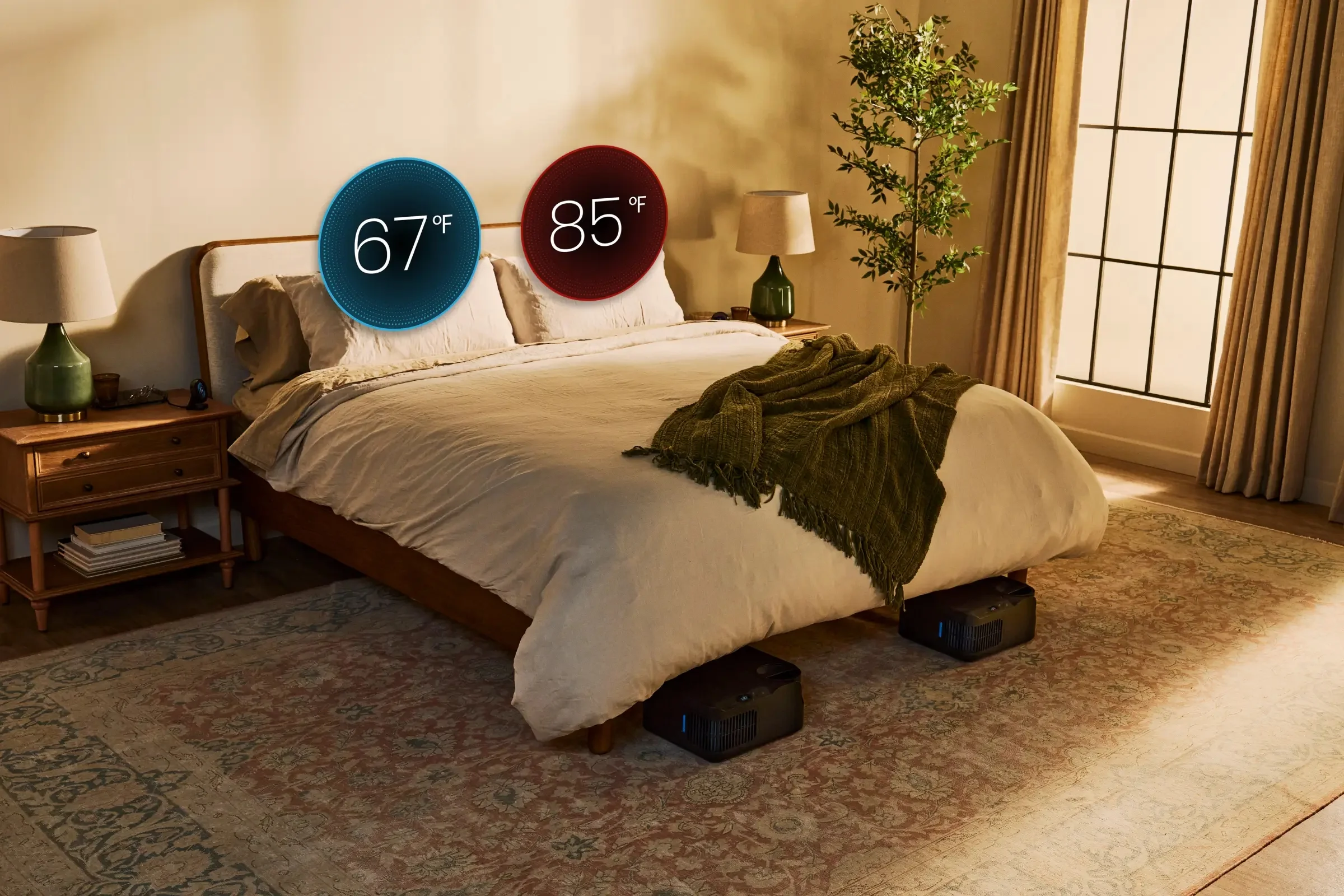
Sound machines handle the audio environment. The Chilipad 2.0 handles the temperature.
A cool, quiet sleep space addresses the two most common physical reasons people wake up at night, disruptive sound and an uncomfortable bed temperature.
While a sound machine masks noise and settles the brain, the Chilipad 2.0 regulates your bed surface from 55 to 115ºF all night so your body stays in the thermal range it needs for deep, restorative sleep.
The Bottom Line
Colored noise for sleep is one of the lowest-effort, highest-return changes you can make to your sleep environment. They are often used to help individuals who are having trouble sleeping.
Pick one, give it a week, and let your brain do the rest.
Whether white noise works best for blocking city sounds, pink noise helps you settle into deeper sleep, brown noise grounds a restless mind, or green noise recreates the calm of being outdoors, there is a sound profile for most people.
The only way to know which one works for you is to try a few. Give each one at least three nights before moving on.
Your brain adapts faster than most people expect, and what feels unfamiliar on night one often becomes the thing you can't sleep without by night four.
Frequently Asked Questions About Pink Noise for Sleep
How Do Colored Sound Machines Help With Sleep?
Which Noise Color Has the Highest Frequency?
Can I Use a Sound Machine Every Night?
Are Sound Machines Safe for Children?
How Long Before You Notice Better Sleep With a Sound Machine?
Disclaimer: This blog is for informational purposes only and is not a substitute for professional medical advice, diagnosis, or treatment. Always talk to your healthcare provider about your symptoms, conditions, or treatment options.