Key Takeaways
Sleep is where athletic gains are made or lost. Every hour of missed sleep is working against every session you put in.
- Sleep deprivation is one of the most common and most ignored barriers to athletic progress.
- Growth hormone output drops sharply with insufficient sleep, slowing muscle repair and fat metabolism between sessions.
- Cortisol rises when you are underslept, creating a catabolic environment that breaks muscle down rather than building it up.
- Strength, power, and endurance all measurably decline with even mild sleep restriction, often before you feel tired.
- Reaction time on poor sleep is comparable to being legally drunk. A serious problem for any sport with speed or coordination demands.
- Cooling your sleep environment to between 60 and 67 degrees Fahrenheit directly supports the deep sleep stages where physical recovery happens.
You are training consistently. You are hitting your protein. You have the pre-workout, post-workout, foam roller, and cold plunge dialed in.
And yet something is not adding up. If sleep is not on that list, that is your answer.
Sleep deprivation is quietly working against every adaptation you are chasing. Not because you feel wrecked. You probably feel fine. That is the problem.
The damage happens well before you notice it, and by the time you do, you have already lost weeks of potential progress.
 What Happens to Your Body When You Do Not Sleep Enough
Sleep is not downtime. It is the primary window your body uses to repair, rebuild, and adapt to the stress you put it through during training.
When that window gets cut short, the entire recovery process gets cut short with it.
Growth Hormone Drops
The majority of your daily growth hormone output happens during slow-wave Deep Sleep. Growth hormone drives muscle protein synthesis, fat metabolism, and tissue repair.
Sleep fewer than seven hours and that output drops meaningfully. Sleep five or six hours regularly and you are operating with a fraction of the hormonal environment your training demands.
Cortisol Rises
Sleep deprivation is a physiological stressor, and your body responds to stress by producing cortisol. Elevated cortisol is catabolic. It breaks muscle tissue down.
The harder you train and the less you sleep, the worse this ratio gets. You are simultaneously creating more demand for recovery and reducing your body's capacity to deliver it.
Testosterone Falls
A University of Chicago study found that men who slept five hours per night for one week had testosterone levels 10 to 15% lower than their well-rested baseline. [3]
Testosterone is not just a performance hormone. It is a recovery hormone. Lower testosterone means slower repair, less drive, and reduced adaptation from every session you put in.
Protein Synthesis Slows
Even with adequate dietary protein, your body's ability to use that protein for muscle repair is compromised by poor sleep. The anabolic signaling pathways that drive muscle growth are blunted when sleep is insufficient.
You can eat all the chicken and rice you want. If you are not sleeping, you are leaving most of that work on the table.
Train Hard. Sleep Harder.
Your training is only as good as your recovery. The Chilipad 2.0 keeps your bed at the exact temperature your body needs to hit deep sleep faster and stay there longer. Every night. All night.
The Performance Hit Is Bigger Than You Think
Most athletes underestimate sleep deprivation's impact on performance because it does not feel dramatic in the moment.
You show up to the gym, you go through the session, it feels normal. But the data tells a different story.
Strength and Power Decline
Research on sleep-restricted athletes consistently shows reductions in maximal strength output, peak power, and time to exhaustion. [1]
Even one night of poor sleep produces measurable drops. A week of it and the deficit compounds fast.
Endurance Tank
Sleep deprivation increases the perceived effort of sustained exercise. The same pace or load feels harder, meaning you either slow down, back off, or push through at a higher physiological cost. Neither is a good outcome.
Reaction Time Diminishes
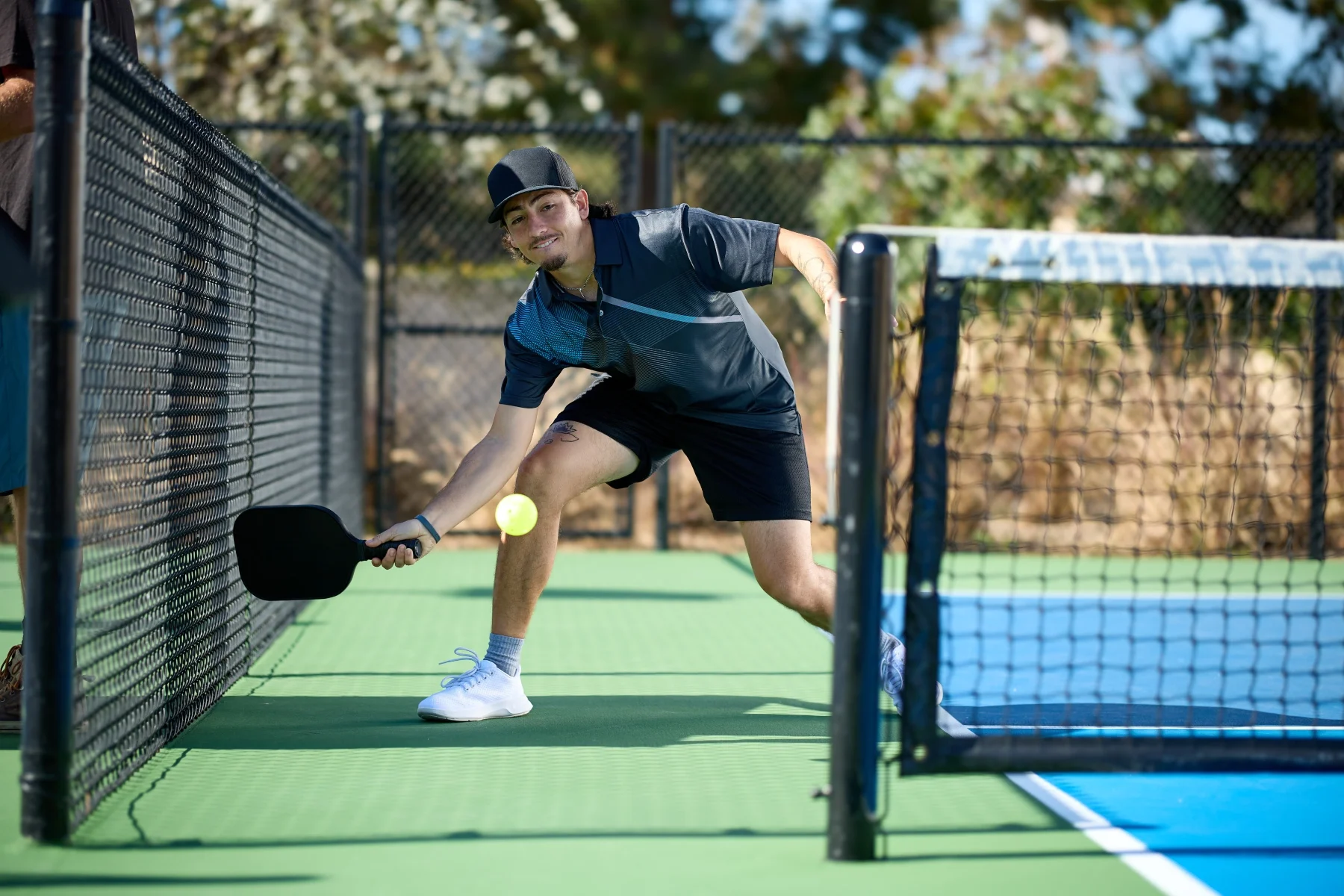
Studies show that reaction time after 17 to 19 hours of wakefulness is comparable to a blood alcohol level of 0.05%. [2]
After 24 hours, it matches 0.10%, which is legally drunk in every US state. For any sport with speed or coordination demands, that is not a rounding error.
Skill Execution Breaks Down
REM sleep is where motor patterns get consolidated. Every technique drill, every movement pattern, every sport-specific skill you practiced gets encoded during REM.
Cut it short and that encoding is incomplete. Patterns that felt automatic in practice fall apart under fatigue or pressure.
Decision-Making Slows
Complex reads, tactical calls, route adjustments mid-play. These are the first things to go. Athletes who are sharp in the film room but foggy in the game are often just under-slept.
The Temperature Factor Most Athletes Miss
There is one recovery variable most athletes never think about. How cool your sleep environment is determines how well you sleep.
Your body needs to drop its core temperature by 1 to 2ºF to enter and sustain deep sleep. Sleep in a warm room and your body spends energy trying to cool itself rather than recovering.
The result is more time in light sleep and less time in the slow-wave and REM stages where the real work happens.
The ambient room temperature target range is 60 to 67ºF. For athletes with elevated baseline body temperatures from training, and especially for those who train in the evening, sleeping cool is not a comfort preference. It is a recovery requirement.
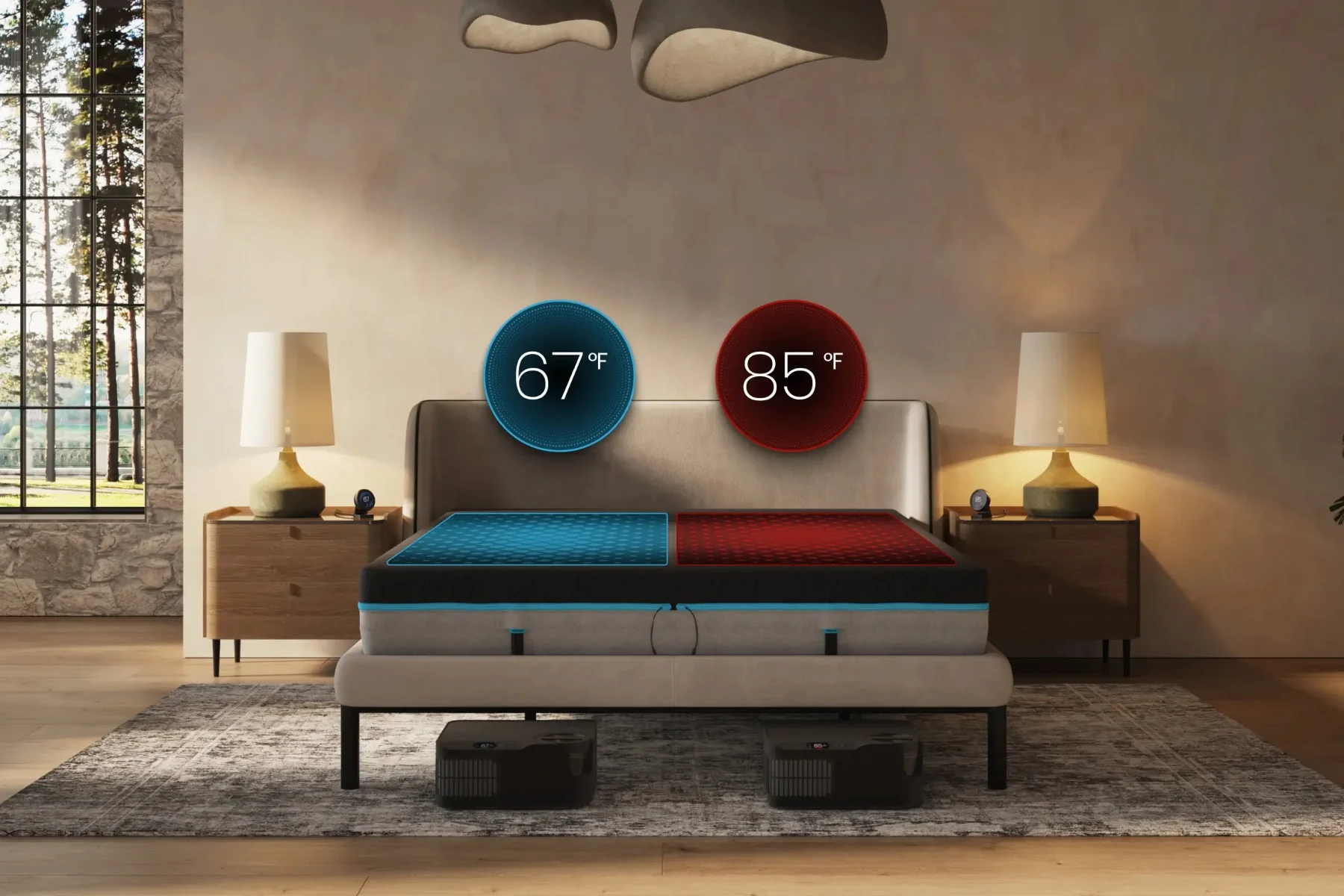
This is where the Chilipad 2.0, a temperature-controlled mattress cooling system, does something no supplement or recovery tool can match. A cold plunge drops your core temperature for minutes.
How Sleep Debt Compounds Over a Training Block
One bad night is manageable. A week of five to six-hour nights is a different problem entirely.
Sleep debt accumulates faster than most athletes realize and takes longer to pay back. Studies show that cognitive and physical performance deficits from chronic sleep restriction do not fully resolve after a single recovery night. [4]
It takes several nights of adequate sleep to restore baseline function, and during high training load periods, those recovery nights rarely happen.
The pattern looks like this: training stress goes up, sleep goes down, recovery capacity drops, performance stalls or declines, and the athlete responds by training harder. It is a hole that gets deeper the more you dig.
The fix is not complicated, but it does require treating sleep as seriously as the training itself. That means protecting sleep timing, controlling the sleep environment, and building recovery nights into the training plan rather than hoping they happen.
“When you get to sleep on track, then your recovery is better, your hormones are better, your cognitive ability is better, your metabolic rate, your immunity is better, you’re going to get sick less often.” - Dave Tate (Rest Factor, Ep. 8)
 What to Do About It
Set a Non-Negotiable Sleep Floor
For athletes under meaningful training load, eight hours is the minimum. Nine is better. Build your schedule around sleep rather than fitting sleep into whatever is left over.
Cool Your Sleep Environment
Keep your bedroom cooler, between 60 and 67ºF when you sleep. If your room runs warm or you sleep hot after evening sessions, the Chilipad 2.0 gives you precise, automated temperature control at the mattress level.
No relying on a thermostat that also has to keep the rest of the house comfortable.
Time Your Training
High-intensity training within two to three hours of sleep raises core temperature and cortisol, both of which delay sleep onset. If evening training is unavoidable, a cool shower afterward and a cooler sleep environment help accelerate the temperature drop your body needs
Protect Your Sleep Schedule
Going to bed and waking at the same time every day, including rest days, keeps your circadian rhythm consistent.
A stable circadian rhythm means better hormonal timing, better sleep architecture, and better recovery from every session.
Use Naps Strategically
A 20 to 30-minute nap before 3 PM pulls you back from the edge after a rough night. It is not a long-term solution, but for athletes deep in a training block or bouncing between time zones, it is a practical tool worth using.
The Bottom Line
You are not going to out-train a chronic sleep deficit. The harder you push without fixing your sleep, the deeper the hole gets.
The ceiling on your athletic performance is not set in the gym. It is set by how well you recover between sessions. The athletes who sleep hard are the ones who perform harder.
Frequently asked questions
How Does Sleep Deprivation Affect Athletic Performance?
How Much Sleep Do Athletes Need?
Why Does Sleep Temperature Matter for Recovery?
Disclaimer: This blog is for informational purposes only and is not a substitute for professional medical advice, diagnosis, or treatment. Always talk to your healthcare provider about your symptoms, conditions, or treatment options.