
Key Takeaways
Poor sleep directly reduces athletic performance by slowing reaction time, weakening strength and power output, impairing coordination, and delaying recovery.
- Even one night of bad sleep can slow reaction time, reduce accuracy, and increase injury risk, with multiple nights compounding performance losses.
- Sleep deprivation disrupts neuromuscular firing and glycogen restoration, leading to heavy legs, sluggish movement, and reduced explosiveness in training.
- Lack of sleep quality lowers testosterone, raises cortisol, and impairs muscle repair, resulting in weaker lifts, slower bar speed, and stalled strength gains.
- Fragmented sleep reduces motor control and focus, causing sloppy form, delayed timing, poor coordination, and increased mental fatigue during workouts.
- Hot sleep worsens recovery by interrupting deep sleep cycles, while consistent temperature control helps athletes stay in restorative sleep longer.
- Most athletes perform best with 7–9 hours of high-quality sleep, with many seeing additional benefits closer to 8–10 hours during heavy training cycles.
- Improving sleep habits—consistent schedules, earlier caffeine cutoffs, cooler bedrooms, and temperature-controlled sleep surfaces—can restore power, focus, and recovery without changing training volume.
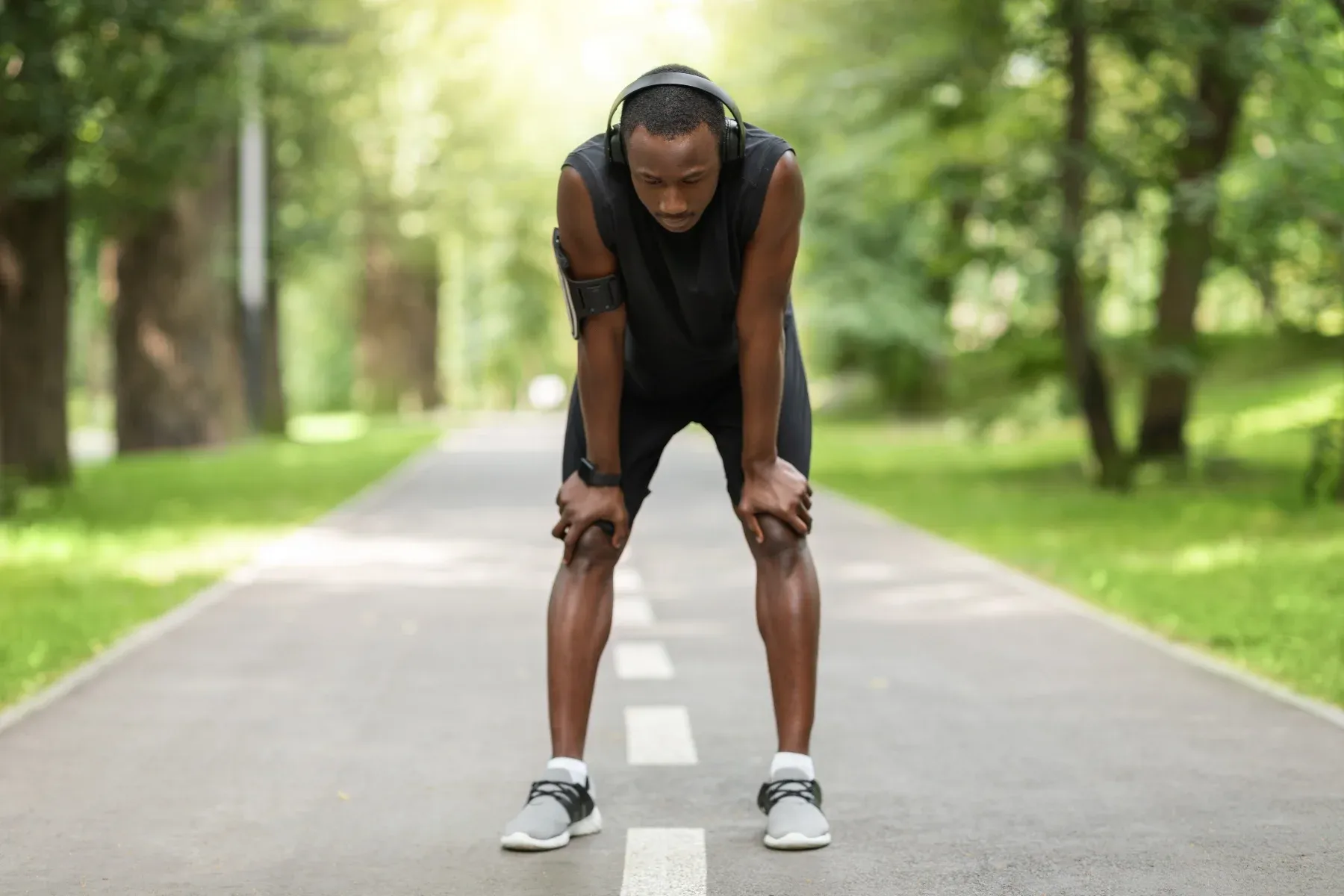
Athletes talk about heavy legs, “off” days, and dead-weight mornings like they’re casual weather reports. But here’s the truth: those rough sessions usually aren’t from bad programming or a weak warmup.
They’re fallout from bad sleep and the lack of sleep that sneaks up on athletes. Miss a few quality nights, and your body starts sending very real performance warnings.
Here's how bad sleep actually shows up in training, why it happens, and why controlling sleep temperature can help you get back to moving like yourself again.
Why Bad Sleep Undermines Your Training
Lack of quality sleep doesn’t roll into your training like an obvious injury. It sneaks in like a quiet saboteur, and you feel it long before you realize what’s happening.
It shows up as barbell timing that’s a beat off, sprint starts that feel glued to the track, lifts that wobble for no good reason, a fuse so short you’re annoyed before the warmup is done, and reaction times that make you feel like your brain is running outdated software.
The problem is that athletes rarely blame sleep. Most will blame hydration, macros, stress, warmup, coaching, the playlist, the weather — literally anything other than the recovery system that matters most.
But the research is blunt. Even one poor night of sleep can slow reaction time as much as being legally intoxicated, and athletes getting fewer than six hours a night face a 20–30% higher risk of injury. [1]
Performance drops fast, too, with sprint speed, accuracy, and strength declining after just two to three nights of poor rest.
Most athletes need 7 to 9 hours a night to keep recovery on track, and many perform even better in the 8 to 10 range.
Zoom out, and those “random bad days” aren’t random at all. That’s your sleep and athletic performance falling apart in real time.
Ready to Stop Training on 50% Battery?
If you’re waking up hot, sore, and already playing catch-up, it’s time to cool things down. The Chilipad 2.0 keeps your bed temperature steady so you stay asleep and roll into training feeling like yourself again.
Lack of Sleep Causes Heavy Legs and Sluggish Movement
Walk into the gym after a rough night of rest and it hits you fast — everything feels wrong. The bar feels glued to the floor, sprint starts feel like you’re taking off in syrup, and your jump height drops like someone secretly swapped your legs with concrete pillars.
This isn’t just “feeling tired.” Not enough sleep disrupts neuromuscular firing, slows down reaction pathways, and cuts into the glycogen restoration your muscles depend on.
Research from 2020 shows that even modest recovery loss can cut into power output and explosive performance, which is why your lifts feel heavier and your movement turns sluggish. [2]
Your body didn’t get the overnight reset it needed, so everything you touch in training weighs more, moves slower, and hits harder than it should.
Why Lack of Sleep Slows Reaction Times
Slow response times sneak up on you. At first it feels subtle — just a little “off.” Then suddenly you’re catching Olympic lifts a fraction too late, reacting behind the play in field or court sports, or feeling like your brain is buffering while everyone else is running full-speed fiber.
Healthy sleep for athletes matters here more than most realize. One well-known study found that even moderate restriction can slow response time as much as having a blood alcohol level of 0.05%, which is wild when you think about how precise athletic timing needs to be.
Another study published in Sleep showed that cognitive processing speed drops sharply after only one bad night of sleep, which is exactly why your timing feels delayed and your coordination suffers.
Your brain is literally moving slower, so the split-second decisions your sport demands just don’t land the way they should.
MLB Sleep Study:
A piece of research by Cheri D. Mah and colleagues looked at professional baseball players from a major-league organization.
After five nights of extended sleep (about +0.6 hours per night on average, going from ~6.3 to ~6.9 hours), athletes improved cognitive processing speed by 13% (they reacted ~122 milliseconds faster) and improved selective attention reaction time by 66 milliseconds.
Weak Lifts and Low Power Output
Weak lifts hit harder than any missed alarm. One day you’re crushing a personal record, and the next day that same weight feels like it belongs to someone stronger.
A lift that felt smooth last week suddenly feels unforgiving; you can’t push through sticking points, and every explosive movement loses its snap.
Poor sleep plays a massive role here. It disrupts the hormonal balance that supports strength — testosterone dips, cortisol rises, and muscle repair slows down.
A study published in the Journal of Strength and Conditioning Research found that restricting sleep to 5 hours per night for just one week led to significant decreases in both peak power and maximal strength output in trained athletes. [2]
In simple terms: less sleep = weaker lifts, slower bar speed, and fewer big training days. Your body didn’t recover overnight, so your power output tanks the moment you touch the bar.
Sloppy Form and Bad Movement Patterns
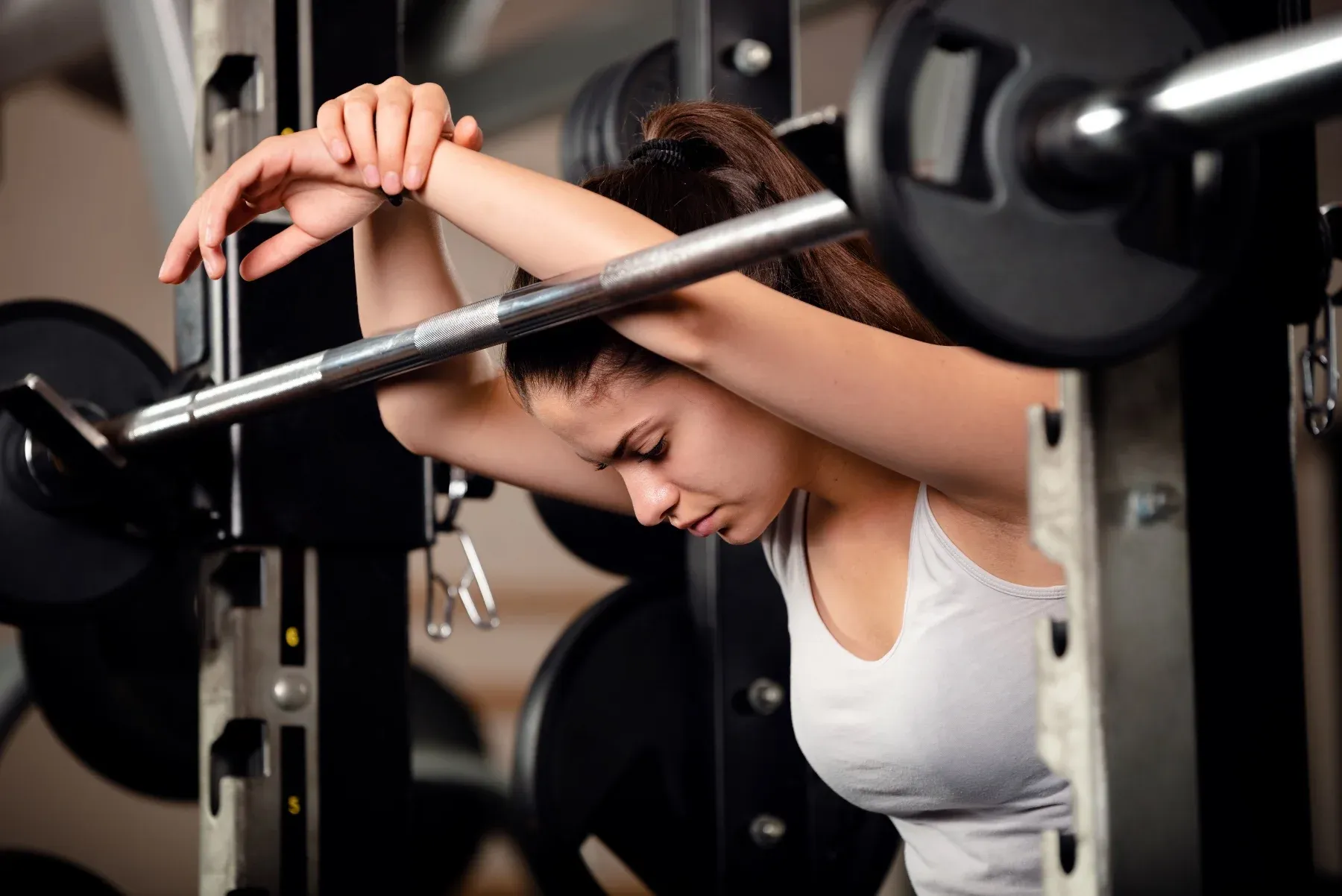
Sloppy form is one of the first red flags. Even warmups feel messy. Depth is off by an inch or two, your bar path wanders like it forgot where it’s supposed to go, your core gives out during high-rep sets, and your technique fades way earlier than it should.
This isn’t just fatigue — it’s your brain struggling to coordinate movement. Motor learning and movement precision rely heavily on sleep quality. When you’re sleep-deprived, the brain regions responsible for coordination, accuracy, and decision-making start lagging. A reason why sleep quality is so important.
A study in Sleep found that athletes who were sleep-restricted showed significant declines in motor sequence learning and movement accuracy. [3]
This meant their ability to perform clean, repeatable patterns dropped noticeably after poor sleep.
That’s why small flaws suddenly look big and why clean form turns into survival mode much sooner in the workout. Your brain is tired, so your technique pays the price.
How Lack of Sleep Causes Mental Fog and Reduced Focus
Mental fog is the silent assassin of training days. Your legs aren’t the only thing dragging — your brain clocks in half-awake too.
Suddenly, it’s harder to focus on cues, multi-step drills feel way more complicated than usual, motivation slips, and your mood snaps quicker than you’d like to admit.
This isn’t just a rough morning. When you don’t get the rest needed, the prefrontal cortex — the area responsible for planning, decision-making, and emotional control — slows down.
That’s why staying locked in during complex movements feels impossible and frustration hits faster than fatigue.
A study published in Nature Communications found that even one night of short sleep reduces it, making focus, emotional stability, and cognitive precision drop noticeably. [4]
Recovery Feels Off
Recovery feels off long before your training numbers drop. Sleep is your built-in repair system, so when it falls apart, everything else follows.
Soreness hangs around longer than it should, HRV tanks, rest days stop feeling restorative, and your body wakes up in that weird “unfinished” state — like it started recovering and then walked out halfway through the job.
The reason is simple: broken sleep disrupts deep sleep, the stage where your body repairs muscle microtears and brings inflammation back down.
Research shows that up to 70% of muscle recovery happens during deep sleep, so when those cycles get chopped up, your body never fully resets. That’s why even the “easy days” feel hard.

Why Hot Sleep Makes All of This Worse
Hot sleep is a silent performance killer, and athletes feel it more than anyone. Higher training loads and faster metabolisms mean your core temperature runs hotter around the clock — and if you carry that heat into the night, sleep gets chopped into useless fragments.
Your core temperature stays too high, the deepest part of sleep gets interrupted, night sweats yank you out of rest, and recovery hits a standstill.
That’s exactly why cooler sleep isn’t a comfort upgrade — it’s a performance tool. This is where sleep tech built for athletes makes a real difference.
This is where temperature regulation for performance recovery in athletes comes in play. Tools like the Chilipad cooling mattress topper and other temperature-controlled mattress systems help keep your bed at a steady, comfortable temperature so your body can stay in sleep cycles longer.
The Chilipad is sleep technology built for athletes who need consistent, cooling support.
How to Fix It Before It Tanks Your Training Cycle
The good news? You don’t need an overhaul — just smarter habits that support recovery and sleep hygiene.
These adjustments are simple, athlete-proof, and you can start them tonight:
- Keep a consistent sleep schedule: Your body loves routine. Going to bed and waking up at the same time helps stabilize hormones, supports recovery, and keep energy steady for training.
- Cut caffeine earlier in the day: Caffeine lingers longer than most athletes think. Pulling your last dose to earlier in the afternoon prevents it from hijacking your nightly recovery rhythm.
- Drop the bedroom temperature to 60–67 degrees: Cooler environments support deeper sleep. It’s the sweet spot where your body can naturally lower core body temperature and stay asleep longer.
- Cool your bed with a temperature-controlled mattress system: A steady bed temperature keeps your deep rest from getting chopped into useless fragments, the right fix for athletes who naturally run hotter at night.
- Use wind-down routines that calm the brain: Light stretching, a warm shower, or a screen break helps bring cortisol down so your brain isn’t sprinting when it should be slowing down.
- Hydrate and fuel properly before bed: Dehydration or poor evening nutrition can spike heart rate and disrupt sleep. Support your training with simple, steady pre-bed habits.
These aren’t flashy. They work. And they help improve your sleep without complicating your routine.
Athletes who protect their sleep see stronger lifts, sharper reactions, better mood, and cleaner movement patterns — all from habits that start long before stepping into the gym.
Science even backs it up. When your body overheats at night, deep sleep takes a hit. A 2024 study found that increasing conductive heat loss boosted slow-wave sleep by 7.5 minutes and lowered overnight heart rate.
Cooler environments create the sweet spot your body needs to drop core temperature naturally and stay asleep longer.
When Poor Sleep Becomes a Pattern
When it becomes a pattern, the warning signs start stacking up. You’re logging two or more “off” days a week, explosiveness is dipping, strength is plateauing, soreness hangs around longer than it should, and your mood flips faster than your training partners expect.
When all of that shows up at once, it’s not just a rough patch in your program — it’s your sleep waving a giant red flag. If this feels familiar, it’s time to look at how you sleep, not just how you train.
The Bottom Line
Poor recovery is one of the fastest ways to hurt your performance without seeing it coming. Heavy legs, slow reactions, weaker lifts, foggy thinking, and stalled progress are not random. They're your body telling you it never got the chance to rebuild.
Recovery is one of the few performance variables you control. Get it right, and everything gets better. Power, timing, movement quality, mood, and the way you show up every session.
If you run hot or wake up drenched, temperature is a big part of what's holding your recovery back. The Chilipad 2.0 keeps your bed at a steady temperature all night so your body stays in the deeper sleep stages where real repair happens. Not a luxury. Fuel for your next best performance.
Sleep, Recovery, and Performance FAQs for Athletes
How Does Poor Sleep Affect Athletic Performance?
Why Do My Legs Feel Heavy After a Bad Night of Sleep?
How Much Sleep Do Athletes Need?
Does Sleeping Cooler Really Improve Sleep Quality?
Disclaimer: This blog is for informational purposes only and is not a substitute for professional medical advice, diagnosis, or treatment. Always talk to your healthcare provider about your symptoms, conditions, or treatment options.