Key Takeaways
Mouth taping is a breathing focused sleep practice that may help some people, but it is not a one size fits all solution.
- Mouth taping originated from breathing focused practices like the Buteyko Method and has gained attention as a modern sleep trend.
- Taping the mouth may encourage nasal breathing, which can reduce snoring and support steadier breathing during sleep.
- This practice is not suitable for everyone, especially people with breathing conditions, anxiety, or sleep apnea, and medical guidance is recommended before trying it.
- Less intense alternatives include improving nasal airflow, adjusting sleep position, and managing bedroom humidity.
- When cleared by a healthcare provider, mouth taping can be paired with a temperature controlled sleep surface to support calmer and more comfortable rest.
When it comes to trying a new treatment, supplement, or trend, two questions should be at the top of your list: Does it work, and is it safe?
Below, we’re diving into both the effectiveness and. risks behind the buzz.
What is Mouth Taping for Sleep?
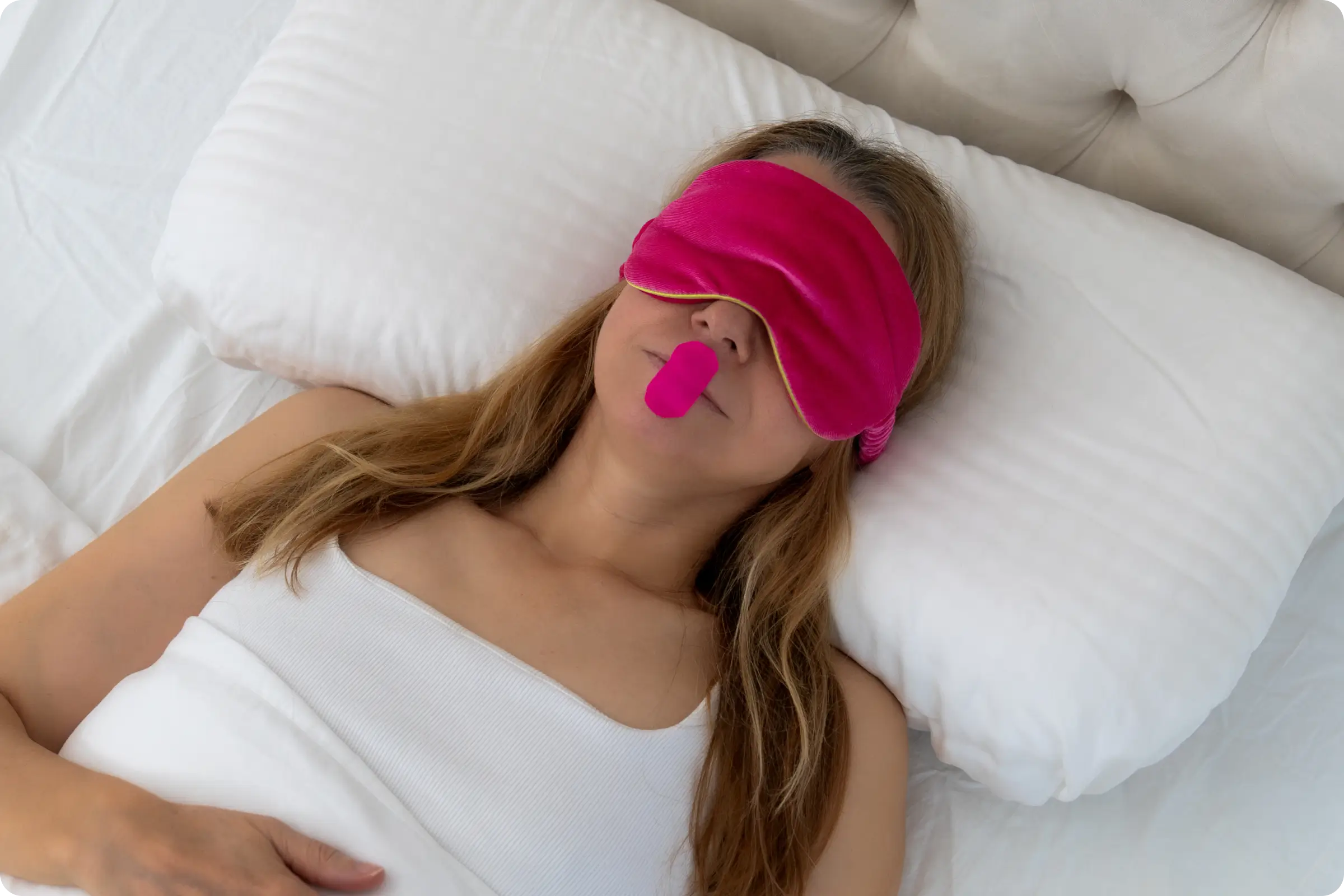
Mouth taping forces nasal breathing — your built-in filter — which can reduce snoring and improve airflow. But it isn’t a universal fix and isn’t backed by big clinical studies. This trend has gained popularity as a potential solution for various issues, including snoring, bad breath, and even sleep apnea.
The idea behind mouth taping is that by keeping the mouth closed, individuals are forced to breathe through their noses, which can lead to several purported health benefits.
Ready to Sleep Cooler?
Don’t just settle for sleep—optimize it. Explore our innovative Chilipad and discover what better rest really feels like.
The Benefits of Mouth Taping
If you’re curious why taping your mouth shut at night is trending, it’s not just sleep influencers jumping on a viral hack or a sleepmaxxing trend—there’s actual science behind it.
Here’s what mouth taping could unlock for your sleep and health. When used correctly, its effectiveness comes down to promoting better breathing and recovery:
Supports Deep Sleep and Recovery
Nose breathing activates the parasympathetic nervous system, your body’s built-in “rest and recover” mode, responsible for slowing your heart rate, relaxing muscles, and calming the mind.
It’s like shifting from high-performance mode to sleep optimization, allowing your system to power down smoothly, recharge, and handle necessary overnight repairs without background noise draining your battery.
Did You Know: Nasal breathing is generally associated with deeper and more restful sleep.
How Mouth Taping May Impact Snoring
One of the main reasons people give mouth taping a shot is to stop snoring, and there’s some science to back it up. Studies suggest it may help decrease snoring , especially in those with mild obstructive sleep apnea. [1]
Keep in mind, experts warn mouth taping could worsen breathing issues for people with nasal obstruction or sleep apnea.
Promoting nasal breathing through mouth taping shifts the position of your palate and tongue, likely leading to fewer snoring episodes and less fragmented sleep. The result? Fewer nighttime sleep disruptions and a more restful night’s sleep, like hitting a system reboot while you sleep.
Did You Know: Snoring and Sleep Apnea. More and more people are turning to mouth tape as a go-to solution for snoring.
Optimizes Nose Breathing
Mouth taping effectively nudges you into breathing through your nose—nature’s trusty air filter. This switch means cleaner air intake, reducing exposure to pesky allergens and pathogens. Imagine it as upgrading from the clunky dial-up days to the sleek speed of fiber optics.
Not only does this change promote better air quality entering your lungs, but it also encourages a more restful night’s sleep, potentially reducing the risk of sleep disorders.
Protects and Improves Oral Health
Mouth breathing isn’t just a bad habit—it can dry you out, cause bad breath, and crank up your risk for cavities and other dental health issues. By keeping the mouth sealed, mouth taping helps lock in moisture and support better oral hygiene.
It can also lower the risk of gum disease and cavities, often linked to chronic mouth breathing—think of it as routine maintenance for your mouth.
Potentially Improves Health
Proponents of mouth taping claim that it may alleviate various issues associated with mouth breathing, such as dry mouth, bad breath, and even symptoms of ADHD.
However, these claims lack substantial scientific backing, [2] and the only confirmed benefit is the reduction of snoring in specific cases of obstructive sleep apnea.
Boosts Oxygen Efficiency
Nasal breathing helps regulate nitric oxide production, a key molecule that improves oxygen circulation and supports cardiovascular health. Your blood gets a better download speed, delivering oxygen more efficiently to your muscles, brain, and vital organs.
The result? Better endurance, sharper focus, and a system that runs smoother from top to bottom.
Athletes like endurance runners, cyclists, and even MMA fighters use mouth taping to boost nasal breathing and oxygen efficiency. Patrick McKeown, author of The Oxygen Advantage, helped put this biohack on the map because, in performance, every breath is bandwidth.
Tip: By training the body to breathe through the nose, athletes may experience improved performance and recovery.
May Alleviate Dry Mouth
By keeping your mouth gently closed throughout the night, mouth taping helps maintain optimal moisture levels in your oral cavity. This can prevent that dreaded cotton-mouth feeling, reduce the risk of bad breath, and help protect your teeth and gums from the damage caused by nighttime mouth breathing.
Potentially Improves Sleep
Mouth taping encourages nasal breathing, which helps create a more stable and efficient breathing pattern throughout the night. This improved airflow can enhance oxygenation and cut down on common sleep disruptors like snoring and mild sleep apnea.
By reducing these interruptions, mouth taping clears the path for more consistent sleep—so your brain can focus on consolidating memories, stabilizing mood, and refreshing mental clarity. It’s a simple upgrade with big returns for your overnight performance.
Supports Better HRV
Encouraging nasal breathing during sleep naturally activates the parasympathetic nervous syste. The branch responsible for rest, recovery, and repair. [3] This shift helps reduce physical stress, regulate heart rate, and promote a more balanced autonomic response, all of which can contribute to improved heart rate variability (HRV).
Supporting your body’s recovery systems overnight is a simple yet powerful way to enhance resilience and overall well-being.
Does Mouth Taping Work?
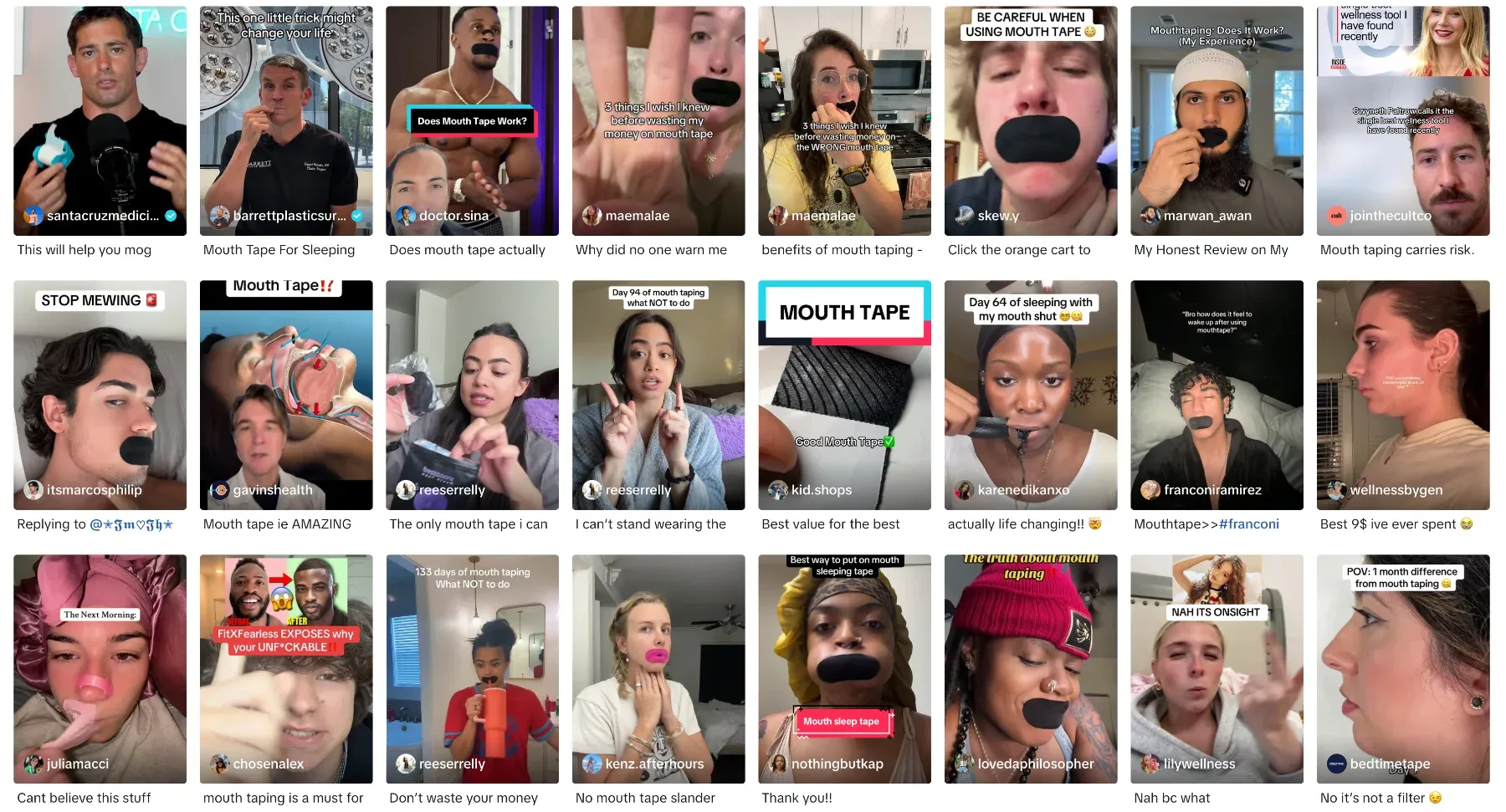
The scientific evidence supporting mouth taping is limited. While some studies indicate potential benefits, such as reduced snoring in a small group of patients, others show no significant changes in conditions like asthma. [4] A 2025 study noted that some individuals continued to mouth breathe despite being taped, a phenomenon termed “mouth puffing.” [5]
Dr. Cinthya Pena Orbea, a sleep medicine specialist, emphasizes that the evidence is largely anecdotal and that mouth taping is not a standard treatment for sleep disorders. It may be considered in specific cases, such as to reduce air leaks for patients using CPAP machines for sleep apnea.
Potential Risks and Safety Concerns of Mouth Taping
While mouth taping comes with potential perks, it’s not risk-free. Here are a few potential side effects:
1. Breathing Difficulties
Breathing can become a challenge, especially for anyone dealing with nasal congestion or respiratory issues, which may trigger anxiety and lead to disrupted sleep cycles.
If you’re dealing with a stuffy nose, allergies, a deviated septum, or anything that blocks nasal airflow, mouth taping can make breathing even harder—and potentially uncomfortable.
2. Skin Irritation
Taping can irritate the skin around your lips and be downright uncomfortable to remove, especially if you’re rocking facial hair. As mouth taping becomes more popular, specialty mouth tape brands are producing tape that is friendlier to sensitive skin.
The mouth tape can sometimes trigger an allergic reaction or cause irritation around the mouth—especially with repeated use—which may lead to redness, chafing, or general discomfort.
Popular Mouth Tape Brands:
- Dream Recovery
- Hostage Tape
- ELVT Breath Control
3. Anxiety
Some people may wake up mid-tape with a jolt—your body’s natural “uhhh, why can’t I breathe?” For others, simply having their mouth taped shut can trigger anxiety or discomfort, potentially disrupting sleep, especially if they’re new to the habit.
4. Unstudied Side Effects
There needs to be more research to understand the long-term effects and additional risks of mouth taping. Consulting a healthcare provider before trying mouth taping is advisable, especially for individuals with existing respiratory issues.
Alternatives to Mouth Tape
If you’re aiming to reduce snoring or level up the quality of sleep, there are plenty of alternatives worth checking out:
- Sleeping on One’s Side: This sleep position can help reduce snoring by keeping the airway open.
- Using Nasal Strips: These can help open nasal passages and promote better airflow.
- Treating Allergies and Asthma: Managing these conditions can significantly improve breathing during sleep.
- Maintaining Good Oral Hygiene: Regular dental care can help mitigate issues associated with mouth breathing.
- Practicing Healthy Sleep Habits: Establishing a consistent bedtime routine can improve overall sleep.
When to Speak with a Sleep Specialist
If you are considering mouth taping or are experiencing persistent sleep issues, consulting a sleep specialist may be beneficial. Here are some signs that it may be time to seek professional help:
- Chronic Snoring: If snoring is frequent and disruptive, it may indicate an underlying sleep disorder, such as obstructive sleep apnea.
- Daytime Fatigue: Persistent tiredness during the day, despite adequate sleep, can signal poor sleep quality or a sleep disorder.
- Breathing Issues: If you experience difficulty breathing during sleep or notice gasping or choking sensations, it is crucial to consult a specialist.
- Unsuccessful Home Remedies: If attempts to improve your sleep through lifestyle changes or home remedies, including mouth taping, have not been effective, professional guidance may be necessary.
- Other Symptoms: If you experience symptoms such as restless legs, insomnia, or excessive daytime sleepiness, a sleep specialist can help diagnose and treat potential sleep disorders.
Conclusion
Mouth taping is a growing trend that may offer benefits for some individuals, particularly those with mild obstructive sleep apnea. However, the scientific evidence supporting its effectiveness is limited, and risks warrant caution.
Consulting a healthcare provider is advisable before giving mouth taping a try, especially for individuals with existing health issues.