
Key Takeaways
Blue light keeps your brain in daytime mode—right when it should be powering down.
- Screens from phones, TVs, tablets, and laptops emit high levels of blue light, especially disruptive when used at night.
- Blue light suppresses melatonin, the hormone that signals your body it’s time to sleep, making it harder to fall asleep.
- Night Shift modes, blue light filters, and dim lighting can reduce exposure, but they don’t eliminate the effect entirely.
- Cutting screen use at least one hour before bed gives your brain a clearer “time to sleep” signal.
- Blue light reduction works best when paired with a cool sleep environment, helping your body fully transition into rest mode.
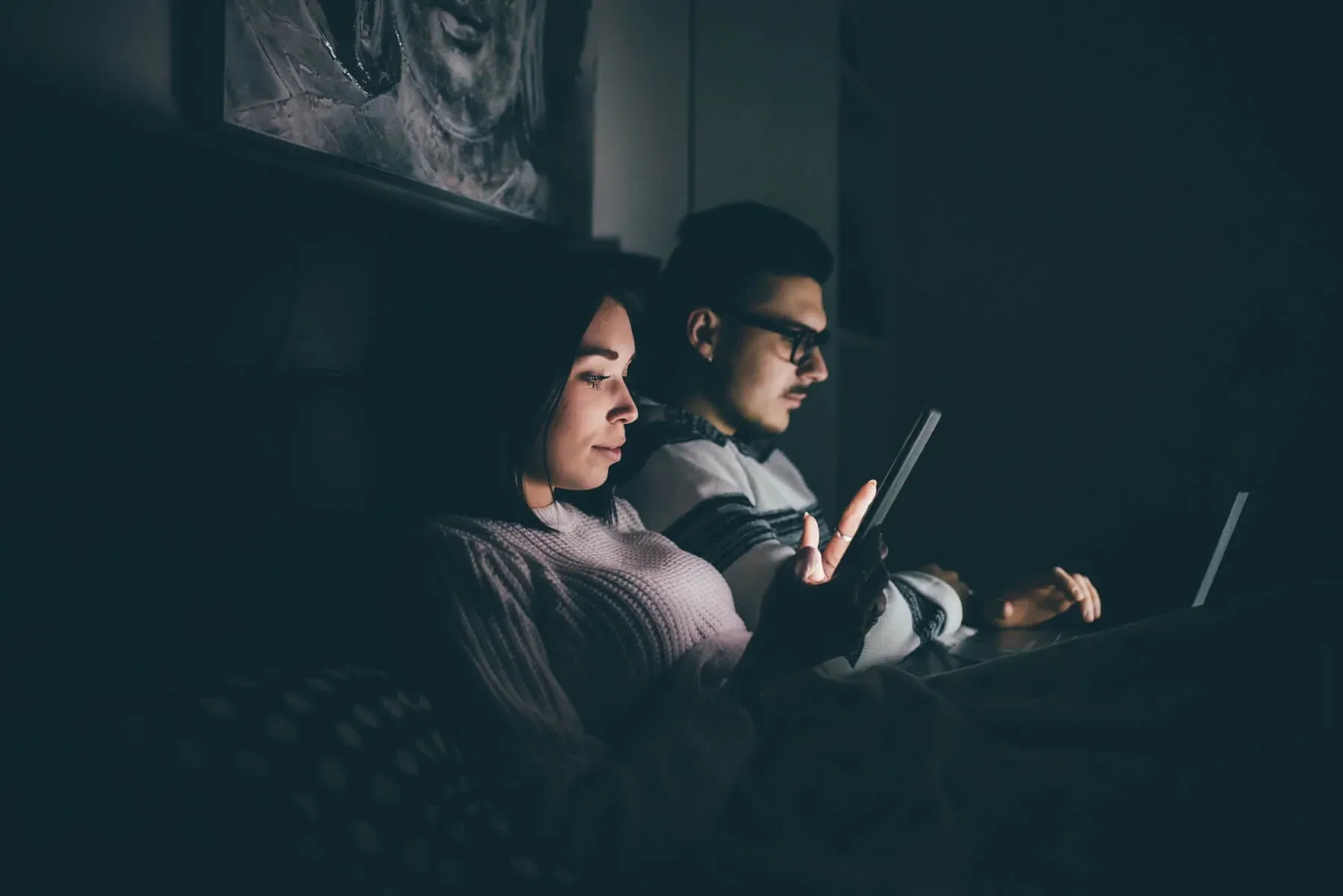
We all spend a lot of time in front of screens, including using devices, whether watching TV in the evening or using our cell phones leading up to bedtime. These screens emit a large amount of blue light, which can affect your sleep.
Blocking nocturnal blue light is crucial for maintaining healthy sleep patterns, as it affects circadian rhythms and melatonin production, which are essential for a good night’s sleep and can help mitigate the negative effects of blue light.
Before we jump into the effects, ask yourself the following question:
Do you use your smartphone, tablet, or computer at bedtime?If you said yes, you are among the 70% of adults who use an electronic device in their bedroom or bed. [1] Additionally, that study found that 75% of children used some electronic device before bedtime. [2]
Unfortunately, these devices interrupt our natural sleep cycles. Decreasing the amount of exposure to blue light leading up to bedtime is a vital way to get your body naturally ready for sleep
Sleep Statistics: One out of five say they send or receive work-related emails before bed.
Let’s find out how this works and how to limit exposure to improve your sleep.
Unlock Better Sleep with Bed Cooling Systems
Revamp your sleep experience with the Chilipad bed cooling sleep system and discover the benefits of personalized temperature control for a refreshed and rejuvenated morning.
What is Blue Light?
Blue light is a part of the visible light spectrum. It can affect our sleep cycles, alertness, and hormone production.
The most familiar sources are found in our televisions, tablets, computers, computer monitors, and smartphones. These devices use light-emitting diode (LED) technology, which gives off blue light and contributes to our daily exposure to it.
These newfound sources in our daily lives are causing us to be overwhelmed by a sea of blue and have arguably tipped the balance of our exposure to genuine concern.
Almost all visible light passes through the cornea and lens to reach the retina, raising concerns about the potential long-term effects of exposure to blue light from screens. While it’s not inherently unhealthy, it has various medical benefits. Overexposure has been argued to disrupt our circadian rhythms and lead to decreased overall mental health.
Sources of Blue Light Exposure
We get it from various places, both natural and from things we make. But we get a lot from our gadgets like phones, tablets, and TVs, especially at night. Even the lights in our homes and offices, like LED and fluorescent bulbs, give off some. All this light can really mess with our sleep and how we feel.
Did You Know: While blue light can disrupt your sleep, red light therapy may do the opposite.
Effects of Blue Light
The effects on our mental health are still being researched, but it is well-established that exposure to blue light affects our natural sleep patterns. It affects the production of melatonin, the hormone that regulates our sleep patterns, also known as our circadian rhythm.
When we are exposed to blue light before bedtime, it can suppress melatonin production, making it harder to fall asleep and reducing the quality of our sleep.
Read More: What is Deep Sleep and Why It’s Important
Additionally, the exposure has been linked to digital eye fatigue, which can cause headaches, blurred vision, and dry eyes. Prolonged exposure has also been linked to an increased risk of macular degeneration and cataracts, highlighting the importance of managing screen time and blue light exposure.
Deep Sleep Study: Effects of pre-bedtime blue-light exposure on ratio of deep sleep in healthy young men. [3]
Does Blue Light Affect Sleep?
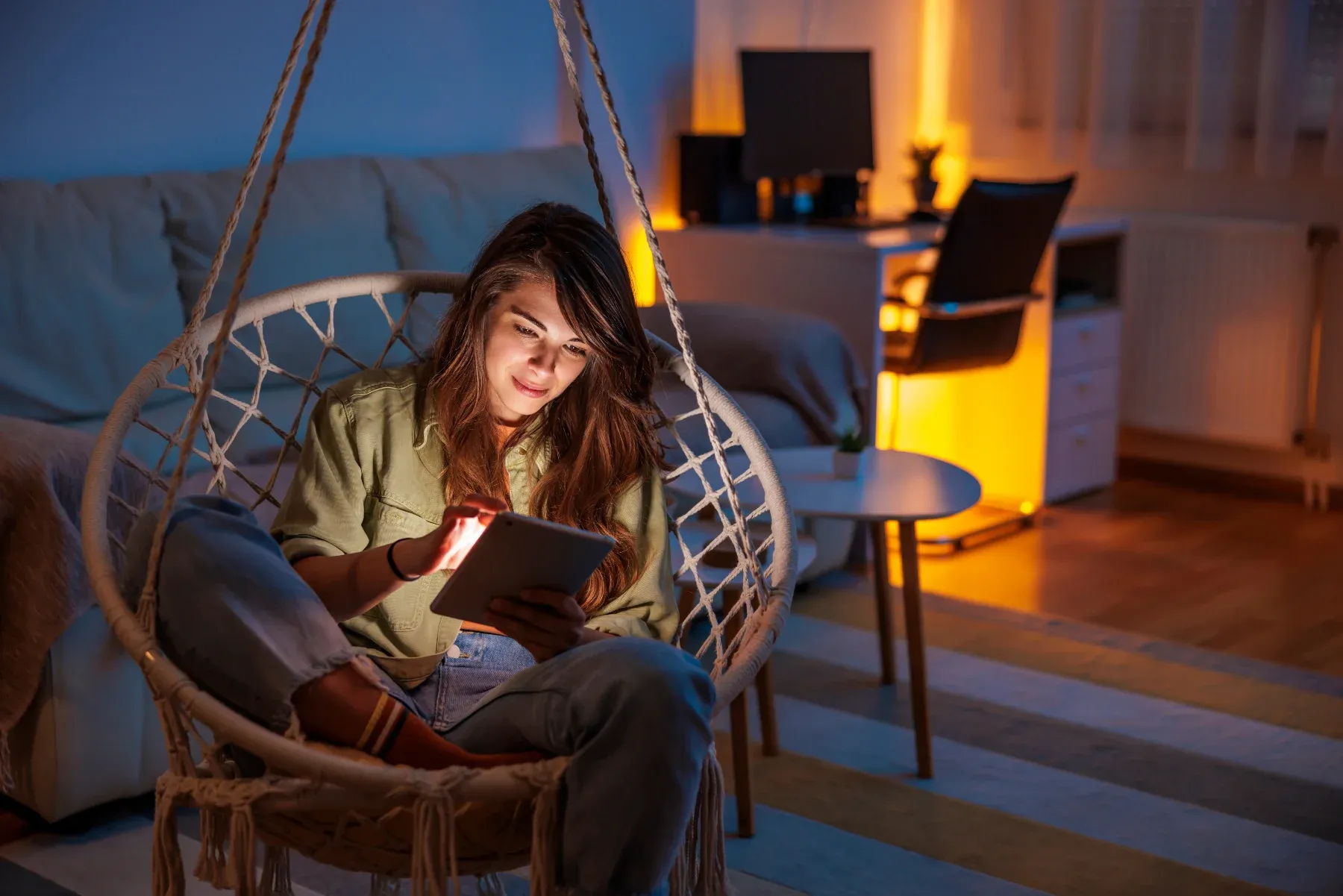
Short answer: yes. But it isn’t that bad. Understanding the effects on sleep is crucial for optimizing good sleep quality. It can keep you awake as it reduces the body’s release of melatonin, a hormone that makes us feel exhausted.
While this may be helpful during the earlier parts of the day, it becomes unhelpful at night when we’re ready for sleep.
Vulnerability to nocturnal blue light misleads your mind into thinking it’s still daylight hours, causing you to be more alert and making it harder to fall asleep and get a good rest at night.
This disruption in circadian rhythms can ultimately affect cognitive functions and overall health. Additionally, exposure can lead to sleep disorders and cognitive dysfunction.
This type of colored light, even from artificial light sources like your chosen digital devices, is not inherently bad. The light these devices emit can help promote proper melatonin production, improve mood, increase alertness, and support a healthy weight and adrenal function.
Overexposure can lead to health problems. The clear insight is how it affects our eyes while looking at blue light. But it also dramatically affects us while our eyes are closed and we’re trying to sleep. It has also been linked to blurred vision, cataracts, dry eyes, eye fatigue, and digital eyestrain.
Blue Light and Circadian Rhythm
It plays a significant role in regulating our circadian rhythm. Exposure to natural blue light during the day helps to regulate our circadian rhythm, while exposure to artificial lights, including blue light at night, can disrupt it.
The suprachiasmatic nucleus (SCN), the part of the brain that controls our circadian rhythm, is sensitive to blue light.
When we are exposed, it signals the SCN, which helps regulate our internal clock. However, exposure to these devices at night can confuse the SCN, making it harder to fall asleep and reducing the quality of our sleep.
Understanding this relationship can help us make better choices about our exposure to light throughout the day.
Affects Your Eyes Sleep
This light can significantly affect our eyes, sleep, and overall health. Prolonged exposure can cause digital eye fatigue, leading to headaches, blurred vision, and dry eyes.
Additionally, exposure to blue light before bedtime can disrupt our sleep patterns, making it harder to fall asleep and reducing the quality of our sleep.
This disruption can lead to a range of health problems, including fatigue, decreased productivity, and an increased risk of chronic diseases such as diabetes and heart disease.
To mitigate these effects, it is essential to take steps to reduce your exposure to it, such as using blue light-filtering glasses or apps and avoiding screens for at least an hour before bedtime.
By understanding the effects of this colored light on our health, we can take proactive steps to reduce our exposure and promote healthy sleep habits, ultimately improving our overall quality of life.
The Risks of More Blue Light
Exposure to more blue light has been linked to several risks. One of the most immediate effects is heavinesseyes, characterized by eye fatigue, dryness, irritation, headaches, and blurred vision.
Symptoms of digital eye strain include headaches, blurred vision, and pain in the neck and shoulders. Prolonged exposure, especially from digital devices, can exacerbate these symptoms.
Staring at screens in the evening can really mess with your body’s natural sleep-wake cycle. This is because this light tricks your brain into thinking it’s still daytime, which stops your body from making melatonin, the hormone that helps you feel sleepy.
This can make it hard to fall asleep, leaving you tired even if you slept all night. And if you’re constantly exposed, it might even increase your risk of eye problems like macular degeneration, which can damage your vision.
Devices that Emit Blue Light
You may not be aware that many everyday devices gives off blue light. These devices include smartphones, tablets, laptops, desktop computers, LED and fluorescent light bulbs, and televisions.
A recent study found that people spend roughly seven hours a day on electronic devices. [4]
Now, that’s a lot of time staring at blue light. Limiting digital overload and cutting down on blue light before bed is key to better sleep. Struggling to put the phone or tablet down at night? You’re not alone—and there’s help for that.
Yellow-tinted lenses can help mitigate blue light exposure from these devices by increasing contrast and easing digital eye strain.
Some companies understand the effects of it and now offer settings that allow you to reduce the amount of blue light emitted, such as the Night Shift feature on iPhones and iPads or the Blue Light Filter on Android devices.
Below are standard devices that project blue light.
- Smartphones
- Tablets
- Laptops
- Desktop Computers
- LED and Fluorescent Light Bulbs
- Television
- Gaming Devices
- E-readers
- Digital Clocks
- Smart Watches
How You Can Reduce Blue Light Exposure
You don't have to throw your phone in a drawer at 7 PM to get decent sleep. We put together a realistic guide on cutting down blue light.
Simple tweaks to your screens and routine that actually make a difference without making your life miserable.
Final Thoughts
Now we fully understand how the light emitted by electronic devices, LED and fluorescent light bulbs, and even some natural sources can negatively impact your sleep.
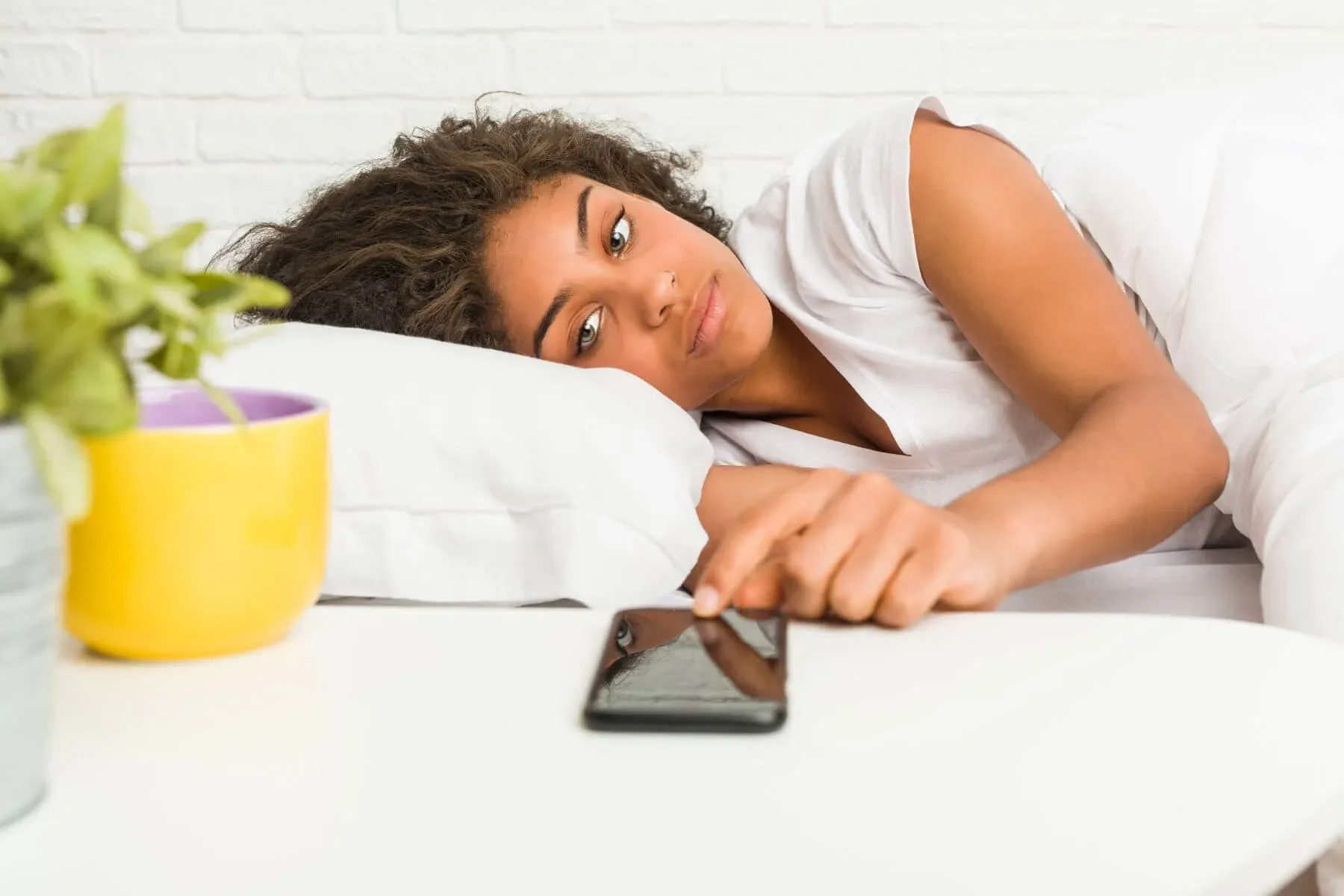
Exposure at night can suppress the production of melatonin, the hormone that regulates sleep, and disrupt your body’s natural sleep-wake cycle.
However, using some helpful steps above can reduce exposure before bedtime to improve sleep quality. It’s time to take charge, prioritize your health, and understand the impact of blue light on sleep. You can now try some tips and see what works best for you.