Key Takeaways
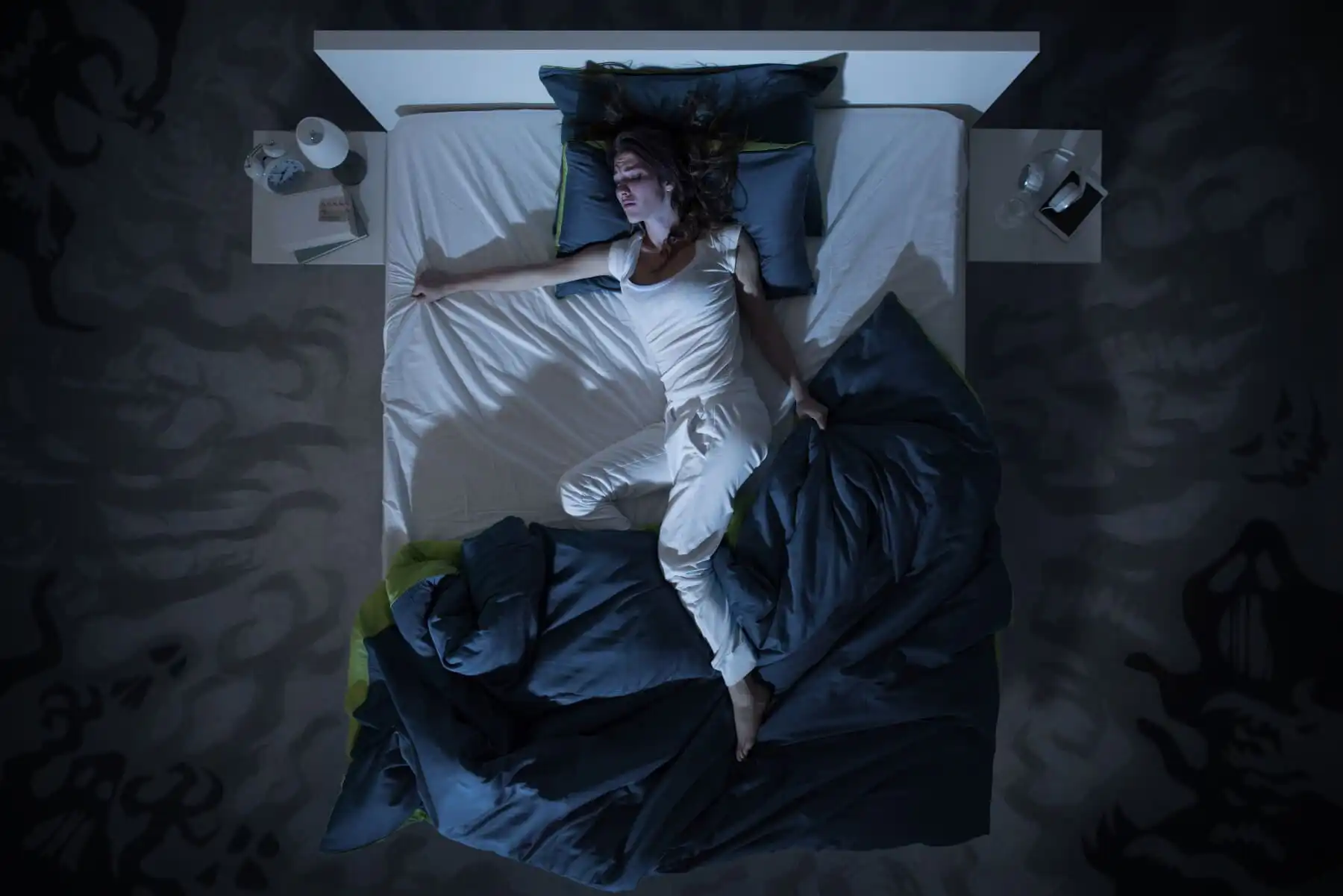
Blue light before bed can delay melatonin release, disrupt your circadian rhythm, and make it harder to fall asleep and stay asleep.
- Blue light from phones, tablets, TVs, LED bulbs, and other screens can suppress melatonin, the hormone that helps regulate your sleep-wake cycle.
- Even a couple of hours of screen exposure in the evening can delay sleep onset and reduce overall sleep quality.
- Blue-light-blocking glasses, screen filters, and night mode settings are commonly used to reduce evening light exposure.
- Switching to warm, low-color-temperature lighting in the evening can help signal to your body that it is time to wind down.
- Reducing blue light works best when paired with a sleep-friendly setup, including a cool, dark, and comfortable bedroom environment.
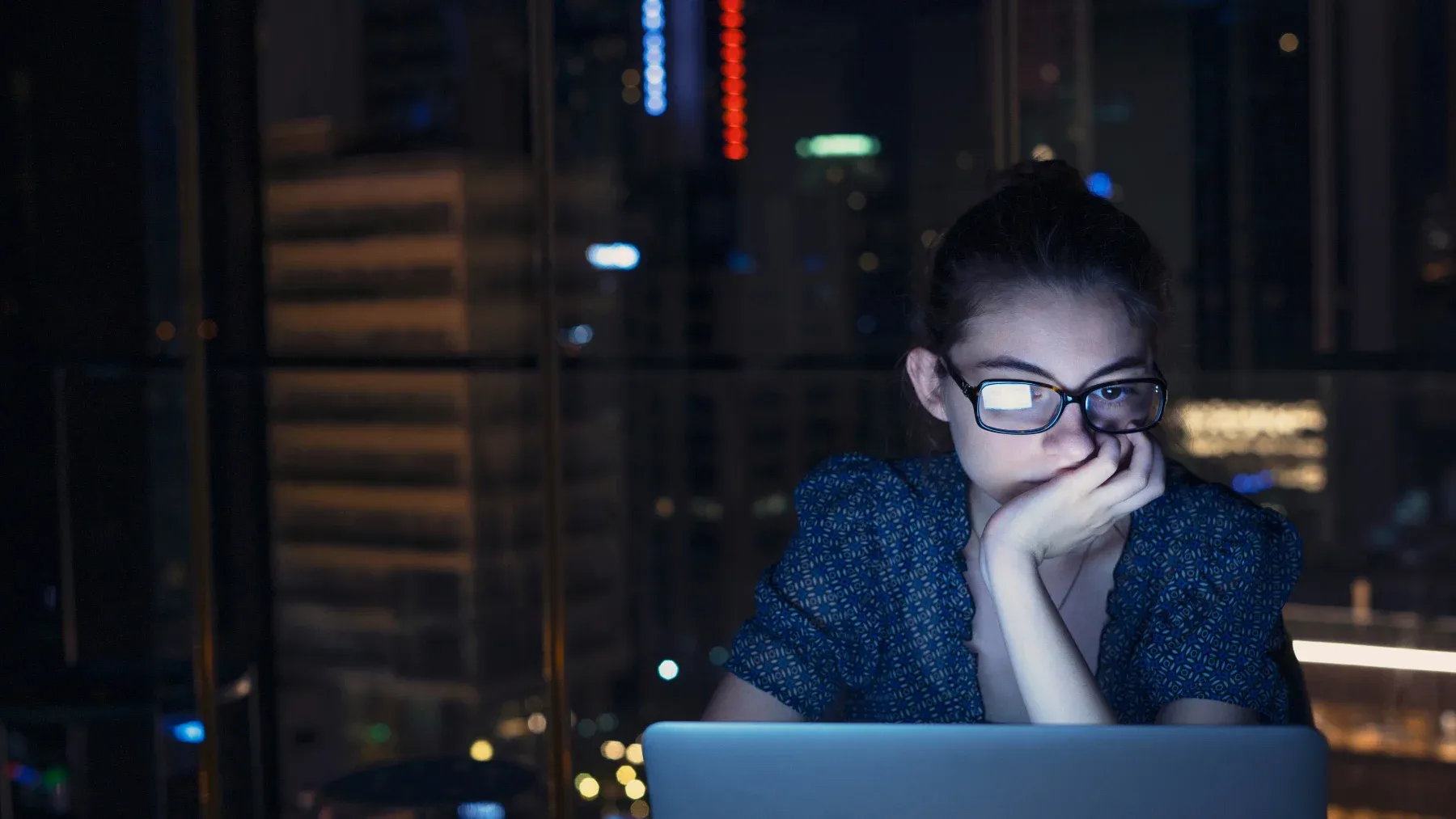
Spending hours in front of screens has become a daily habit for most of us, whether for work, socializing, or entertainment. But all this screen time comes with a hidden cost: exposure to blue light, a high-energy wavelength that can strain your eyes and disrupt your sleep.
Research shows that blue light affects eye health and melatonin production, making it harder to fall asleep and leaving you feeling tired the next day. [1] With digital devices everywhere, it’s more important than ever to find simple ways to protect your eyes and sleep quality.
Below, we'll highlight easy-to-follow tips to on how to reduce and block the exposure of blue light. From built-in device filters and blue light glasses to changing your lighting environment.
These strategies can help you enjoy your devices while keeping your eyes comfortable and your sleep restful.
Blue Light Filters
Technology companies are aware of the potential harm to health and are taking steps to stay ahead of the curve, ensuring that you optimize your time spent on their devices, not the amount of time. Filters are effective in blocking blue light, which helps protect your eyes from potential damage.
If you can’t limit the time you spend on your device, limit the amount of blue light your device emits.
iPhones and PC’s
There are functions on most Apple products, PCs, and Smartphones that enable you to filter the amount of blue light you are exposed to. If you're looking on how to reduce blue light on an iPhone.
It is called Night Shift on Apple products and Night Light on PCs. Both filters are amazing augmentations if you have to use your technology at night.
Note: Even dim light can interfere with a person's circadian rhythm and melatonin secretion.
Block the Blue Light. Cool the Bed. Sleep Better
Cutting screens before bed protects your melatonin. Chilipad 2.0 handles the temperature side of the equation. Put them together and your sleep environment is finally working with your body instead of against it.
Blue Light Blocking Glasses
Popular Brands
Some popular blue blocking glassesbrands include Felix Gray, Warby Parker, Swanwick, Zenni Blokz, Gunnar, Peepers, Ray-Ban, Blenders, Jins Screen, and BlockBlueLight.
These brands offer glasses and lens options designed to reduce eye strain, absorb blue light, and improve sleep quality by filtering harmful blue light from screens and devices.
Cut Back on Screen Time
The most effective way to limit blue light is by reducing your exposure. Setting a schedule is important. This isn't always the easiest in the age of information, but sometimes we need to schedule time apart.
Just as we set parameters in any other arena of our lives to maximize efficiency, so should we set a schedule for the amount of time we spend on our electronic devices.
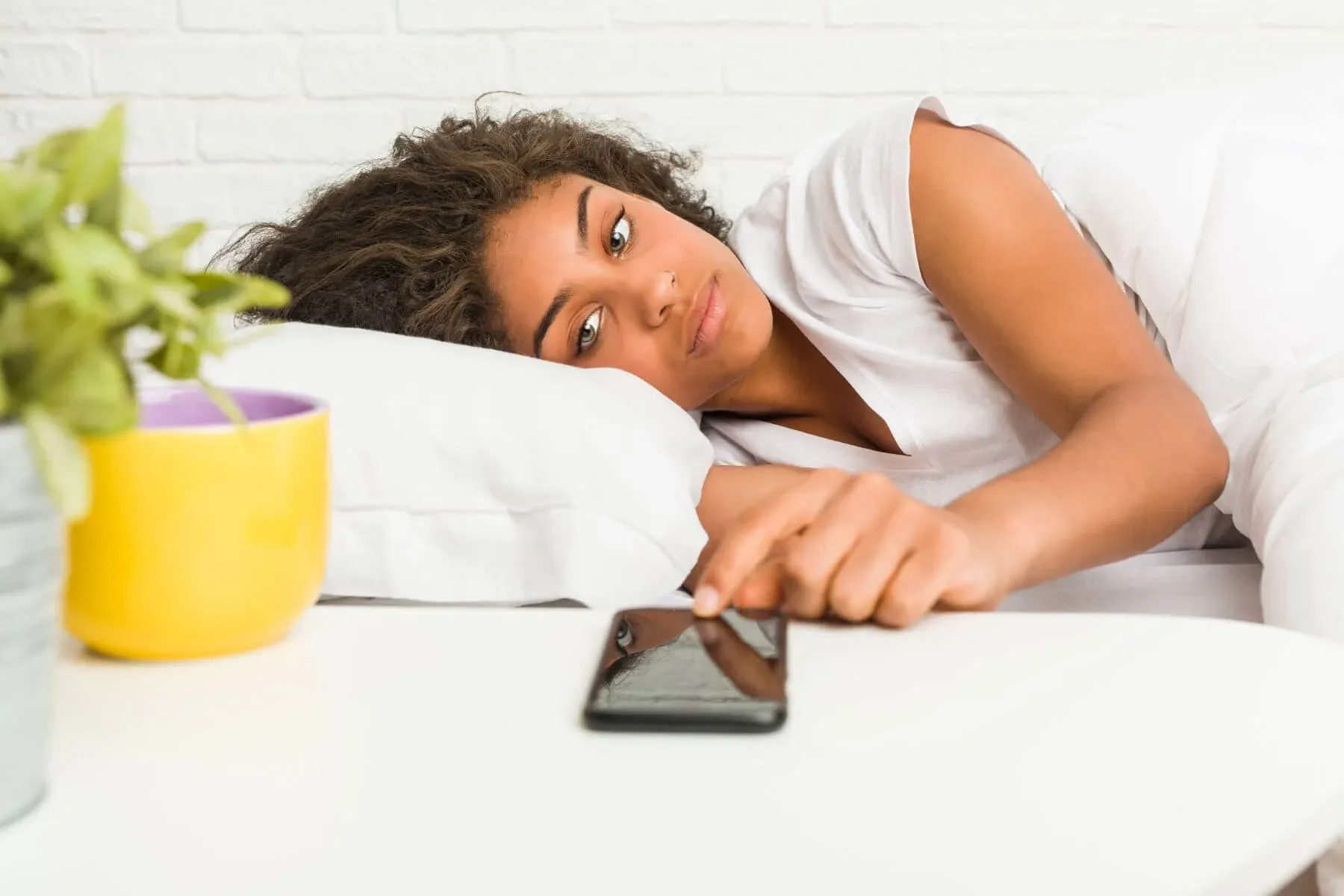
Limiting screen use for 1 to 2 hours before bedtime can improve sleep quality by supporting the body's natural melatonin production. Set an alarm that reminds you to turn off your devices. This can be done 2-3 hours before going to bed.
Helpful Tip: Set an alarm 1 hour before bed to remind you to stop scrolling on your device.
Use Screen Protectors
Blue light screen protectors are an easy way to reduce the amount of blue light emitted from digital devices. They work by filtering harmful blue light wavelengths, which helps decrease eye strain and discomfort.
Using these protectors can also improve sleep quality by limiting exposure to blue light, which disrupts natural sleep patterns. Choosing high-quality, tested screen protectors ensures effective blue light reduction, making screen time more comfortable and healthier for the eyes.
Scientific studies have demonstrated that blue light screen protectors can reduce blue light intensity by approximately 30% to over 60%, depending on device type and settings like brightness and night mode. [2]
Users frequently report feeling less eye discomfort and improved comfort with prolonged screen use when these protectors are applied.
Digital Device Detox
Just say no. Many have suggested that your bedroom should be a space free of digital interaction. Instead of interacting with your device, let your device interact with you.
Taking advantage of the latest sleep-tracking apps and devices, you can benefit from healthy technology while maintaining your natural circadian rhythms.
Did You Know: Exposure to blue light in the evening can trick our brain into thinking it is still daytime, disrupting circadian rhythms. The light emitted from tablets and gaming systems can significantly affect sleep quality and overall health.
Consider Ambient Lighting
Using softer, warmer, and dimmer lighting in the evening can help counteract the effects of blue light exposure. Avoid overhead bright lights and opt for lamps or bulbs with warm tones, such as red or amber, which are less likely to interfere with melatonin production and sleep.
Proper ambient lighting reduces eye strain by minimizing harsh contrast between screens and surrounding darkness, creating a more relaxing environment before bedtime. This simple adjustment supports better sleep and overall eye comfort.
Note: Blue light scatters more easily than other colors of light, which can contribute to visual discomfort and eye strain.
Ambient Bulb Options
An example of ambient lighting to reduce blue light exposure is using warm light bulbs with a color temperature between 2200K and 3000K.
These bulbs emit a soft, cozy glow that is soothing and less likely to interfere with sleep. A popular product choice is Philips Warm Glow LED bulbs (around 2700K), which are dimmable and produce a warm yellowish light perfect for evening use.
These bulbs can easily replace standard bulbs in lamps or overhead fixtures to create a relaxing and eye-friendly environment before bedtime.
Take Regular Breaks: The 20-20-20 Rule
When using screens for long periods, giving your eyes a break is crucial. The simple 20-20-20 rule can make a big difference: every 20 minutes, take a 20-second break and look at something at least 20 feet away.
This helps your eyes relax, reducing dryness, strain, and fatigue caused by prolonged screen focus. TheThe
American Academy of Ophthalmology recommends this rule to prevent eye strain and maintain eye comfort. Research supports this practice, showing it can ease symptoms like dry eyes and visual discomfort, especially when combined with other healthy screen habits. [3]
Setting a timer or using apps that remind you to take these frequent breaks can help make the 20-20-20 rule a regular part of your routine, keeping your eyes comfortable and refreshed throughout the day.
The Bottom Line
Blocking blue light exposure doesn’t have to mean giving up the devices that keep us connected and entertained. With simple, practical steps like using blue light filters, wearing protective blue light glasses, and adjusting your ambient lighting.
It’s possible to protect your eyes and support healthier sleep without sacrificing convenience.
Adding habits such as taking regular breaks with the 20-20-20 rule, limiting screen time before bed, and choosing quality screen protectors can make a noticeable difference in reducing eye strain and improving rest.
Remember, the key is balance and mindful use—technology is a tool meant to enhance life, not disrupt it.
Making these adjustments, you’ll not only ease eye discomfort but also help your body maintain its natural rhythms, leading to better sleep and overall well-being.
Taking control of blue light exposure today is a simple investment in your long-term eye health and quality of life.
Frequently Asked Questions
Do Blue Glasses Help with Sleep?
What Does Blue Light Do to Your Eyes?
How Long before Bed Should You Block Blue Light?
Disclaimer: This blog is for informational purposes only and is not a substitute for professional medical advice, diagnosis, or treatment. Always talk to your healthcare provider about your symptoms, conditions, or treatment options.