Key Takeaways
Men experience night sweats when internal triggers like low testosterone, sleep apnea, or infections disrupt the hypothalamus’s ability to regulate temperature. These biological factors are often exacerbated by external heat-trappers like memory foam mattresses, alcohol consumption, or intense evening workouts, which prevent the body from shedding heat during deep sleep.
- Low testosterone affects roughly 38% of men over 45 and is one of the most common hormonal causes of night sweats in men.
- Sleep apnea triggers a surge of adrenaline each time breathing stops, which spikes body heat and causes sweating, often multiple times a night.
- Antidepressants, steroids, and diabetes medications are among the most common prescription drugs that list night sweats as a side effect.
- Ongoing or severe night sweats alongside fever, unexplained weight loss, or mood changes should be evaluated by a doctor.
- Actively cooling your sleep surface, not just swapping to lighter sheets, is one of the most effective ways to reduce nighttime overheating.
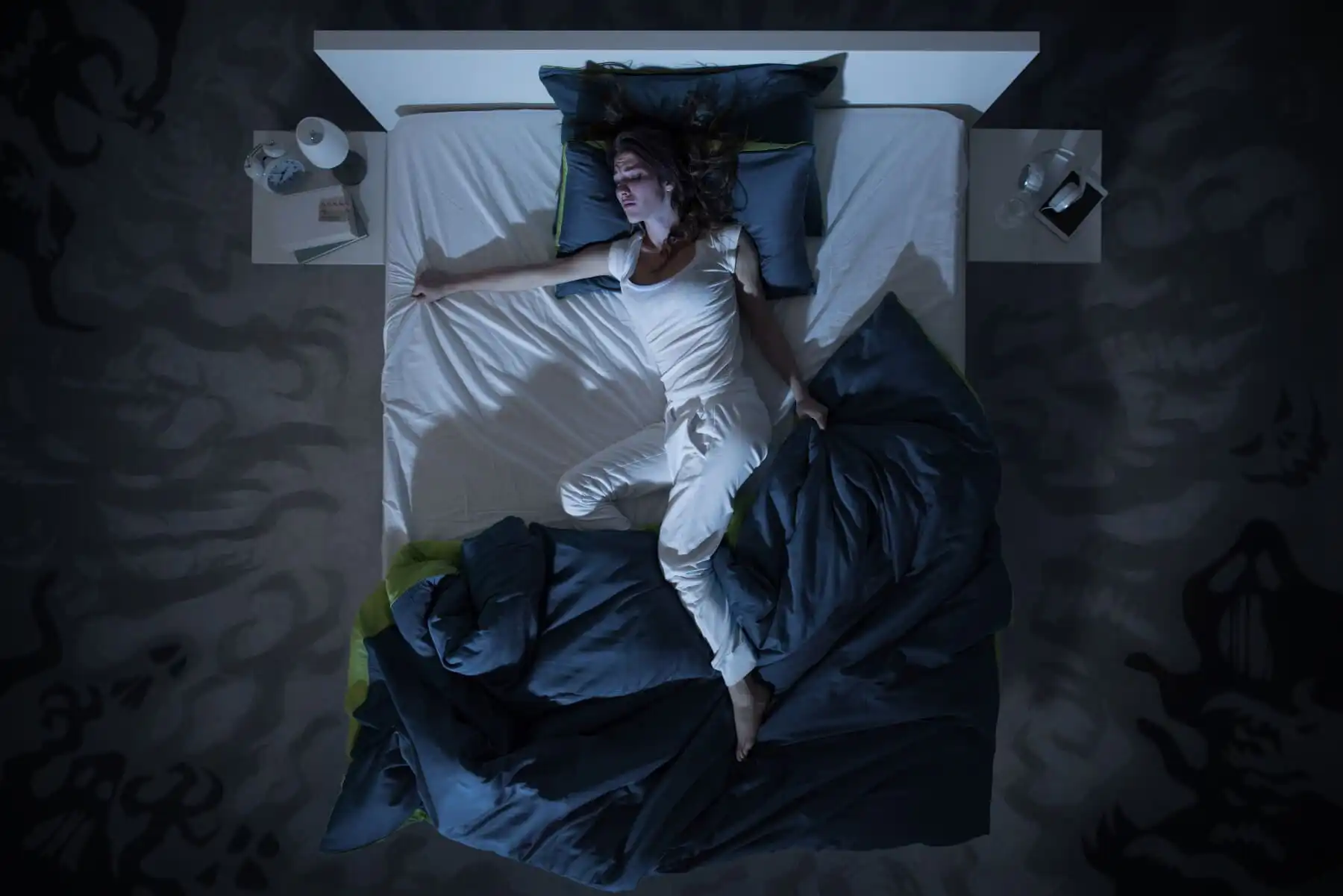
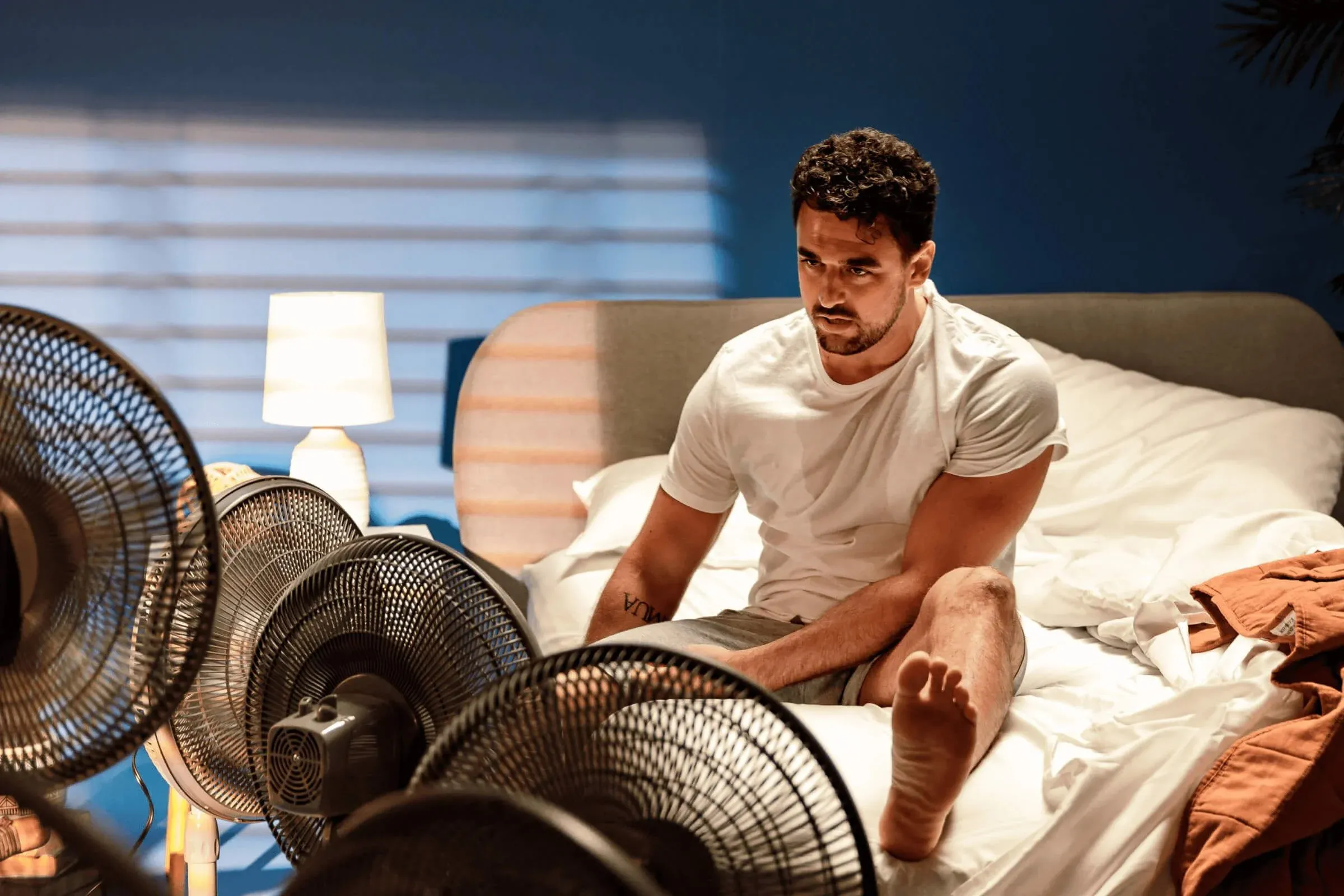
You wake up at 2am. Sheets are soaked. You're not sick. You didn't run a fever. So what's going on?
Night sweats in men are more common than most guys realize, and the causes range from easy fixes to things worth getting checked out.
Studies show that up to 41% of adults visiting primary care centers report experiencing night sweats, with the highest rates in people between 41 and 55. [1] If that's you right now, you're in good company and there are real answers.
This guide breaks down exactly why men get night sweats, what the research says, and what you can actually do about it.
The Ultimate Night Sweat Fix
Men, it’s time to stop surviving the night and start recovering. Ditch the midnight wake-ups and take total command of your sleep climate with the Chilipad.
What Causes Night Sweats in Men
Night sweats happen when your body's internal thermostat, controlled by a region of the brain called the hypothalamus, misfires during sleep. Instead of holding a steady temperature, it triggers a cooling response that wakes you up drenched.
The triggers vary. Some are hormonal. Some are mechanical. Some are sitting in your medicine cabinet right now.
The most common causes of night sweats in men include:
- Low testosterone (Low-T)
- Obstructive sleep apnea
- Stress and anxiety
- Infections
- Hyperthyroidism
- GERD
- Medications
- Diet and late-night exercise
Let's go over each each one, so you have a better understaning of each.
Low Testosterone (Low-T) Cause Night Sweats in Men
Can low testosterone (Low-T) cause night sweats in men? Yes. And it's more common than you'd think. When testosterone drops, the hypothalamus loses some of its ability to regulate body temperature accurately.
The result is hot flashes and night sweats that look a lot like what women experience during menopause.
Approximately 38% of men over 45 have low testosterone levels that can cause symptoms like these. [2] Low-T doesn't always come with an obvious red flag.
Other symptoms to watch for include:
- Low libido
- Decreased muscle mass and increased body fat
- Difficulty concentrating
- Depression or mood changes
- Loss of body and facial hair
- Enlarged breast tissue
Men, there's good new. Restoring testosterone levels, whether through lifestyle changes, dietary adjustments, or working with a doctor on treatment options, can significantly reduce night sweats and improve how you feel overall.
Related: Discover the best foods that can naturakky boost testosterone and support better sleep.

How Does Stress and Anxiety Trigger Nighttime Sweating?
Your body doesn't know the difference between a work deadline and a threat to your survival. Both activate the sympathetic nervous system, dumping cortisol and adrenaline into your system.
That raises your core temperature and heart rate, and your sweat glands get the memo even while you're asleep.
If you're running high stress levels day after day, waking up in a cold sweat at night isn't random. It's your nervous system still stuck in overdrive.
Practical ways to bring it down before bed:
- Light stretching or yoga to physically release tension
- Box breathing or meditation to downshift the nervous system
- Cutting screens 30 to 60 minutes before sleep. Read a book instead of scrolling on your phone.
- Keeping a consistent wind-down routine, not just on weekdays
None of these are magic bullets, but combined, they can meaningfully reduce cortisol spikes that are waking you up sweaty at 3am.
Related Blog: Learn how anxiety affects sleep quality and what to do about it.
Why Is Sleep Apnea a Common Cause of Night Sweats for Men?
Sleep apnea is one of the most underdiagnosed causes of night sweats in men, and it works like this: every time your breathing stops during an apnea event, your body floods with adrenaline to restart it.
That stress response spikes your body heat and triggers sweating. If it happens multiple times a night, you're not sleeping, you're surviving.
Men are three to five times more likely to develop obstructive sleep apnea (OSA) than women, with an estimated 3% to 7% of Americans affected overall. [3] Approximately 25% of men experience sleep apnea at some point. [4]
If your night sweats come with loud snoring, waking up with headaches, or feeling exhausted after a full night of sleep, OSA is worth ruling out.
CPAP therapy is the most common treatment and tends to significantly reduce nighttime sweating once breathing stabilizes.
Which Infections Are Linked to Persistent Male Night Sweats?
When your body is fighting an infection, it deliberately raises its internal temperature to create a hostile environment for pathogens. As the fever breaks, your body overcorrects by sweating hard to cool back down. That cycle can repeat all night.
Common culprits include the flu, bacterial infections, and more serious conditions like tuberculosis, endocarditis, HIV, and brucellosis.
If your night sweats started suddenly and are accompanied by fever, chills, unexplained weight loss, or swollen lymph nodes, don't chalk it up to stress. Get it checked. You'll want to call your doc
How Does an Overactive Thyroid Affect Male Body Temperature?
Hyperthyroidism throws your metabolism into overdrive. Your body runs hotter than it should, all the time, which makes temperature regulation during sleep nearly impossible.
Up to 91% of people with hyperthyroidism experience night sweats. [5]
Other signs your thyroid might be the issue:
- Unexplained weight loss
- Excessive daytime fatigue
- Elevated heart rate or blood pressure
- Feeling warm when others are comfortable
A simple blood test can check your thyroid hormone levels. The condition is treatable with medication, radioactive iodine, or surgery depending on severity.
Once your thyroid is back in range, the sweaty nights typically follow.
Can GERD Cause Night Sweats?
It's less common, but yes. Gastroesophageal reflux disease (GERD) can be associated with night sweats, likely because the physical discomfort and inflammation it causes activates a stress response.
Case studies have documented night sweat resolution following effective GERD treatment. [6]
If you experience regular heartburn, acid reflux, or discomfort lying down, and you also have night sweats, it's worth mentioning both to your doctor.
Proton pump inhibitors used to manage GERD may also reduce associated sweating.
Which Medications Cause Night Sweats as a Side Effect?
Antidepressants (SSRIs), steroids, and diabetes medications are primary culprits. These drugs can alter neurotransmitters like dopamine that manage your skin’s sweat response.
- Antidepressants (SSRIs): They alter dopamine pathways that regulate your skin's sweat response. Around 29% of people on antidepressants report night sweats as a side effect. [7]
- Steroids (cortisone, prednisone): These affect hormonal balance and metabolism, which can raise body temperature and increase sweating.
- Diabetes medications: When blood glucose drops below 70 mg/dL, hypoglycemia sets in and sweating is one of the first symptoms.
If you started a new medication around the same time your night sweats began, mention it to your prescribing doctor. Never adjust or stop a dose on your own, but there may be alternatives worth exploring.
Staying well hydrated throughout the day also helps your body regulate temperature more efficiently at night.
Can Your Diet Cause Night Sweats?
Yes! Processed foods, alcohol, spicy meals, and high-sugar intake can disrupt blood sugar, worsen sleep apnea, and increase core body temperature before bed.
Alcohol in particular is a common culprit. It might help you fall asleep faster, but it fragments sleep and raises body temperature in the second half of the night.
Exercise and High-Intensity Workout
Exercise
Vigorous exercise raises your metabolic rate for up to 14 hours after you finish. [8] That elevated metabolism produces heat, and if you're training hard in the late evening, your body may still be running hot when you're trying to sleep.
It doesn't mean stop training. It means pay attention to timing, and consider shifting intense sessions to earlier in the day if night sweats are a recurring problem.
How to Stop Night Sweats in Men
Waking up hot and drenched in sweat is a very uncomfortable and frustrating experience for most men, but relief is possible.
Here's the honest answer: you need to address the cause, not just the symptoms. If low-T, sleep apnea, or a medication is driving your night sweats, no amount of lighter sheets is going to fix it.
That said, actively cooling your sleep environment is one of the most effective things you can do while you work on the root cause. The difference between lying in trapped heat and sleeping on a surface that holds a consistent 60 to 68°F all night is not subtle.
- See your doctor if night sweats are persistent, especially with other symptoms
- Reduce alcohol and spicy foods close to bedtime
- Move intense workouts earlier in the day
- Build a wind-down routine that brings your nervous system down before sleep
- Upgrade your sleep surface. Breathable bedding helps, but a temperature-controlled system like the Chilipad actively pulls heat away from your body all night long instead of just absorbing it
Related Article: Read the full guide on how men can stop night sweats for a deeper breakdown.
When to See a Doctor About Night Sweats
Occasional night sweats are common. Waking up soaked multiple times a week is not something to push through and ignore.
See a doctor if your night sweats are accompanied by any of the following:
- Fever or chills
- Unexplained weight loss
- Swollen lymph nodes
- Mood changes or depression
- Excessive daytime fatigue
- Symptoms that started after a new medication
A doctor can run bloodwork, check testosterone and thyroid levels, and screen for sleep apnea. Most of the conditions behind chronic night sweats are treatable once you know what you're dealing with.