Key Takeaways
Muscle recovery doesn't just depend on workouts and nutrition — it relies heavily on lowering your core body temperature to unlock deeper sleep and overnight repair.
- After intense exercise, your body stays overheated, keeping your nervous system active and slowing the muscle repair process right when recovery should be starting.
- Core body temperature directly controls your ability to reach deep sleep. This stage where muscle repair peaks and growth hormone is released.
- Without proper cooling, you risk missing critical recovery phases, which shows up as lingering soreness, next-day fatigue, and a higher chance of injury over time.
- Cold showers, ice baths, and water-cooled mattress toppers are proven ways to bring core temperature down faster and improve the quality of overnight recovery.
- Even small changes to your sleep environment, such as dropping your room to 65–68°F before bed , can help you fall asleep faster and spend more time in deep sleep.
You’ve mastered your macros, perfected your sleep hygiene, and you never skip a stretch. So why are your muscles still screaming 48 hours later?
The answer isn’t in what you’re eating, but in how you’re cooling. While most athletes focus on external recovery, the real science of muscle repair happens at the core.
Managing your core body temperature is the secret to flushing metabolic waste and slashing inflammation.
Core body temperature is a key indicator of physiological health because it reflects the temperature of the body's internal organs, which is more stable than peripheral temperature. If you aren’t actively cooling down, you aren’t fully recovering.
The Science of Post-Workout Heat
Improving your recovery starts with understanding the internal chain reaction triggered by a rising core temperature.
Why Your Body Stays Hot After Exercise
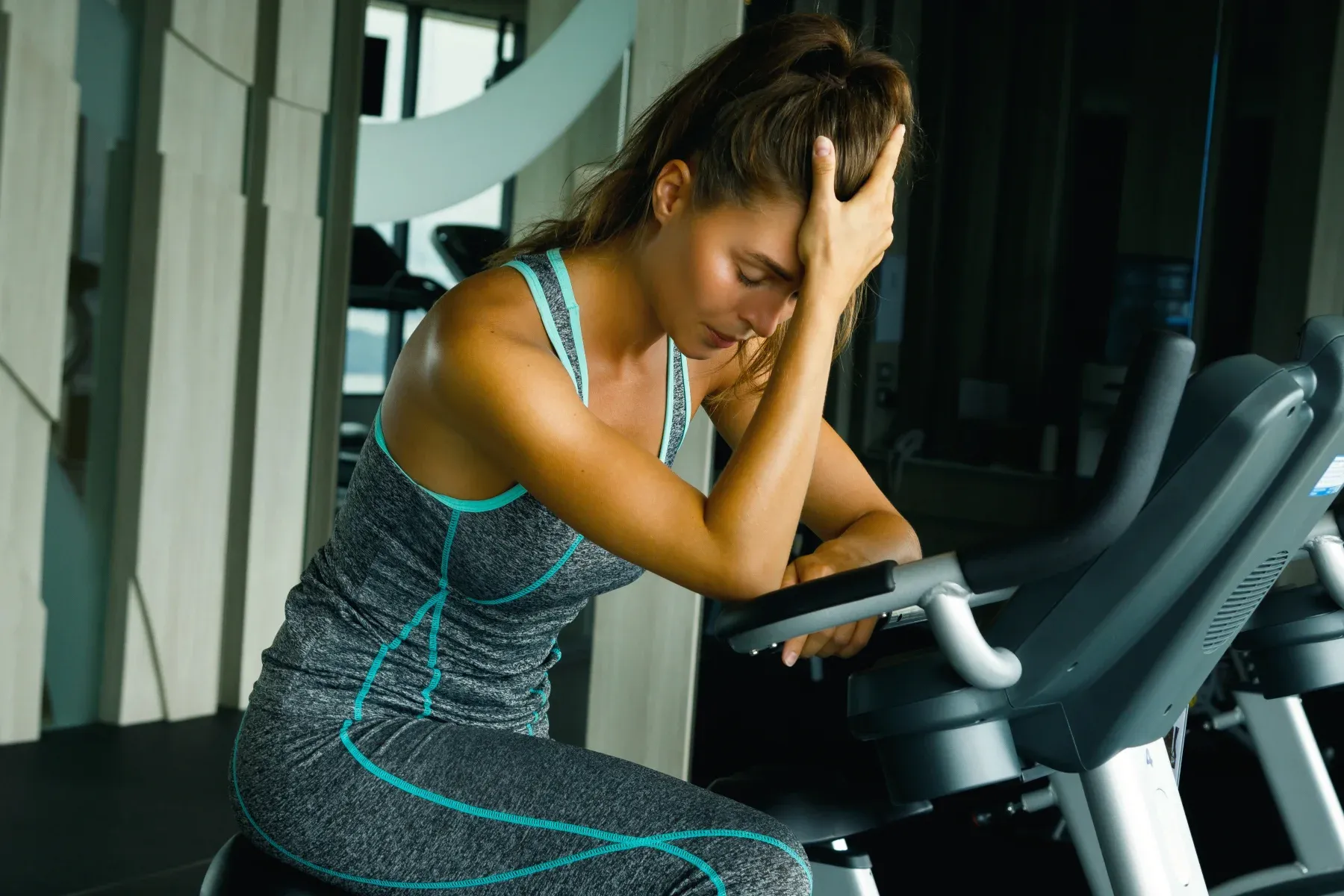
Your body doesn't just "switch off" the moment you rack the weights. During intense training, your muscles act like a high-output engine, generating heat that stays trapped in your core for hours.
While factors like age, hormonal shifts, and even the season can influence how you shed that heat, the result is the same: a body that stays on "high alert."
This lingering internal temperature isn't just a feeling, it’s a physiological roadblock that keeps your nervous system revved up and delays the start of deep muscle repair.
Thermoregulation and Recovery: The Missing Link
Think of thermoregulation as your body’s sophisticated HVAC system. After a grueling session, your hypothalamus. The brain's internal thermostat.
It scrambles to shed excess heat by activating sweat glands and dilating blood vessels to maintain homeostasis.
As long as your "thermostat" is dialed up to fight off heatstroke, your body can't flip the switch to recovery.
Research shows that this lingering heat is the primary thief of Deep Sleep, effectively locking you out of the phase where the majority of growth hormone, which drives muscle repair, is released. [1]
Sleep Cool, Recover Strong
Post-workout heat stalls your recovery before it even starts. The Chilipad 2.0 cooling mattress topper pulls that heat away from your body all night so you stay in deep sleep long enough to actually rebuild. Wake up ready to go.
Deep Sleep and Muscle Repair: The Anabolic Window
While cooling your core body temperature sets the stage for recovery, the actual 'heavy lifting' of muscle repair happens only once your brain enters the specific architectural stages of Deep Sleep.
How Core Body Temperature Affects Sleep Quality
During Deep Sleep, your body releases the majority of Human Growth Hormone (HGH), which drives muscle repair and growth.
This period, often called the “anabolic window,” is critical for athletes. However, your body needs to cool down to enter Deep Sleep.
Studies have found that a drop in body temperature signals sleep onset (falling asleep), and if you’re still overheated from your workout, you may miss out on this vital phase. [2]
Poor sleep quality doesn’t just leave you tired. It can slow muscle repair, increase soreness, and raise your risk of injury.
For athletes, optimizing sleep is a priority, and managing core temperature is a direct way to improve it.
Cooling Tools and Techniques for Athletes
Now that we’ve identified the 'why' behind thermal recovery, let’s look at the high-tech and low-tech cooling interventions you can start using today.
Ice Baths, Cold Showers, and More
Cold exposure has long been used to support recovery. Traditional methods, including ice baths, cold showers, and cold plunges, are popular for reducing inflammation and muscle soreness.
While these methods can be effective, they’re not always practical or comfortable. Especially before bed.
The Rise of Water-Cooled Mattress Toppers
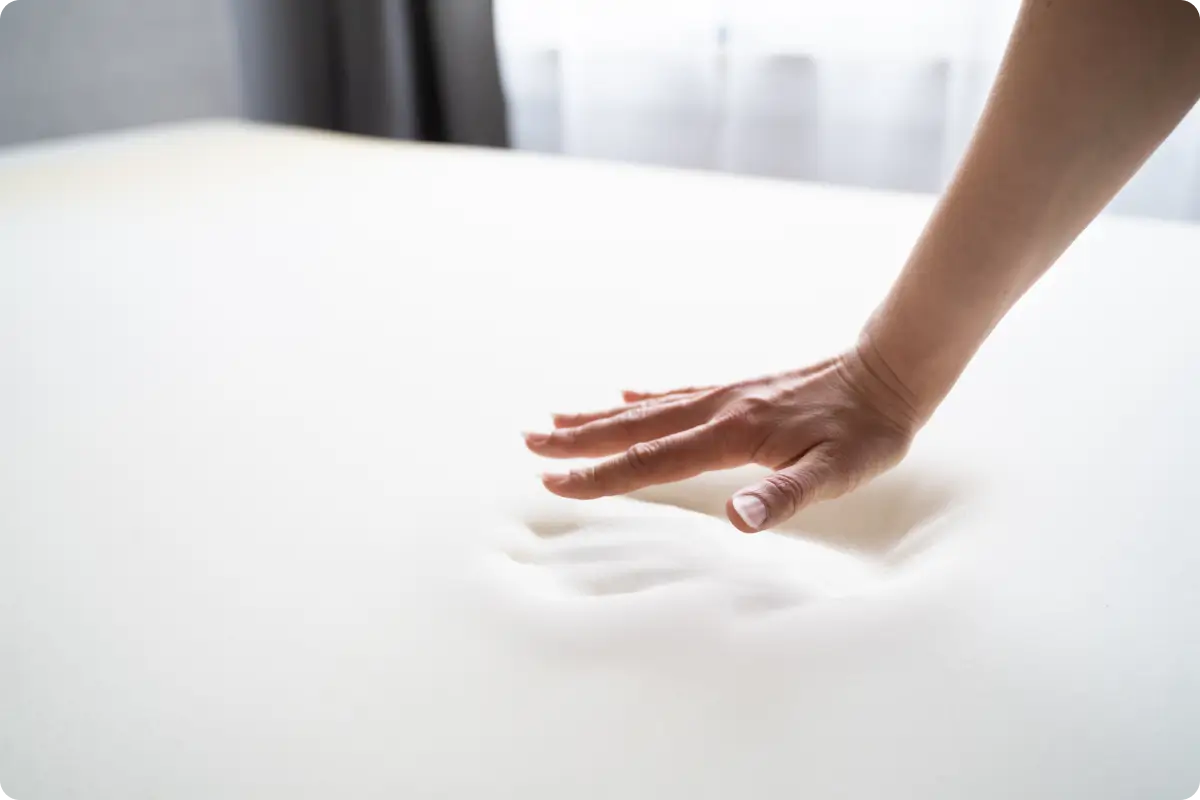
New recovery tools are making it easier to manage core temp overnight. Water-cooled mattress toppers, for example, circulate cool water beneath you as you sleep.
This helps gradually and consistently lower your body temperature throughout the night unlike bed fans.
Unlike ice baths, these pads are designed for comfort and can be used throughout the night, making them a practical solution for athletes aiming to optimize recovery without disrupting their routine.
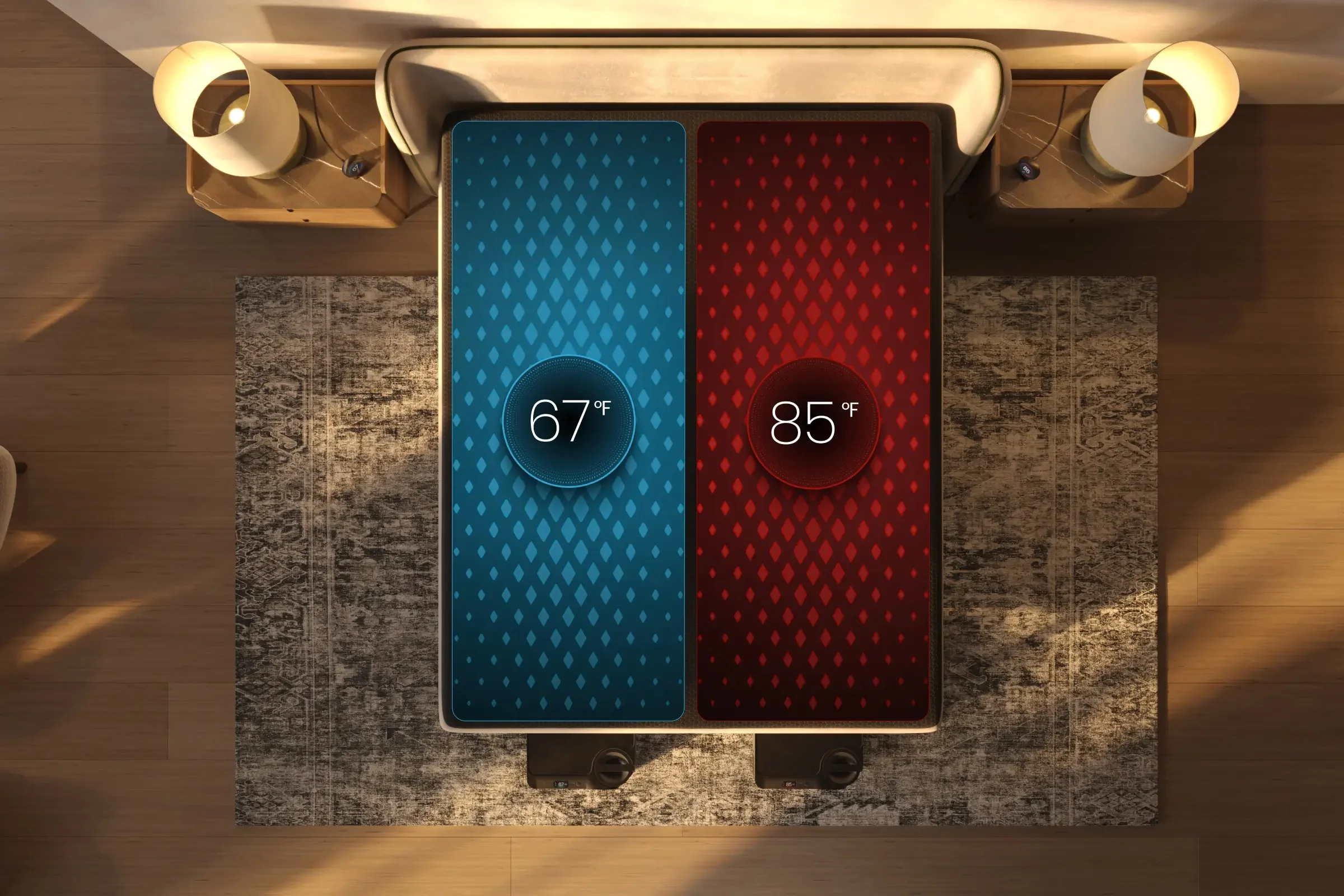
Water-Cooled Mattress Pads
You'll want to get a better understanding of how they work and why they matter: While ice baths offer a quick, intense shock to the system, the real recovery breakthrough happens overnight.
By automating your core temperature for your entire sleep cycle, you give your body a sustained environment to heal without the stress of a sudden freeze.
Recovery starts with cooling down, and for athletes, it’s become an essential step.
Science-Backed Benefits for Athletes
Recent studies show that water-cooled mattress pads can improve sleep quality and speed up recovery for athletes.
When lowering it, these pads help you fall asleep faster, spend more time in Deep Sleep, and wake up feeling more refreshed. [3]
Athletes using cooling pads often report less muscle soreness, better mood, and improved performance in subsequent training sessions.
Choosing and Using a Cooling Mattress Pad
Not all cooling mattress pads are the same. When selecting one, consider:
- Adjustable temperature settings for personalized comfort
- Quiet operation to avoid sleep disruption
- Easy set up, laundering and maintenance for regular use
- Compatibility with your mattress size
For best results, set your pad to a cool. Make sure it's not too cool and comfortable. Set the temperature for about 30 minutes before bed.
This helps your body begin the cooling process and signals your brain that it’s time to sleep
Better Sleep, Better Performance
The relationship between sleep and athletic performance is well established. Athletes who get quality sleep recover faster, build more muscle, and perform better in both training and competition.
For example, research from Stanford University found that basketball players who increased their sleep duration improved their sprint times and shooting accuracy.
By managing your core body temperature and improving sleep quality, you give yourself a real advantage.
Optimizing Your Core Temperature
Ready to put this science into practice? Here’s how you can start optimizing your body temperature for better recovery:
- Cool down after workouts: Use a cold shower or ice pack to help lower your body temperature.
- Create a cool sleep environment: Set your bedroom temperature between 60–67°F (15–19°C).
- Try a water-cooled mattress pad: Choose a pad with adjustable settings for personalized comfort.
- Establish a bedtime routine: Allow your body time to wind down and start the cooling process before sleep.
- Monitor your sleep: Use a sleep tracker or keep a sleep diary to see how changes in temperature affect your rest and recovery.
Embrace the Cold for Better Recovery
Managing your core temperature isn’t just about comfort. It’s a science-backed strategy for better sleep, faster muscle repair, and improved athletic performance.
By cooling down after workouts and optimizing your sleep environment, you can maximize your recovery.
Don’t let post-workout heat hold you back. Embrace the chill and wake up ready to perform at your best.
Frequently asked questions
How Does Core Temp Affect Recovery?
Why Is Sleep Quality So Important for Athletic Performance and Recovery?
Disclaimer: This blog is for informational purposes only and is not a substitute for professional medical advice, diagnosis, or treatment. Always talk to your healthcare provider about your symptoms, conditions, or treatment options.