

Key Takeaways
Hot flashes at night can disrupt sleep suddenly and repeatedly, but understanding the triggers and using targeted cooling strategies can make nights more manageable.
- Nighttime hot flashes, often called night sweats, cause sudden waves of heat and sweating that can wake you up and break sleep cycles.
- Hormonal shifts from menopause, along with stress, certain medications, and daily habits, are common drivers of nighttime overheating.
- Frequent sleep interruptions from hot flashes can lead to next-day fatigue, irritability, and trouble focusing.
- Cooling sleep solutions like the Chilipad Dock Pro and Cube help regulate sleep surface temperature to reduce wake-ups caused by overheating.
- Simple lifestyle adjustments—hydration, breathable sleepwear, and avoiding spicy foods or alcohol before bed—can help reduce the intensity and frequency of night sweats.
Sleeping hot and waking up sweaty are two common complaints often heard during perimenopause, menopause, and beyond, that can make getting quality sleep difficult.
And if you’re like so many women experiencing these life changes, sleeping cool can be incredibly challenging.
Most women entering this stage of life are painfully aware of it every day (and night). In fact, one of the first indicators of perimenopause is sleep loss; hormones start to fluctuate during this time, disrupting nighttime rest for most.
Hot flashes during the day, night sweats during the night. Life can start to feel a little unbearable for some with severe symptoms.
On average, these hot flash symptoms begin when a woman is around 45 years old and could last for many years, well past the time when menopause is reached in full.
What is a Hot Flash?
Hot flashes are characterized by a sudden feeling of warmth in the upper body, intense heat, sweating, and reddened skin during these episodes are common symptoms during menopause.
These flashes can start during perimenopause, continue through menopause and postmenopause, and even persist indefinitely. Hot flashes result from an imbalance in the hormones that regulate body temperature. They can bring on perspiration, also known as night sweats.
Thankfully, there are treatments to relieve these symptoms that can involve medications, non-hormonal therapies, or life alterations.
Hot Flash Statistic: More than 80% of women experience hot flashes during menopause. [1]
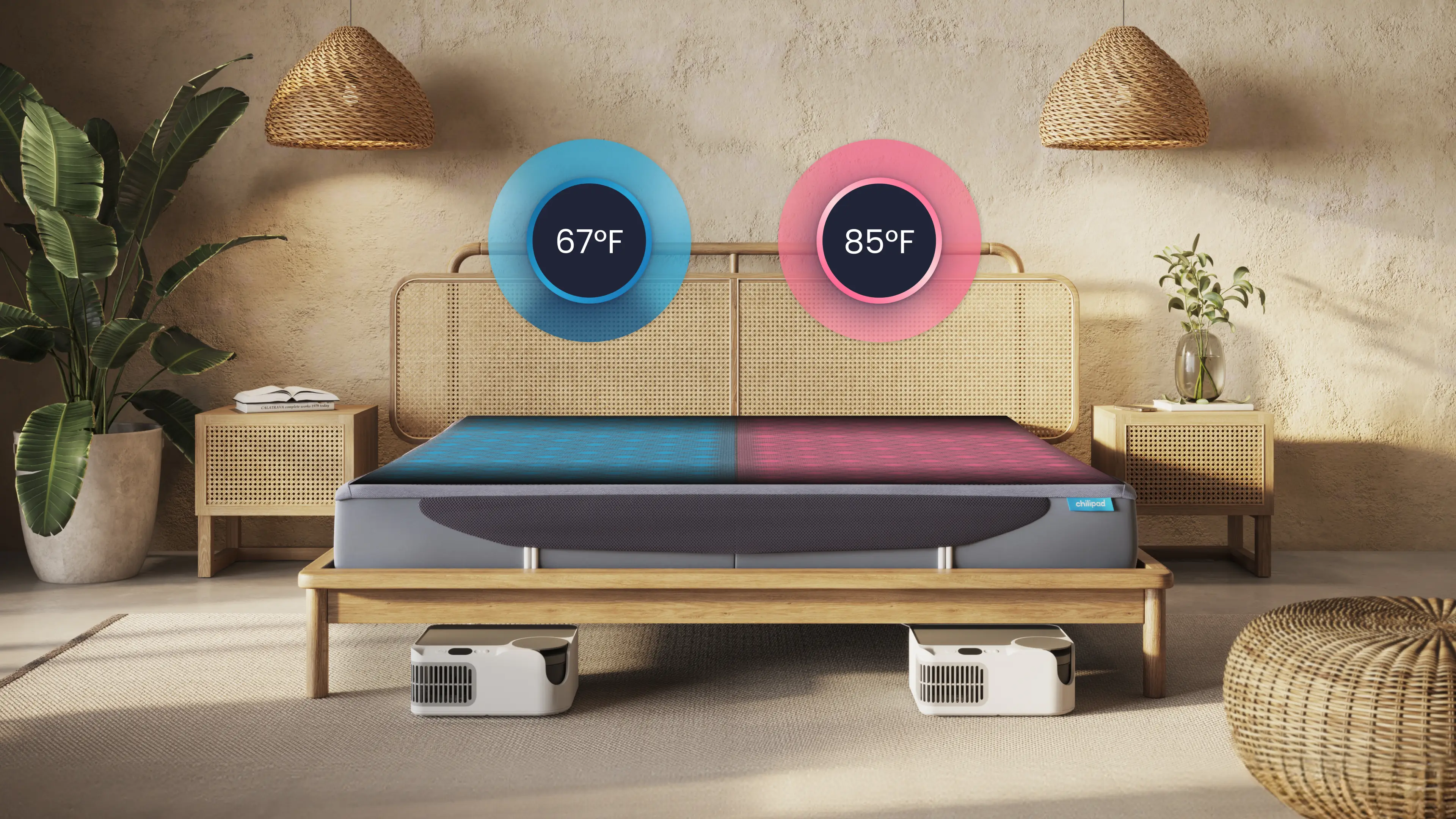
Menopause Relief Starts Now – Save on the Chilipad
Hot flashes don’t have to hijack your nights. Shop our sale and sleep cooler with the Chilipad. Adjust your current mattress anywhere from 55°F to 115°F—so you can stay cool during hot flashes or warm when you need comfort.
What Causes Hot Flashes?
Let's explore the various factors that lead to hot flashes, understanding their root causes and triggers:
Menopause
The most common cause of hot flashes is due to menopause, the natural cessation of menstruation that typically occurs between the ages of 45 and 55. It marks the end of a woman’s reproductive period and is a normal part of aging for women.
Some women (estimated 15%) glide through this time with no typical menopausal symptoms at all. For the other 85%, the transition can bring on unbearable hot flashes and night sweats, sleep disturbances, brain fog, and many other symptoms.
Read More: Research indicates that women who experience hot flashes may have an increased risk of heart disease and greater bone loss compared to those who do not have hot flashes.
The most infamous symptom associated with menopause quite often has the most damaging effects. Hot Flashes! It affects so much of a person’s day-to-day life. Hot flashes cause women to suffer from insomnia and wake up in a pool of sweat. This is uncomfortable and can lead to problems throughout the day caused by a lack of quality rest.
To understand how cooler temperatures can benefit your sleep, especially during menopause when hot flashes are common, read The Benefits of Sleeping at Cooler Temperatures.
Sleepme Menopause Study Results
Sleepme was recently involved in a new Wake Forest University menopause study which investigated the role between colder sleep and the worst symptoms of menopause: hot flashes and night sweats. [2]
Additionally, hot flashes can be triggered by several other factors, including:
Stress & Anxiety
Stress and anxiety can significantly impact the body, often triggering physiological responses like hot flashes. When an individual is stressed or anxious, the body's natural reaction can disrupt its normal temperature regulation, leading to sudden warmth or sweating.
This reaction is due to the release of certain hormones during stressful situations, which can inadvertently trigger the same mechanisms that cause hot flashes. Understanding and managing stress through relaxation techniques or lifestyle changes is an effective way to help reduce the occurrence of these symptoms.
The Impact of Alcohol and Caffeine
Alcohol and caffeine are known to affect the body's temperature regulation, which can trigger hot flashes in some individuals. Alcohol, for instance, can cause the blood vessels to dilate, leading to an increased sensation of warmth.
Similarly, caffeine stimulates the nervous system and can disrupt hormonal balance, both of which can contribute to the onset of hot flashes. Being mindful of alcohol and caffeine consumption, especially in the evening hours, can help manage these sudden warmth episodes and contribute to overall better temperature regulation in the body.
The Role of Spicy Foods
For some, consuming spicy foods can act as a trigger. This is because spicy ingredients can stimulate the body's heat receptors, causing an increase in body temperature. When these heat receptors are activated, it can mimic the thermal sensations associated with hot flashes, including a sudden feeling of warmth and sweating.
This reaction can vary significantly among individuals; some may be more sensitive than others. Being aware of this potential trigger can help manage and reduce the occurrence of hot flashes at night.
Smoking
Smoking can be a significant contributor to hot flashes. The chemicals in cigarettes, particularly nicotine, affect the body's temperature control mechanisms. Nicotine can cause blood vessels to constrict and then suddenly dilate, leading to a rapid increase in skin temperature—a sensation similar to what occurs during a hot flash.
Bedroom Environment
Sleeping in a hotbed or bedroom can result in hot flashes and night sweats. If you are experiencing either one of them, a good way to begin recognizing your triggers would be to start a journal to help understand the occurrence and severity.
You'll be able to track how hot flashes vary more, including what you were doing, drinking, eating, wearing, or feeling when they occur. After several weeks, you may see a pattern that can help you to avoid specific triggers.
More: If you're interested in learning more about women's health and wellness or want to stay up-to-date with the latest news, we have compiled a list of our favorite podcasts that you can add to your playlist. These are the top health podcasts for women.

Why Are Hot Flashes Worse At Night?
Hot flashes tend to feel more intense at night, and you're not imagining it. But why does this happen? Well, it's a combination of factors, including hormonal shifts that are more prominent at night during your sleep and your body's natural temperature dip, which can make even small increases feel more dramatic.
If you want to learn more about why this occurs, read our blog: Why Are Hot Flashes Worse at Night?
How to Treat Night Sweats and Hot Flashes
In short, because menopause causes hot flashes, the symptoms cause a lack of sleep! Creating a plan of action by treating hot flashes can decrease their impact and the impact of other menopause symptoms.
To assist in managing hot flashes during menopause, we've compiled a range of strategies aimed at reducing their severity and frequency. These methods are designed to help you navigate and ease the discomfort associated with hot flashes, tailoring your approach to better suit your individual needs during this transitional period.
Cooler Sleepwear
Try to stay in a cool environment and wear loose, lightweight clothing that can help manage hot flashes. Additionally, select the right clothing for the bed. That giveaway-free polyester T-shirt isn’t the best option when it comes to getting a good night’s rest. Cotton is one of the best breathable options for staying cool.
This can also include bedding. Similar to cooler clothing, having the right bedding materials will ensure you’re comfortable and cool while asleep. Wear layers that you can easily remove when a hot flash starts.
Did You Know: Cotton, bamboo or eucalyptus sheets provide breathability.
Create a Cool Sleep Environment
Make sure your room is ready for sleep; creating the ideal sleeping environment is essential. This means adjusting the temperature to a comfortable level, ensuring the room is dark enough to signal your brain it's time to rest, and making it as quiet as possible or drowning out disruptive noises with a white noise machine.
Sleeping Tip: For ideas on improving your bedroom to improve your sleep quality, check out our blog, Designing the Ideal Bedroom for Enhanced Sleep Quality, where we share top tips on creating the ideal sleeping environment.
Minimizing exposure to bright lights and electronic screens before bedtime is also helpful, as these can interfere with your body's natural sleep cycle. A few adjustments to your sleeping space, including cooler sleep temperature, can significantly improve the quality of your sleep.
Bed Cooling System & Mattress Pad for Hot Flashes
Explore purchasing the Chilipad Dock Pro, our cooling mattress topper to treat hot flashes and night sweats. This ultimate cooling mattress provides a perfect sleep climate, no matter your body’s heat load or room temperature.
You can easily select a temperature as low as 55ºF to help cool your body. Sleeping in a cooler bed will reduce hot flashes and night sweats, improving your overall sleep.
You can also explore the Cube, our original mattress cooling pad.
Did You Know: The key to combating severe hot flashes that accompany these three menopausal stages and keep women from getting great sleep is controlling your body's temperature.
Read More: Greater Than 50% Reduction in Hot Flash Severity and Frequency
Avoid Triggers
When managing hot flashes at night, it's important to be aware of and gradually avoid certain triggers. These triggers can include substances like alcohol and caffeine, which are known to affect your body's temperature regulation. Certain foods can also induce heat sensations in the body, potentially triggering hot flashes.
Additionally, tobacco use has been linked to increased hot flash frequency. By being mindful of these triggers and reducing your exposure to them, you can help minimize the occurrence and severity of hot flashes. This approach allows you to better control these symptoms through lifestyle adjustments.
Exercise Regularly
Regular physical activity can help reduce the frequency and severity of hot flashes. In a recent study, women who regularly worked out five times a week for 45 minutes experienced a 60% reduction in the frequency of hot flashes. [3]
Practice Relaxation Techniques
Techniques such as deep breathing exercises, meditation, and yoga may reduce the severity and instances of hot flashes.
Eat a Healthy Diet:
Which is the menopause diet? A whole-food diet with plenty of fruits, vegetables, and whole grains may help reduce hot flashes. Popular food choices include green leafy vegetables, broccoli, carrots, apples, pineapples, proteins, fatty fish (salmon), nuts, and seeds.
Stay Hydrated
Staying hydrated by drinking plenty of water is key to managing your body's temperature and can be particularly beneficial. Water helps to cool the body internally, which can mitigate the intensity and frequency of hot flashes.
Adequate hydration also aids in overall bodily functions and can contribute to feeling more comfortable and less prone to sudden temperature spikes. It's important to integrate regular water intake throughout the day to maintain a consistent level of hydration, which can be crucial in helping to regulate body temperature during menopausal changes.
When to See Your Doctor
Hot flashes can be managed with lifestyle changes and over-the-counter remedies. However, it is a good idea to see a doctor if they disrupt your daily life, if you have other unexplained symptoms, or if you are experiencing symptoms and have not, to your knowledge, entered perimenopause yet.
The North American Menopause Society website provides a search feature for women in the United States or Canada who are looking for healthcare providers interested in helping them manage their health during and after menopause.
This feature can help women manage their health through menopause and beyond. Get started here.
Final Thought
Maintaining a healthy lifestyle can lower the amount and intensity of hot flashes. Since no two women are alike, the methods used to treat hot flashes may vary. Also, it's important to understand that hot flashes may only last a few months, while others experience symptoms of menopause for several years or longer.
Remember, trying different treatment options may be beneficial if one isn't successful, and this uncomfortable experience will eventually end.