Key Takeaways
Sleeping cooler during cancer treatment starts with understanding why your current setup is working against you and then making targeted changes to fix it.
- Most sleep environments are working against patients’ needs unbeknownst to them. Memory foam, standard bedding, and ambient cooling are part of the problem.
- Room temperature between 60 and 67°F and moisture-wicking fabrics are a good starting point, but often not enough on their own.
- Fans and AC cool the room, not you. When the body is actively generating heat, you need something that responds to your body specifically.
- Water-based active cooling is more effective than passive methods at pulling heat away from the body consistently throughout the night.
- Small lifestyle adjustments, such as a pre-bed shower, avoiding dietary triggers, and breathwork, can meaningfully reduce symptom severity when combined with temperature control.
Night sweats from cancer treatment are more common than most people expect, affecting anywhere from 10% to over 50% of patients, depending on the cancer type and treatment. [1]
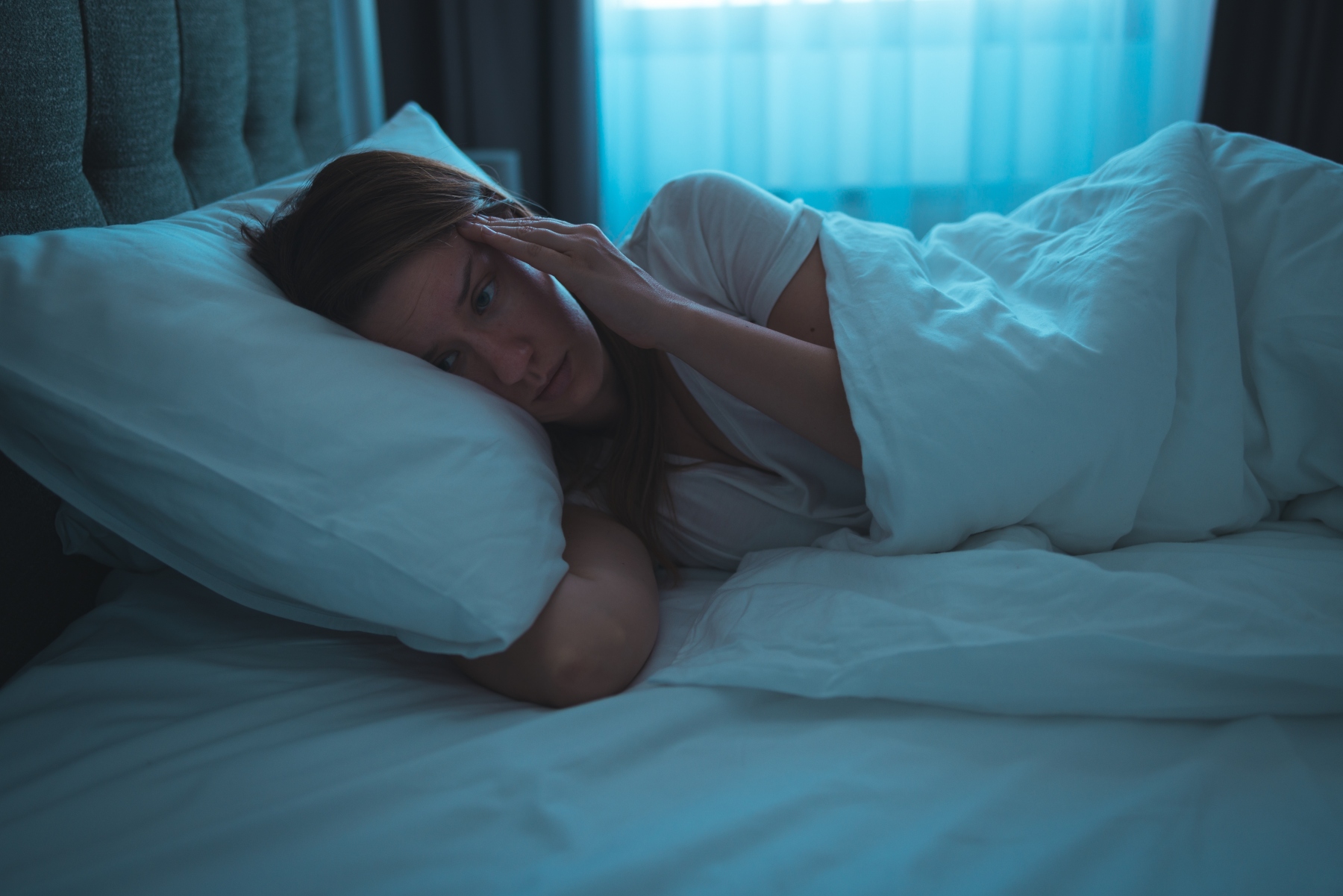
But waking up drenched every night isn't something you just have to go through. You can't always control what treatment does to your body's thermostat.
You can control what you sleep on, what you sleep in, and how your environment responds when your temperature spikes at 2 am.
Whether you’re searching for information for yourself or a loved one, we’ll go over what can help, from quick, low-cost fixes to the technology designed specifically for people whose bodies aren't regulating temperature on their own right now.
Currrent sleep Setup
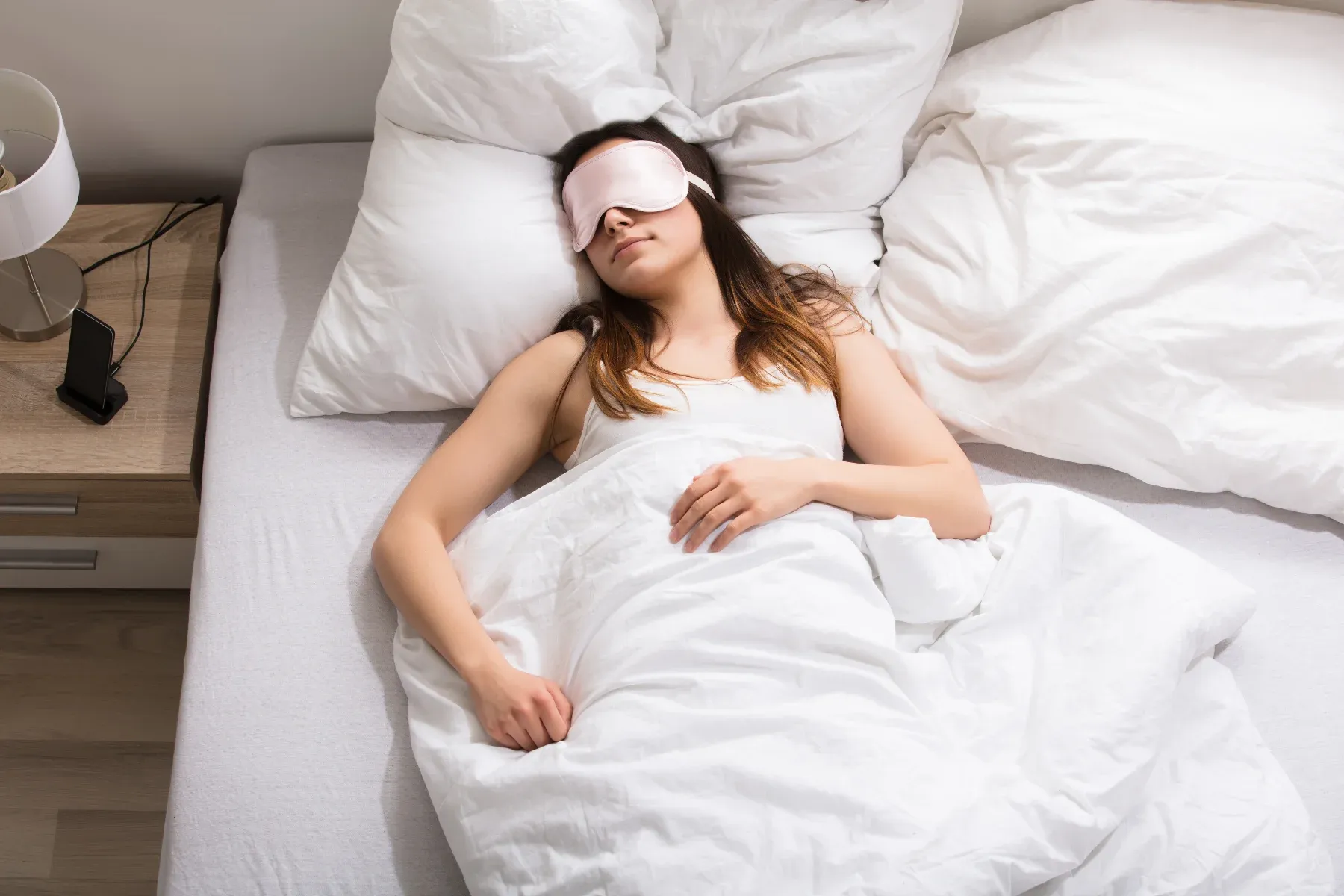
Your current bedroom setup is probably one of the main culprits. Most people's sleep environments were built for normal sleep, not for a body fighting through chemotherapy, hormone therapy, or immunotherapy.
Without realizing it, your bedroom may be actively compounding your symptoms.
Memory foam mattresses are the biggest culprit. They conform to your body by absorbing heat, then inevitably radiate it back at you all night. Standard cotton bedding holds moisture against your skin, raising the surface temperature you're sleeping on.
And fans or AC units cool the air in the room, which helps, but when your body is generating heat internally due to treatment, cooling the air around you only goes so far.
Passive cooling reacts to room temperature. Your body's treatment-driven heat spikes don't care about room temperature. That's where most standard setups fall short.
A Cooler Night Is Part of Your Recovery
You can't control everything the treatment throws at your body. You can control your sleep environment. Chilipad 2.0 pulls heat away from your body all night with consistent, water-based temperature regulation, so night sweats no longer interrupt the sleep your body needs to heal.
Quick Environment Fixes
hese won't solve everything, but they're worth looking into or trying immediately.
- Set your room to 60 - 67°F: This is the evidence-backed best range for sleep. People going through cancer treatment who want to manage night sweats lean toward the cooler end.
- Swap your bedding: Bamboo and Tencel fabrics are significantly more breathable than standard cotton, wicking moisture away from the body rather than retaining it. This reduces the feedback loop where sweat trapped against your skin raises your surface temperature further.
- Layer lighter: Instead of one heavier blanket, use thinner layers you can shed quickly without fully waking up. Keep a light change of clothes within reach.
- Pre-bed shower: Take a warm shower or bath 60 to 90 minutes before bed. This can trigger a cooling response and help lower your core temperature naturally, giving your body a head start before you try to sleep.
Real Relief: How Jessica Reclaimed Her Sleep
When your body is fighting to heal, you can't afford to lose precious deep sleep. Discover how active, water-powered cooling gave Jessica her rest back so you can experience the same relief.
Why Passive Cooling Isn't Enough
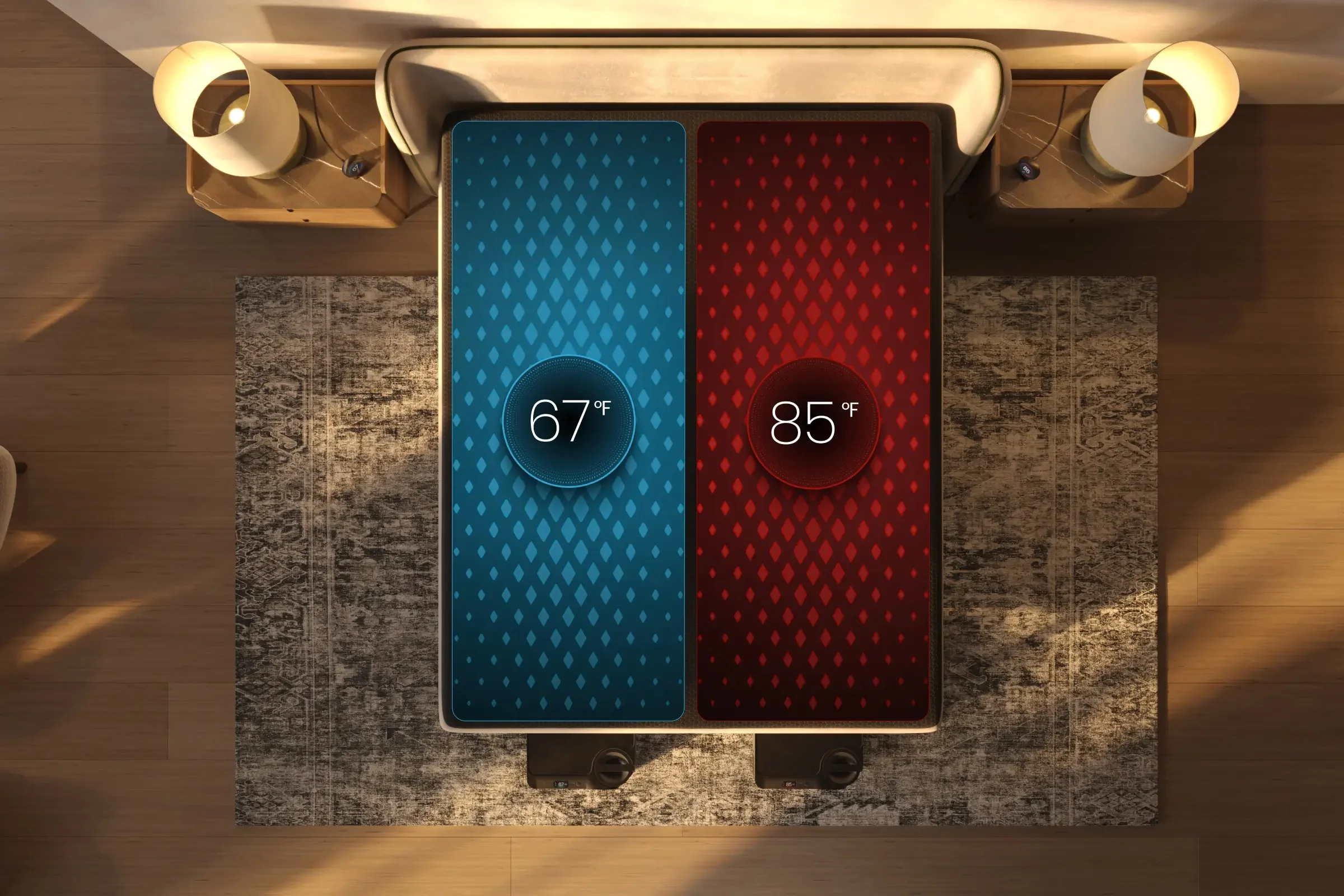
The Chilipad 2.0 circulates temperature-controlled water through a thin mattress pad all night. Not the air around you. The surface you are actually sleeping on. You set the temperature between 55 and 115ºF.
It holds it all night, regardless of what your body is doing or what the room temperature is.
Water conducts heat away from the body far more efficiently than air. That is why this works when fans, cooling toppers, and open windows don't.
For couples. Each side of the bed has its own independent temperature zone. One partner can run cool while the other stays warm. No negotiation, no compromise, no one person losing sleep over the other's temperature preference.
What the research shows. Consistent, controlled sleep surface temperature reduces nighttime wake-ups and improves sleep in people experiencing vasomotor symptoms, the same category triggered by cancer hormone therapies in both men and women. [2]
Chilipad users managing treatment-related night sweats consistently report fewer wake-ups and less damp bedding.
The ability to control something that previously felt completely out of your hands matters more than most people expect until they experience it.
“I am loving it. It is really helping with reducing my hot flashes from my cancer medications. Also love just turning it up to have a warm bed to get into. It's like lying on an electric blanket. Just love it!” - Susie W. (Trustpilot)
Lifestyle Adjustments That Support Better Sleep
None of these will fix the problem on their own. But paired with the right sleep environment, they can certainly take the edge off.
- Watch what you eat and drink before bed. Caffeine, alcohol, and spicy foods are all known to trigger or amplify vasomotor responses. Cutting them off a few hours before bed reduces the load on your thermoregulatory system overnight.
- Breathwork before sleep. Elevated cortisol from treatment-related stress contributes to nighttime temperature spikes. A simple 5-minute breathwork practice like box breathing or slow diaphragmatic breathing can bring the nervous system down before you try to sleep, reducing the cortisol component of your night sweats.
- Stick to a consistent sleep schedule. Irregular sleep timing disrupts circadian rhythm, which is already under pressure from treatment. A consistent schedule helps your body's natural temperature regulation stay as predictable as possible.
When to Speak With Your Doctor
Everything above is complementary to your medical care, not a replacement for it. If your night sweats are severe, worsening, or accompanied by fever, that's when it’s time to have a conversation with your care team right away.
It's also worth asking specifically about whether any current medications may be contributing. Medication timing adjustments that could reduce overnight symptom peaks, and non-hormonal prescription options for managing hot flashes.
There are alternative options that work well for patients who can't or shouldn't use hormone replacement. Your doctors want to help with this. You don't have to just push through it.
The Bottom Line
You can't control everything about treatment. But you can control your sleep environment, and it matters more than most people give it credit for.
Sleep is when your body repairs itself, consolidates memory, regulates mood, and prepares your immune system for another day. Protecting your sleep isn't a comfort measure. It's a recovery strategy.
Night sweats might be part of the process right now. Suffering through them all night doesn't have to be.
Explore Chilipad's cooling systems, designed to give you consistent, precise temperature control all night so your body can focus on what it actually needs to be doing.
This blog is for informational purposes only and is not a substitute for medical advice or guidance from your healthcare provider. If you are experiencing severe or worsening night sweats or symptoms accompanied by fever, please consult your care team.
Frequently asked questions
What Temperature Should My Bedroom Be During Cancer Treatment?
Does the Chilipad Help With Night Sweats?
Can My Partner Use the Chilipad if They Don’t Have Night Sweats?
Should I Talk to My Doctor About Night Sweats During Treatment?
Will Lifestyle Changes Alone Fix My Night Sweats?
Disclaimer: This blog is for informational purposes only and is not a substitute for professional medical advice, diagnosis, or treatment. Always talk to your healthcare provider about your symptoms, conditions, or treatment options.