
Key Takeaways
Night sweats during cancer treatment are almost always caused by hormone changes, not the cancer itself.
- Night sweats during cancer treatment are a physiological response, not something going wrong.
- Hormone therapy (for both breast and prostate cancer) is the most common driver, triggering menopause-like symptoms.
- Chemotherapy can disrupt the hypothalamus, the brain's internal thermostat, causing false overheating signals.
- Disrupted sleep during treatment isn't just uncomfortable. It directly impacts immune function, cellular repair, and mental health.
- Targeted temperature control, not just passive cooling, is often needed when the body's thermostat is dysregulated.
Short Answer
Cancer treatments like chemotherapy, hormone therapy, and surgery can lower estrogen or testosterone levels, which confuses the hypothalamus, the part of the brain that controls body temperature. This can trigger sudden waves of heat and sweating, including at night. For most people, this is a side effect of treatment working, not a sign the cancer is getting worse.
You're doing everything right. Showing up to every appointment. Taking your medications. Pushing through the hard days.
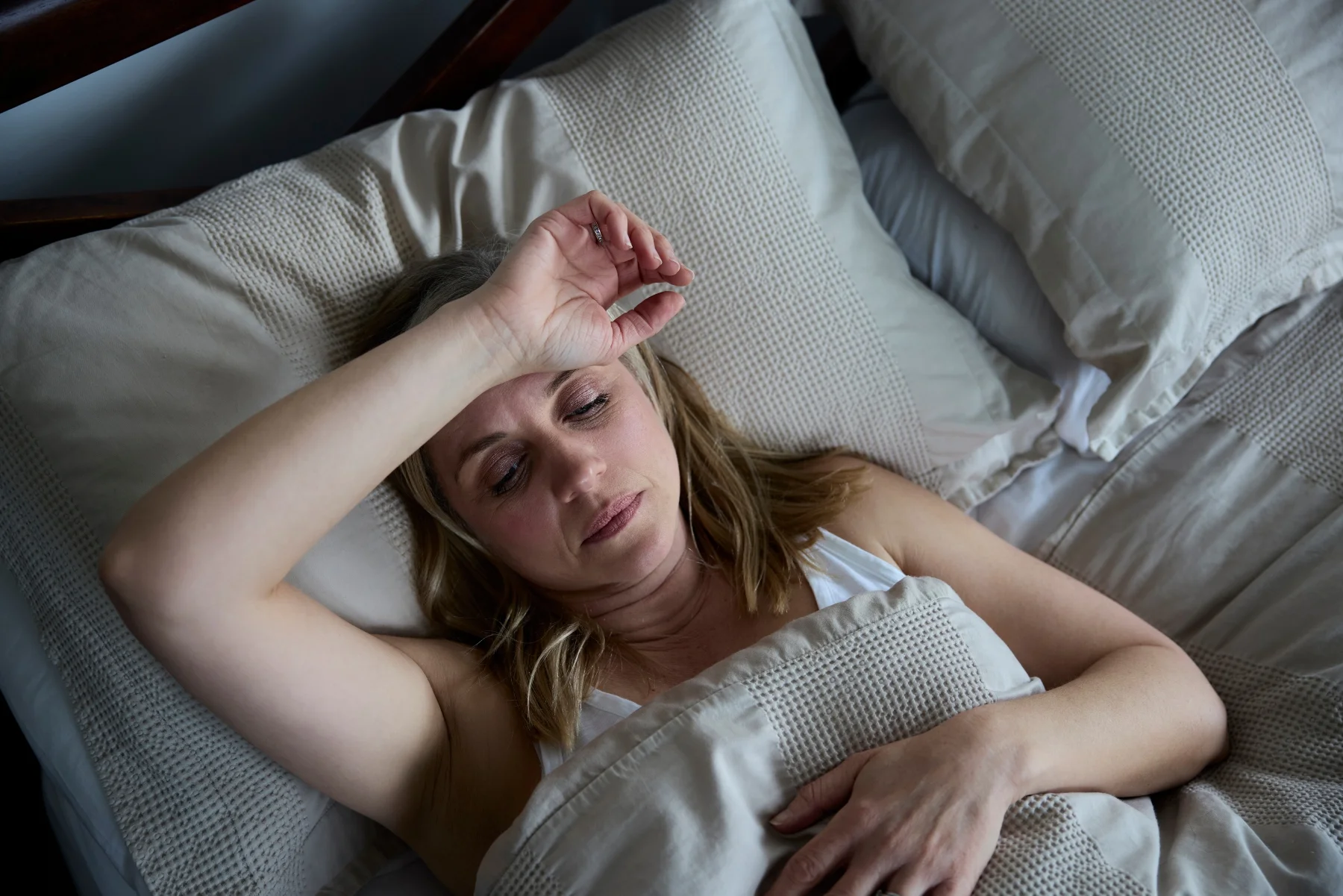
So why does your body keep waking you up at 2 am soaked through your sheets?
Night sweats are one of the most common and least discussed side effects of cancer treatment. They're exhausting in the most literal sense, disrupting the sleep your body desperately needs to heal.
For a lot of patients, no one warned them it was coming. This isn't your body failing you. It's your body responding to treatment.
Here's exactly what's happening and why understanding it matters for your recovery.
Cooler Sleep During Treatment.
Night sweats from cancer treatment have real causes, from hormone therapy to chemotherapy. The Chilipad 2.0 gives you precise bed temperature control from 55 to 115 degrees Fahrenheit so your body can actually rest.
What Causes Night Sweats During Cancer Treatment?
Night sweats happen when your body temperature control center, the hypothalamus, gets thrown off balance. A drop in estrogen or testosterone is usually the trigger.
Cancer treatment can cause that drop in a few different ways. Chemotherapy, hormone therapy, and surgery that removes the ovaries or testicles can all lower hormone levels quickly. Radiation can have a similar effect in some cases.
Your brain reads this hormone shift the same way it reads menopause. It sends a signal that your body is overheating, even when it isn't. That signal is what causes the sudden heat, flushing, and sweating.
Research suggests that more than 65% of women undergoing breast cancer treatment experience hot flashes and night sweats. [1]
How Does Hormone Therapy Cause Night Sweats?
Hormone therapy causes night sweats by suppressing the hormones that keep your body's temperature system stable.
For breast cancer patients, treatments like Tamoxifen and aromatase inhibitors suppress estrogen levels. For prostate cancer patients, therapies like Lupron suppress testosterone levels. In both cases, the results are very similar.
The body is pushed into a hormonal state that closely resembles menopause, triggering hot flashes and night sweats. This affects men and women. Prostate cancer patients on androgen deprivation therapy frequently report the same intensity of symptoms as women experiencing surgical menopause.
Studies on endocrine therapy consistently identify vasomotor symptoms as one of the most impactful quality-of-life side effects across both populations. [2]
How Does Chemotherapy Cause Night Sweats
Some chemotherapy drugs can push the ovaries or testicles into a temporary or permanent low-hormone state. Doctors sometimes call this treatment-induced menopause or andropause.
Chemotherapy can also trigger the release of cytokines, proteins your immune system uses to communicate. These cytokines can affect the hypothalamus directly, adding another path to hot flashes and sweating on top of the hormone changes.
This is one reason night sweats can start early in treatment, sometimes within the first few cycles.
Helping Women Sleep Through Breast Cancer Treatment
Hormone therapy for breast cancer can bring night sweats that last for years. Chilipad has partnered with the National Breast Cancer Foundation to donate $50,000 worth of Chilipads to patients going through treatment.
What Does the Hypothalamus Have to Do With It?
Your hypothalamus is the brain's internal thermostat. It reads your core temperature and signals the body to heat up or cool down accordingly.
Certain chemotherapy drugs interfere directly with this system. Not by raising your actual temperature, but by sending false signals that your body is overheating when it isn't.
The result is a cascade of cooling responses. Blood vessels dilate, sweat glands activate, and you wake up drenched even if the room is perfectly comfortable.
Research on hypothalamic disruption during chemotherapy identifies this as a meaningful contributor to nighttime sweating in patients undergoing systemic treatment. [3]
Can Immunotherapy Cause Night Sweats?
Yes. Immunotherapy works by activating and amplifying the immune system's response to cancer cells. That immune activation comes with a cost.
Elevated levels of inflammatory cytokines can raise core body temperature, particularly at night. In patients on immunotherapy, this inflammatory response contributes to both hot flashes and nighttime sweating.
Medications That Compound the Problem
Yes. It's not just the primary cancer treatments that contribute.
Steroids, pain medications, and certain antidepressants commonly prescribed to manage treatment side effects can all trigger sweating on their own. These medications are often necessary. The goal is not to stop them, but to understand that they may be adding to the thermal load your body manages each night.

Stress, Cortisol, and the Anxiety Loop
Cancer treatment isn't just physically demanding. The emotional weight of diagnosis, treatment uncertainty, and the disruption to daily life creates chronic stress that has real physiological effects.
Elevated cortisol, the body's primary stress hormone, raises core body temperature and contributes to nighttime wake-ups.
And once the cycle starts, it feeds itself. Poor sleep increases anxiety, anxiety raises cortisol, and cortisol disrupts sleep.
For many patients, addressing the stress response is as important as addressing the physical causes.
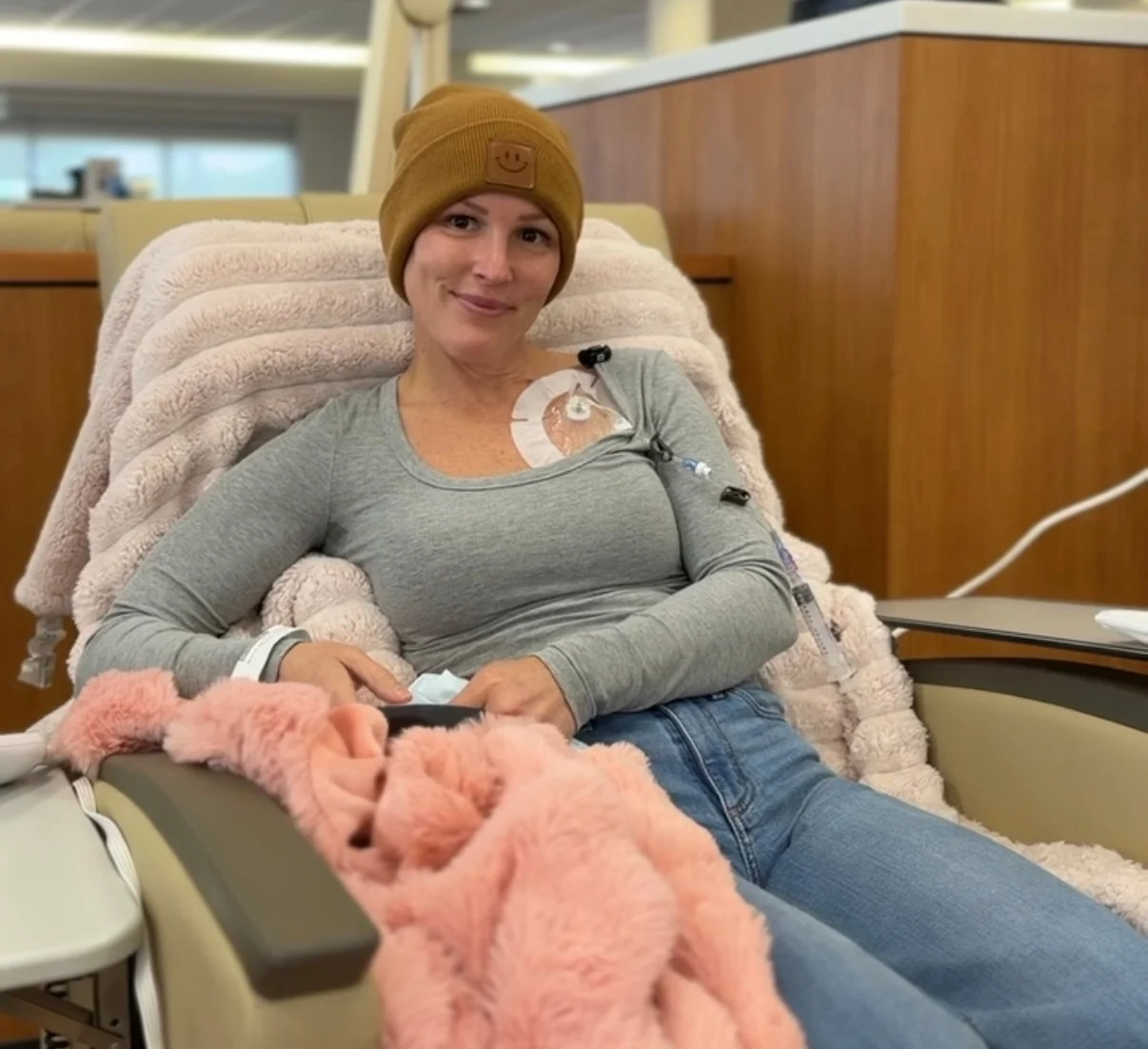
She Was 34 and Couldn't Sleep Through the Night
Chemo pushed Jessica into medically induced menopause. Read how cooling her side of the bed helped her get real sleep again.
Why Night Sweats are Worse at Night
Your body naturally tries to lower its core temperature during sleep. It's a core part of the circadian rhythm that prepares you for deep, restorative rest.
But in cancer patients, hormone fluctuations tend to peak at night, right when the body most needs to stay cool.
Add in the typical sleep environment. A memory foam mattress that traps and radiates heat, standard cotton bedding that holds moisture, and a room that's warmer than optimal.
The odds are stacked against you.
Your body is actually trying to cool down. The problem is that everything around it is making that harder.
Why Does Sleep Loss During Cancer Treatment Actually Matter?
Poor sleep during cancer treatment is not just uncomfortable. It actively works against recovery, and that's not an overstatement.
Sleep is when your body produces cytokines, the proteins that regulate immune response and inflammation. Fragmented sleep weakens this system at exactly the moment your immune function is under the most strain.
It's also when cellular repair happens. The deep sleep stages that night sweats most often interrupt are the same stages where your body does its most important physical recovery work.
Then there's what many patients call "Chemo Brain," the cognitive fog that shows up during treatment. Research consistently shows that sleep loss makes this worse, affecting memory, concentration, and how quickly you can process information. [4]
Chronic sleep disruption also makes fatigue, anxiety, and depression harder to manage.
Fixing your sleep is not a luxury during cancer treatment. It's part of the treatment.
What You Can Do About It
The night sweats are manageable. Your bedroom environment, particularly how you regulate temperature while you sleep, is one of the few variables you can control right now.
Passive adjustments like switching to breathable bedding and keeping your room cooler help, but for many, they're not enough on their own.
When your body's thermostat is genuinely dysregulated by treatment, you need something that works with your body rather than just around it.
The Chilipad is a water-based sleep temperature system that circulates temperature-controlled water through a mattress pad all night, maintaining a consistent sleep surface temperature regardless of what your body is doing.
I love my chilipad. Amazing. I have not had a single “hot flash” since using my cooling chilipad. I am on a hormone blocker for cancer and this pad allows me to sleep better for the first time in years. - Kelly S. (Trustpilot Review)
Instead of cooling the air around you, it pulls heat away from your body directly, giving your body the consistent support it can't provide for itself right now
We cover all of it in our full guide: How to Sleep Cooler During Cancer Treatment.
The Bottom Line
Night sweats during cancer treatment are a physiological response, not a personal failing. Your body isn't working against you. It's doing exactly what it's been signaled to do by treatment. Understanding that is the first step.
Your sleep environment is within your control. And it matters more than most people realize.
Disclaimer: This blog is for informational purposes only and is not a substitute for professional medical advice, diagnosis, or treatment. Always talk to your healthcare provider about your symptoms, conditions, or treatment options.