Key Takeaways
Memory foam sleeps hot because it traps body heat and limits airflow. The fastest fixes are breathable bedding and a cooling mattress topper that pulls heat away from your body all night.
- Memory foam traps body heat because of its dense, close-fitting cell structure. Heat has nowhere to go.
- Breathable sheets, moisture-wicking pajamas, and better airflow help reduce surface heat buildup.
- Passive cooling materials only work until they absorb heat. After that, the cooling effect stops.
- Active cooling mattress toppers, like water-based systems, pull heat away continuously for all-night temperature control.
- Sleeping cooler supports deeper sleep, fewer wake-ups, and better overnight recovery.
Short Answer
Memory foam holds heat because its dense structure limits airflow. To cool it down, you need to either improve airflow around it or use an active cooling system that removes heat continuously. A cooling mattress topper is the most direct fix, especially one that circulates temperature-controlled water rather than relying on gel or foam that absorbs heat and eventually stops working.
Memory foam is one of the most comfortable mattress materials available, and one of the hottest.
The same density that makes it contour to your body is what makes it trap heat. As the foam warms up through the night, it holds that warmth against your skin instead of letting it escape.
If you wake up hot and restless on a memory foam mattress, the mattress is usually the reason. But you won't need to replace it.
There are several ways to sleep cooler on memory foam, ranging from simple bedding swaps to active cooling systems that regulate temperature all night long.
Why Does Memory Foam Sleep Hot?
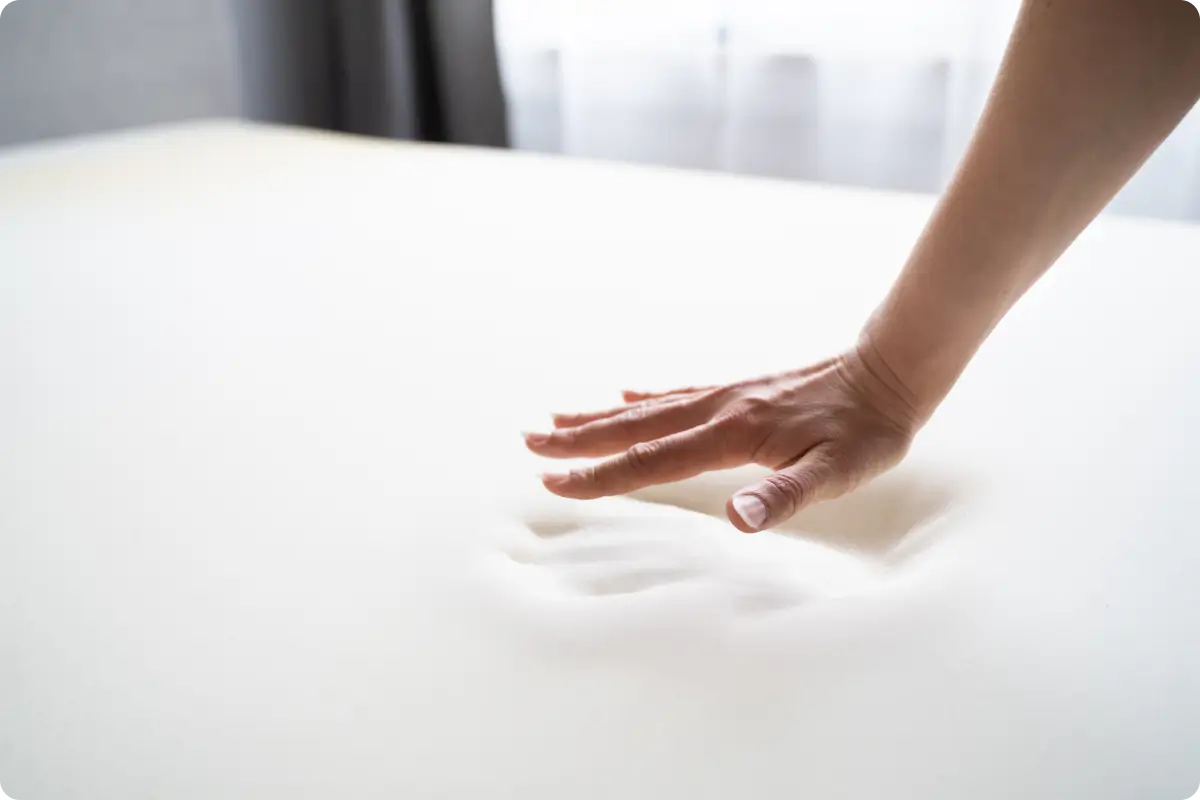
Memory foam hugs your body closely, which means heat has almost nowhere to escape.
Traditional mattresses with coils or natural fiber layers allow air to circulate through the material. Memory foam is dense and tightly structured, so airflow through the mattress itself is minimal.
Your body generates heat throughout the night, the foam absorbs it, and it stays close to your skin. The longer you sleep, the warmer it gets. This is not a defect in any particular brand. It is how the material works.
Keep Your Memory Foam Mattress. Save Up to $998 on Chilipad 2.0
You don't need a new mattress to stop sleeping hot. The Chilipad 2.0 cooling mattress topper sits on your existing foam mattress and pulls heat away all night long.
What Is the Difference Between Active and Passive Cooling?
Most cooling products on the market are passive, meaning they feel cool at first but stop working once they absorb heat.
Breathable mattress covers and phase-changing toppers fall into this category. Foam and others draw heat away from your body when you first get into bed, but once the material is saturated, the cooling effect goes away. For a hot sleeper, that usually happens within the first hour or two of sleep.
Active cooling uses a powered system to continuously remove heat rather than absorb it. A water-based cooling mattress topper circulates chilled water through the pad all night. The water carries heat away from the surface, transfers it to the control unit, and cycles back cooled.
The temperature stays consistent from the moment you get in bed to the moment you wake up.
 7 Ways to Cool Down Your Memory Foam Mattress
Here are ways to make your memory foam mattress cooler.
Use a Cooling Mattress Topper
A water-based cooling mattress topper is the most effective single change you can make for a hot memory foam mattress.
Passive toppers like gel foam or copper-infused materials offer some relief but are limited by how much heat they can absorb before warming up. For consistent all-night cooling, an active water-based system is the more reliable option.
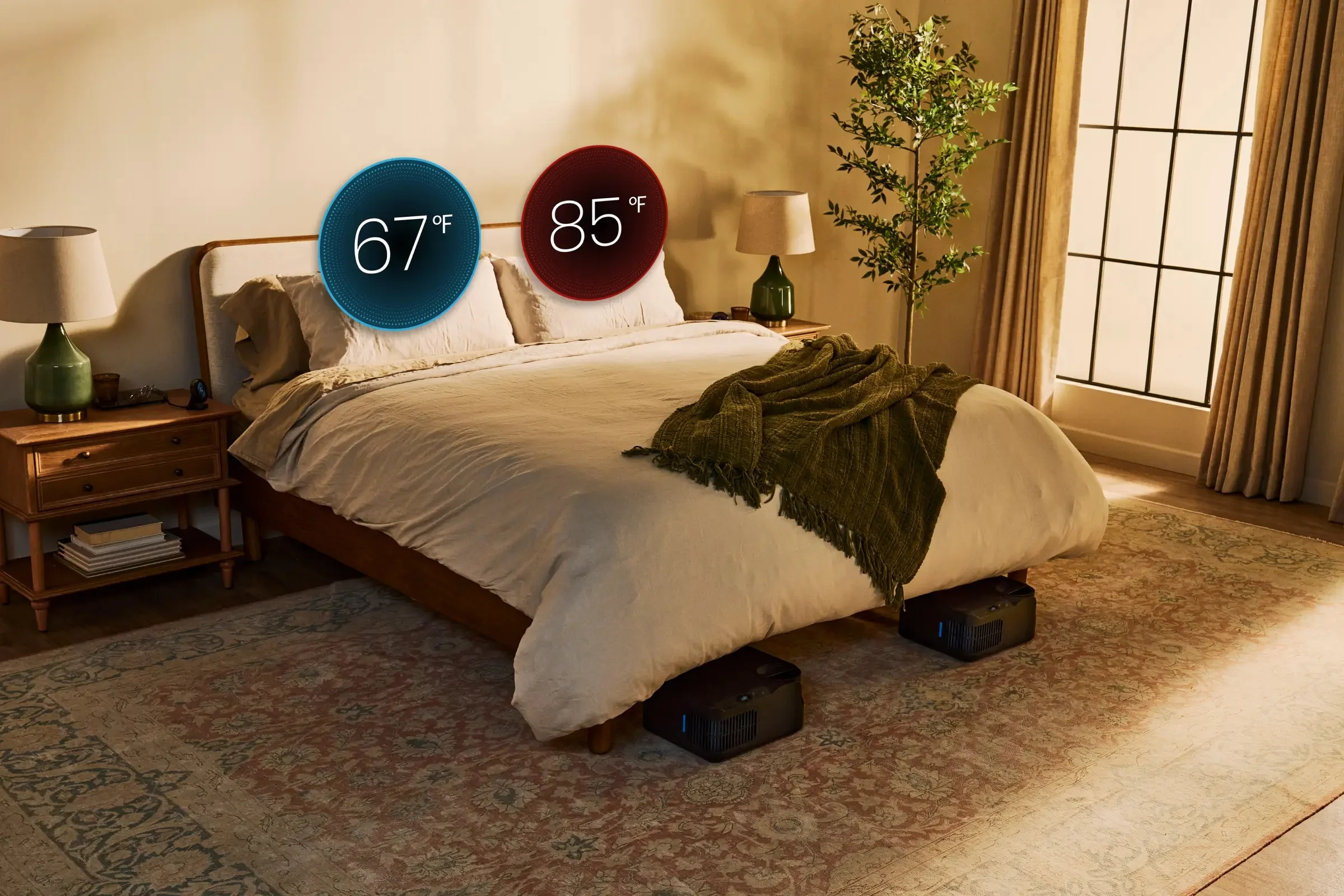
Chilipad circulates temperature-controlled water through a thin mattress pad, keeping the sleep surface between 55 and 115°F.
The temperature stays set all night rather than shifting as the material absorbs heat. For couples, a dual-zone setup means each side runs at a different temperature independently.
The Chilipad 2.0 is the flagship model. The Chilipad Cube is the entry-level option for single-zone use.
Switch to a Slatted Bed Frame
The base under your mattress affects how much heat builds up from below.
A solid platform base or a mattress placed directly on the floor blocks airflow underneath entirely. Heat accumulates from both above and below.
A slatted frame with evenly spaced wooden or metal slats allows air to circulate under the mattress. That airflow helps dissipate the heat that builds up overnight. If changing frames is not an option, raising the mattress slightly with risers can help.
Choose Breathable Sheets
The right sheets make a real difference on a hot mattress.
Synthetic materials like polyester and microfiber trap heat and moisture against the skin. Natural fibers breathe and wick moisture away. Cotton with a thread count between 200 and 350, linen, bamboo, and Tencel all outperform synthetics for hot sleepers.
Linen in particular stays cool to the touch and gets softer with washing. If you run warm, it is worth switching to at minimum.
Lower Your Bedroom Temperature
Room temperature is the other side of the sleep temperature equation.
Sleep researchers generally point to the best sleep temperature as between 65 and 68 degrees Fahrenheit. A cooler room helps your body complete the natural temperature drop that deep sleep requires.
A ceiling fan or oscillating fan helps move warm air away from the bed. An open window works on cooler nights. For anyone whose room consistently runs warm, a combination of lower thermostat settings and a cooling mattress topper covers both the ambient and surface temperature sides of the problem.
Sleep Temperature Study: A 2026 Loughborough University study discovered that a hot bedroom reduced total sleep time by 28 minutes a night, but cooling the mattress restored rest to near normal levels.
Wear Lighter Sleepwear
What you wear to bed affects how quickly heat builds up between your body and the mattress.
Lightweight cotton or moisture-wicking fabrics allow heat to escape more easily than heavier materials. For people who run hot, minimal or no sleepwear eliminates one layer of insulation entirely.
This is a simple change that costs nothing and makes a noticeable difference, especially combined with breathable sheets.
Try a Cooling Pillow
The head and neck generate significant heat during sleep, and a hot pillow compounds the problem.
Latex, buckwheat, shredded foam, and down alternative pillows all dissipate heat better than solid memory foam pillows. Pillows with cooling gel panels or copper-infused covers offer additional heat draw, though they carry the same passive-cooling limitation as gel toppers.
If you find yourself flipping your pillow to the cool side throughout the night, a breathable fill material is a more permanent fix.

Consider Your Mattress Size
Shared body heat is a real factor for couples on a smaller mattress.
On a full or queen, two people sleep close enough together that combined body heat accelerates how quickly the mattress warms up. A king or California king creates more distance and gives each person more surface area for heat to disperse.
If upgrading the mattress size is not practical, a dual-zone cooling system like the Chilipad 2.0 lets each side run at its own temperature, which addresses the combined heat problem without requiring a larger bed.
The Bottom Line
Memory foam traps heat by design. Airflow alone will not fix it.
The most reliable fix is controlling the sleep surface temperature directly, so heat never builds up in the first place.
Simple changes like breathable sheets, a slatted frame, and a cooler room help. For people who consistently wake up hot, a cooling mattress topper that actively removes heat through the night is the most complete solution. It lets you keep the pressure relief and comfort of memory foam without the heat.
Foam Mattress Frequently Asked Questions
Is the Chilipad Compatible with Memory Foam Mattresses?
Do Cooling Mattress Toppers Work?
Do Cooling Mattress Toppers Really Work?
What Is the Best Bedroom Temperature for Sleeping on Memory Foam?
Can Sheets Really Make a Memory Foam Mattress Cooler?
Can a Mattress Make You Sleep Hot?
Disclaimer: This blog is for informational purposes only and is not a substitute for professional medical advice, diagnosis, or treatment. Always talk to your healthcare provider about your symptoms, conditions, or treatment options.