
Key Takeaways
Sleep hygiene is the foundation of better sleep. Here is what you need to know before reading further.
- Sleep hygiene covers your daily habits and sleep environment, not just how hard you try to fall asleep. It is about building patterns that make good sleep automatic.
- Most adults need 7 to 9 hours per night. A consistent sleep schedule, including weekends, is the fastest way to stop waking up exhausted.
- Three quick wins: set a fixed wake-up time, cut caffeine after 2 p.m., and put screens away 60 minutes before bed.
- Consistency is what makes sleep hygiene work. Small habits practiced daily produce better sleep than any single fix.
You're doing everything "right." Early alarm. Full schedule. Maybe even a workout. But you're still dragging by 2 p.m. and waking up feeling like garbage.
Quality sleep isn't just about the hours you log. It's about the habits you build around those hours. Sleep hygiene refers to the daily routines, environmental factors, and choices.
They either set you up for a good night's sleep or sabotage it before you even hit the pillow. Time to change that.
What is Sleep Hygiene
Sleep hygiene is the set of habits that help you fall asleep faster and stay asleep through the night. It includes your daily routines, nighttime behaviors, and bedroom environment.
Quality sleep hygiene supports physical recovery, hormone balance, immune health, and mental focus. When your habits stay consistent, your body can follow its natural sleep rhythm.
Poor sleep hygiene usually looks familiar. It usually includes scrolling your phone at midnight, drinking coffee late in the day, or sleeping in for hours on the weekend, only to struggle on Monday morning.
There's good news. Making small, consistent changes can improve your sleep within a couple of weeks.
Heat Is the Habit You Forgot to Fix
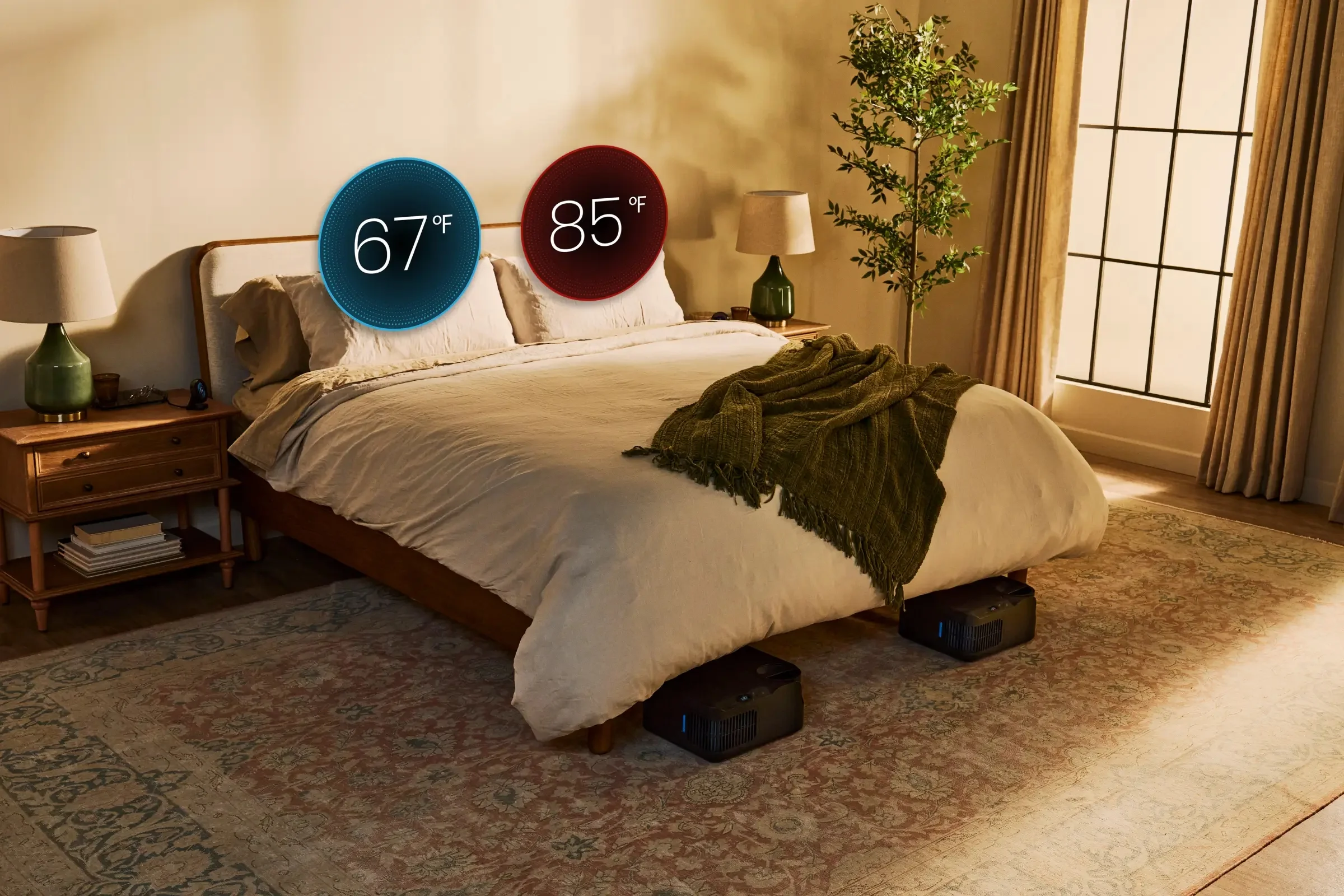
You can nail every other tip on this list and still wake up tired if your bed runs hot. Chilipad 2.0 gives you precise temperature control all night long. No subscriptions. No gimmicks. Just restful sleep.
Fix Your Sleep Schedule
Your body runs on an internal clock called the circadian rhythm. It works best when your sleep schedule stays consistent. Pick a wake-up time you can maintain every day, including weekends. Count back 7 to 9 hours to set your bedtime.
Avoid large schedule swings. If you need to adjust your bedtime, shift it gradually by about 15 to 30 minutes every few nights.
Sleeping in late on weekends can throw off your rhythm and make Sunday nights more difficult. Try to keep your wake time within about an hour of your normal schedule.
Track your sleep and wake times for a couple of weeks. You will be surprised how fast the patterns show up.
Bedtime Routine
A consistent wind-down routine helps signal your brain that it is time to sleep. When it comes to a bedtime routine, spend about 30 to 60 minutes each night doing the same relaxing activities in the same order.
Simple activities that help your body relax include:
- Taking a warm shower or bath
- Light stretching or gentle yoga
- Reading a paper book
- Listening to calming music or a relaxing podcast
If you have trouble falling asleep, put away phones, tablets, and laptops at least an hour before bed. Screen light delays melatonin production and makes it harder to fall asleep.
Keep the routine simple and repeatable. For example: dim the lights, wash your face, stretch for a few minutes, then read; over time, these habits can naturally support deeper sleep.
If your mind starts racing, write down your thoughts or tasks for tomorrow. Getting them on paper can help quiet your mind so you can fall asleep more easily.
Sleep Environment
Your bedroom should support one thing: sleep. Reduce distractions like bright light, noise, heat, and clutter so your body can fully relax, and consider dedicated bed cooling sleep systems if you frequently struggle with a hot sleep environment.
Bedroom Temperature
Keep the room cool, ideally between 60 and 68°F. Around 65°F works well for many adults and supports better, more restorative sleep.
Cooler temperatures help your body fall asleep faster and stay asleep longer. Aim for humidity between 30 and 50 percent for comfortable breathing.
Make the Room Dark
Make the room as dark as possible. Blue light from screens and electronics is the biggest offender, suppressing melatonin and keeping your brain wired when it should be winding down. Blackout curtains, a sleep mask, or simply powering down devices an hour before bed can help.
Reduce Noise
Steady background sound can help mask disruptions. Earplugs, a fan, or white noise can reduce sudden sounds from traffic, neighbors, or household activity, which can be especially helpful if you tend to overheat or feel uncomfortably warm at night.
Disruptive sounds may wake you up only to discover that you are also uncomfortably hot and unable to fall back asleep. Not all noise is created equal.
White noise is sharp and steady, pink noise is gentler, and brown noise runs deep. Pick whichever one your brain tunes out fastest.
Improve Your Mattress and Pillow
A supportive mattress and pillow help reduce pressure points and discomfort. Different sleep positions require different support, and some people sleep best on cooling sleep systems and temperature-regulating bedding.
If your mattress, whether a foam mattress, gel topper, or another material, is more than eight to ten years old and you regularly wake up sore, it may be time to consider replacing it.

Healthy Daytime Habits
What you do during the day directly affects how well you sleep at night. Your daytime habits either build or destroy your sleep drive.
- Exercise Regularly: Aim for about 150 minutes of moderate activity each week. Walking, cycling, or light workouts can improve sleep quality over time. Try to finish intense workouts at least two to three hours before bedtime.
- Morning Sunlight: Spend 10 to 30 minutes in natural light soon after waking. Morning light helps reset your body clock and improves alertness during the day, and consistent, healthy sleep habits and wake times can support sleep timing that aligns with healthy weight management.
- Be Mindful of Naps: Short naps can help restore energy. Keep them under 20 to 30 minutes and avoid napping late in the afternoon, which can make it harder to fall asleep at night, especially if you’re focused on sleep for muscle growth and recovery.
Foods and Drinks Before Bed
What you eat, drink, or use in the hours before bed can make falling asleep easier or much harder. Making small changes in the evening can have a big impact on your sleep quality.
Nighttime Food and Snacks
Try to eat dinner 2-3 hours before bedtime so your body has time to digest. Heavy, greasy, or very spicy meals late at night can cause discomfort and keep you awake. If you are a little hungry before bed, a small snack is fine. A large late-night meal usually is not.
Daytime and Evening Caffeine
Caffeine has a half-life of about 5–6 hours. That afternoon coffee at 3 p.m.? Half of it is still in your system at 9 p.m.
Try to limit caffeine after about 2 p.m., especially if you are sensitive to it. This includes coffee, many teas, energy drinks, cola, and some pre-workout powders. Caffeinated drinks are sleep’s enemy.
Nicotine Use
Nicotine is a stimulant. Cigarettes, nicotine pouches, and even e-cigarettes can cause both trouble sleeping and night-time awakenings. Cutting back or quitting helps not only your sleep quality, but also your heart health.
Alcohol Consumption
Alcohol may make you feel sleepy at first. Don’t be fooled. It reduces Deep Sleep and REM Sleep, increases snoring, and fragments your night.
You might fall asleep fast, but you won’t get that sound, restorative, healthy sleep. Avoid alcohol for 4–6 hours before bedtime if you want uninterrupted sleep.
Use the Bed for Sleep
Your bed should be a strong cue for sleep. If you work, scroll, or binge-watch in bed, your brain starts associating the bed with wakefulness. That’s a problem.
Keep work, studying, TV, and social media out of bed. Do those activities at a desk, on the sofa, or in another room. Your bed is for sleep and intimacy. That’s it.
The 20 Minute Rule for Falling Asleep Faster
Follow the 20-minute rule. If you are still awake after about 20 minutes, get out of bed. Move to a dim room and do something quiet, like reading or listening to calm music.
Avoid anything stimulating. Return to bed once you start to feel sleepy.
Repeat as needed. This breaks the cycle of lying in bed, frustrated and anxious, which only makes sleep issues worse.
This step feels awkward at first. But when done consistently over a few weeks, it often helps break cycles of insomnia. The bed stops being a battleground.
Track Your Sleep
A simple sleep diary helps you spot patterns and see what habits improve or disrupt your sleep. Track these for at least 14 days.
- Bedtime
- Wakeup time
- How long it took to fall asleep
- Number of nighttime awakenings
- Total hours of sleep
- Daytime energy levels
- Caffeine intake and timing
- Exercise and activity level
- Naps and how long they lasted
- Screen use before bed
Reviewing these patterns can help you identify what is helping your sleep and what might be working against it.
Talk to a Doctor About Sleep Problems
If you snore loudly, gasp during sleep, or feel very sleepy during the day despite getting 7 to 9 hours in bed, it may be time to talk to a doctor.
These symptoms can signal obstructive sleep apnea or another sleep disorder that requires medical evaluation.
If insomnia lasts longer than three months, consider asking about cognitive behavioral therapy for insomnia (CBT-I).
This treatment focuses on changing sleep related behaviors and thoughts and has been shown to improve sleep more effectively than sleep hygiene changes alone.
Studies show CBT-I can increase total sleep time by around 30 minutes and improve overall sleep efficiency.
Better Sleep Starts With Better Habits
Improving sleep hygiene does not require a complete lifestyle overhaul. Small, consistent habits can make a noticeable difference. A regular sleep schedule, a calming bedtime routine, limiting caffeine late in the day, and keeping your bedroom dark, quiet, and cool all help your body fall asleep and stay asleep.
The key is consistency. When your daily habits support your natural, healthy sleep rhythm, falling asleep becomes easier and waking up feeling rested becomes more likely.
Start with a few simple changes and stick with them for a few weeks. When your habits and sleep environment work with your body instead of against it, better sleep becomes much easier to achieve.
Frequently Asked Questions About Sleep Hygiene
How Long Does It Take for Better Sleep Hygiene to Start Working?
What Are the Most Important Sleep Hygiene Habits?
Why Does Sleep Hygiene Matter?
Disclaimer: This blog is for informational purposes only and is not a substitute for professional medical advice, diagnosis, or treatment. Always talk to your healthcare provider about your symptoms, conditions, or treatment options.