

Key Takeaways
Earplugs can significantly improve sleep in noisy environments, but proper fit and hygiene matter.
- Earplugs help block disruptive sounds like snoring, traffic, and household noise, reducing nighttime wake-ups and improving overall sleep quality.
- Studies show earplugs can decrease noise-related awakenings and improve sleep efficiency, helping you spend more time in restorative sleep.
- Foam, silicone, wax, and custom-molded earplugs each offer different levels of comfort, reusability, and noise reduction.
- Using earplugs nightly is generally safe, but improper use can lead to earwax buildup, irritation, pressure discomfort, or infection if hygiene is neglected.
- For best results, combine earplugs with a cool, comfortable sleep environment to support deeper, uninterrupted rest.
Getting a good night’s sleep is important for your overall health, yet for many, noisy surroundings can make restful sleep feel out of reach.
Whether it’s a snoring partner, traffic outside, or the hum of city life, these sounds can disrupt your peace and leave you tired and groggy the next day.
Luckily, there’s a simple and effective solution to block out unwanted noise and help you sleep better throughout the night.
We’ll highlight the benefits and potential drawbacks of sleeping with earplugs. Plus explore the best types for sleep, and include studies that reveal just how much they can improve the quality of your sleep.
You never know, earplugs might be the game-changer you’ve been missing.
Foam, Silicone, and Wax Earplugs: Which is Best for Sleep?
When it comes to getting a better night’s sleep, which is best for sleep? Choosing between foam, silicone, and wax earplugs can make all the difference in comfort, fit, and noise reduction.
- Foam Earplugs: These are the most common type and are known for their comfort and noise-blocking capabilities. They expand to fit the ear canal, providing a snug fit.
- Silicone Earplugs: These kinds are soft and moldable, so you can shape them to fit your ears comfortably. They are reusable and often feel better for wearing over long periods.
- Wax Earplugs: Made from a blend of wax and cotton, they provide a fit that’s comfortable and are effective at blocking noise.
- Custom-Made Earplugs: For those who frequently use earplugs, custom-made options can provide the best fit and comfort for sleeping, although they come at a higher price.
Earplugs Block the Noise. Chilipad 2.0 Handles the Heat
You've silenced the room. Now dial in the temperature. The Chilipad 2.0 cooling mattress topper keeps your bed at the exact temperature you need all night so nothing, not noise, not heat, stands between you and deep, uninterrupted sleep.
How Earplugs Improve Deep Sleep and Focus
If you’re curious about what these tiny noise-blocking tools can do for your rest, here’s a list of the benefits of sleeping with earplugs.
Ear Plugs Can Help Noise Reduction
The biggest perk of earplugs? Sweet, blissful silence. Whether it’s your partner’s midnight snoring symphony, the rumble of traffic outside, or your neighbors hosting an impromptu karaoke night.
Ear plugs can help turn down the volume on life. In fact, a report showed that nearly 30% of adults say noise is one of the biggest roadblocks to quality rest.
By creating a calmer soundscape, they give your brain the quiet it needs to drift off and stay asleep.
How Earplugs Improve Sleep Quality
Ever been jolted awake by a neighbor’s barking dog, early-morning garbage trucks, or a partner’s snoring?
Even small noises can disrupt your sleep without you realizing it, leaving you groggy the next day. They can be a simple, game-changing fix.
In fact, research in the Journal of Clinical Sleep Medicine found that people who wore earplugs experienced 50% fewer nighttime wake-ups caused by noise.
Over time, this also led to a 20% improvement in overall sleep efficiency. This means you spend more of your time in bed experiencing restorative, deep sleep, which is important for physical and mental recovery.
By blocking out disruptive sounds, earplugs help you fall asleep faster, stay asleep longer, and wake up feeling genuinely refreshed.
Whether you live in a noisy city, have a loud environment in the household, or just want deeper sleep, they can make a world of difference.
Increased Focus With the Help of Ear Plugs
If you work night shifts or have a sleep schedule that’s all over the place, getting quality rest can be tough.
Earplugs help block out the noise so you can sleep more soundly and wake up feeling refreshed.
That means when it’s time to be up and alert, you’ll have the focus and energy you need to power through your day.
A Budget-Friendly Sleep Upgrade
You don’t have to spend a fortune to get better sleep. Earplugs are cheap, easy to find, and can make a big difference in how well you sleep.
A small investment now could mean many nights of peaceful, uninterrupted sleep.
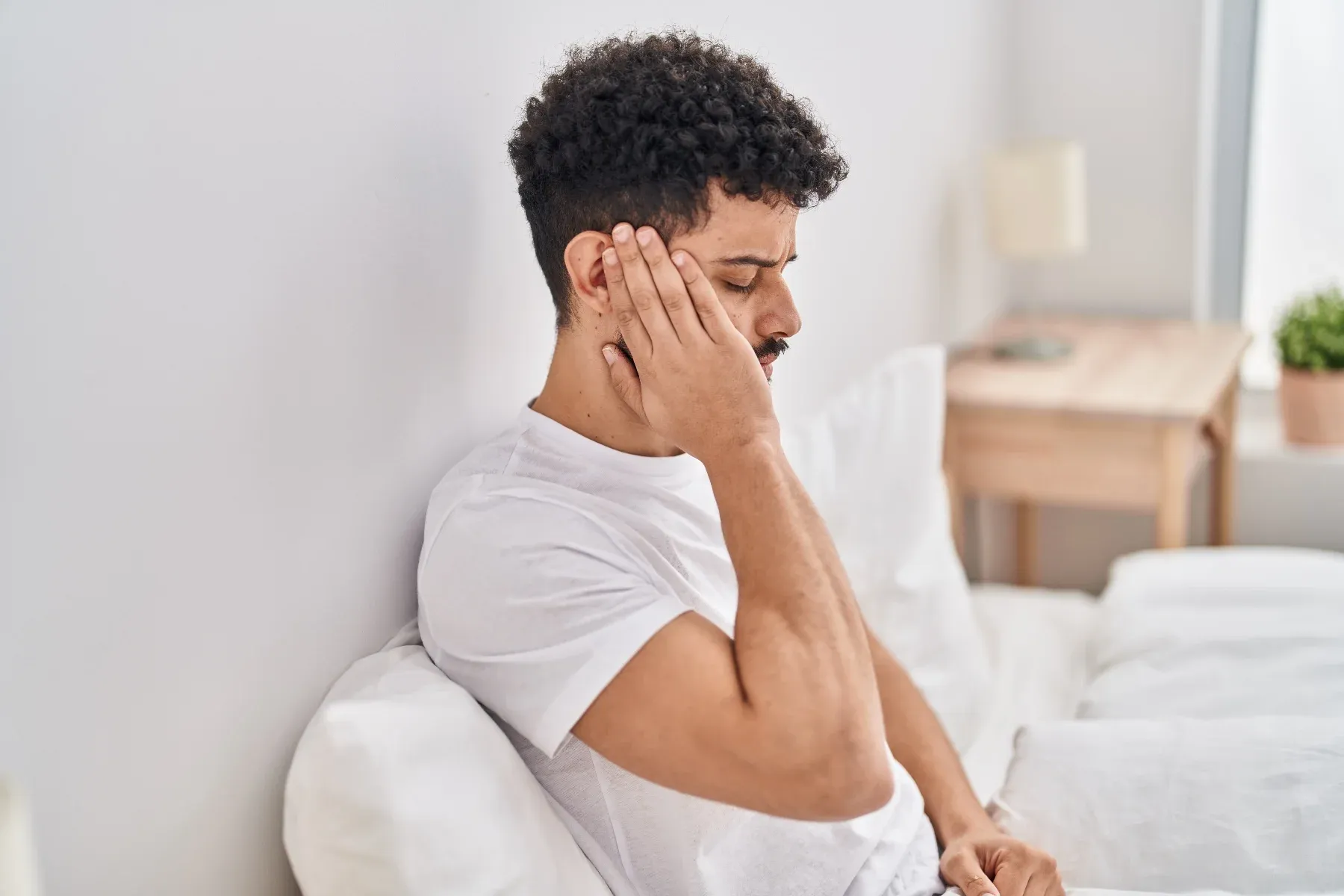
Common Side Effects: How to Prevent Earwax Buildup and Infections
They can significantly improve your sleep by blocking noise, but is it bad to sleep with earplugs every night?
Not exactly—though they can cause earwax buildup, irritation, or infections if used without proper care.
Earwax Buildup
While earplugs can help you catch better sleep, using them night after night can sometimes cause more earwax to build up.
That’s because earplugs can push wax deeper into the ear, blocking its natural way out. This can lead to clogged ears, temporary loss of hearing, or even ringing noises (tinnitus).
If you notice your ears feeling blocked or you have trouble hearing, you might need to use special drops or visit your doctor to get the wax removed.
Earplugs can affect ear health. It’s important to keep your ear healthy.
Try to clean the outside of your ears with a damp cloth. It’s best to skip the Q-tips, since they can make things worse. It’s also a good idea to clean or replace earplugs often to keep bacteria away.
By taking these small steps, you can enjoy the benefits of earplugs while avoiding the hassle of earwax issues.
Ear Infections
Bacteria can accumulate on earplugs, especially if they are not cleaned regularly.
This can increase the risk of ear infections, which can be painful and may lead to complications like hearing loss.
Common symptoms include ear pain from earplugs, discharge from the ear, and temporary hearing changes.
If you experience these symptoms, it is important to seek treatment from a healthcare professional.
It’s important to maintain proper hygiene by washing reusable earplugs and replacing disposable ones often.
Discomfort: They Don’t Feel Right
Earplugs can be a lifesaver for sleep—unless they’re uncomfortable. If they don’t fit properly or you put them in the wrong way.
They can cause soreness, pressure, or even pain. And instead of drifting off, you might find yourself tossing and turning.
Everyone’s ears are different, so it’s worth experimenting with various sizes, shapes, and materials—foam, silicone, or even custom-molded ones—until you find the pair that feels just right.
The right fit—whether from standard options or custom earplugs—can mean the difference between peaceful sleep and a night of frustration.
Why Do My Earplugs Feel Pressurized?
Sometimes, wearing earplugs can make your ears feel “full” or pressurized—almost like when you’re on an airplane.
This usually happens if they’re pushed in too far or aren’t the right style for your ears. For some people, that pressure can be distracting enough to make it harder to relax or fall asleep.
If this happens to you, try inserting them a bit more gently, or experiment with different shapes and materials until you find a pair that feels comfortable without that stuffed-up sensation.
Your ears (and your sleep) will thank you.
Dependence
Earplugs can be a game-changer for blocking out loud noise, but there’s a catch. If you use them every single night, you might start to feel like you can’t sleep without them.
That can be tricky when you’re traveling, forget to pack them, or find yourself in a situation where they’re just not available.
To avoid getting too dependent, try using them only when you really need them and mix in other sleep-friendly habits, like keeping your room dark and quiet.
And as always, ear health is important. Keep your ears clean and healthy, and check in with a doctor if you notice any pain, hearing changes, or discomfort.
The Best Earplugs for Sleeping
Finding the perfect earplugs can make a huge difference in your sleep quality. Here are top-rated earplugs that balance comfort, noise reduction, and price:
Comparing the Different Types of Earplugs
Maintenance and Hygiene: How to Clean Your Earplugs
If you’re a light sleeper or share a bed with a loud partner, wearing earplugs regularly can be a lifesaver for a good night’s rest.
However, to truly benefit from sleep earplugs—whether you prefer foam earplugs, soft silicone earplugs, or wax earplugs. It’s important to keep both your earplugs and your ears clean and healthy.
Note: Over time, they may push earwax back into your ear canal, causing a buildup.
Why Hygiene Matters
Wearing earplugs night after night can introduce risks if you ignore cleanliness.
Earplugs that aren’t cleaned or replaced as recommended can harbor bacteria, leading to irritation or even ear infections.
This is especially true for reusable options like silicone earplugs and wax earplugs, as well as other types, which can accumulate dirt and moisture over time.
The Bottom Line
If you’re a light sleeper or find yourself trying to drift off in a noisy environment—think city streets, traffic noise, noisy neighbors, or a snoring partner—sleeping with earplugs can be a game-changer for boosting your sleep quality.
Opt for a comfortable pair that fits well, and remember to clean or replace them regularly to avoid unwanted guests like ear infections.
And whatever you do, resist the urge to push them too far in; your ears are delicate, and we want you waking up rested, not calling your doctor.
Frequently Asked Questions
Is It Ok to Sleep with Earplugs Every Night?
Can Earplugs Help Me Sleep?
Should You Use Noise-Canceling Earbuds Instead of Earplugs for Sleep?
Disclaimer: This blog is for informational purposes only and is not a substitute for professional medical advice, diagnosis, or treatment. Always talk to your healthcare provider about your symptoms, conditions, or treatment options.