

Key Takeaways
Managing cold sensitivity is about small, daily adjustments that make a big difference in how you feel.
- Certain chemotherapy drugs (like oxaliplatin) affect your nerves, making them hypersensitive. This is why cold air or a cold drink can suddenly feel like tingling, numbness, or even pain.
- Most people notice this starts within hours of cancer treatment. It usually hits its peak during the first week and then starts to fade before your next round.
- It isn’t just about your hands and feet. You need to protect your face and throat, too. Think scarves, lukewarm drinks instead of ice water, and letting food cool down slightly before eating.
- While you want to stay warm, be careful. If your skin is numb, you might not feel a burn starting, so always test the temperature with an unaffected area first.
- If the sensitivity doesn't go away between treatments, or if it makes it hard to do basic things like getting dressed, tell your support network right away.
Chemotherapy can cause a range of side effects, and one that often catches people off guard is increased sensitivity to cold. Especially for those receiving oxaliplatin.
If you or someone you care about is experiencing this, you’re not alone.
Dealing with cold sensitivity can feel like one more hurdle on an already tough journey, but it doesn't have to control your day-to-day life.
By understanding how your body is reacting and taking a few simple, proactive steps, you can reclaim your comfort and focus on your recovery without the constant worry of a "cold shock."
Understanding Cold Sensitivity and Chemotherapy
Cold sensitivity during chemotherapy isn’t random. It’s a well-documented side effect tied to how treatment impacts nerves and temperature regulation, which is where the details start to matter.
Why Does Chemotherapy Make You Cold?
Many people ask, “Does chemo make you cold?”
While many factors play a role, the primary cause depends on the medication.
It can, depending on the medications.
Certain chemotherapy drugs, such as oxaliplatin, can affect the nerves responsible for sensing temperature.
When those nerves get irritated or damaged, even mild cold can trigger tingling, numbness, or pain. Most often in the hands, feet, mouth, or throat.
A common side effect is known as cold-induced neuropathy.
Take Control of Your Bed Temperature
No more cold spots or shivering your way to sleep. Chilipad 2.0 lets you pre-heat your bed from the app so your ideal temperature is ready the moment you get in.
What Is Oxaliplatin Cold Sensitivity?
Oxaliplatin is a chemotherapy drug commonly used to treat cancers like colorectal cancer. One of its distinctive side effects is heightened cold sensitivity.
This means that touching, eating, or even breathing in cold air can cause uncomfortable sensations.
Cold Sensitivity Findings: Among patients undergoing oxaliplatin-based chemotherapy, cold sensitivity is one of the most universal side effects, with virtually all patients experiencing it to some degree during treatment.
For some, holding a cold drink or stepping outside on a cold day can be painful. This reaction is more than just feeling chilly. It’s a nerve response that can be quite intense. [1]

Early Signs of Cold Sensitivity
Listen to your body. Once you know why it happens, the next step is spotting the signs early. This can help, as your body usually gives you a heads-up.
Common Symptoms and When They Appear
Cold sensitivity from oxaliplatin typically appears within hours or several days after cancertreatment.
Watch out for these signs:
- Tingling or “pins and needles” in the fingers, toes, lips, or throat
- Numbness or a burning sensation
- Pain or cramping when exposed to cold
- Difficulty swallowing cold foods or drinks
- Hoarseness or trouble breathing in cold air
Remember, this can vary from person to person. They can be triggered by everyday activities, such as touching a cold doorknob, drinking ice-cold drinks, cold water, or washing hands in cool water.
How Long Does Cold Sensitivity Last?
For most, symptoms peak a few days after an oxaliplatin infusion and typically fade over a week, though some people may notice a lingering, mild effect for two weeks or longer.
But, with repeated treatments, some sensations may linger longer or become more pronounced. It’s important to track your reactions and inform your doctor or care team if they persist or worsen.
Managing Cold Sensitivity
Understanding the "why" is a great first step, but the real goal is making your daily life more comfortable.
Here are some practical, easy-to-use strategies to help you manage those "chilly moments" and stay warm and cozy.
Protecting Your Skin & Extremities
- Layer Up Everywhere: Wear gloves and warm socks both indoors and outdoors. Even in summer, air conditioning can trigger a reaction.
- The "Fridge" Rule: Grabbing a cold drink or frozen meal can be a literal shock to the system. Keep a pair of oven mitts or gloves right by the refrigerator handle so you never have to reach in barehanded.
- Beware of Metal: Metal surfaces (house door handles, mailboxes, car doors) hold the cold. Always keep a barrier, like a glove or cloth, between your skin and the metal objects.
- Skip the Ice: While we’re usually told to "ice it" for aches and pains, your nerves feel differently right now. Avoid ice packs or cold compresses entirely. They can trigger an instant, painful sting rather than relief.
Safe Breathing & Outdoor Exposure
- Filter the Air: If you have to go outside in the cold weather, wear a scarf, mask, or ski cap over your mouth and nose. This warms the air before it reaches your lungs.
- Breathe Shallowly: When you first step outside into the cold temperatures, try to take smaller, shallower breaths. A big "gulp" of icy air, when you breathe deeply can sometimes cause a tight, spasm-like feeling in your chest or throat. Give your body a moment to adjust.
- Easy on the AC: Even when it’s hot outside, a blast of cold air can feel like a shock to your system. Keep your home and car air conditioning on a low, gentle setting to stay cool without triggering that painful "pins and needles" feeling.
During and After Cancer Chemotherapy
- Stay Comfortable During Infusions: Bring a warm blanket to cover yourself during your chemotherapy session to maintain a steady core temperature.
- The "Slow Warm" Technique: If a part of your body gets too cold, do not use hot water. Instead, use lukewarm or room-temperature water to gently bring the area back to a comfortable temperature.
Products and Tools to Help You Stay Warm
There are certain products which can help you stay comfortable when “cold shocks” become extreme and hard to ignore:
Temperature-regulating bedding
Getting into a cold bed at the end of a long day can be jarring — especially when your body is already hypersensitive to temperature.
Pre-warming your sheets before bedtime can make a real difference in how comfortable you feel settling in for the night.
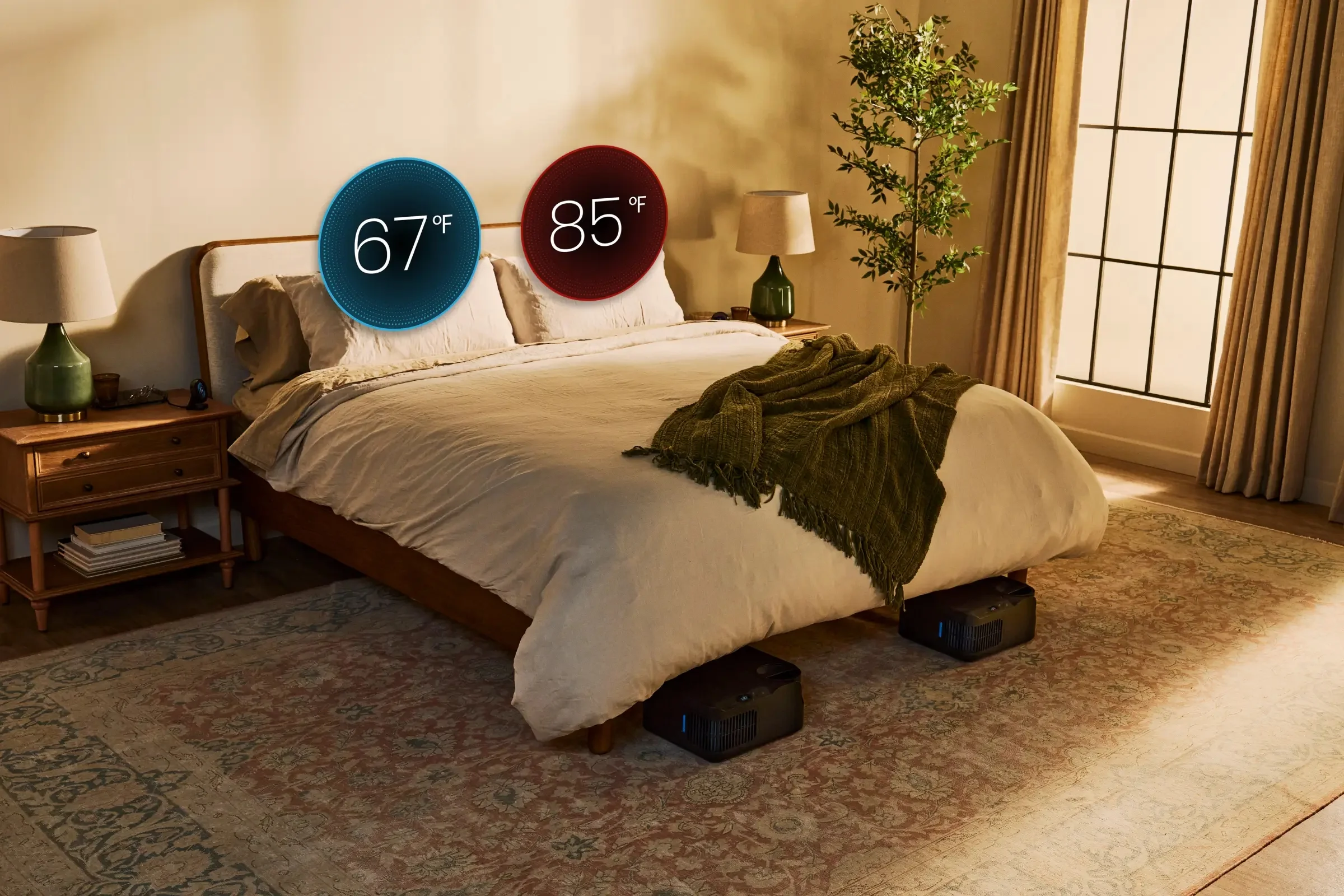
A device like the Chilipad lets you set your bed to a consistent, cozy warmth so there's no cold shock when you climb in. For those managing oxaliplatin sensitivity, a gentle warmth in the 80°F–90°F range tends to work well.
The mattress topper is soothing enough to ease discomfort without overheating.
People dealing with oxaliplatin sensitivity should aim for a 'neutral warm' range of 80°F to 90°F. A temperature of 82°F is a good place to start.
It’s warm enough to prevent the painful 'pins and needles' sensation triggered by cold sheets, but not so hot that it causes night sweats.
Insulated Mugs and Bottles
Use double-walled bottles or mugs (like a YETI, Stanley, or Hydro Flask). I
nsulated sleeves do double duty: they keep your beverages at a soothing, room-temperature while acting as a vital barrier so your hands never have to touch a cold surface.
Thermal Gloves and Socks
Gloves and socks are especially helpful for outdoor trips or handling cold items.
Hand warmers
Disposable or rechargeable hand warmers can be useful for outings.
Quick Tip: Keep a pair of "fridge gloves" hanging right on your refrigerator handle so you never forget to use them!
Safe Use of Heating Pads and Other Warming Devices
Heating pads, electric blankets, and hot water bottles can provide relief. But it’s important to use an electric blanket safely:
- Never place heating pads directly on bare skin. Always use a cover or towel.
- Limit use to 15–20 minutes at a time to avoid burns, especially if you have numbness.
- Check the temperature before use, as neuropathy can make it harder to sense heat.
If you’re not sure if a specific warming device is right for you, give your care team a quick call. They can help you figure out the safest way to stay cozy during your treatment.
Why Use the Chilipad: With the Chilipad smart bed technology, you set your preferred temperature, it stays steady all night, and you just sleep. No electrical heat or EMF (electromagnetic frequency) on your body, no guesswork, no constant adjust
Emotional Impact and the Importance of Support
Constant discomfort from feeling cold can take a real emotional toll for both partners.
With Chilipad dual zone control, one side can heat up while the other cools down, so each person sleeps at their ideal temperature with zero compromises.
Making support just as important as managing the symptoms themselves.
Coping with the Emotional Side of Cold Sensitivity
Dealing with extreme sensitivity can be frustrating and isolating. It may limit your activities or cause anxiety about everyday tasks.
These feelings are normal, but you don’t have to face them alone. Sharing your experiences with friends, family, or a counselor can help.
Support groups, online or in person, can also offer comfort and practical advice from others who understand what you’re experiencing.
How Partners and Caregivers Can Help
Partners and caregivers play a vital role in supporting someone with cold sensitivity:
- Help with daily tasks that involve cold, such as preparing meals or running errands.
- Encourage open communication about symptoms and feelings.
- Be patient and understanding if plans need to change due to discomfort.
- Join in warm activities, such as sharing a cozy blanket or making warm drinks together.
Small, everyday gestures. This includes checking in, adjusting the environment, or just being present. They can all go a long way toward making this side effect more manageable.
When to Talk to Your Care Team
Let your doctor and inner circle know as soon as cold sensitivity shows up. Even if it feels minor.
They can help with the following:
- Adjust your treatment if symptoms start to interfere with daily life.
- Recommend medications or therapies to take the edge off discomfort.
- Watch for early signs of nerve issues and address them.
Sharing symptoms early helps your team keep you comfortable, safe, and focused on healing instead of side effects.
Questions You Should Ask Your Healthcare Team
Having a few questions ready can make appointments more productive and less overwhelming. Consider asking your provider:
- Is this level of cold sensitivity expected with my treatment?
- Are there medications or therapies that can help manage it?
- How can I use warming tools safely at home?
- What should I do if symptoms worsen or don’t go away?
Clear, open conversations help you get the guidance and support you need, without guessing or Googling at midnight.
The Bottom Line
Cold sensitivity during chemotherapy, especially with treatments like oxaliplatin, can be tough, and it’s not something you have to power through alone.
Understanding why it happens, spotting symptoms early, and using practical tools can help you stay more comfortable and feel a bit more in control day to day.
Just as important, lean on your support team and the people around you. Support matters.
Staying warm isn’t only about temperature; it’s about feeling safe, supported, and cared for through every step of cancer treatment.
Frequently asked questions
What is Cold Sensitivity (Cold Dysesthesia)?
Is Cold Sensitivity a Normal Side Effect of Chemotherapy?
How Long Does Chemotherapy-Related Cold Sensitivity Last?
What’s the Safest Way to Manage Cold Sensitivity at Home?
Disclaimer: This blog is for informational purposes only and is not a substitute for professional medical advice, diagnosis, or treatment. Always talk to your healthcare provider about your symptoms, conditions, or treatment options.