
The Rest Factor: Episode Twenty with Dr. Shivani Gupta
You can also listen to the full podcast episode with Dr. Shivani Gupta
Key Takeaways
The fatigue, brain fog, joint pain, and sleep disruption many women experience in perimenopause aren't just aging. Chronic inflammation is often the common thread.
- Estrogen acts as the body's inflammatory regulator. As it declines during perimenopause, systemic inflammation can increase and affect the brain, joints, gut, and cardiovascular system.
- Inflammatory changes often begin years before periods stop. Hormone fluctuations alone, not just estrogen deficiency, can trigger immune activation.
- Lifestyle factors like poor sleep, high sugar intake, alcohol, and low muscle mass all drive inflammation independently of hormones, and they're within your control.
- An anti-inflammatory diet, regular strength training, and 7 to 9 hours of quality sleep are among the most effective tools for lowering inflammatory markers without medication.
- Most women notice symptom improvements within 2 to 4 weeks of consistent changes, with measurable reductions in inflammatory markers in 8 to 12 weeks.
Chronic inflammation is increasingly recognized as an underlying contributor to many frustrating midlife symptoms, including fatigue, brain fog, joint pain, stubborn weight gain, and disrupted sleep.
If you're in your 40s or early 50s and noticing these changes, you're not imagining them. During the menopausal transition, shifting hormones can increase systemic inflammation and affect nearly every organ system.
This connection has also been explored in recent episodes of The Rest Factor Podcast. In a conversation with Ayurveda and functional medicine expert Dr. Shivani Gupta, she explained that women in perimenopause and menopause may suddenly experience multiple seemingly unrelated symptoms, including poor sleep, brain fog, reduced energy, digestive problems, weight gain, headaches, and joint stiffness.
She described these symptoms as potential signals of chronic, low-grade inflammation rather than changes women should automatically dismiss as normal aging.
Perimenopausal inflammation is not "just aging." Research published in the Journal of Neuroinflammation describes menopause as a body-wide inflammatory event driven largely by estrogen decline.
Understanding why this happens and how to lower inflammation naturally may help you regain energy, mental clarity, better sleep, and greater metabolic stability.
What Is Chronic Inflammation in Perimenopause?
Chronic inflammation, also called chronic low-grade or systemic inflammation, is a persistent immune response that remains slightly activated over time.
Unlike acute inflammation (such as swelling after an injury), chronic inflammation is subtle and often invisible.
During perimenopause and inflammation in menopause, falling and fluctuating estrogen levels influence immune signaling. One physician describes estrogen as the body's inflammatory "volume dial."
When estrogen declines, the background inflammatory noise increases. This explains why many midlife women experience:
- Brain fog and memory lapses
- Joint stiffness and tendon pain
- Dry eyes and skin changes
- GERD or bloating
- Fatigue despite adequate rest
- Increased belly fat
- Night sweats and sleep disruption
Estrogen receptors exist in the brain, joints, gut, cardiovascular tissue, and even the jaw. When estrogen drops, inflammatory pathways can activate in each of these tissues.
Does Menopause Cause Inflammation Throughout the Body?
A common question is: does menopause cause inflammation throughout the body? The evidence suggests that it can.
Studies show that markers like C-reactive protein (CRP) often rise during the menopausal transition. Chronic inflammation increases cardiometabolic risk, including higher chances of metabolic syndrome, type 2 diabetes, and cardiovascular disease, the leading cause of death in U.S. women.
However, inflammation in menopause is influenced by more than hormones. Lifestyle factors such as poor sleep, alcohol use, high-sugar diets, gut imbalance, chronic stress, and low muscle mass all contribute. In other words, estrogen loss opens the door, but daily habits determine how wide it stays open.
As Dr. Shivani Gupta, Ayurvedic practitioner and author of "The Inflammation Code", explains on The Rest Factor, "Stress alone can cause us to create cortisol."
Does Perimenopause Cause Inflammation in the Body?
A common question is: does perimenopause cause inflammation in the body before periods fully stop?
Yes. In fact, inflammatory changes often begin years before the final menstrual cycle. Hormone fluctuations, not just estrogen deficiency, can trigger immune activation.
Irregular cycles stretching sixty or more days are associated with increased inflammatory discomfort, including temporomandibular (jaw) pain in late transition stages.
What Causes Chronic Low-Grade Inflammation in Midlife Women?
Several root drivers fuel hormonal inflammation during perimenopause:
1. Estrogen Decline and Immune Activation
Estrogen normally suppresses excessive inflammatory cytokines. As estrogen decline progresses, inflammatory signals like IL-6 and TNF-alpha may increase.
2. Gut Microbiome Disruption (The Estrobolome Effect)
The estrobolome, a subset of gut bacteria, helps regulate estrogen recycling. Dysbiosis can impair hormone metabolism, increase immune activation, and promote chronic inflammation.
Low fiber intake, antibiotic exposure, and processed foods all weaken beneficial microbes.
3. Blood Sugar Instability
Frequent glucose spikes increase cortisol and oxidative stress. Many so-called "healthy" foods contain over 10 to 20g of added sugar per serving. Aim to keep added sugar under 5g per serving when possible.
4. Omega-6 to Omega-3 Imbalance
Industrial seed oils (soybean, corn, sunflower) skew the omega-6 to omega-3 ratio toward pro-inflammatory pathways that affect joints and connective tissue.
5. Poor Sleep and Circadian Rhythm Disruption
Women need 7 to 9 hours of quality sleep nightly. Sleep loss increases inflammatory markers and worsens insulin resistance. The 10 p.m. to 2 a.m. window supports crucial repair processes in the brain and body.
Chronic Inflammation Remedies Backed by Research
The good news: chronic inflammation remedies are highly effective when applied consistently. Most women notice symptom shifts in 2 to 4 weeks, with measurable inflammatory marker improvements in 8 to 12 weeks.
1. Follow an Anti-Inflammatory Diet for Menopause
A Mediterranean-style anti-inflammatory diet has been shown to reduce CRP and improve cholesterol levels in peri- and postmenopausal women.
Key Principles
- Eat colorful vegetables and berries (rich in anthocyanins, natural COX-2 inhibitors)
- Consume omega-3-rich fish (salmon, sardines) 2 to 3 times weekly
- Include extra virgin olive oil as a primary fat
- Increase legumes and fiber (supports gut microbiome and estrogen balance)
- Limit refined sugar and processed seed oils
Aim for at least 30g protein and 5g fiber at breakfast to stabilize blood sugar and reduce inflammatory load.
2. How to Lower Menopause Inflammation Without HRT
If you're wondering how to lower menopause inflammation without HRT, lifestyle strategies are powerful tools:
- 150 minutes per week of moderate aerobic activity
- Strength training 2 to 3 times weekly (muscle lowers inflammatory burden)
- Prioritize sleep (7 to 9 hours)
- Reduce alcohol (a major trigger for night sweats and inflammatory spikes)
- Practice stress reduction (breathwork, meditation, yoga)
Physical therapy for joint mobility, pelvic floor health, or dry needling may accelerate recovery when combined with nutrition changes.
3. Targeted Supplements with Evidence
Always consult a clinician, but supportive options include:
- Omega-3 fish oil (balances inflammatory fatty acids)
- Vitamin D3 (deficiency linked to joint pain)
- Magnesium glycinate (sleep and muscle relaxation)
- Curcumin with black pepper (absorption increases up to 2,000%)
- Collagen peptides or bone broth (supports connective tissue)
Does Turmeric Help With Menopause Inflammation?
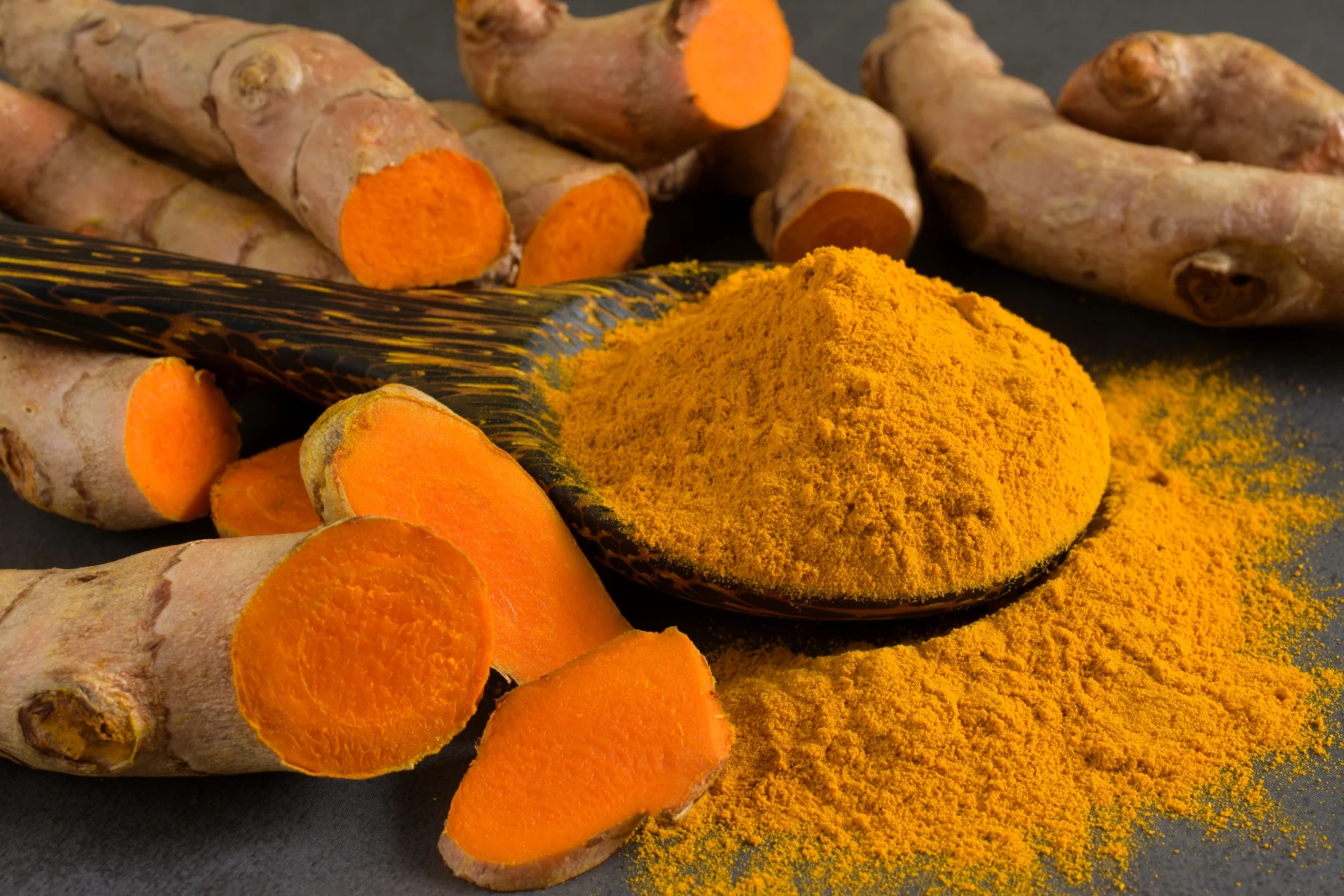
Yes. Turmeric benefits stem from curcumin, which influences NF-kB and multiple inflammatory signaling pathways. Unlike NSAIDs, it supports inflammation regulation without negatively impacting gut lining when used appropriately.
Brain Fog or Something More Serious?
Many women fear cognitive decline during midlife. The difference between menopausal brain fog and Alzheimer's disease is important.
Estrogen loss affects memory processing and attention, but fewer than 10% of Americans with Alzheimer's are under 65. Menopausal cognitive symptoms are typically reversible and improve with sleep, stress management, and inflammation reduction.
If symptoms are progressive or severe, medical evaluation is important. For most women, reducing chronic inflammation improves clarity.
Natural Ways to Lower Inflammation During Perimenopause
For those seeking natural ways to lower inflammation during perimenopause, start simple:
- Go to bed by 10 p.m.
- Stop eating three hours before sleep.
- Replace seed oils with olive oil or avocado oil.
- Add leafy greens and berries daily.
- Walk 20 to 30 minutes after meals.
- Incorporate fermented foods for gut health.
- Reduce alcohol to occasional use.
Consistency matters more than perfection.
How Long Does It Take to Reduce Chronic Inflammation?
Many women ask: how long does it take to lower inflammation during perimenopause?
- 2 to 4 weeks: Reduced bloating, improved sleep, fewer joint aches
- 8 to 12 weeks: Measurable CRP improvement, better metabolic markers
- 3 to 6 months: Noticeable body composition and cognitive improvements
Inflammation is highly reversible when inflammatory load is lowered.
The Bottom Line
Chronic inflammation is a central driver of perimenopause inflammation and many symptoms mistakenly blamed on aging. While estrogen decline increases vulnerability, daily lifestyle patterns determine whether inflammation escalates or stabilizes.
By adopting an anti-inflammatory diet, improving sleep, balancing the gut microbiome, building muscle, managing stress, and using targeted nutrients like omega-3s and turmeric, you can significantly reduce inflammation in menopause.
Disclaimer: The views and opinions shared in this Rest Factor Blog, including those of our guests, are for informational and inspirational purposes only and are not intended to be medical advice. Always talk to a qualified healthcare provider before making changes to your diet, exercise routine, or medical treatment, or if you think you may have a sleep disorder. These conversations with subject matter experts are part of our ongoing effort to help you sleep better for more energy, sharper focus, and stronger physical performance.