
Key Takeaways
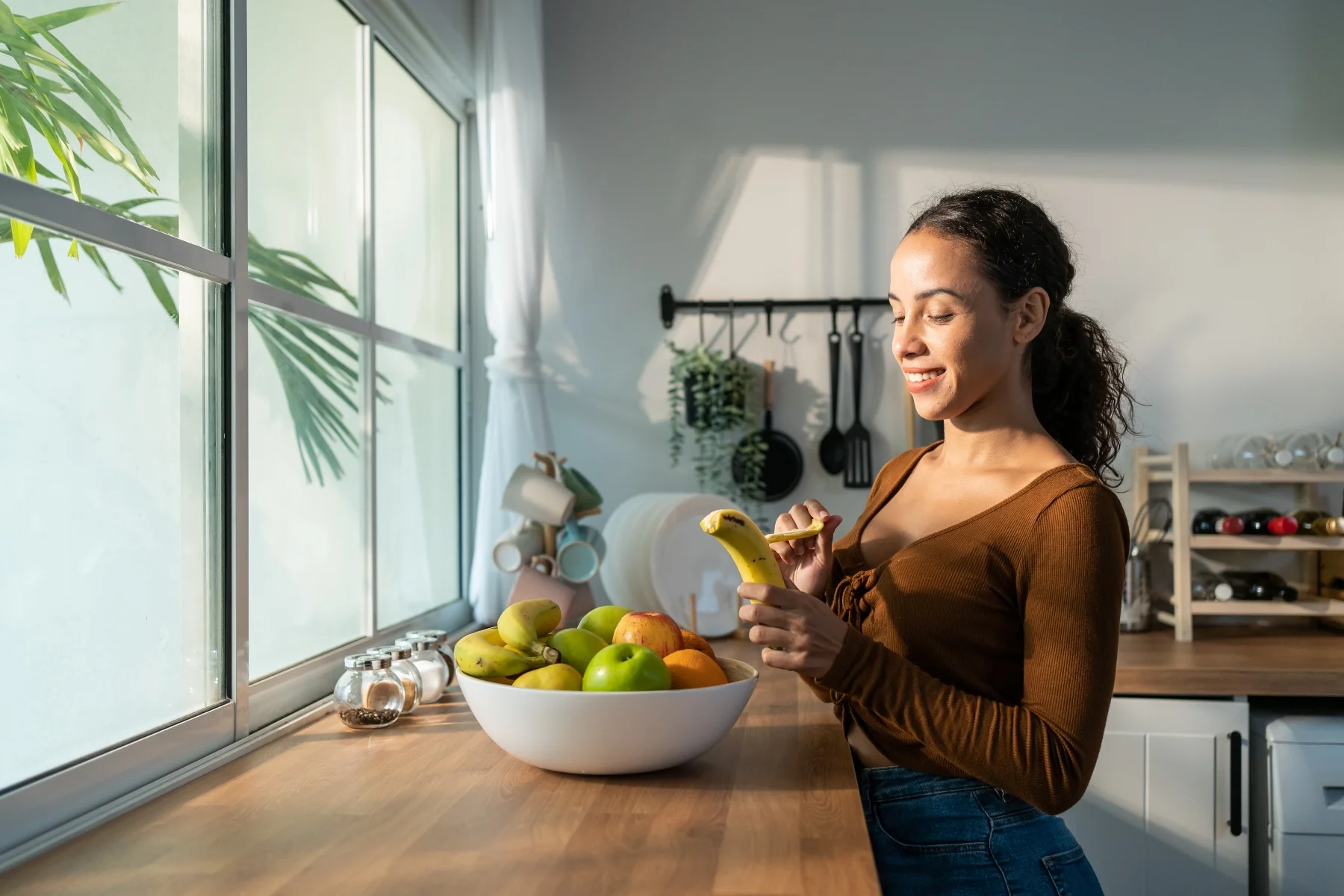
Bananas contain several nutrients that support the brain's natural sleep chemistry, making them a smart pre-bed snack for people looking to improve sleep quality through diet.
- Bananas contain tryptophan, which the body converts to serotonin and then melatonin, the hormone that signals your brain it's time to sleep
- Magnesium and potassium in bananas may help relax muscles and reduce nighttime cramps that fragment sleep
- Vitamin B6 is the enzyme cofactor that makes the tryptophan-to-melatonin conversion possible. Without it, the process stalls
- Timing matters: eating a banana 30 to 60 minutes before bed gives the body the best window to begin melatonin production before sleep onset
- One medium banana is the right dose, enough nutrients to support sleep pathways without overloading digestion
The idea of eating a banana before bed isn't new, but the reasoning behind it has gotten more specific. It's not just about being a "healthy snack."
Tryptophan, magnesium, potassium, B6. Bananas happen to contain all of them, and they all have a role in sleep. That's not a coincidence; it's just good fruit.
A banana is not melatonin in a peel. The amounts of each nutrient are modest. Research on individual nutrients is often based on supplement doses far higher than those provided by a single piece of fruit.
Understanding what bananas actually do, and what they don't, helps you make smarter choices about your sleep snack.
How Bananas Support Sleep
Bananas contain tryptophan, which your body converts to serotonin, which your brain converts to melatonin when it gets dark. [1]
Melatonin
Melatonin is what tells your body it's time to shut down. You've probably heard of it. It's what's in those gummies people take before flights.
Bananas don't have a ton of tryptophan on their own. But the carbs in a banana help tryptophan cross into the brain faster, which is where it gets converted into melatonin. [4]
The banana basically comes with its own delivery system. Eat one about an hour before bed. Eating one at dinner doesn't have the same effect.
Learn how to increase your melatonin naturally.
Magnesium
Then there's magnesium, which shows up in almost every conversation about sleep for good reason.
It's a cofactor in several steps of the tryptophan-to-melatonin conversion, and it also helps quiet the nervous system down in a more general way.
A medium banana has about 32mg of magnesium, not a therapeutic dose by any stretch, but meaningful if you're running low. And a lot of people are running low without knowing it. [2]
Potassium
Potassium is less glamorous but worth mentioning. Low potassium is linked to disrupted sleep, particularly muscle cramps that wake people up at 3 a.m. [3]
Bananas are one of the better food sources. Magnesium helps you fall asleep, potassium helps you stay there.
Vitamin B6
Vitamin B6 ties it all together. Without enough B6, the enzymatic conversion from tryptophan to serotonin basically stalls.
One banana covers a solid portion of your daily requirement. If you're eating tryptophan-rich foods but still struggling with sleep, B6 is worth looking at. [1]
Bananas Help. A Cool Bed Helps More
A banana before bed sets the stage. Chilipad 2.0 handles what nutrition can't. If your bedroom runs too warm, no amount of tryptophan will get you into the deep, restorative sleep your body is after.
Sleep Research and Bananas
Most of the studies that get cited are on isolated nutrients: magnesium at 400mg, tryptophan as a supplement, and B6 in therapeutic doses.
A single banana is nowhere near those numbers. So when someone says "bananas help you sleep," they're extrapolating from nutrient research to whole food, which is reasonable but not the same as a direct trial.
One clinical study showed meaningful improvements in sleep quality scores in people who added bananas to their daily diet. Researchers pointed to the combination of nutrients rather than any single compound. [2]
A separate study found that eating two bananas raised circulating melatonin markers by around 180%. [1] That's nothing. It also doesn't mean you'll feel like you took a sleep supplement. The effect is very subtle.
One study on older adults with sleep problems found that eating a banana every day for two weeks reduced nighttime disturbances compared to those who didn't.
It's a modest effect in a specific population, but it points in the right direction.
Sugar Reduces Deep Sleep
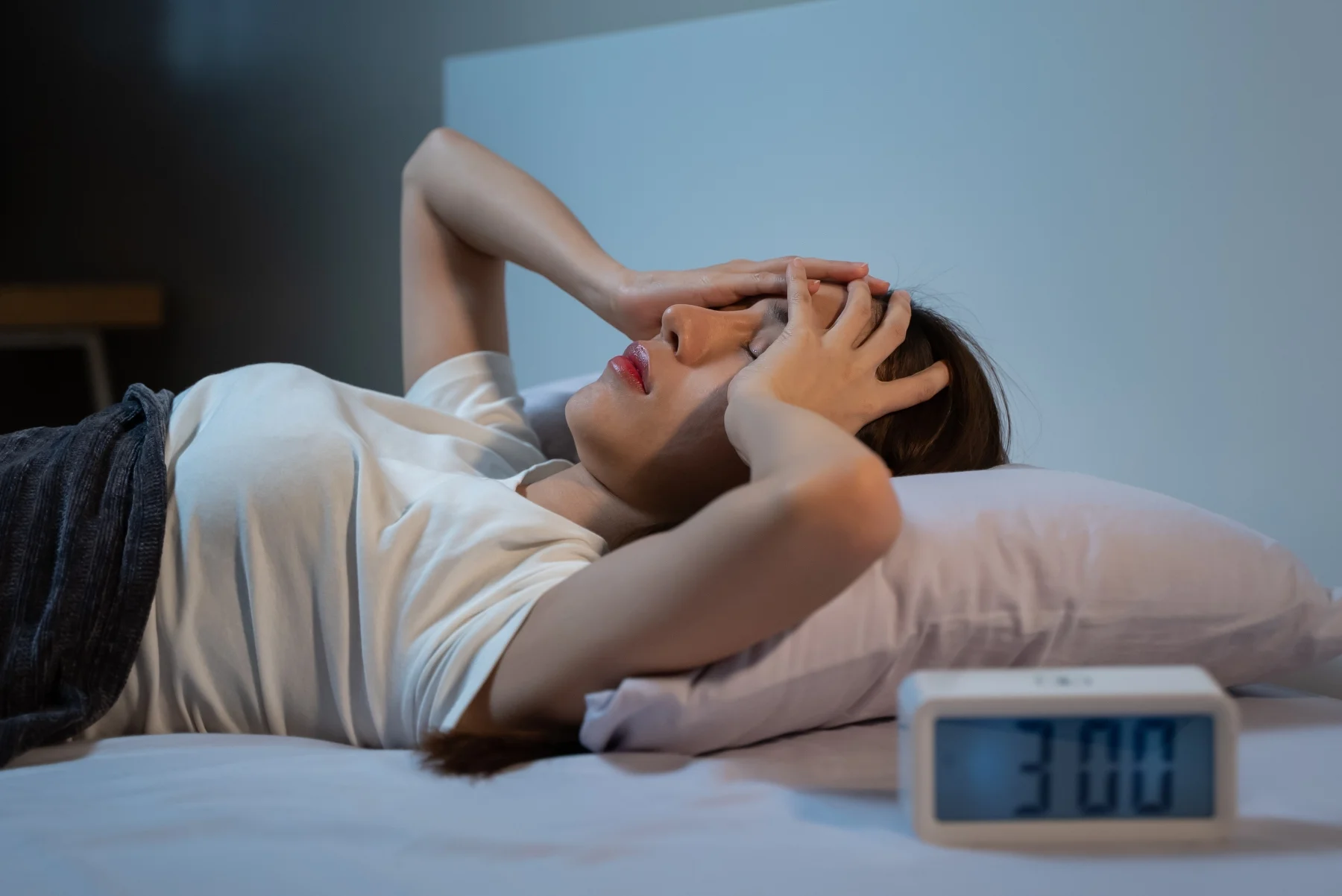
Deep sleep, also called slow-wave sleep, is when the body repairs tissue, rebuilds muscle, consolidates memory, and clears metabolic waste from the brain. Sugar undermines this stage specifically.
When blood sugar spikes, the body releases insulin to manage it. That metabolic response raises core body temperature and increases physiological activity at exactly the time the body needs to wind down into the temperature drop that initiates deep sleep. The blood sugar crash that follows triggers cortisol release, which fragments sleep further.
Research confirms that people with high added sugar intake spend less time in deep sleep and experience more nighttime restlessness than those with lower sugar diets. [3]
Why deep sleep matters
- Physical Repair: Tissue rebuilding, muscle recovery, and immune system reinforcement all happen here.
- Memory Consolidation: The brain organizes and stores information from the day during slow-wave sleep.
- Brain Clearing: Cerebrospinal fluid flushes metabolic waste products that build up during waking hours, including proteins linked to neurodegenerative disease.
Missing deep sleep shows up the next day as impaired focus, lower frustration tolerance, and a physical heaviness that more sleep hours alone do not fully resolve.
Sugar and Sleep Disorders
High sugar intake is associated with weight gain, which directly raises the risk of obstructive sleep apnea and other sleep-related disorders.
Excess body fat, particularly around the neck and throat, narrows the airway during sleep. This is one of the primary mechanical drivers of sleep apnea, a condition in which breathing repeatedly stops and restarts through the night, preventing the body from completing full sleep cycles.
High-sugar diets are also linked to type 2 diabetes, which disrupts sleep through blood sugar fluctuations during the night, restless legs syndrome, and increased urination that fragments sleep.
High sugar intake drives weight gain and metabolic disruption, which drives sleep disorders, which drives worse sleep, which tends to increase sugar cravings the following day.
Breaking that cycle requires addressing the dietary input rather than just the sleep symptom.
Banana Before Bed Frequently Asked Questions
Can I Eat a Banana Before Bed?
Are Bananas Good Before Bed for Sleep?
What Is the Best Time to Eat a Banana for Sleep?
How Many Bananas Should You Eat for Better Sleep?
Do Bananas Help With Night Sweats?
Disclaimer: This blog is for informational purposes only and is not a substitute for professional medical advice, diagnosis, or treatment. Always talk to your healthcare provider about your symptoms, conditions, or treatment options.