The Rest Factor: Episode 22 with Dr. Shelby Harris
You can also listen to the full podcast episode with Dr. Shelby Harris.
Key Takeaways
Managing menopause insomnia requires addressing nighttime temperature, sleep anxiety, and daytime habits to break the 3 a.m. wake-up cycle.
- Cool your environment: Lowering room temperature and using breathable bedding helps reduce sleep disruptions from night sweats.
- Avoid clock-watching: Checking the time at night increases stress and mental alertness, making it harder to fall back asleep.
- Practice stimulus control: Leave the bed to do a quiet activity if you are awake and frustrated, returning only when you feel sleepy again.
- Consider CBT-I: Cognitive Behavioral Therapy for Insomnia offers evidence-based strategies to reframe sleep anxiety and re-establish healthy sleep patterns.
- Consult a doctor: Speak with a healthcare provider if sleep issues persist, as medical treatments or evaluations for conditions like sleep apnea may be needed.
Waking at 3 a.m. hot, sweaty, and suddenly alert can make menopause feel especially draining. For many women, the challenge is not falling asleep at bedtime.
It is staying asleep after a night sweat, a trip to the bathroom, a racing thought, or an unexplained burst of alertness in the early morning.
Menopause insomnia is common, but it is not something you simply have to accept. Hormonal changes can trigger awakenings, while habits such as clock-watching, scrolling on a phone in bed, or worrying about tomorrow can keep the brain awake long after the original trigger has passed.
In the latest episode of The Rest Factor Podcast, Dr. Shelby Harris discussed why these middle-of-the-night wake-ups happen, what can make them harder to recover from, and why we should not accept poor sleep or poor sleep quality as normal.
The most effective approach is usually not one perfect product or supplement. It is a practical plan that addresses hot flashes, sleep habits, anxiety around sleep, and possible medical causes of repeated wake-ups. Here is how to interrupt the 3 a.m. cycle and build more restorative sleep.
Why Menopause Insomnia Causes 3 A.M. Wake-Ups
Menopause sleep disturbances can have several overlapping causes. During perimenopause and menopause, estrogen and progesterone levels fluctuate and decline.
These hormones influence more than reproduction; they also affect temperature regulation, mood, circadian rhythms, and sleep quality.
Declining estrogen can narrow the body's temperature comfort zone. A small internal temperature change may trigger a hot flash or night sweat, sometimes along with a faster heartbeat. You may wake before you consciously realize that you feel hot.
Progesterone may also play a role. It has calming effects in the brain, so lower progesterone levels during the menopause transition may contribute to lighter, more restless sleep for some people.
A typical early-morning wake-up can quickly become a self-reinforcing loop:
- A hot flash, sweat, discomfort, pain, or bladder urge wakes you.
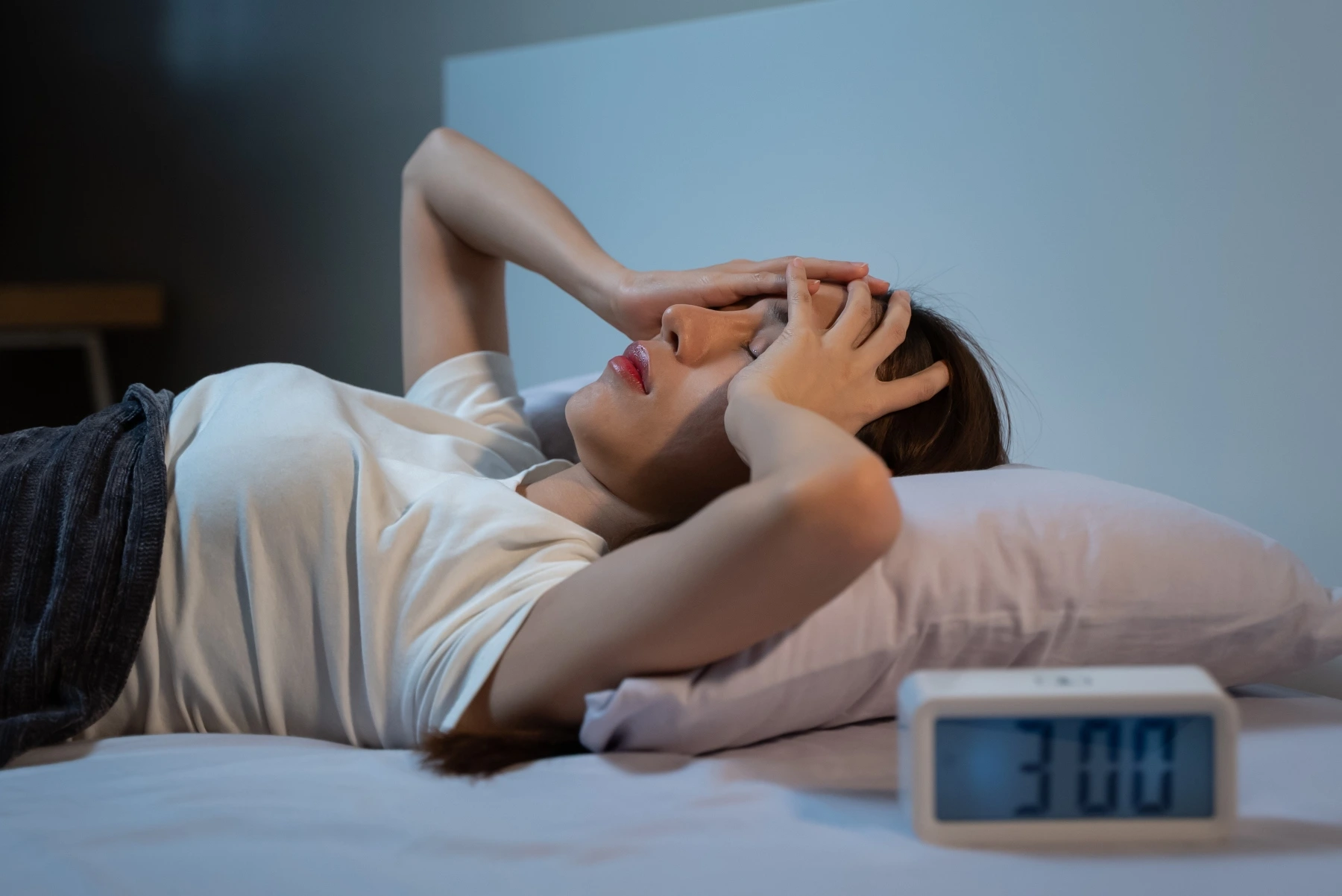
- You look at the clock and see it is 3 a.m.
- You calculate how little sleep is left.
- Your mind starts planning, worrying, or troubleshooting.
- Stress and alertness rise, making it harder to fall asleep again.
The hot flash may have started the problem, but learned sleep behaviors can keep it going. Over time, the brain can begin to associate the bed with frustration rather than sleep.
Aging, Bladder Changes, and Other Reasons You Wake Up at Night
Menopause is important, but it is not the only explanation for waking at 3 a.m. Sleep naturally changes with age. Older adults often spend less time in deep sleep and more time in lighter sleep stages, making brief awakenings easier to notice and remember.
Circadian rhythms may also shift earlier, leading to earlier sleepiness in the evening and earlier waking in the morning.
Nocturia, or waking to urinate, is another common contributor. Waking once to use the bathroom may be normal, but waking two or three times can significantly fragment sleep.
If urinary urgency, burning, leakage, or frequent nighttime urination is new or worsening, discuss it with a clinician.
Other possible causes of fragmented sleep include chronic pain, acid reflux, thyroid problems, anxiety, depression, and medication side effects.
Some blood pressure medicines, stimulants, corticosteroids, and certain mood medications can interfere with sleep depending on the medication and timing.
Alcohol deserves special attention. While it may make you feel sleepy initially, alcohol can reduce restorative sleep and increase second-half-of-the-night awakenings as it is metabolized. It may also worsen hot flashes for some people.
Create a Cooler Sleep Environment for Night Sweats
For women with hot flashes and night sweats, temperature management is a meaningful part of menopause insomnia treatment. The goal is not to create a perfect bedroom. It is to make nighttime overheating easier to manage so one brief awakening does not become an hour of lost sleep.
Use practical cooling strategies
Try these steps to make your bedroom more sleep-friendly:
- Keep the room cool with air conditioning, a fan, or an open window when safe and comfortable.
- Use breathable, moisture-wicking pajamas and lightweight sheets.
- Choose layers instead of one heavy duvet, especially if you share a bed with someone who sleeps at a different temperature.
- Consider a cooling mattress pad or bed-cooling system if night sweats are frequent and severe.
- Keep a spare shirt, towel, or pillowcase near the bed for quick changes.
- Avoid alcohol close to bedtime and notice whether spicy foods trigger nighttime symptoms.
Many sleep experts suggest a cool room, often around 60 to 67 degrees Fahrenheit, but comfort is individual. The best temperature is the one that helps you feel comfortably cool without becoming cold or tense.
As Dr. Shelby Harris, a clinical psychologist and sleep specialist, mentioned on The Rest Factor Podcast, "for me it's actually keeping the room cool."
What Should You Do When You Wake Up at 3 A.M.?
A brief awakening is normal. Most people wake lightly between sleep cycles but drift back to sleep without remembering it. The key is to avoid turning a normal wake-up into an insomnia spiral.
Stop Checking The Clock
Clock-watching is one of the fastest ways to create sleep pressure. Seeing 3:07 a.m., then 3:42 a.m., then 4:15 a.m. can lead to stressful mental math about how poorly you will function tomorrow.
This increases arousal at the exact time your nervous system needs to settle. Turn the clock face away, place your phone out of reach, or use a device that does not display the time overnight.
Keep Stimulation Low
Avoid checking email, reading the news, searching for sleep advice, or scrolling social media. Bright light and emotionally activating content can signal to your brain that the day has started.
If you feel sleepy and calm, stay in bed and allow yourself to rest without forcing sleep. A helpful thought is: "I do not need to solve tomorrow right now. I can rest."
If you are clearly awake, frustrated, or mentally activated, get out of bed for a short time. Go to a dimly lit room and do something quiet, such as reading a familiar book or listening to calm audio. Return to bed when you feel sleepy again. As Dr. Shelby Harris explained on The Rest Factor Podcast:
"If your brain's just super active, get up, go do something else. Just pass the time until you get sleepy again."
This strategy is called stimulus control, a core part of cognitive behavioral therapy for insomnia, or CBT-I. It helps rebuild the connection between your bed and sleep rather than your bed and struggle.
Address Sleep Anxiety and the Pressure to Sleep Perfectly
Persistent insomnia often creates understandable fear around bedtime. After several bad nights, it is easy to think, "If I do not sleep eight hours, tomorrow will be a disaster."
But this kind of pressure can increase adrenaline, muscle tension, and mental alertness.
Try replacing rigid sleep rules with more flexible thoughts:
- "One difficult night is uncomfortable, but I can cope with it."
- "I can still function after less-than-perfect sleep."
- "Wake-ups happen, and I do not have to react to every one."
- "Rest has value, even if I am not asleep this minute."
- "My job is to make space for sleep, not force it."
This is not about dismissing the impact of poor sleep. Repeated sleep loss can affect concentration, patience, decision-making, mood, and work performance. It is about reducing the pressure that turns an awakening into prolonged insomnia.
Can Food, Blood Sugar, and Exercise Affect Menopause Sleep?
Diet is not a cure for menopause insomnia, and there is no evidence that every 3 a.m. wake-up is caused by low blood sugar. However, meal patterns may affect sleep for some people, particularly those who wake hungry, shaky, or uncomfortable after skipping dinner or eating a large amount of refined carbohydrates late at night.
A balanced evening meal can support overall metabolic health during menopause. Consider including protein, fiber-rich vegetables, healthy fats, and moderate portions of high-fiber carbohydrates.
For example, salmon with roasted vegetables and quinoa, or beans with greens, olive oil, and whole grains, may be more satisfying than a sugary snack or a refined-carb-heavy meal alone.
If you suspect hunger is waking you, a small snack with protein and fat may be worth discussing with a registered dietitian or clinician, particularly if you have diabetes, take glucose-lowering medication, or have another metabolic condition.
Regular resistance training and physical activity can also support mood, muscle mass, metabolic health, and sleep quality. Avoid intense exercise immediately before bed if it leaves you energized, but remember that the best workout routine is one you can maintain consistently.
CBT-I Is an Evidence-Based Treatment for Chronic Insomnia
Sleep hygiene is useful, but it is often not enough for chronic menopause insomnia. If you have trouble falling asleep, staying asleep, or waking too early at least three nights per week for three months or longer, CBT-I is widely recommended as a first-line treatment.
CBT-I is a structured, non-medication treatment that addresses the thoughts and habits that maintain insomnia. It may include:
- Stimulus control to strengthen the bed-sleep association.
- Sleep scheduling or sleep compression to better match time in bed with actual sleep.
- Cognitive techniques to reduce catastrophic thinking about sleep.
- Relaxation and wind-down skills.
- Education about normal sleep cycles and realistic sleep expectations.
CBT-I can be delivered by a behavioral sleep medicine clinician, a therapist trained in insomnia treatment, or a validated digital CBT-I program. It can be used alongside menopause care, including treatment for hot flashes and night sweats.
Dr. Michael Grandner talks about how CBT-I calms your mind, eases insomnia, and retrains your brain for better sleep. Watch the podcast on YouTube.
When Should You Talk to a Doctor About Menopause Sleep Disturbances?
Talk with a qualified clinician if poor sleep occurs many nights per week, you feel chronically exhausted, or sleep problems are affecting your work, relationships, mood, or safety.
A personalized plan may include treatment for vasomotor symptoms, behavioral insomnia care, and evaluation for other health concerns.
Ask about an assessment if you experience:
- Loud snoring, gasping, choking, or witnessed pauses in breathing.
- Daytime sleepiness despite enough time in bed.
- Morning headaches or waking with a dry mouth.
- An urge to move your legs at night that improves with movement.
- Frequent urination, pain, reflux, palpitations, or severe night sweats.
- New anxiety, depression, or significant mood changes.
- Persistent insomnia despite changes to your routine and bedroom environment.
Sleep apnea becomes more common after menopause and may be missed in women because symptoms do not always look like classic loud snoring. Some women report fatigue, insomnia, headaches, mood changes, or waking frequently without realizing breathing disruptions are involved.
Menopausal hormone therapy may reduce awakenings when bothersome hot flashes or night sweats are a direct trigger. However, it is not a universal sleep aid and should be considered with a clinician based on your symptoms, health history, risks, and preferences.
Better Sleep During Menopause Is Possible
Menopause insomnia and 3 a.m. wake-ups can feel isolating, but they are often manageable with the right combination of symptom support and behavioral strategies. Start by cooling your sleep environment, avoiding clock-watching, keeping nighttime stimulation low, and noticing patterns involving alcohol, pain, food, or bladder symptoms.
If insomnia has become persistent, move beyond basic sleep hygiene. CBT-I can help break the cycle of wakefulness and sleep anxiety, while a clinician can evaluate hot flashes, sleep apnea, medication effects, and other conditions that may be disrupting rest. You do not need perfect sleep every night, but you do deserve a plan that makes better sleep more likely.
Disclaimer: The views and opinions shared in this Rest Factor Blog, including those of our guests, are for informational and inspirational purposes only and are not intended to be medical advice. Always talk to a qualified healthcare provider before making changes to your diet, exercise routine, or medical treatment, or if you think you may have a sleep disorder. These conversations with subject matter experts are part of our ongoing effort to help you sleep better for more energy, sharper focus, and stronger physical performance.