Key Takeaways
Your mattress is dirtier than you think, and washing your sheets is not fixing it. Here is what you need to know.
- The average mattress absorbs more than 26 gallons of sweat per year, and hot sleepers push that number even higher.
- A 7-year-old mattress can harbor over 16 million colony-forming units of bacteria per square inch, more than five times what a new mattress holds.
- Dust mites, bedbugs, fungus, pet dander, and harsh chemicals can all take up residence in your mattress without any visible signs.
- Washing your sheets removes surface buildup, but does nothing for what has already soaked into the mattress itself.
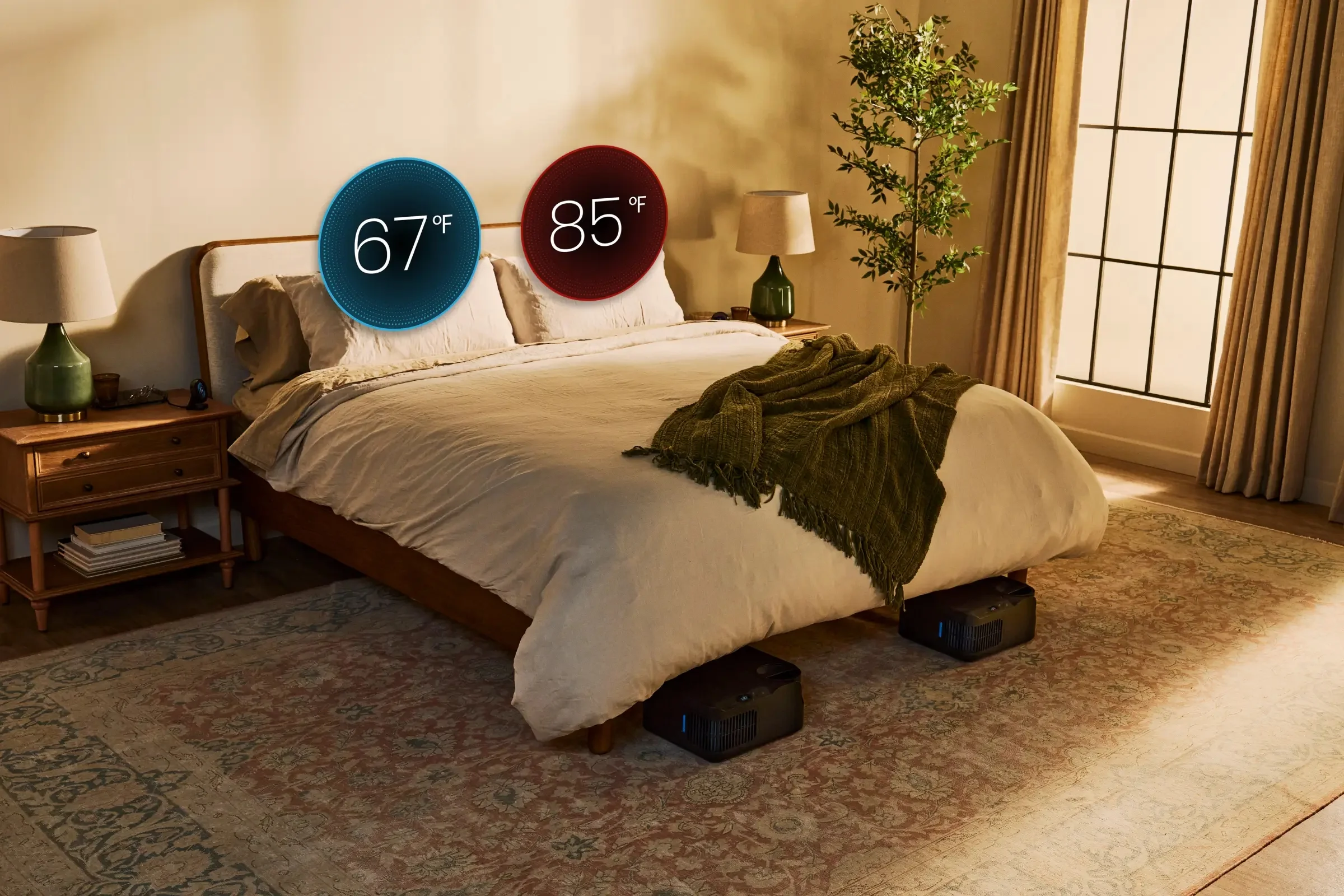
- Chilipad 2.0 by Sleepme includes a built-in mattress protector and water-based temperature control that keeps your sleep environment cleaner from night one.
Short Answer
Your mattress collects sweat, dead skin, dust mites, bacteria, and fungus from day one. Washing your sheets does not remove any of it. The buildup is inside the mattress, and it grows every year. Sleeping cooler is the most direct way to slow it down.
What's Really Living in Your Mattress?
You wash your sheets. You flip your mattress. You consider yourself a reasonably clean person. And yet, right now, your mattress is hosting a population of things that would literally make your skin crawl.
After a decade of use, it has absorbed years' worth of sweat, dead skin, body oil, and everything else your body sheds while you sleep.
The average person spends about 30,000 hours in bed over 10 years. That is a lot of time to let things pile up. You can slow down how fast it builds up.
Dust Mites
You shed roughly half a billion skin cells every single day, and a large portion of them settle into your mattress. Dust mites eat those cells, and they are very good at finding them.
The 1 to 1.5 grams of skin you shed each night can feed up to one million of them for an entire week. [4]
An Ohio State University study found that a single mattress can host anywhere from 100,000 to 10 million dust mites at any given time, depending on its age. [5]
Their droppings are a well-documented trigger for allergies and asthma. You cannot see them. You cannot feel them. But if you wake up congested, itchy, or sneezing for no apparent reason, your mattress is a likely suspect
Dust mite allergens have been linked to asthma symptoms in up to 85% of sensitized individuals. [6]
Bacteria and Fungus
The average adult sweats more than 26 gallons into their mattress every year. [7] That moisture has to go somewhere, and it goes deep. A warm, damp mattress is exactly the kind of environment where bacteria and fungus thrive.
Lab tests on 7-year-old mattresses found more than 16 million colony-forming units of bacteria per square inch. A newer mattress holds about 3 million. [8]
That is a five-fold increase over just a few years of normal use. Yeast, mold, and bacteria, including E. coli and Staphylococcus aureus, have all been found living inside mattresses.
These are not minor inconveniences; some of them can make you sick.
Harsh Chemicals
This one is less visible but no less real. Research has found that body heat can trigger the release of volatile organic compounds (VOCs) from mattress materials, including petroleum-based polyurethane, formaldehyde, and certain flame retardants. [9]
Every night, as your body warms the mattress beneath you, you may be breathing in low levels of these fumes.
Current research suggests chemical levels in the mattress aren't alarming for most adults, but they are more concerning for children. Either way, it's another reason why sleeping cooler is better for your overall sleep environment.
Sleep Cooler. Sweat Less. Keep Your Mattress Cleaner
Chilipad 2.0 uses water-based cooling to bring your bed to the right temperature all night. It comes with a cover that unzips for easy washing and includes a built-in waterproof protector.
Bedbugs
Bedbugs are opportunists. They hide in mattress seams, box springs, and bedroom furniture, and they come out to feed when you go still at night.
They can arrive in your home on luggage from a hotel, a dorm room, or any shared sleeping space.
By the time most people notice the bedbugs, the infestation is already established. The signs are subtle at first: red, itchy bite marks and small blood spots on your bedding.
Getting rid of them requires more than washing your sheets. It typically involves pesticides, thorough vacuuming of both sides of the mattress, and high-heat drying of all bedding.
Pet Dander
More than half of dog and cat owners share their bed with their pets. That means animal hair, dander, and whatever their paws tracked in before they jumped up.
Dust mites feed on pet dander just as readily as they do on human skin cells. And pets can also bring fleas or ticks directly to your mattress.
If your pet sleeps with you, the buildup on your mattress accelerates faster than it would otherwise. Regular baths, brushing, and paw wipe-downs help, but they do not eliminate the problem.
Washing Your Sheets Isn't Enough
Here is the part most people do not want to hear. Washing your sheets removes surface buildup. It does not touch what has already soaked through into the mattress.
The sweat, the dead skin, the bacteria, all of it has been accumulating in the layers beneath your sheets since the day you bought the mattress.
Even people who wash their bedding regularly still end up with mattresses full of bacteria, mites, and fungus. The sheet is a filter. The mattress is the reservoir. Cleaning one does not clean the other.
A mattress protector helps. But most people add one only after years of buildup, and standard protectors do nothing to address the heat and sweat that cause the problem in the first place.
How Hot Sleepers Make It Worse
If you sleep hot at night, your mattress is in worse shape than you realize.
Warmer sleeping conditions increase sweat output by around 15%. For a couple sharing a bed, that adds up fast. [10]
Research has found that over a single summer, two people sleeping hot can produce nearly a full bathtub's worth of sweat between them. That sweat goes directly into your mattress.
Between 10 and 40% of people identify as hot sleepers. If you are one of them, every night you spend overheating is another night of accelerated bacterial growth, higher mite populations, and deeper moisture penetration.
Heat makes every problem on this list worse. The dust mites thrive in it. The bacteria multiply faster in it. The VOCs release more readily because of it.
Hot sleeping is not just uncomfortable. It is actively making your sleep environment dirtier.
Chilipad 2.0: Sleep Cooler, Sleep Cleaner
Chilipad 2.0 by Sleepme was built around one core idea: you deserve a bed that works for your body. And that starts with temperature.
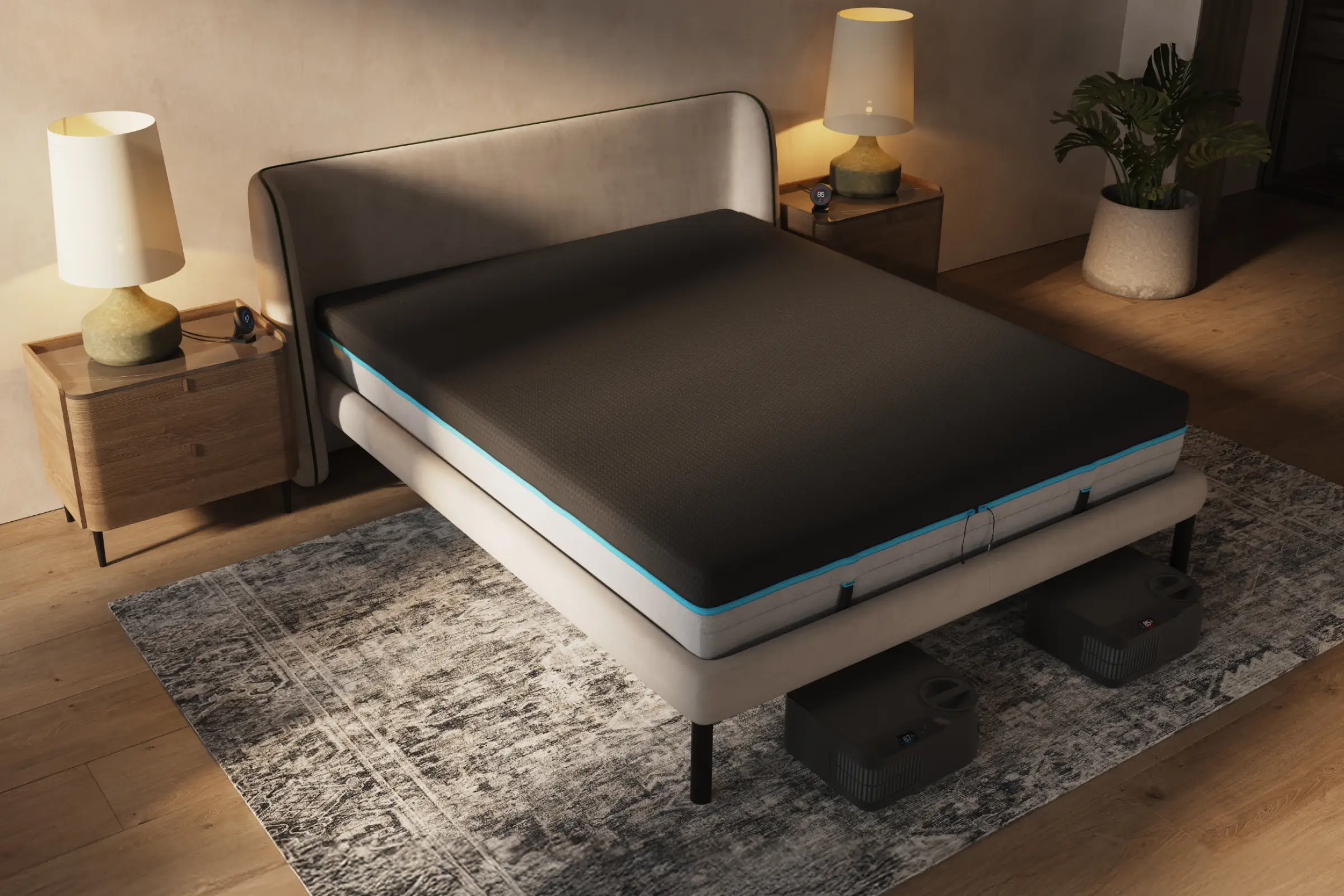
The Chilipad 2.0 system uses water-based cooling to bring your sleep surface to the exact temperature that works for you. Not the ambient room temperature, not whatever heat your partner generates, yours.
The Dock runs quieter than ever and fits under most beds without getting in the way. The redesigned Chilipad Remote sits on your nightstand so you can adjust your temperature without reaching for your phone.
But here is what matters most. The Chilipad 2.0 Cover now includes a built-in mattress protector.
From night one, your mattress has a barrier against sweat and moisture penetration. Pair that with the fact that cooler sleep reduces how much you sweat in the first place, and you are addressing the root cause of nearly every problem on this list.
Less heat, less sweat, less moisture in your mattress, fewer mites, less bacteria, a cleaner sleep environment. Every night. No subscriptions. Just better sleep, and a bed that stays cleaner because of it.
Here are more details on how the Chilipad 2.0 works.
The Bottom Line
Your mattress does not stay clean on its own. Every night you sleep hot, sweat more, and skip a protector is another night of buildup you cannot reverse with a wash cycle. The problems compound: more mites, more bacteria, more moisture locked into the layers beneath you.
Washing your sheets is a start. It is just not enough on its own. What slows the buildup is addressing the source: how much heat your body generates and how much sweat that produces.
The fix is simple. A real mattress protector creates a barrier before anything gets in. The Chilipad 2.0 Cover has one built in, along with the temperature control that helps you sweat less in the first place.
Dirty Mattress Frequently Asked Questions
How Does a Dirty Mattress Affect Sleep Quality?
How Does Chilipad 2.0 Help Keep a Mattress Cleaner?
How Often Should I Replace My Mattress?
Are Hot Sleepers More at Risk for Mattress Contamination?
What Makes Chilipad 2.0 Different From a Standard Cooling Mattress Topper?
Disclaimer: This blog is for informational purposes only and is not a substitute for professional medical advice, diagnosis, or treatment. Always talk to your healthcare provider about your symptoms, conditions, or treatment options.