Key Takeaway
Triathletes run hot at night not just because of the weather, but because of training load, and the fix is temperature control rather than a new mattress.
- Hard sessions raise core body temperature, and the body needs that temperature to fall before deep sleep begins.
- Endurance schedules stack the problem, with early swims cutting sleep short on the front end and evening bricks delaying sleep on the back end.
- A passive cooling mattress or gel topper absorbs heat for a while, then gives it back. Neither holds a set temperature through the night.
- Active, water-based bed cooling systems hold a chosen temperature until morning, which is what a high training load calls for.
- Most triathletes do not need to replace a mattress they otherwise like. Adding active temperature control to the bed they own is cheaper and more precise.
Short Answer
Triathletes sleep hot because heavy training raises core body temperature and slows the overnight drop that triggers deep sleep. Passive cooling products fade after a few hours, so they rarely solve it. A water-based bed cooling system that holds a set temperature all night is the most reliable solution for endurance athletes in a heavy block.
Why Do Triathletes Sleep Hot at Night?
Triathletes sleep hot because intense training raises core body temperature, and the body needs that temperature to drop before sleep starts.
A rapid decline in core body temperature makes sleep initiation more likely and supports entry into deeper sleep stages. [1]
When a hard session pushes core temperature up late in the day, that decline arrives later and more slowly. The result feels like lying awake in a warm bed even when the body is exhausted.
How Training Load Raises Core Body Temperature
Every hard session generates heat the body has to shed. After a long ride or a threshold run, the body keeps dumping that heat for hours through the skin and extremities.
Higher training volume means more of these sessions per week. That turns a one-night problem into a full-block problem, which is why core body temperature and muscle recovery are so closely linked for endurance athletes.
Why Early Swim Sessions Make Nights Worse
Early pool starts squeeze sleep from the other end. Research on world-class swimmers training at 06:00 found that early-morning sessions severely restricted the amount of sleep obtained across a two-week block. [2]
Triathletes get both sides of the problem. Early swims cut the night short, and evening bricks delay sleep onset by keeping core temperature high.
How Much Sleep Do Endurance Athletes Get?
Less than they think, and it drops further during racing. Research on cyclists found that sleep quantity and quality decline in the period surrounding competition. [3]
Multiday racing compounds it. Across a three-day ultra-endurance triathlon, total sleep time dropped significantly at every stage, from roughly 414 minutes before the race to roughly 300 minutes before the final run stage. [4]
That matters beyond how tired an athlete feels. Sleep quantity and quality are both linked to injury risk in athletes. [5]
Train Hard. Sleep Cold. Recover Faster
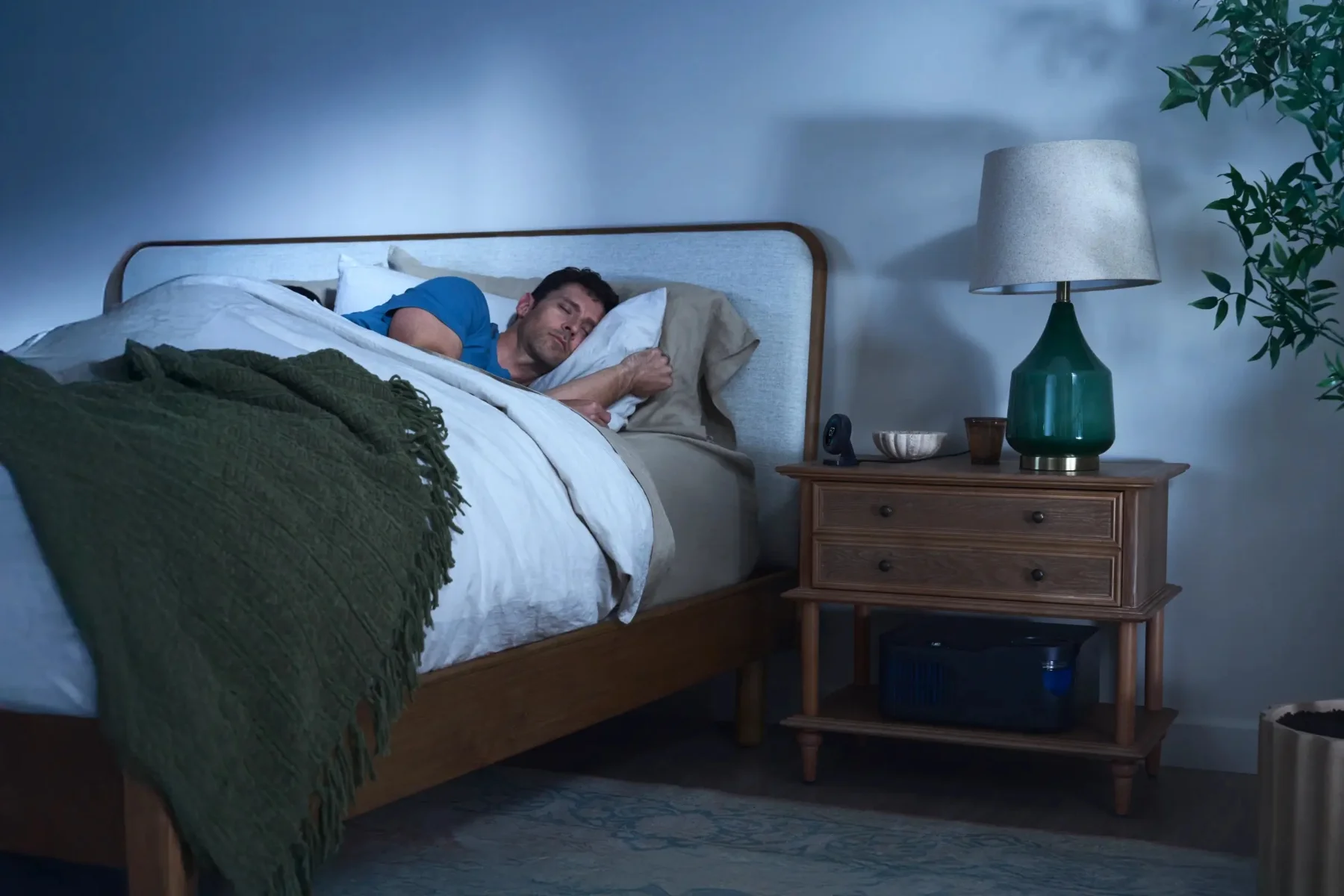
Chilipad 2.0 holds the bed anywhere from 55°F to 115°F all night, on the mattress already in the room. Two zones means a partner is not forced into a race block they did not sign up for. No subscription, ever.
Do Triathletes Need a New Mattress or a Cooling System?
For most triathletes, a cooling system matters most. A mattress sets comfort and support. A bed cooling system sets the temperature.
Those are different jobs, and swapping the mattress rarely fixes a heat problem caused by training load.
What a Cooling Mattress Can Do
A cooling mattress or cooling gel topper works by absorbing body heat. That feels good for the first hour or two.
Once the material reaches body temperature, it stops pulling heat away and starts holding it. This is the same reason cooling sheets do not stay cool all night.
What a Bed Cooling System Can Do
A bed cooling system continuously circulates water through a layer on top of the mattress and holds a set temperature until morning. There is no fade point because the system keeps working while the athlete sleeps.
That difference matters most during heavy blocks, when the body has more heat to shed and the margin for a broken night is smallest. Water carries heat far more efficiently than air, which is why water beats air for cooling a bed.
What Sleep Solutions Work Best for Triathletes Who Run Hot?
These are the tools endurance athletes reach for most, ordered by how much they change a hot night.
Water-Based Bed Cooling Systems
The most reliable option for athletes in a heavy block. Chilipad, a bed cooling system, circulates water through a layer that fits over the existing mattress and holds pre-selected temperatures until morning.
Chilipad 2.0 covers a range from 55°F to 115°F and fits most bed sizes, including split adjustable frames. Two-zone control lets each side of the bed run at different temperatures.
Cooling Mattress Toppers and Gel Pads
Useful for mild heat and light training weeks. They cost less than any other option here. Their limit is the fade point. For an athlete finishing evening sessions, the heat usually arrives after the topper has already given up.
The comparison of water versus cooling gel toppers breaks down where each one lands.
Breathable Bedding and Sleepwear
Percale cotton, linen, and bamboo move heat and moisture better than sateen or microfiber. Lighter or temperature-regulating sleepwear helps for the same reason.
This is a supporting move, not a fix. Bedding changes how fast heat escapes but does not set a temperature.
Fans and Bedroom Air Conditioning
Air movement helps sweat evaporate and can make a warm room tolerable. Sleeping with a fan on can help for athletes who run hot only in summer.
The tradeoff is noise, dryness, and cost. Cooling an entire room to reach a cooler bed is an expensive way to solve a bed problem.
Post-Session Cooling Routines
A cool shower, cold water immersion, or simply finishing hard efforts earlier all help core temperature start its decline sooner. Cold plunges have a real place in recovery and sleep, though timing matters more than duration.
Give the body at least two hours between a hard session and lights out where the schedule allows.
Sleep Tracking
A ring or watch shows whether a change worked. Watch time in deep sleep, nighttime heart rate, and heart rate variability across a two-week block rather than night to night. Single nights are noisy. Trends across a block are what tell the story.
A Race Travel Sleep Kit
Hotel thermostats rarely go low enough, and unfamiliar rooms disrupt sleep on their own. Pack an eye mask, earplugs, a portable sound machine, and lighter sleepwear.
For destination races that cross time zones, start adjusting a few days out. The steps for avoiding jet lag symptoms are the same as for a Sunday start line.
When Should Triathletes Train to Protect Sleep?
Earlier where possible, with the hardest session of the day placed at least two to three hours before bed. That window gives core temperature time to start falling on schedule.
Endurance schedules do not always allow it. When an evening brick is the only option, active bed cooling covers the gap by pulling heat away while the body is still shedding it.
Consistency matters more than perfection. Athletes who keep the same sleep and wake times through a block adapt faster than athletes who chase lost hours on weekends.
What Should Race Week Sleep Look Like?
Boring and repeatable. Race week is the wrong time to change a mattress, a pillow, or a bedtime routine.
Bank consistency across the full week rather than trying to sleep long the night before. Pre-race nerves shorten that night for almost everyone, which is why the two or three nights before it carry more weight.
Keep the bedroom cool, dark, and quiet. For athletes traveling with a bed cooling system, running the same temperature used at home removes one variable from a week already full of them.
The Bottom Line
Start with the piece that fixes the most nights. For an athlete training hard year-round, that is active temperature control at the bed, not a new mattress and not another set of sheets.
Layer supporting changes on top. Breathable bedding, earlier hard sessions, and consistent sleep times all make the temperature fix work harder.
Then measure it across a full block. If nighttime heart rate drops and deep sleep climbs, the setup is working. If nothing moves, the heat was not the limiter.