





Key Takeaways
The best bedroom colors for sleep, like soft blues, greens, and warm neutrals. These colors can help you relax faster, fall asleep easier, and wake up feeling more rested.
- Calming colors like soft blue, green, warm white, gray, and beige help lower stress levels and support deeper, more restful sleep.
- Stimulating colors such as red, orange, bright yellow, and neon tones can increase alertness and make it harder to wind down at night.
- Lighting changes how paint colors look and feel, so test shades throughout the day to avoid surprises at night.
- Your sleep setup matters just as much as color—cool temperatures, low noise, and proper lighting all work together to improve rest.
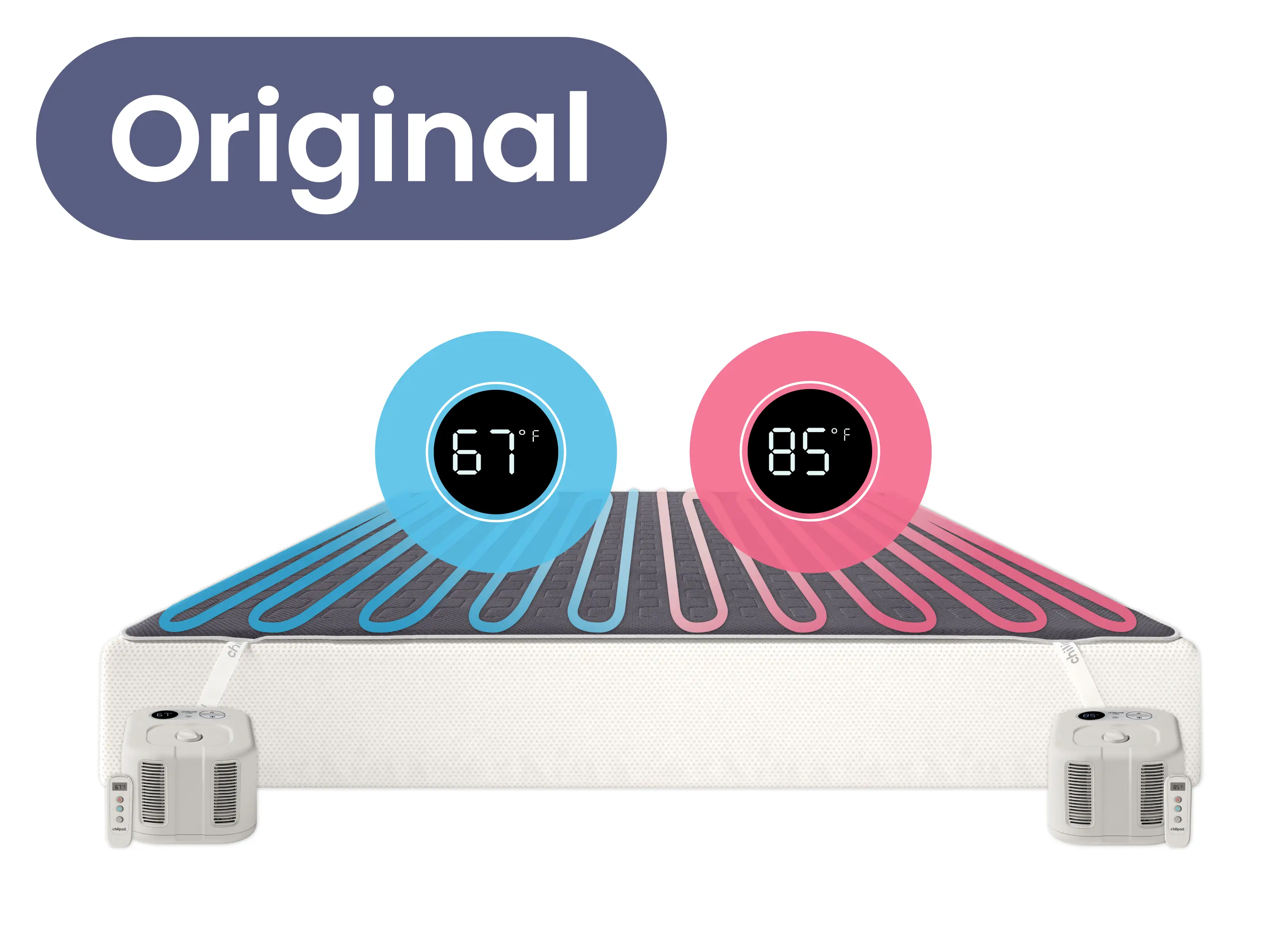
- Pairing a calming color palette with tools like temperature-controlled sleep systems can help create a more consistent and comfortable sleep environment.
When it comes to crafting a calm, inviting bedroom, paint color is more than just a backdrop—it’s the foundation of how you feel. The right hue can instantly shift the mood, turning a cluttered room into a restful, luxurious sanctuary.
With an endless sea of swatches to choose from, narrowing down "the one" can feel daunting.
But by factoring in your room's natural light and existing decor, you can easily pinpoint a palette that feels like home.
Whether you’re drawn to the soft whisper of a warm white or the moody embrace of a deep navy, there’s a perfect shade waiting to reclaim your sleep space.
Below, we’ll dive into the best shades for promoting deep relaxation, highlight a few "high-energy" colors to avoid, and share expert tips for creating a space that’s as stylish as it is restorative.
Create Your Best Bedroom
Choosing the best bedroom color is step one. Add a Chilipad to the mix, and you’ve just created the ultimate sleep zone.
How Color Affects Sleep
How Color Affects Sleep Your wall color does more than just fill a space—it actually talks to your brain. While the right hue acts as a visual lullaby, the wrong one can act like a double shot of espresso right before bed.
Research backs this up: a well-known study found that people in blue bedrooms clocked the most sleep, reporting feeling significantly more rested than those in high-energy rooms like red or yellow. [1]
This happens because colors influence our physiology. Cool, natural tones can actually help lower your heart rate and ease anxiety.
The vibrant, "hot" colors keep your mind in a state of alertness. By choosing a restful palette, you aren’t just decorating; you’re literally setting the stage for your nervous system to power down.
Pro Tip: Once you’ve nailed the perfect peaceful palette, don’t stop there. Check out our guide to the best bedroom gadgets to make sure your wake-up routine feel as refreshed as your new space looks.
Best Colors for Sleep
When it comes to choosing bedroom color ideas that enhance sleep, some shades stand out more than others. Let’s take a closer look at the most sleep-supportive colors.
1. Soft Blue: The Gold Standard for Sleep
There’s a reason blue tops almost every "best bedroom color" list.
It’s the ultimate visual tranquilizer, known for physically lowering your heart rate and easing you into a state of relaxation.
In fact, research shows that people in blue rooms don’t just sleep more—they report better quality sleep, too. [2]
To keep the space from feeling chilly, stick to softer, "dusty" blues that create a serene, airy atmosphere.
Design Secret: For a sophisticated, high-end look, try "color drenching." Use a flat or eggshell finish on the walls and a semi-gloss in the exact same blue for the trim and baseboards. It adds a layer of modern refinement without overwhelming the senses.
2. Earthy Green: Nature’s Neutral
If you want your bedroom to feel like a private sanctuary, green is your best friend. It’s naturally grounding and brings a refreshing, "outdoors-in" energy to your space.
To keep the vibe sophisticated rather than overwhelming, lean into soft sage or muted olive. These earthy tones make a room feel instantly curated and calm.
Beyond the aesthetics, green is all about balance. To lean into the full sensory experience, try pairing your new wall color with green noise.
The sound is like rustling leaves or a steady forest rain. It creates a cohesive, immersive environment that helps your brain "switch off" and drift into a deeper sleep.
3. Warm White: Clean for Relaxation
Thanks to its clean, calm vibe, white is a great color choice for the bedroom. It’s often linked to positive feelings like peace, safety, and relaxation, which is exactly what you want in a sleep environment.
It also makes rooms feel more open and airy.
For a bit of personality, try pairing white walls with a contrasting ceiling color to shift the mood or add depth.
White walls are less stimulating than bold colors, making it easier for your mind to wind down before sleep.
Balance out the simplicity with soft textures and inviting decor to add warmth and prevent the space from feeling too plain or clinical.
4. Gray: Cozy and Calm
Creating a cozy and calm bedroom atmosphere starts with the right color choices. Try gray—it’s soft, stylish, and easy on the eyes.
This neutral shade creates a peaceful setting and works well with just about any accent color, so you can make the space your own without it feeling too busy.
Plus, it adds a touch of warmth and comfort to the room.
5. Beige & Cream: The Ultimate Quiet Luxury
If you’re looking for a "cloud-like" escape, you can’t go wrong with warm, easygoing neutrals.
Unlike stark white—which can feel a bit clinical—beige and cream have subtle undertones that wrap a room in warmth.
They’re the interior design equivalent of a cashmere blanket: soft, timeless, and effortlessly elegant.
The real magic of these shades is their versatility. They act as a sophisticated canvas for almost any style, whether you’re layering in earthy textures like linen and wood or adding pops of soft pastel.
Because they don't demand your attention, they allow your mind to fully decompress the moment you walk through the door.
The Impact of Lighting on Color
Lighting can totally change how a paint color looks in your bedroom. Natural light, lamps, and even the time of day all play a part.
A soft blue might look bright and fresh in sunlight, but more muted at night. Meanwhile, warm white can feel extra cozy under soft indoor lighting.
Test your paint colors in different lighting throughout the day before making a final call—what looks perfect at noon might feel totally different at night.
Knowing how lighting affects color is key to picking the perfect paint for your bedroom.
Think about which direction your windows face, the type of light fixtures and light bulbs you use, and what time of day you're usually in the room.
Factoring in these details helps you choose a great shade that feels right, morning, noon, or night.
Worst Colors for Sleep
While the right shade acts like a lullaby, the wrong one can feel like an unwanted wake-up call.
Some colors are just too high-energy for a room meant for rest, keeping your brain "on" when you’re trying to power down. I
f you’re struggling to drift off, your wall color might be the hidden culprit.
Here are the shades that, while beautiful in a kitchen or office, might be worth keeping out of the bedroom.
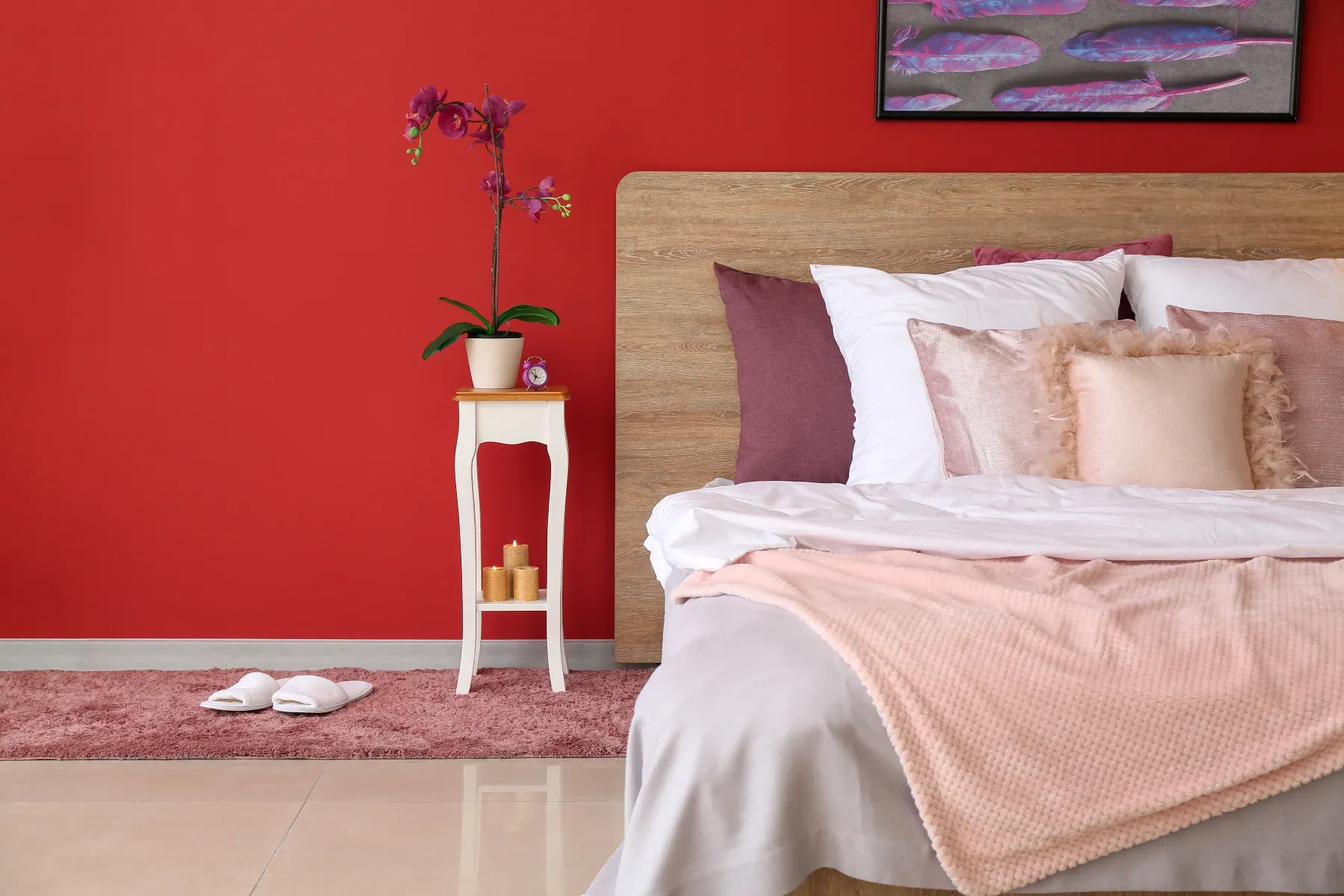
1. Red
Red might be great for grabbing attention in marketing, but it’s not doing your sleep any favors. Bold and energizing, red is known to raise heart rate and boost alertness.
It’s great for sales, and is not so great for bedtime. People often associate red with intense emotions like fear, anger, and excitement, along with stressful words like “panic,” “injury,” and “pain.”
That kind of mental stimulation can disrupt your ability to wind down, making red one of the least sleep-friendly shades out there.
Research indicates that red can trigger a fight-or-flight response, heightening awareness and making it difficult to relax. [3]
2. Orange
Orange is bold, fun, and full of energy—great for daytime vibes, not so great for winding down at night. Bright shades can boost your heart rate and create a sense of urgency, which makes it tough to relax before bed.
Additionally, orange can sometimes be linked to feelings of frustration or restlessness.
Two things you definitely don’t want in a sleep space. Love the color? Try a softer, more muted tone instead. It still brings warmth, but without the over-the-top energy.
3. Yellow
Yellow is often associated with happiness and positivity, but its brighter shades can be overly stimulating.
While lighter shades of yellow can create a cheerful atmosphere, they may also evoke feelings of anxiety or restlessness, particularly in the evening.
Bright yellow can increase alertness and energy levels, making it less conducive to sleep.
The color can also be associated with frustration, especially in its more vibrant forms.
For a bedroom, it is advisable to choose softer yellows that can provide gentle warmth without the intensity that can disrupt sleep.
4. Dark Colors
Deep colors like black or dark brown can make a room feel heavy or closed-in, which may throw off the overall vibe of your space.
While they do help block out light, they can also stir up negative emotions or feel a bit too intense, making them less than ideal for a calm, restful bedroom.
5. Bright Pinks and Purples
Neon pinks and purples might be fun and flashy, but they’re not doing your sleep any favors.
Their high-energy glow can overstimulate your brain, making it harder to relax and unwind. Instead of calming you down, they dial things up, better suited for a party than a peaceful bedroom.
TLevel Up with Accent Colors
Accent colors are the secret to a bedroom that feels "finished" rather than just "furnished."
A splash of yellow can wake up a dark corner, while earthy tones keep things cozy and calm.
To keep it professional, stick to colors within the same family as your walls, but experiment with different sheens and textures (like wood accents) to add depth. It’s the easiest way to make a generic space feel like yours.
Color Pairings That Actually Work
A great bedroom isn't just about picking one paint color; it’s about how that color talks to your furniture, trim, and decor.
While soft blues or warm whites create a quiet, serene backdrop, bolder shades add that hit of energy that makes a room pop.
To make the space feel intentional, look at the textures you already have—like the grain in your wood paneling or the weave of your bedding.
When your paint works with those natural elements instead of competing with them, the whole room finally clicks.
The result? A space that’s stylish, great for sleep, and feels entirely like you.
Setting Up Your Room for Better Sleep
Creating and decorating a sleep-friendly environment goes beyond simply picking the right bedroom paint color.
Your bedroom’s color scheme, along with elements like lighting, temperature, and noise levels, are all vital in supporting restful sleep.
For more tips on optimizing your bedroom, check out our post on Designing the Ideal Bedroom for Enhanced Sleep Quality.
Here are a few tips to help you optimize your space for better sleep quality:
- Lighting: Use soft, dim lighting, and even red or orange bulbs in the evening to signal to your body that it’s time to wind down. Consider blackout curtains to block out external light.
- Temperature: Keep your bedroom cool, ideally between 60-67°F (15-19°C), as a cooler environment promotes better sleep.
- Bed Cooling Systems: Want even more control over your sleep environment? A bed cooling system like the Chilipad Dock Pro lets you fine-tune your mattress temperature to match your ideal sleep setting.
- Noise Control: Minimize noise disruptions by using white noise machines or earplugs if necessary.
- Declutter: A tidy bedroom can help create a calming atmosphere, reducing stress and promoting relaxation.
Need a Little Color Inspiration?
Creating and decorating a sleep-friendly environment goes beyond simply picking the right bedroom paint color.
Choosing the right bedroom color can feel overwhelming, especially when you’re aiming for a space that promotes relaxation and restful sleep. The good news? You don’t have to do it alone.
Whether you're leaning toward soft neutrals, soothing blues, or earthy shades of greens, there’s plenty of design inspiration out there to help you decide.
Browse curated bedroom color palettes and expert picks from Benjamin Moore, Sherwin-Williams, and Behr for combinations that blend style with serenity. A little inspiration goes a long way toward creating your ultimate sleep sanctuary.
Final Thought
Choosing the right bedroom color scheme is more than a design decision—it’s an essential part of creating a space that supports healthy, restorative sleep.
Soothing shades like soft blues and muted greens can help calm the mind and body, while overly stimulating paint colors such as bright reds, oranges, and yellows may interfere with your ability to unwind.
By thoughtfully curating your bedroom’s painted color collection with rest in mind, you can transform your space into a true sanctuary for sleep.
Bedroom Color Frequently Asked Questions
What Color Promotes the Best Sleep?
Blue takes the crown. Studies show it calms the nervous system, slows heart rate, and helps you drift off faster.
Are There Bedroom Colors That Disrupt Sleep?
Yes, the following colors include:
- Bright reds
- Oranges
- Purples
These colors can be too stimulating for sleep. Save those bold tones for your workout room or living space.
Is It Better to Go With Cool or Warm Tones for Sleep?
Cool tones like soft blues, greens, and neutrals are ideal. They help your brain wind down instead of ramping up.
What Are the Top Bedroom Paint Colors for Sleep?
Here’s a quick-hit list of the best shades for better shut-eye:
- Soft Blue: Calming, serene, and widely recommended by sleep experts
- Pale Green: Refreshing and grounding
- Muted Gray: Minimalist and soothing
- Light Beige or Taupe: Cozy without overstimulation
- Lavender: A gentle nod to color without disrupting your sleep cycle
Peer-Reviewed Research References
-
Jonauskaite, D., et al.
Universal Patterns in Color-Emotion Associations Are Further Shaped by Linguistic and Geographic Proximity.
Psychological Science, vol. 31, no. 10, 2020.
Study Type: Peer-Reviewed Journal Study
Key Finding: Color-emotion associations are broadly shared across cultures, but are influenced by language and geographic proximity, shaping how people emotionally respond to different colors.
View Study
Source URL: https://doi.org/10.1177/0956797620948810
-
Liu, W., et al.
Optimal Color Design of Psychological Counseling Room by Design of Experiments and Response Surface Methodology.
PLoS ONE, vol. 9, no. 3, 2014.
Study Type: Peer-Reviewed Scientific Study
Key Finding: Carefully selected color combinations in interior spaces can improve emotional comfort and relaxation, supporting psychological well-being in controlled environments.
View Study
Source URL: https://doi.org/10.1371/journal.pone.0090646
-
Mentzel, S. V., Schücker, L., Hagemann, N., & Strauss, B.
Emotionality of Colors: An Implicit Link between Red and Dominance.
Frontiers in Psychology, 2017.
Study Type: Peer-Reviewed Research Article
Key Finding: The color red is strongly associated with dominance and heightened emotional intensity, demonstrating how specific colors can trigger measurable psychological and behavioral responses.
View Study
Source URL: https://doi.org/10.3389/fpsyg.2017.00317