
Key Takeaways
Shift Work Sleep Disorder is common and manageable. Small, consistent changes to your schedule, environment, and daily habits can make a real difference.
- Shift Work Sleep Disorder affects millions of night and rotating shift workers, with nearly 31% reporting poor sleep quality and over 22% feeling excessively sleepy during the day.
- Keeping a consistent sleep schedule, even on days off, helps your body maintain a more stable internal rhythm despite an unusual work schedule.
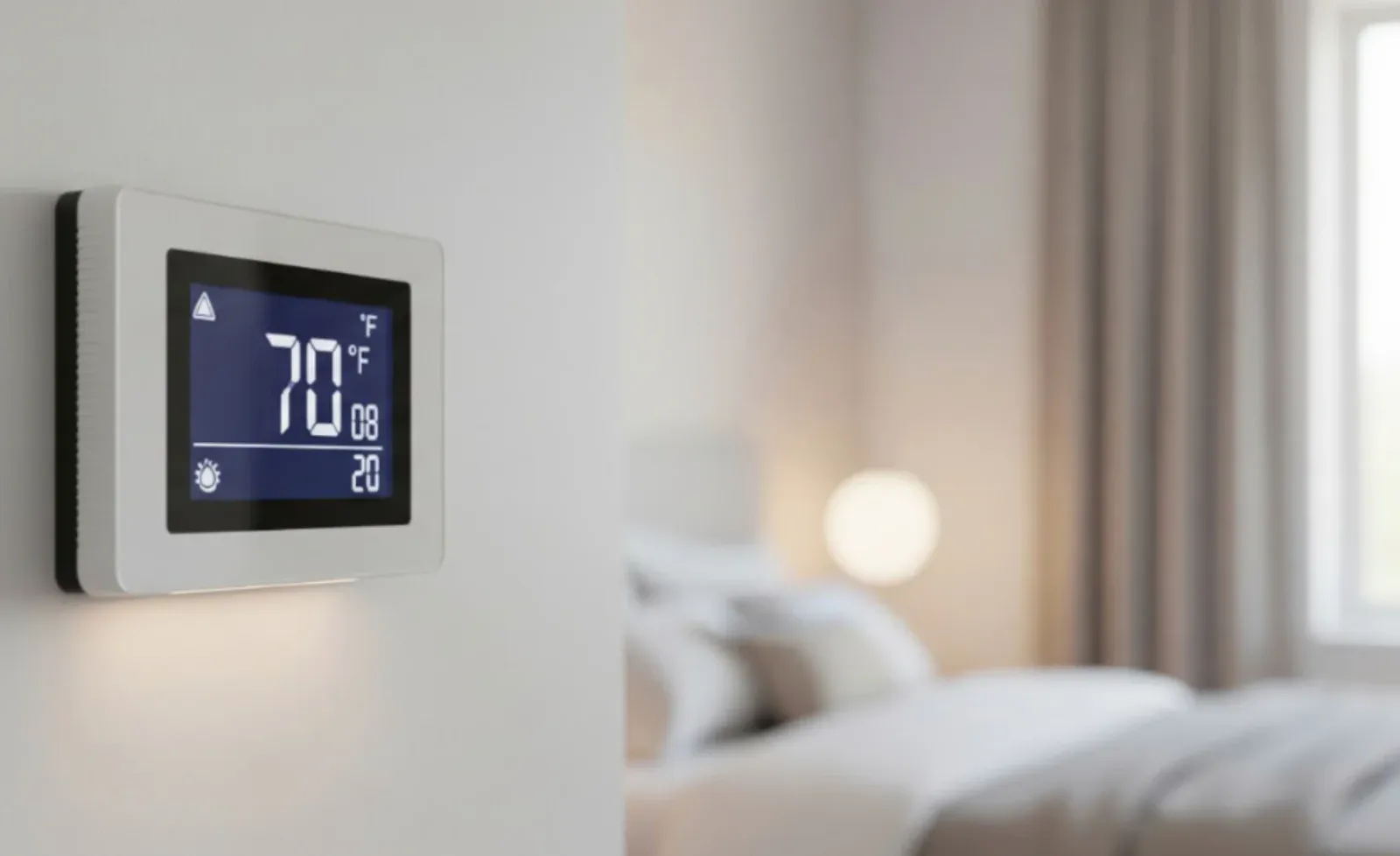
- Creating a sleep-friendly environment by blocking light, reducing noise, and maintaining a cool bedroom makes daytime sleep more effective.
- Smart habits including strategic naps, managing caffeine timing, and using light exposure deliberately can reset alertness and improve sleep timing.
Short Answer
Managing Shift Work Sleep Disorder starts with stabilizing your sleep schedule, controlling your sleep environment, and using light and caffeine strategically. Most shift workers see meaningful improvement when they address the environment first, particularly temperature and light, and build consistent habits around sleep timing. If symptoms persist despite these changes, a healthcare provider can help identify whether an underlying sleep disorder is also involved.
Working outside a traditional schedule takes a toll most people underestimate until they are in it. The fatigue that comes with Shift Work Sleep Disorder is not just tiredness. It follows you through every shift, makes small tasks feel heavy, and does not fully clear even on your days off.
NIOSH reports that 30.7% of night shift workers experience poor sleep quality and 22.3% feel excessively sleepy during the day. [1] That is a lot of people dealing with a sleep problem that most have never heard of.
Shift Work Sleep Disorder responds to consistent, practical changes. These eight strategies are backed by research and grounded in what works for people managing real shift schedules.
Stick to a Sleep Schedule Your Body Can Count On
A consistent sleep schedule is the most powerful change a shift worker can make. Going to sleep and waking up at the same time, even on weekends, is what helps your body adapt to a non-traditional schedule.
It feels counterproductive to keep your shift schedule on days off. But switching back and forth is what makes the return to work so hard. Your body never gets a chance to settle.
A colored sound machine can help block out daytime noise and light bleed. Different noise types work for different people.
Try white noise for broad sound masking, brown noise for a deep rumbling backdrop, pink noise for something softer, or green noise for a natural outdoor feel.
Your Bedroom Is Step One. Your Bed Temperature Is Step Two
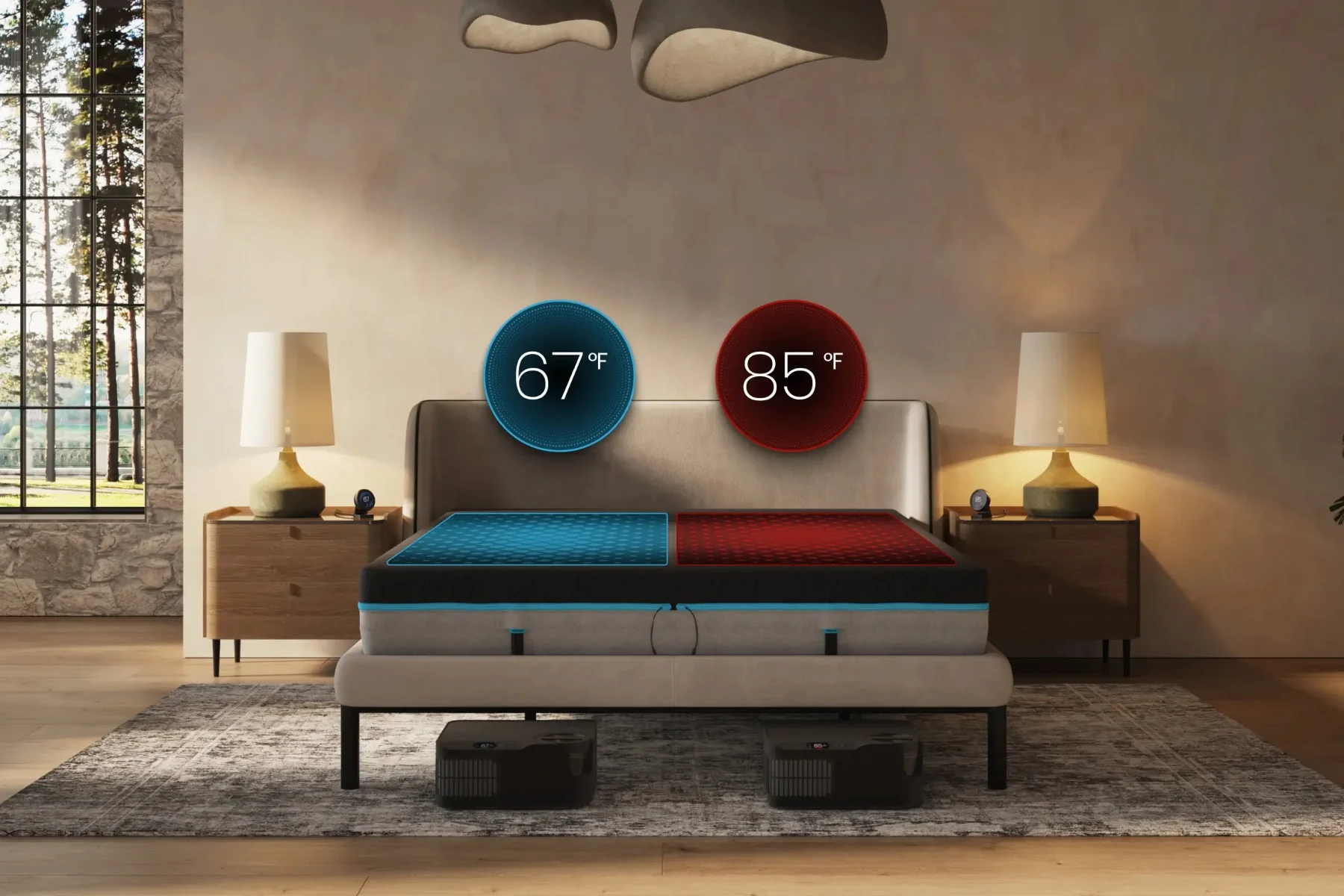
Even a cool room can't fix a mattress that traps heat. Chilipad 2.0 uses active water-based cooling to hold your sleep surface at the exact temperature you set, all day or all night, so your main sleep window actually delivers the rest your shift schedule demands.
Make Your Bedroom Work for Daytime Sleep
Your bedroom needs to feel like nighttime even when it is 10 AM. That means blocking every source of light and sound that tells your brain the day is going on without you. [4]
Blackout curtains are non-negotiable for daytime sleep. A sleep mask handles light you cannot block from the room. Earplugs or a colored sound machine cover the ambient noise that daytime brings.
For extra protection, pair those basics with newer sleep tech, like smart temperature-regulating mattress pads and AI noise-masking wearables, to fully shield your body from the noisy, mid-day world.
Your Bed Temperature Can Make or Break Daytime Sleep
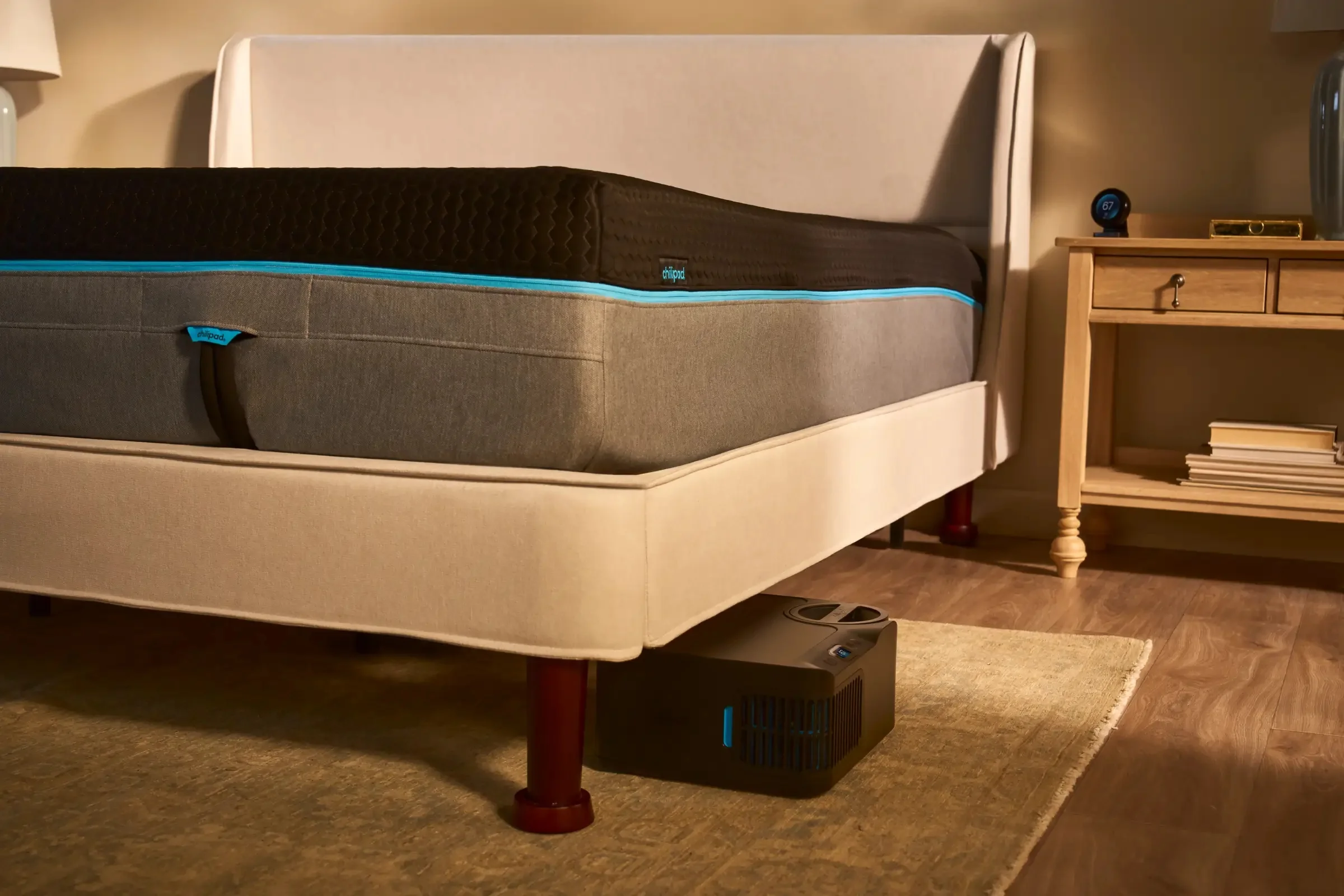
Even when the room feels cool, your mattress and bedding can still trap heat and cut sleep short. This is one of the most overlooked reasons shift workers wake up too early.
Cooling sheets and gel pads feel cool at first but warm up within an hour or two as they absorb body heat. The Chilipad 2.0, an advanced water-cooled bed system and mattress topper, uses active water-based cooling to keep your sleep surface at a consistent temperature all night.
Set it before you go to bed, and it holds your target temperature until you wake up, no matter what time of day that is.
Take Short Naps That Help Without Backfiring
A short nap before a shift or during a break can sharpen your alertness without cutting into your main sleep window.
Keep nap times to 20 to 30 minutes. Longer naps push you into deeper sleep and leave you groggy when you wake up. Napping too late in the day also makes it harder to fall asleep when your main sleep window arrives.
A short nap before a night shift is usually better than one taken late in the shift. Plan it into your pre-shift routine rather than leaving it to chance.
Use Light to Reset Your Body Clock on Purpose
Light is the most powerful signal your body uses to decide when to be awake and when to wind down. Shift workers can use this deliberately rather than letting it work against them.
Get bright light at the start of your shift. If it is still dark when you start, a light therapy lamp can do the same job. This tells your brain it is time to be alert.
On the way home after a night shift, wear dark sunglasses. Morning light signals your brain that it is time to wake up. If you absorb it on a 7 AM commute home, falling asleep at 8 AM becomes much harder.
Time Your Caffeine Around Sleep, Not Just Your Shift
Caffeine helps you stay alert during a shift. The problem is that it has a half-life of five to seven hours, which means half of what you drink at 4 AM is still in your system at 9 AM when you are trying to sleep. [5]
Cut off caffeine four to six hours before your intended sleep time, as caffeine can linger hours after consumption. If you plan to sleep at 9 AM after a night shift, your last coffee should be no later than 3 to 5 AM.
Most shift workers find that tracking their cutoff for one week shows them exactly where caffeine has been quietly working against their sleep.
Eat in a Way That Supports Your Schedule
What you eat during a shift affects how alert you feel and how well you sleep afterward. Eating regular, balanced meals keeps your energy stable.
Heavy, spicy, or fatty foods close to sleep raise your core temperature and keep your digestive system active when you need it to be winding down. [6]
Lighter snacks during the shift maintain energy without the heavy feeling that can hit at 3 AM. Stay hydrated throughout, but ease off fluids in the two hours before sleep to reduce nighttime wake-ups.
Foods with magnesium and tryptophan can support sleep onset. Bananas, yogurt, nuts, seeds, and turkey are all easy options that work well as end-of-shift snacks.

Stay Active Without Undermining Your Sleep
Regular exercise helps shift workers sleep better, feel more balanced, and keep energy levels up across the week. Any movement counts.
A walk during a break, stretching before a shift, or a short workout a few days a week all produce real benefit over time. [7]
The one thing to watch is timing. Hard exercise within 60 to 90 minutes of sleep raises your core temperature and cortisol in ways that delay sleep onset. Aim to finish intense activity before that window.
Get Support Before You Hit a Wall
Shift Work Sleep Disorder is a real medical condition, not something you just push through. If you have been consistent with these habits for a few weeks and sleep is still a struggle, talk to a doctor.
A healthcare provider can check for conditions like sleep apnea or insomnia that may be making things worse, discuss whether melatonin or other treatments make sense, and refer you to a sleep specialist if needed.
Cognitive behavioral therapy for insomnia, or CBT-I, works well for shift workers and does not require medication. The earlier you get support, the easier it is to fix. [3]
The Bottom Line
Shift Work Sleep Disorder is widespread, underestimated, and has real consequences that show up in work performance, mental health, behavior, and long-term physical health.
What shift workers can control is the sleep environment and the habits built around it. A consistent sleep schedule. A cool, dark bedroom. A smart caffeine cutoff. A model of sleep being taken seriously. These do not require perfect compliance to produce results. They just require consistency.
If symptoms have been going on for weeks and are not improving, that is worth a conversation with your doctor rather than another week of grinding through it.
Manage Shift Work Sleep Disorder FAQ's
What Is Shift Work Sleep Disorder?
How Much Sleep Do Night Shift Workers Need?
How Can Family Members Support Shift Workers?
Disclaimer: This blog is for informational purposes only and is not a substitute for professional medical advice, diagnosis, or treatment. Always talk to your healthcare provider about your symptoms, conditions, or treatment options.