
Key Takeaways
Sleeping hot is almost always caused by your sleep surface, your bedroom environment, or your pre-bed habits, and most cases have a straightforward fix once you identify which one.
- Your body generates up to 100 watts of heat during sleep. Without the right surface to move it away, that heat builds up under the covers and wakes you up.
- Your core temperature needs to drop to initiate deep sleep. A warm mattress, synthetic bedding, or a hot pre-bed routine all work against that drop.
- Hormonal changes during perimenopause, menopause, and pregnancy are among the most common drivers of nighttime overheating in women. Low testosterone causes the same in men.
- Stress and anxiety trigger a fight-or-flight response that raises your core temperature. Five minutes of diaphragmatic breathing before bed lowers cortisol and makes a measurable difference.
- Pre-sleep habits like eating spicy food, drinking alcohol, or exercising late all raise your baseline temperature. Cutting them off two to three hours before bed gives your body a better starting point.
You get hot when you sleep because your body generates heat that gets trapped by memory foam mattresses, synthetic bedding, or warm room temperatures.
Other primary causes include hormonal shifts like menopause or low testosterone, late-night meals or alcohol, elevated cortisol from stress, and certain medications.
If you keep waking up hot, your sleep surface is almost certainly working against you. Your bed is probably the problem, not your body.
Most people who sleep hot spend years blaming themselves: running warm, getting older, hormones. Those things are real.
But the reason they keep waking up at 2 am in a sweat is almost always the surface they're sleeping on and the habits they brought to bed with them.
Your body is supposed to drop its core temperature by about 1.8 degrees to initiate and stay in deep sleep. When your mattress, your bedding, or your pre-bed routine work against that drop, you end up fighting your own bed instead of resting in it.
A recent sleep study found that between 10% and 41% of people identify as hot sleepers. [1] A separate Casper-Gallup survey of nearly 4,000 US adults found that 57% report sleeping too hot at least occasionally, making overheating the most common sleep temperature complaint in the country. [6]
Most of them have a fixable cause.
Cool Your Bed. Not Just Your Room.
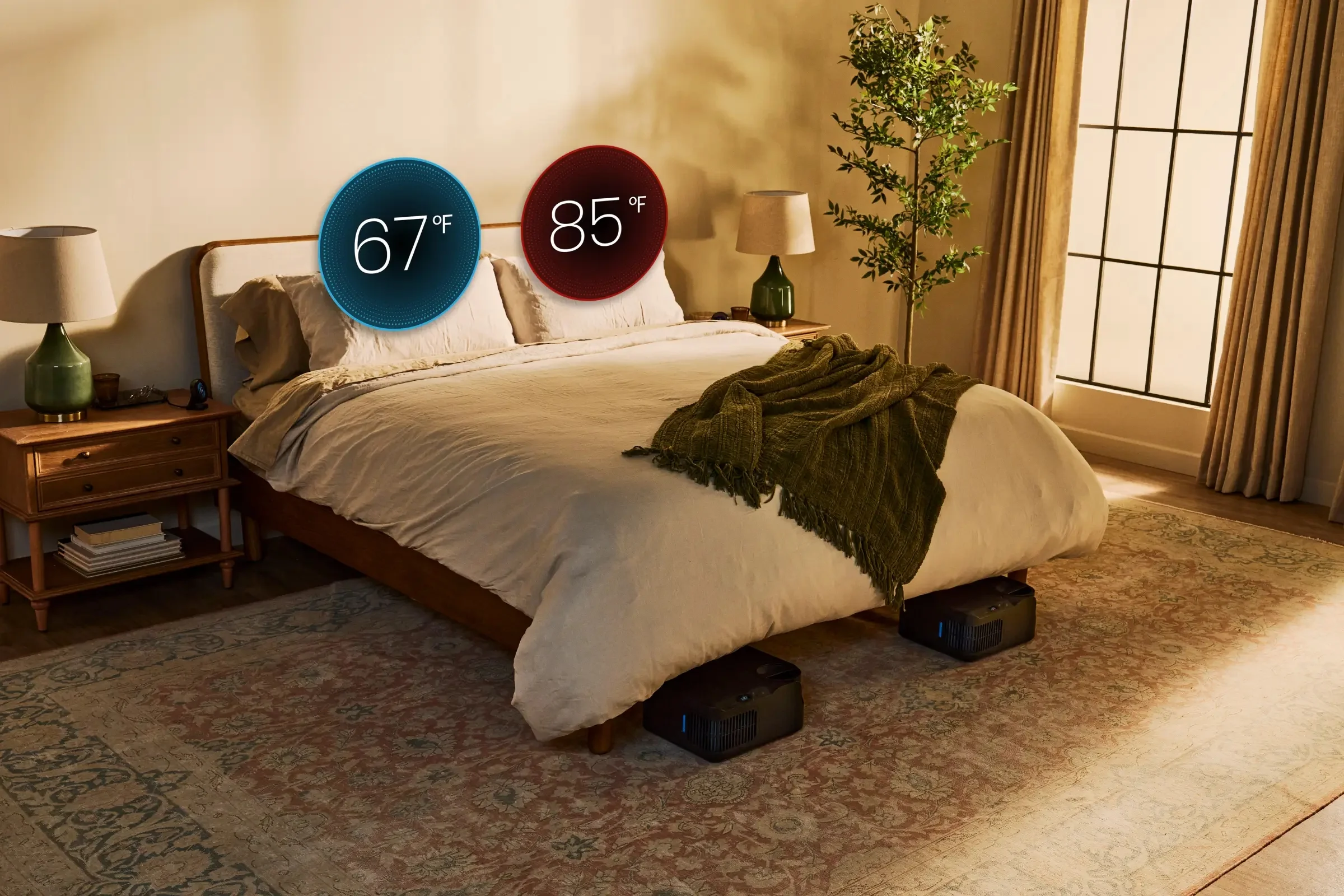
Your mattress is trapping heat all night. Chilipad 2.0 pulls it away. Set your exact sleep temperature from 55 to 115 degrees and actually stay there.
Why Do We Get So Hot When We Sleep?
Your body generates up to 100 watts of heat at the sleep surface, and without the right environment to move that heat away, it builds up under the covers.
Research points to around 65 to 68 degrees Fahrenheit as the range that supports the best sleep for most adults. [2] Nearly 40% of American adults prefer their bedrooms set between 66 and 69°F for sleeping.
Even with the room set at the right temperature, you can still wake up overheated. The reason is usually something closer to your body: your bedding, your habits, or an underlying health factor.

Your Sleep Environment Is Usually the First Thing to Fix
The room temperature, your bedding, and the surface you sleep on all determine how much heat builds up around your body overnight. Start here before looking anywhere else.
Hot or Humid Climate
High humidity prevents sweat from evaporating effectively, which cuts off your body's primary cooling mechanism. When sweat can't do its job, core temperature stays elevated.
A 2026 Loughborough University study found that cooling the mattress reduced time to fall asleep by roughly 40% in an 86°F room.
Heavy Bedding
Fabrics like fleece and down trap heat by design. For anyone who already sleeps warm, they compound the problem.
Breathable materials like cotton, bamboo, and Tencel wick moisture and allow better airflow.
Heat-trapping Mattresses
Memory foam is the most common culprit. It conforms by absorbing heat and then radiates it back throughout the night. A cooler room temperature only partially compensates for what's happening at the sleep surface.
The Chilipad 2.0 addresses this directly by regulating the surface temperature throughout the night rather than relying on room air to do the job.
Here are some tips for cooling your memory foam mattress.
Thick Sleepwear
Fleece and wool pajamas trap heat the same way heavy bedding does. Lightweight, breathable fabrics like cotton or linen are better choices for people who tend to sleep warm.
Sleeping Partners and Pets
The average adult generates between 75 and 90 watts of heat during sleep. Sharing a bed with a partner, child, or pet adds to that total.
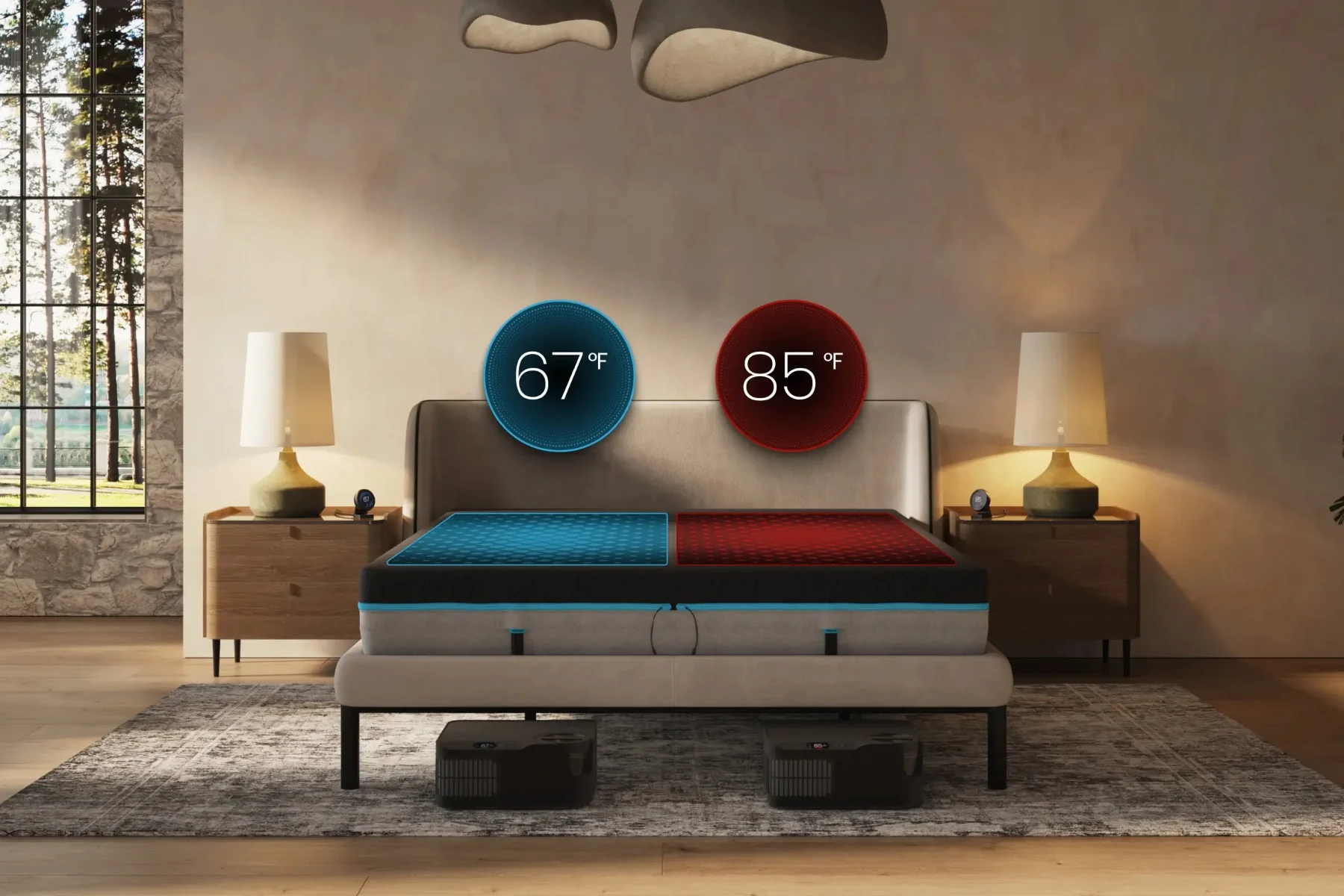
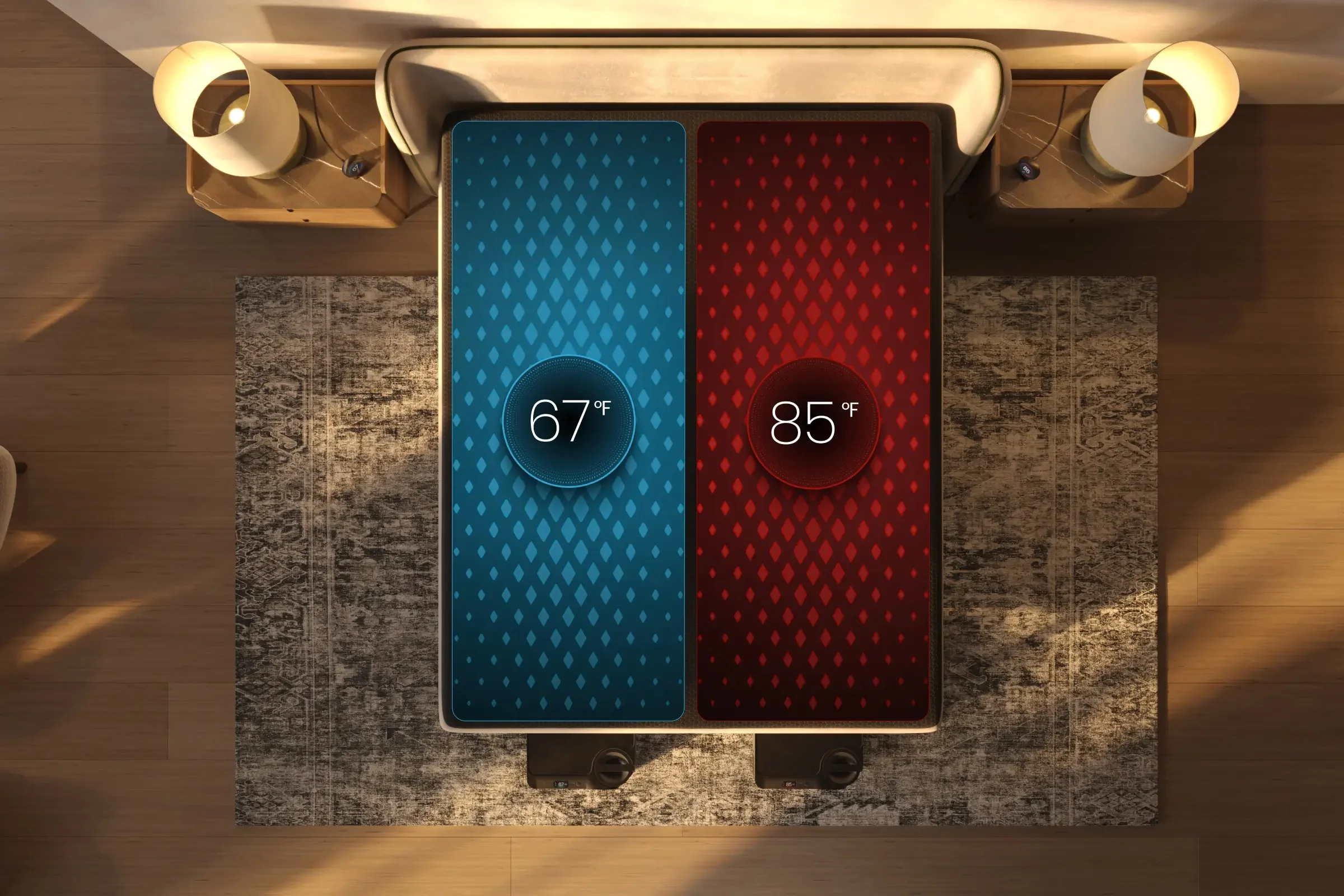
The Chilipad 2.0 is a dual-zone bed cooling system that lets each person set their own temperature independently, so shared body heat doesn't become a shared problem.

What You Eat and Drink Before Bed Raises Your Body Temperature
Several common foods and drinks raise your core body temperature in the hours before bed, making it harder for your body to cool down when it needs to.
Here are a few of those triggers:
- Spicy food: capsaicin raises skin temperature and triggers heat-release sweating. These and other foods can disrupt your sleep.
- Heavy or protein-rich meals: digestion raises core temperature for hours after eating
- Caffeine: stimulant effects elevate heart rate and body temperature well into the night
- Sugary energy drinks: blood sugar spikes drive up internal temperature
- Alcohol: raises core body temperature by affecting blood vessels and disrupting heat regulation overnight
Alcohol deserves specific mention. It may help you fall asleep faster but consistently produces worse sleep in the second half of the night.
Lighter meals, water, and avoiding spicy food or alcohol in the two to three hours before bed give your body a better thermal starting point. Find out which foods help you sleep.
Hormonal Changes Are One of the Most Common Reasons People Sleep Hot
Declining estrogen triggers hot flashes and night sweats in women. Low testosterone does the same in men. Hormonal changes affect both sexes and are one of the most overlooked causes of chronic nighttime overheating.
For women, hormonal shifts are one of the most common drivers of nighttime overheating. Studies show that up to 87% of women experience hot flashes and night sweats during perimenopause and menopause.
Approximately 80% experience hormone-related sweats and hot flashes overall. [3]

Approximately 80% experience hormone-related sweats and hot flashes overall. [3]
- Estrogen: Declining estrogen during perimenopause and menopause disrupts the body's temperature regulation system, triggering hot flashes and night sweats.
- Progesterone: Progesterone helps regulate body temperature. Its decline during perimenopause and menopause contributes to difficulty staying cool at night.
- Thyroid Hormones: An overactive thyroid speeds up metabolism, which increases heat production. Thyroid dysfunction affects how your body manages temperature during sleep.
- Pregnancy: Hormonal changes during pregnancy increase blood circulation and raise core body temperature, particularly in the first trimester. View a list of tips to sleep better during pregnancy.
- Men Are Not Exempt: Low testosterone in men is linked to night sweats in men and difficulty regulating sleep temperature.

Stress Raises Your Core Body Temperature at Exactly the Wrong Time
Stress activates the fight-or-flight response, which raises heart rate, blood pressure, and core temperature precisely when your body should be cooling down for sleep.
A 2023 Gallup poll found that 49% of Americans reported frequently feeling stressed.
Here's how stress raises your body temperature at night:
- Fight-or-flight response. Stress hormones prepare your body for perceived danger. This raises heart rate, blood pressure, and core temperature, all of which work against falling and staying asleep.
- Muscle tension. Tense muscles generate heat, adding to the physical warmth you feel when trying to sleep.
- Sleep cycle disruption. Cortisol and adrenaline disrupt your natural sleep architecture and make it harder for your body to regulate temperature through the night.
Controlled deep breathing exercises before bed, such as box breathing or slow diaphragmatic breathing, activate the parasympathetic nervous system and lower cortisol. Five minutes before sleep is enough to produce a noticeable effect.

More Muscle or Body Mass Means More Heat to Manage at Night
People with more muscle mass or higher body weight generate more heat at rest, which means they often need more active cooling than someone with a lower metabolic baseline.
Fat tissue acts as insulation, trapping body heat rather than allowing it to dissipate. For people who already sleep warm, this compounds the problem.
Studies suggest that people with higher body weight may be more sensitive to heat and may prefer lower sleeping temperatures. [4] Temperature control at the sleep surface, rather than just the room, is often more effective for these individuals.
These Evening Habits Keep Your Core Temperature Too High for Sleep
Several common evening habits keep your core temperature elevated past the point where your body can start cooling down, and most people don't realize they're doing them.
- Intense exercise. Elevates heart rate, adrenaline, and core temperature for 60 to 90 minutes after the session. Morning or early afternoon workouts produce better sleep outcomes than evening ones.
- Hot showers or baths too close to bed. A warm shower raises your surface temperature temporarily. Give your body 30 to 60 minutes to cool back down before you lie down.
- Stressful screen activity. Late-night news, social media, or emotionally charged conversations keep cortisol elevated going into sleep.
- Wearing too much to bed. Thick pajamas or socks trap heat at the surface before your body has a chance to release it. Lightweight or minimal sleepwear gives your body more room to regulate.

Some Medications Cause Night Sweats as a Direct Side Effect
Certain medications raise body temperature or trigger night sweats directly, and the connection is easy to miss if symptoms started gradually after a new prescription.
- Triptan migraine medications can cause excessive sweating as part of their effect on serotonin receptors.
- Corticosteroids including cortisone, prednisone, and prednisolone may cause flushing or night sweats, particularly at higher doses. [5]
- Some antidepressants, particularly SSRIs and SNRIs, are among the most common medication-related causes of night sweats.
- Certain diabetes drugs, particularly when combined with alcohol, can trigger sweating episodes related to blood sugar fluctuations.
- Fever-reducing medications like aspirin and acetaminophen can cause sweating as the body's temperature normalizes after the medication takes effect.
- Beta-blockers like propranolol and metoprolol can cause night sweats by affecting how the body responds to adrenaline and regulates heat.
A Fever Raises Your Internal Temperature Set Point
When your immune system is fighting an infection, it raises your body's internal temperature set point, which is what makes you feel hot during a fever even when you're lying completely still.
Sweating is your body's attempt to bring temperature back down toward normal. The disorienting part is that even while your body is actively cooling through sweat, the elevated temperature set point itself is what makes you feel hot.
This is different from environmental overheating and typically resolves as the underlying illness clears. Find out more about how sleep supports your immune system.
Does Hyperthyroidism Make You Sleep Hot?
Hyperthyroidism raises your metabolic rate continuously, which means your body produces more heat all day and all night, including while you sleep.
These symptoms are driven by the metabolic overdrive the condition creates rather than environmental factors. If you experience persistent heat intolerance, unexplained weight loss, rapid heartbeat, and nighttime overheating together, thyroid function is worth evaluating with a doctor.
How to Fix the Source of the Heat, Not Just the Symptoms
- Cool the sleep surface first. Room temperature cooling has limits. A ceiling fan moves air. An AC unit cools the room. Neither touches the surface where your body is generating heat. The Chilipad 2.0 circulates water through a pad on your mattress and cools from 55 to 115 degrees. If you share a bed, each side runs independently.
- Switch to breathable bedding. Cotton, bamboo, and Tencel fabrics wick moisture and allow airflow. Synthetic materials like polyester and microfiber trap heat because the fibers don't breathe.
- Cut off pre-bed triggers. Alcohol, spicy food, caffeine, and intense exercise in the two to three hours before bed all raise core temperature. Removing them gives your body a better thermal starting point.
- Manage stress before bed. Cortisol keeps core temperature elevated. Controlled breathing, progressive muscle relaxation, or a consistent wind-down routine lowers arousal and reduces the heat that comes with it.
- Keep a symptom journal if the cause is unclear. Tracking when overheating happens, what you ate, your stress level, and other symptoms helps identify patterns and gives a doctor something concrete to work with.
Is Your Heat Environmental or Physical Changes the Fix
Some people sleep hot because of their environment. Others sleep hot because of their body. The fix is different for each, and mixing them up is why most attempts fail.
Men with low testosterone and women in perimenopause are especially prone to physiological heat. If you have addressed the obvious environmental factors and still overheat consistently, your baseline physiology is likely the culprit.
That does not mean living with it. It means the solution needs to work at the surface level, not just the room level.
Persistent Night Sweats With Other Symptoms Are Worth a Doctor Visit
If night sweats are drenching, persistent, or come with other symptoms like unexplained weight loss or rapid heartbeat, they need a medical evaluation, not just a cooler bedroom.
Conditions worth ruling out include hyperthyroidism, hormonal imbalances, infections, and medication side effects.
A symptom journal covering frequency, severity, and accompanying factors is useful to bring to the appointment.
A Fan Costs Less Up Front. Here's What It Costs You Over Time.
A fan is $30. A fan that dries out your throat, stirs up allergens, and keeps you in lighter sleep is not actually cheap if it's doing that every single night. Poor sleep compounds.
So do the sore throats and the congestion and the groggy mornings. A fan is the right call if your sleep is mostly fine and you just need a little airflow on a warm night. If you're a hot sleeper, dealing with night sweats, or waking up repeatedly, a fan is not going to fix it.
Chilipad circulates water through a mattress cover to hold your exact sleep temperature from 55 to 115 degrees Fahrenheit, all night, without blowing air at your face. No dry throat. No allergens. No noise above a whisper. It costs more. It also actually works.
The Bottom Line
Most people who sleep hot have been sleeping hot for years because they never fixed the right thing.
They bought breathable sheets. They turned the AC down. They tried everything except the surface where their body generates heat all night.
Start there. Cool the bed, not just the room. Change the pre-bed habits that raise your core temperature before you lie down. And if you've done both and still wake up at 3am soaked, that's when a doctor can help you find what's underneath it.
Better sleep isn't complicated. It's just a matter of fixing the right thing first.
Frequently Asked Questions About Sleeping Hot
Why Do I Wake Up Hot at 3am?
What Is the Difference Between Night Sweats and Sleeping Hot?
Why Do I Get So Hot at Night but Not During the Day?
Is Sleeping Hot Bad for You?
Can a Cooling Mattress Pad Help With Night Sweats?
Why Do I Wake Up Hot but Not Sweating?
Disclaimer: This blog is for informational purposes only and is not a substitute for professional medical advice, diagnosis, or treatment. Always talk to your healthcare provider about your symptoms, conditions, or treatment options.