


11 Reasons You Sleep Hot & How to Cool Down
Why Do You Sleep Hot?
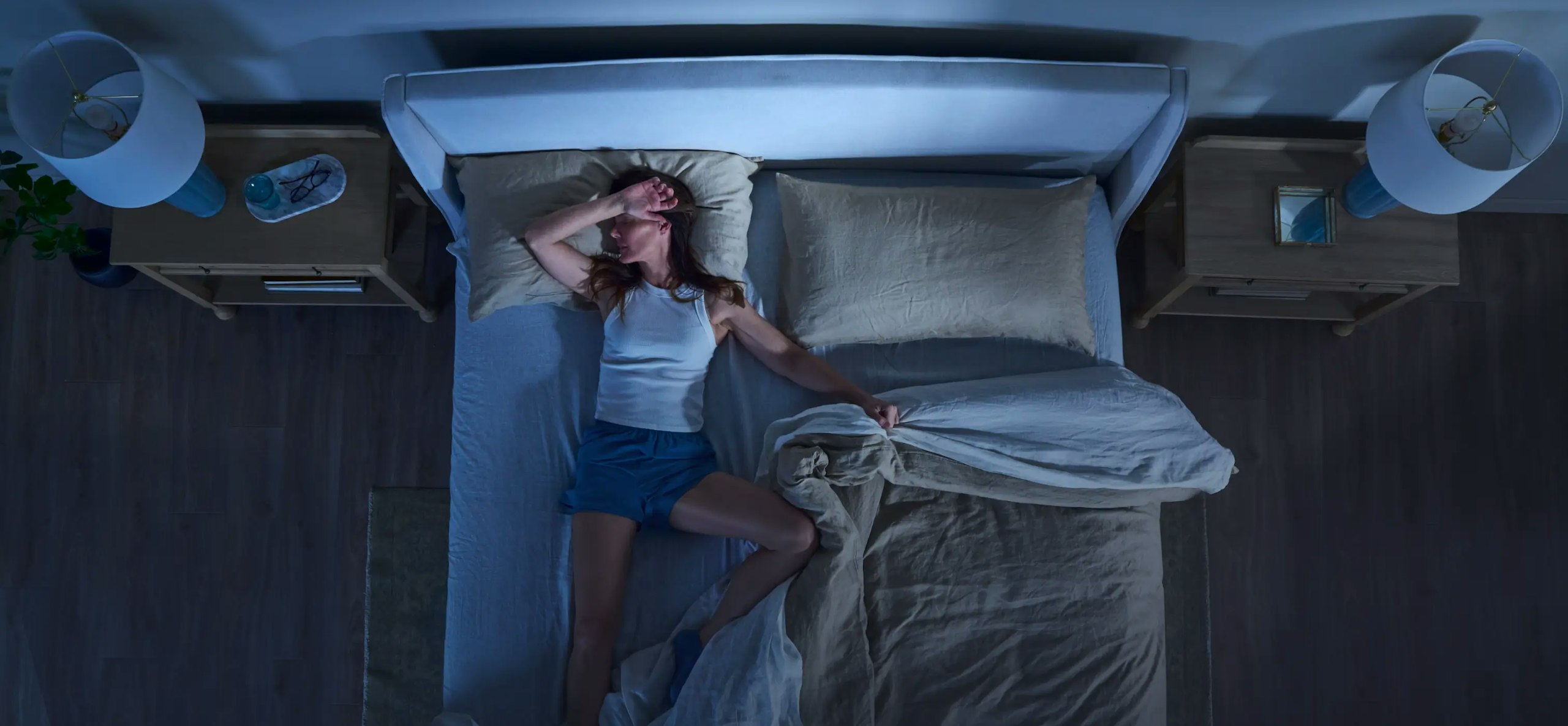
Do you wake up sweating in the middle of the night, tossing and turning because you’re too hot?
- Stop Sleeping Hot
- Learn How to Sleep Cool


1. Your Sleep Environment is Too Warm
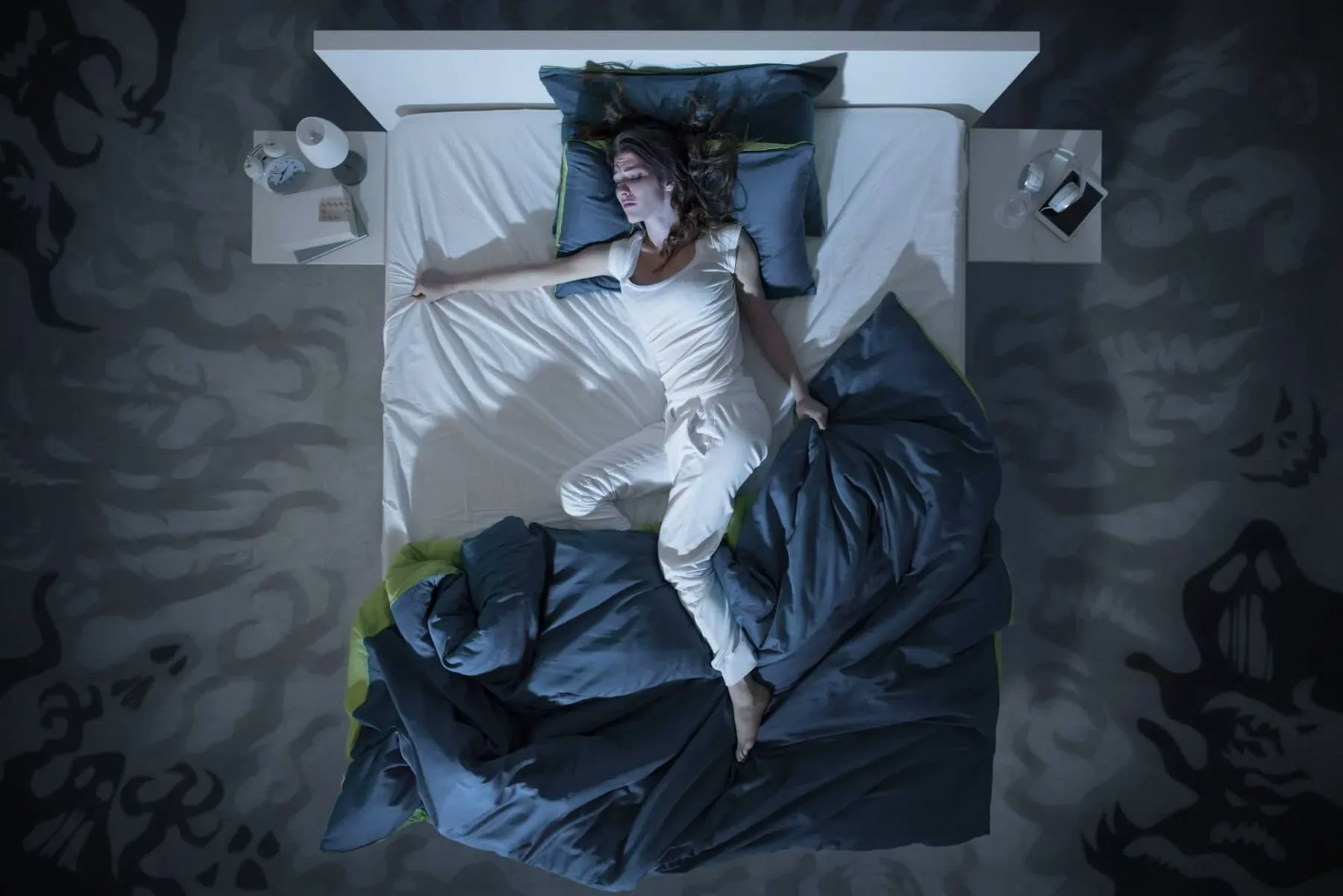
A poorly ventilated room, trapped heat, and sunny windows can turn your bedroom into a mini-oven. If your room has high humidity, isn't cool and breathable; it’s harder for your body to regulate temperature. Quick Fix: Drop the room temperature to 65°F to 68°F, run a fan or dehumidifier, and keep the blinds closed during the day.


2. Your Mattress and Bedding Trap Heat
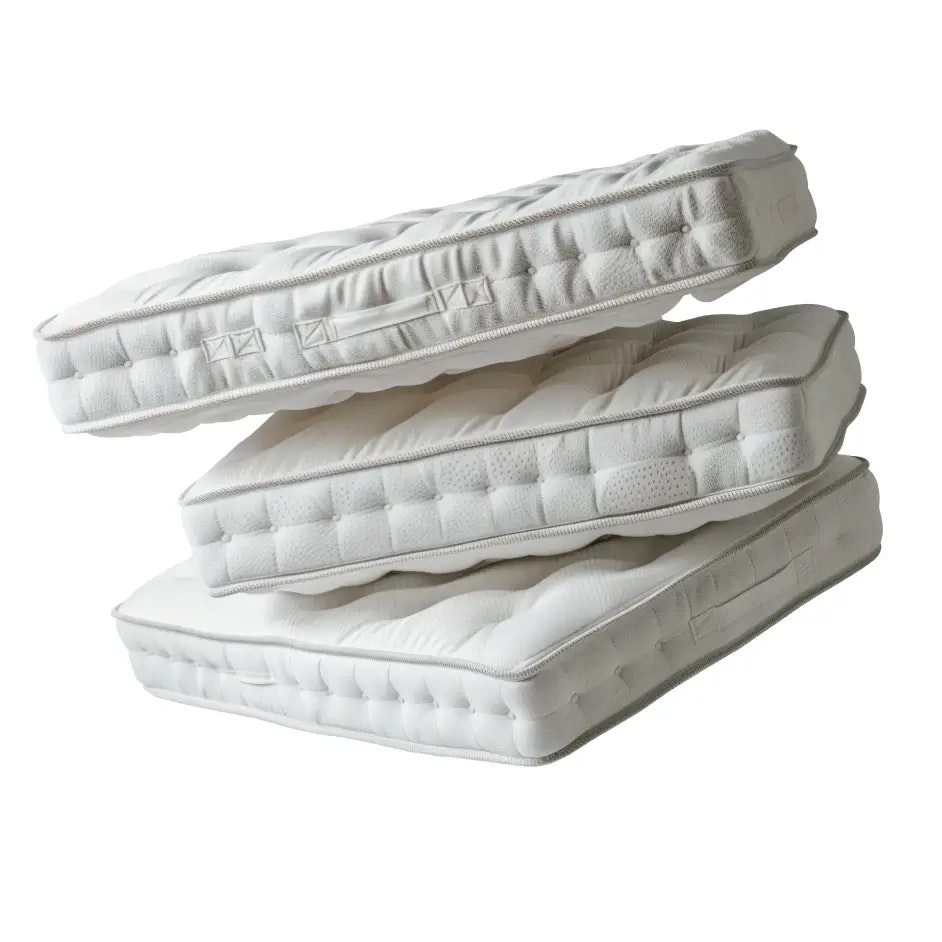
Your mattress, especially memory foam, is usually the biggest culprit. It molds to your body, soaks up heat, then slowly releases it back into you all night. Heavy comforters, polyester sheets, and thick pajamas trap even more heat against your skin. Quick Fix: Swap to cotton, linen, bamboo, or Tencel bedding, wear lightweight sleepwear, and cool the mattress surface itself.



3. Your High Metabolism is Generating Extra Heat
Athletic people and those carrying more muscle have a higher resting metabolic rate, so their bodies generate extra heat even during sleep. Athletes and individuals with a fast metabolism tend to experience higher body temperatures and increased nighttime sweating. Quick Fix: Cool the mattress surface directly instead of the whole room. That puts relief right where your body is generating heat.


4. Your Body’s Hormones Are Fluctuating
Hormones directly affect how your body manages and releases heat. During perimenopause and menopause, up to 80% of women deal with hot flashes and night sweats, and pregnancy, childbirth, and monthly hormone shifts bring similar swings. Men aren't exempt either, since dropping testosterone levels can trigger sudden night sweats of their own. Quick Fix: Keep the bed cool to offset the swings, and talk to your doctor about hormone-related options.


5. You’re Sleeping With a Partner Who Runs Hot
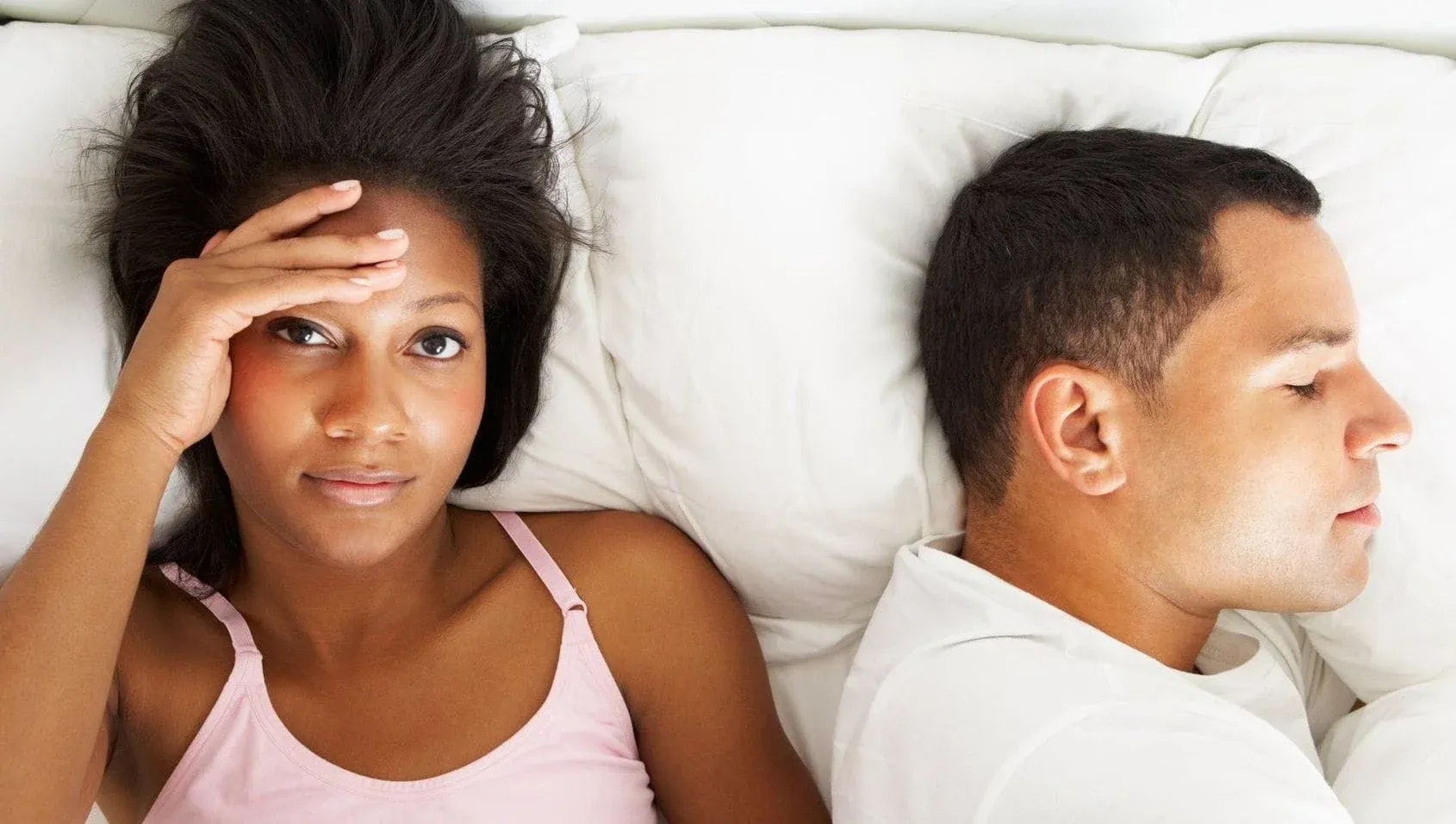
Sharing a bed means double the body heat—and if your partner tends to sleep hot, you’re likely feeling it too. Body heat transfers through mattresses, bedding, and even skin contact, making it harder to stay cool. Quick Fix: Switch to separate top blankets, or use a dual-zone cooling pad that lets each person set their side independently.
Cool Off With a Chilipad

Chilipad 2.0
Premium, water-powered mattress cover with an industry-first nightstand remote. Cools to 55˚F. Heats to 115˚F.
Starting at $1,599
Shop Now
Chilipad Cube
Our original, entry-level water-powered cover. Use the included remote or on-device buttons for simple, manual temperature control.
Starting at $629 $699
Shop Now


6. Your Evening Habits Keep You Warm
Hard training keeps your internal temperature elevated long after your workout ends. Jumping straight from a hot shower into bed traps that warmth against your skin. Late-night scrolling and stressful conversations do their own damage too, spiking cortisol right when your body should be winding down. Quick Fix: Finish workouts two to three hours before bed, and shower 60 to 90 minutes before bedtime so your body has plenty of time to cool down.

7. You’re Fighting an Illness or Infection
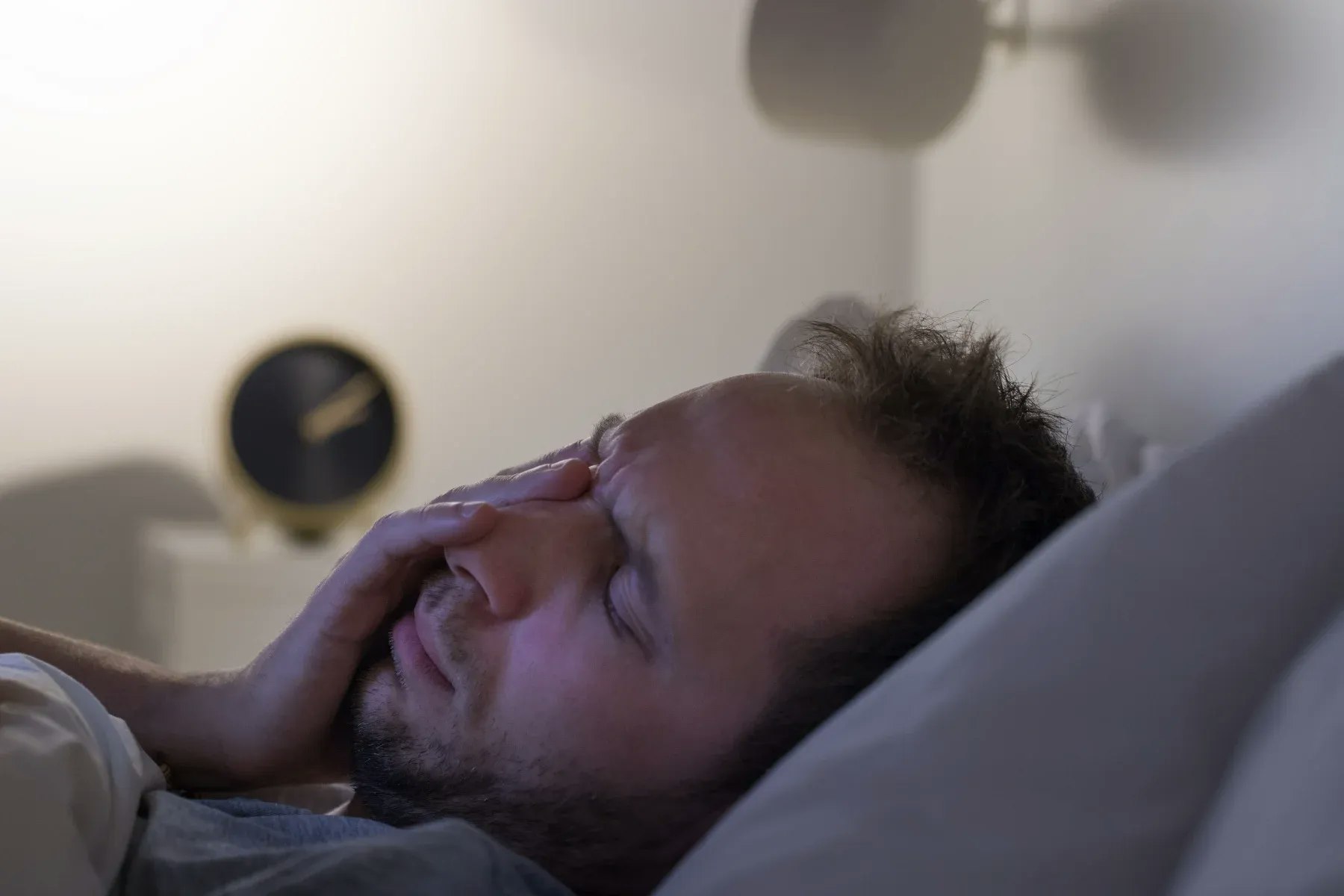
A fever is your body's natural defense against infection, and it often leads to heavy night sweats as that fever breaks. An overactive thyroid triggers a similar reaction around the clock, speeding up your metabolism so you generate extra heat all night long. Quick Fix: Illness-related fever passes as you recover. If night sweats stick around alongside unexpected weight loss or a racing heart, have a doctor check your thyroid.

8. Stress and Anxiety Are Keeping You Hot
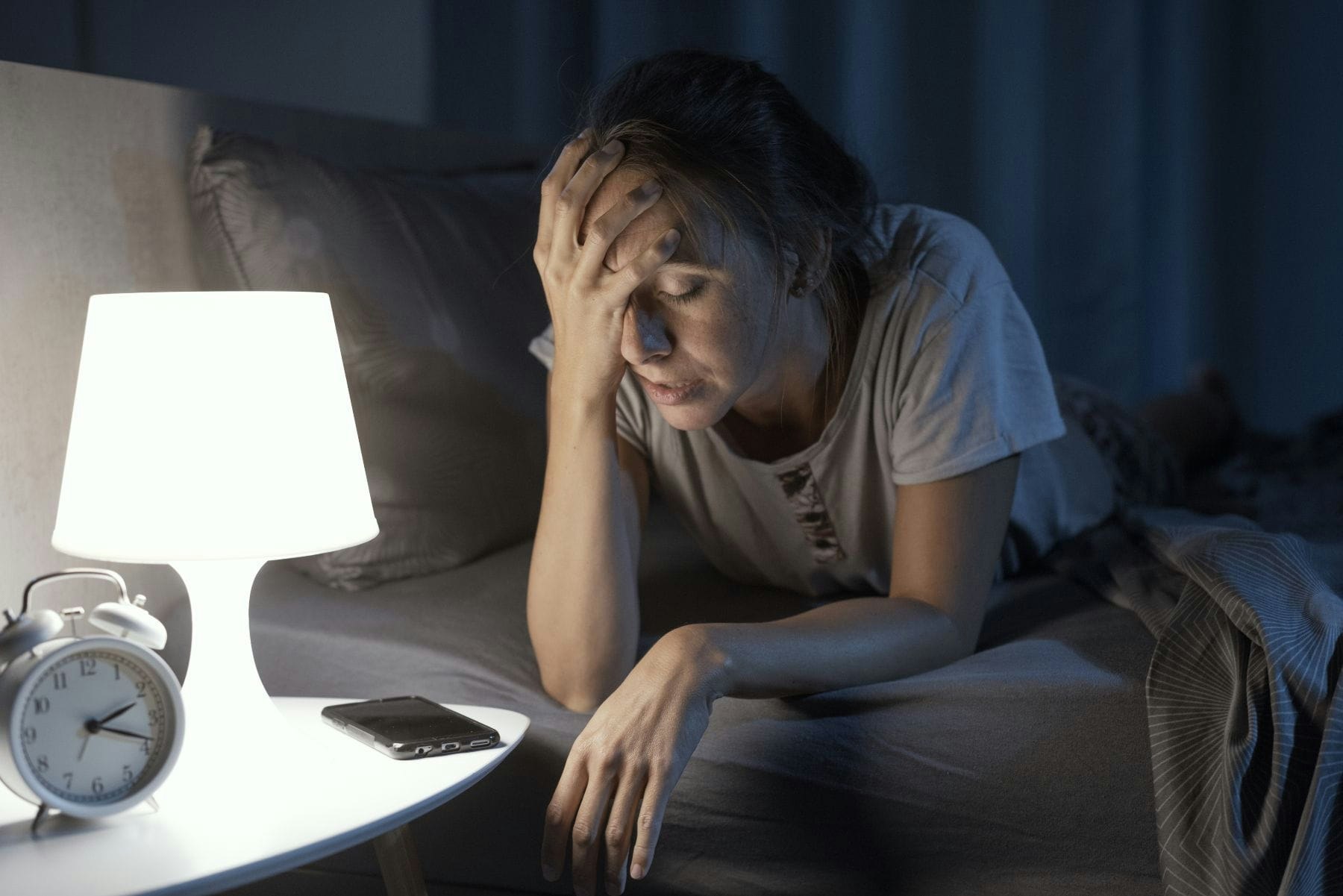
Cortisol and adrenaline do more than keep your mind racing. They push your heart rate higher and leave you warm and flushed the moment your head hits the pillow. Tense muscles add to the problem, releasing physical heat right when your body is trying to cool off for sleep. Quick Fix: Spend five minutes on box breathing or slow, deep breaths before bed to calm your nervous system and help your core temperature drop.


9. Your Diet is Making You Hot
Heavy evening meals, hot spices, and late-day caffeine force your body to generate extra heat for hours. Alcohol causes a bigger problem. It might make you feel drowsy at first, then your body spends hours breaking it down, struggling to cool off the whole time. Quick Fix: Cut off alcohol, caffeine, and spicy food two to three hours before bed, and keep dinner light.

10. Your Body Composition Affects Heat Retention
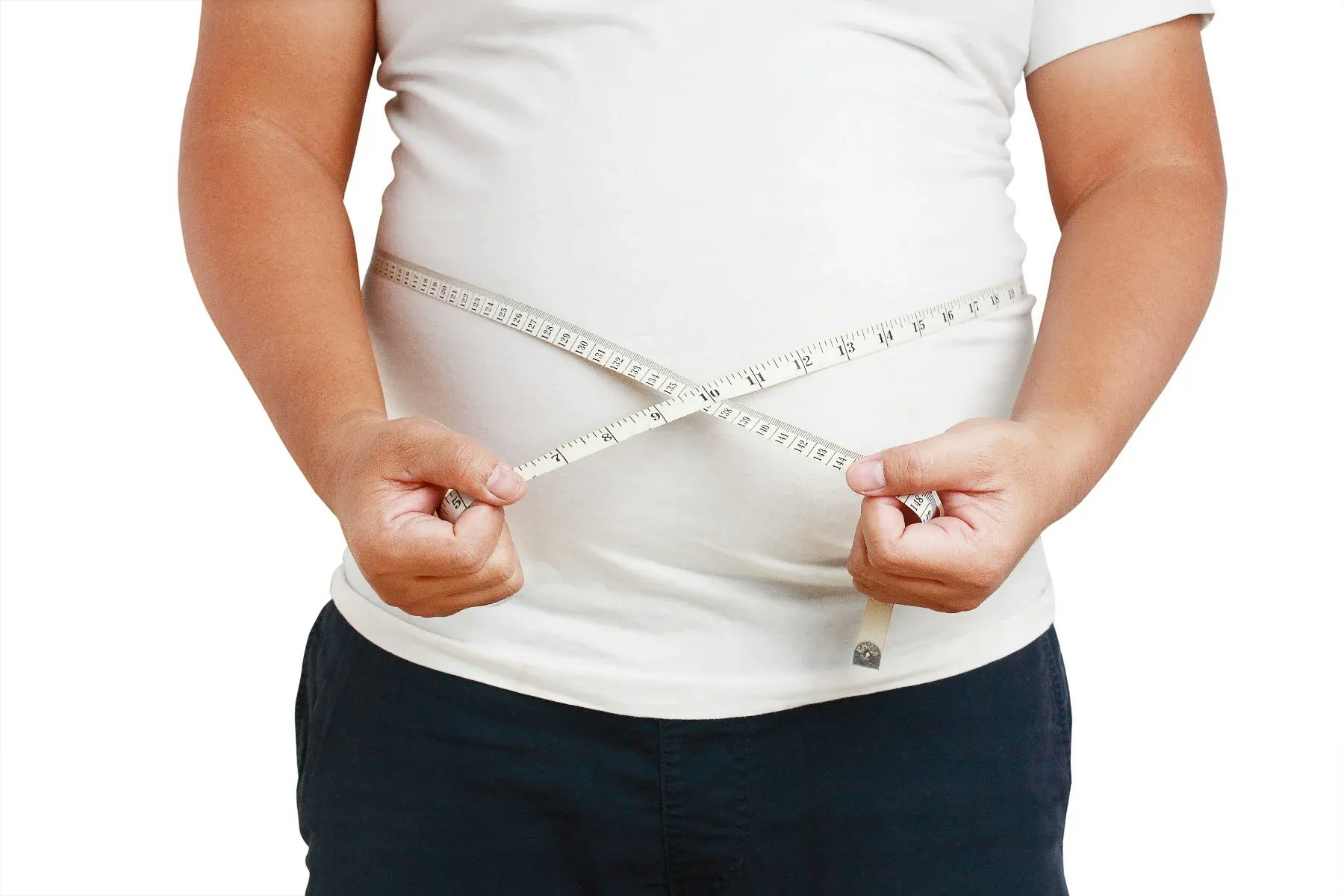
Excess body fat acts as insulation, making it harder for your body to dissipate heat efficiently. Quick Fix: Talk to your doctor about weight-loss options if you are over weight.


11. A Medication You Take Is Raising Your Temperature
Night sweats are a common side effect of everyday prescriptions, and they're easy to miss when they build up gradually. Frequent culprits include antidepressants like sertraline, escitalopram, and venlafaxine, plus steroids like prednisone. Diabetes medications such as insulin, hormone therapies like tamoxifen, opioids, niacin, and migraine triptans can all do the same thing. Quick Fix: Don't stop or change a medication on your own. Track when you wake up hot and when you take each medication, so your doctor can pinpoint the cause. Then ask whether a change in timing, dose, or a different option would help.


No gimmicks. Just cold sleep.
Wake up drenched? Your mattress is the problem.
Waking up drenched usually means your mattress is the problem. Your mattress traps heat. That's why you wake up at 3 a.m. sweaty and frustrated. Chilipad 2.0 circulates chilled water under you all night, so your temperature never spikes and your sleep never breaks.
The reviews already said it best.
Reviews from headlines to bedtimes everywhere.



"At night I just get to my bed at like 9 p.m. ... and my wife's trying to come over to my Chilipad and I'm like, 'Not now. I'm dug in right now.'"Matt McCusker



"I got the Chilipad underneath and got that cranked down to 60."Dan Campbell
Head Coach Detroit Lions, "Pardon my Take" Episode: We Talk About Football Until We Cry



"This is also a splurge, but this has changed my sleeping habits. You can control how hot or cold you want your side of the bed, and it makes a huge difference."Kristin Cavallari
TV Personality, Podcaster and Fashion CEO in "Kristin Cavallari’s Favorite Gifts"



"This pad has revolutionized the ability to create the perfect sleep environment in any bedroom ... It simply lies below your sheets and keeps you comfortably cool all night long."Dr. Mark Hyman
Physician and Author in "How I Get the Best Night’s Sleep"


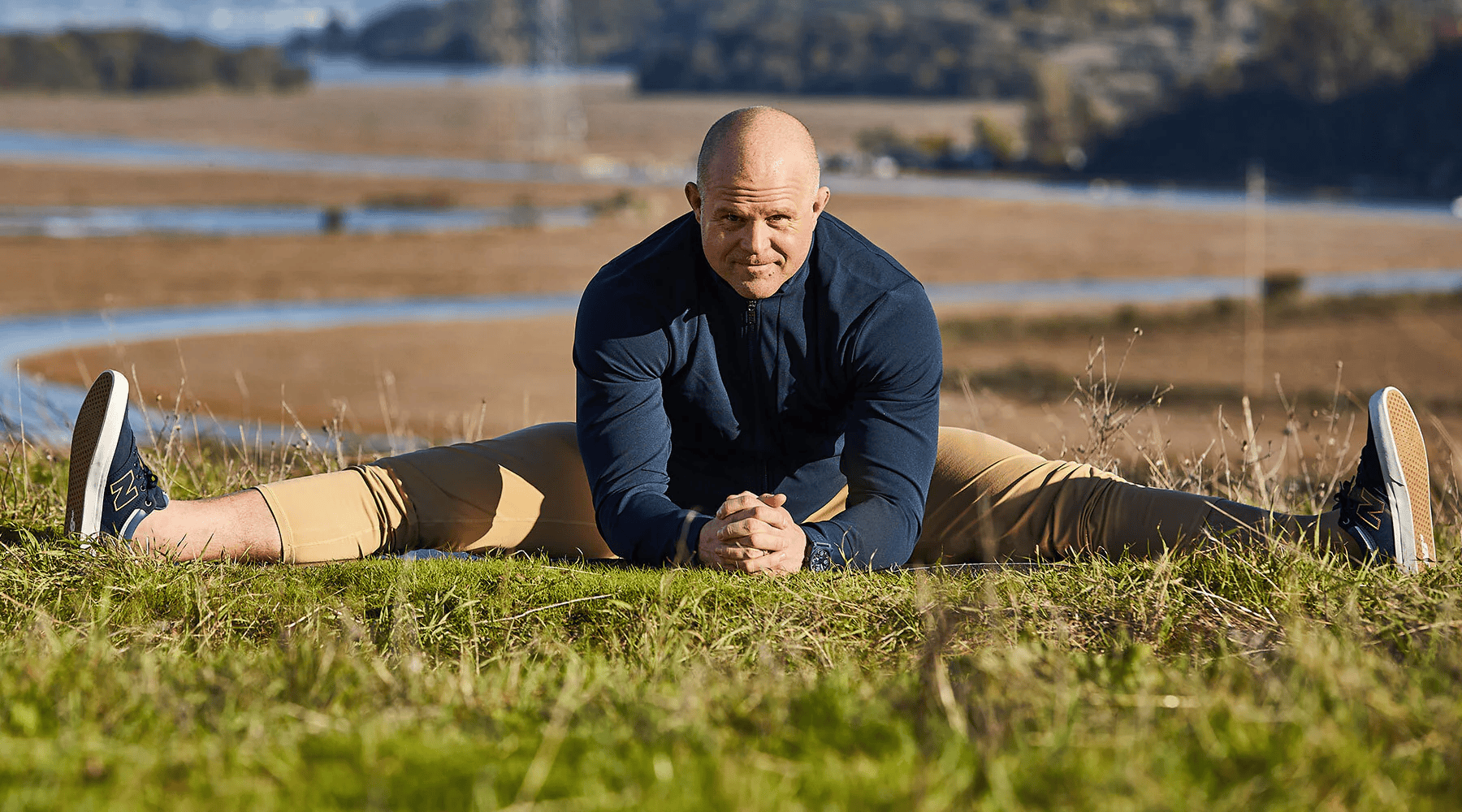
"When I say the [Chilipad] is the single greatest thing that has happened to my sleep ever, l mean it."Dr. Kelly Starrett
Doctor of Physical Therapy and Chief Health Officer of The Ready State
Hot Sleeper FAQs
What Is a Hot Sleeper and What Causes It?
What Types of Bedding Materials Are Best for Hot Sleepers?
What Are Some Solutions for Hot Sleepers?
What Is the Best Temperature for Sleep?
What Are the Benefits of Sleeping Cooler?
How Can I Keep My Bed Cool?
Disclaimer: This page is for informational purposes only and is not a substitute for professional medical advice, diagnosis, or treatment. Always talk to your healthcare provider about your symptoms, conditions, or treatment options.