Key Takeaways
Blue light can delay sleep for some people, and while blue light glasses may help, the biggest wins still come from simple screen and lighting habits.
- Exposure to blue light at night—especially from phones, tablets, and TVs—can suppress melatonin and push your sleep cycle later.
- Blue light blocking glasses are designed to filter that light, but the research on sleep benefits is mixed.
- Some studies suggest improvements in eye strain and sleep quality, while others show little to no measurable impact.
- Proven, no-cost options include dimming lights, using night mode or warmer screen settings, and reducing screen time before bed.
- Blue light filtering glasses aren’t magic sleep goggles, but paired with solid habits, they may help nudge your circadian rhythm in the right direction.
Between work, streaming, scrolling, and late-night doom scrolling, the long period of time on screens adds up fast.
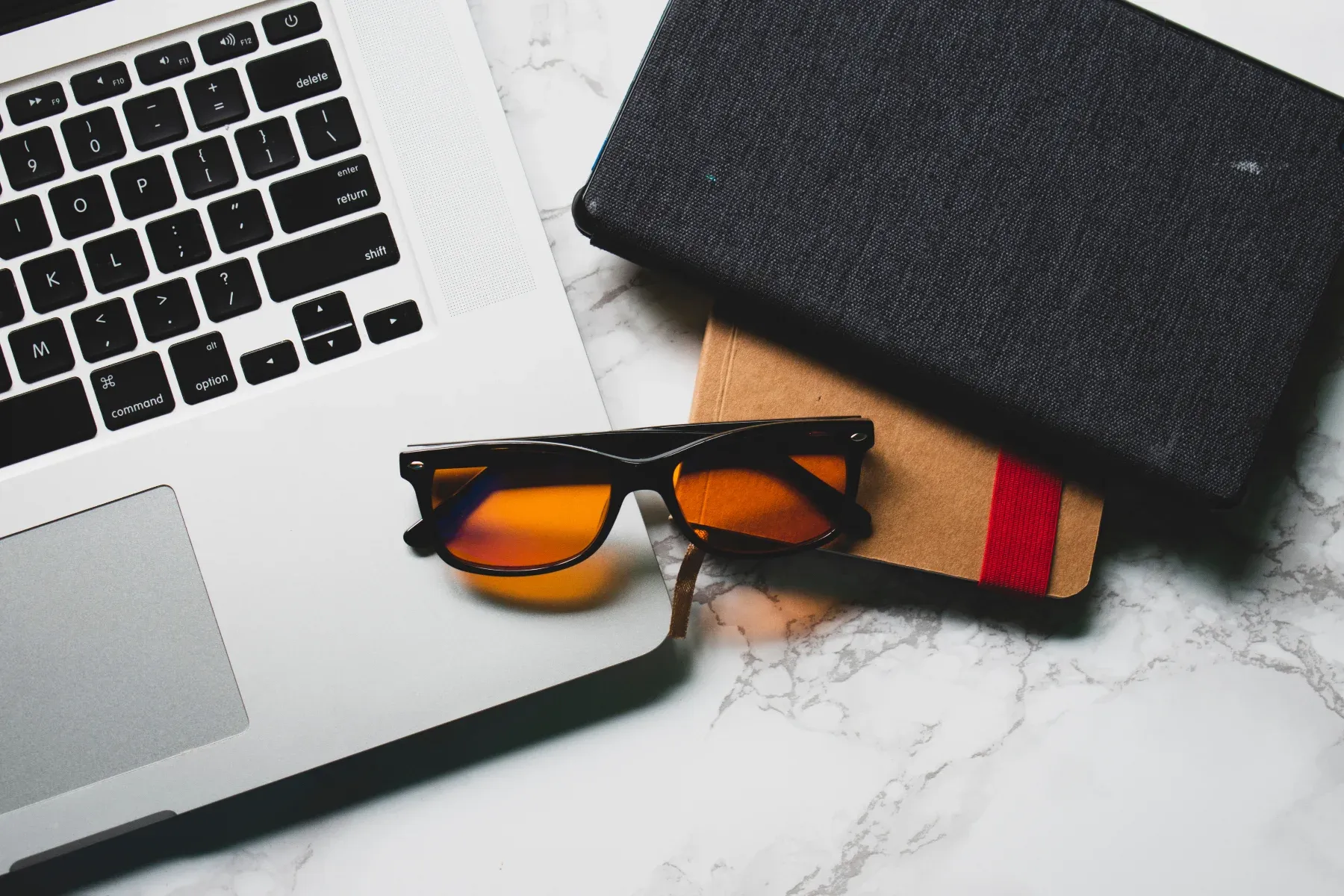
The constant exposure to this type of light has sparked a surge in popularity for blue light-blocking glasses, those tinted lenses that claim to reduce digital strain on your eyes and help you sleep better.
These blue light blocking glasses have become a go-to accessory for the tech-savvy and sleep-deprived alike.
But are they a good solution or just another stylish placebo? Below, we’ll dive into the research, the rumors, and the real deal behind blue light glasses to help you separate science from hype.
The question remains: are these blue light glasses a fashionable sleep aid or just overhyped, especially regarding how blue light affects sleep?
Understanding Blue Light
Blue light is a type of high-energy light that comes from both the sun and things like your electronic devices, including your phone, laptop, TV, computer screens, and any other type of digital screens.
During the day, it’s actually helpful; it boosts your mood, keeps you alert, and helps regulate your body’s internal clock (aka your circadian rhythm).
But here’s the catch: too much blue light at night can mess with your sleep by blocking the production of melatonin, the hormone that tells your body it’s time to wind down.
However, it’s worth noting that the blue light from screens is significantly less than the blue light from natural daylight.
Think of it like this: blue light is nature’s coffee—great in the morning, not so great before bed, unless you use blue blocking glasses.
Glasses or No Glasses: Sleep Better with Chilipad
Chilipad creates the perfect restful sleep environment by regulating your body temperature throughout the night. It’s time to sleep better!
The Science Behind Blue Light and Sleep
Research indicates that blue light exposure, particularly in the hours leading up to bedtime, can suppress melatonin levels, the hormone responsible for regulating sleep.
A 2020 review of multiple studies found that blue light blocking glasses might actually help people with conditions like insomnia, ADHD, or bipolar disorder sleep better.
Why? Because blocking blue light in the evening may help reset and regulate their sleep patterns, something that’s often disrupted in these conditions.
Claims of Blue Light Blocking Glasses
These blocking glasses come with a lot of bold promises, but how many of them actually hold up? Here’s a look at the most common claims.
How They Help with Melatonin Production
One of the biggest claims behind blue light blocking glasses is that they help boost melatonin, the hormone that signals it’s time to sleep.
By filtering out blue wavelengths that can suppress melatonin production, these glasses may make it easier to fall asleep faster and sleep more soundly.
Related Blog: Want to know how melatonin actually works and why it’s key to better sleep? Head over to our blog to explore what it is, how it helps, and why it matters.
Improved Sleep Quality
A common reason people reach for blue light blocking glasses? Better sleep. Many users say they fall asleep faster and wake up feeling more refreshed.
And the science backs it up, sleep research suggests that cutting back on blue light exposure in the evening can help you spend more time in the deeper, more restorative stages of sleep.
That means better recovery, sharper focus, and less morning grogginess.
Did You Know: Getting too much blue light in the evening can disrupt your internal clock, your body’s built-in sleep-wake cycle, making it harder to sleep and stay asleep through the night.
Eye Strain Reduction
Blue light glasses aren’t just about improving your sleep, they may also give your eyes a break. If you’re staring at screens for hours, you’ve probably felt the effects: dry eyes, fatigue, and that achy, overworked feeling.
Excessive blue light exposure can cause eyestrain, which is reported by up to 69% of computer users.
These glasses can help reduce that strain on your eyes caused by digital devices, making it more comfortable and possibly helping you wind down more easily at night.
How They Help with Fewer Headaches
Spending hours glued to screens can be a recipe for tension headaches and visual fatigue, but many users say eye glasses that block blue light help take the edge off.
By reducing glare and filtering out harsh blue wavelengths, these glasses can potentially help prevent the strain that leads to screen-time-induced headaches.
The result? Fewer throbbing temples, less squinting, and a noticeable boost in daily comfort.
Can Improve Sharper Focus
These glasses aren’t just for show, it might actually help you stay focused. By minimizing glare and reducing exposure to disruptive blue light, these lenses can ease visual strain and support better concentration during digital tasks.
This can lead to clearer thinking, stronger focus, and a more efficient, less tiring screen experience.
Enhanced Screen Comfort
Reducing glare and easing visual strain can make screen time feel noticeably smoother. When your eyes aren’t working overtime to process harsh light, scrolling, streaming, or working becomes a lot more comfortable, and a lot more enjoyable.
Prevention of Digital Eye Strain
These glasses are often marketed as a go-to defense against digital eye strain, a common issue caused by extended screen exposure.
Symptoms like dryness, blurred vision, headaches, and eye fatigue can creep in fast when your eyes are constantly battling blue light and glare.
By selectively filtering out high-energy visible light, these lenses aim to reduce strain before it starts, helping keep your vision clearer and your eyes more comfortable throughout the day.
Study: Research is still evolving, but a 2022 scientific review found little evidence that artificial blue light has any major effect on eye health or long-term vision.
Considerations for Use
Before you add a pair to your cart, there are a few things worth thinking through. Here are some key considerations to keep in mind when it comes to using screen-filtering eyewear.
Varies from Person to Person
Not everyone responds the same way to screen-filtering solutions. How well they work can depend on factors like how much blue light is being filtered, when they’re used, and how sensitive someone is to light in general.
For some people, simple habits—like adjusting screen brightness or taking regular screen breaks—might do more for eye comfort and sleep than any special eyewear.
Did You Know: Following the 20-20-20 rule—looking at something 20 feet away for 20 seconds every 20 minutes—can also help reduce eye strain.
Complementary Strategies
Screen-filtering eyewear can be a helpful tool, but it’s not a magic fix. To get the most out of it, pair it with other smart sleep hygiene habits.
That means sticking to a consistent sleep schedule, keeping your bedroom dark and distraction-free, and dialing down screen use at least an hour before bed.
When combined, these strategies work together to support your natural sleep rhythms and improve overall sleep quality. Think of it as a team effort—glasses included.
The Bottom Line
Blue light glasses walk a fine line between trendy tech accessory and potential sleep aid—and honestly, it depends on how you use them. Some people swear by the benefits: improved sleep, fewer headaches, less eye strain, and sharper focus.
Others see minimal changes. That’s because everyone’s sensitivity to light, screen habits, and overall sleep hygiene are different.
What’s clear is that these glasses aren’t a cure-all—but they can be a smart part of a bigger strategy for blue light maximum protection and improve your sleep.
Pair them with a consistent bedtime routine, a screen break before bed, and a sleep-friendly environment, and you’ve got a setup that supports both comfort and rest.
At the end of the day, blue light filtering lenses might not be miracle workers—but if they help offset your evening exposure to blue light and lead to better quality of sleep, they’re worth a look.
Just keep in mind: no tech fix beats good habits, and the best results come when these tools are paired with smart sleep hygiene habits.
Blue Light Blocking Glasses Frequently Asked Questions
Do Blue Glasses Help with Sleep?
Do Blue Light Glasses Work?
Do Blue Light Glasses Help With Eye Strain?
Are Blue Light Glasses Available in Prescription?
What Are the Negatives to Blue Light Glasses?
Disclaimer: This blog is for informational purposes only and is not a substitute for professional medical advice, diagnosis, or treatment. Always talk to your healthcare provider about your symptoms, conditions, or treatment options.