
Key Takeaways
Menopause-related anxiety is common and driven by real hormonal changes, not a personal failing.
- Between 15% and 50% of women experience anxiety during perimenopause and postmenopause.
- Falling estrogen makes mood regulation harder, and rising cortisol, the stress hormone, often adds to the effect.
- Common symptoms include persistent worry, heart palpitations, mood swings, brain fog, and sleep disruptions.
- Lifestyle changes, therapy, and in some cases hormone therapy or medication can help manage symptoms.
- Poor sleep makes anxiety worse, so managing sleep temperature and keeping a consistent bedtime routine are practical starting points.
Short Answer
Does menopause cause anxiety? Yes, and it is one of the most common and least talked-about menopause symptoms. When estrogen drops, the brain loses a key regulator of mood and stress. Cortisol rises to compensate, which increases feelings of worry, irritability, and overwhelm. The same hormone changes that cause hot flashes and night sweats also disrupt sleep, and poor sleep makes anxiety harder to manage.
Menopause is one of the biggest hormonal shifts a woman's body goes through. Most people expect hot flashes and irregular periods.
Fewer expect the wave of anxiety that can come with it. Between 15% and 50% of women experience anxiety during perimenopause and postmenopause, largely because of hormone fluctuations that affect brain chemistry directly. [1]
For many women, the anxiety feels like it comes from nowhere, which makes it more unsettling. Understanding why it's happening is the first step toward managing it.
Why Does Menopause Cause Anxiety?
Menopause triggers anxiety primarily because of the drop in estrogen, which plays a direct role in regulating mood and stress response.
Estrogen helps keep serotonin and other mood-regulating brain chemicals stable. When estrogen falls, those systems become less stable, and anxiety can rise.
At the same time, cortisol, the body's main stress hormone, often increases as estrogen drops. That combination makes the nervous system more reactive and harder to calm. [1]
Hot flashes at night and sweating at night compound the problem by disrupting sleep, and sleep deprivation makes anxiety worse in a measurable, predictable way.
Women with a history of anxiety, postnatal depression, or chronic stress may notice symptoms are more intense during this transition.
Life stressors common at this life stage, such as caring for aging parents, career changes, or personal loss, can add to the hormonal pressure.
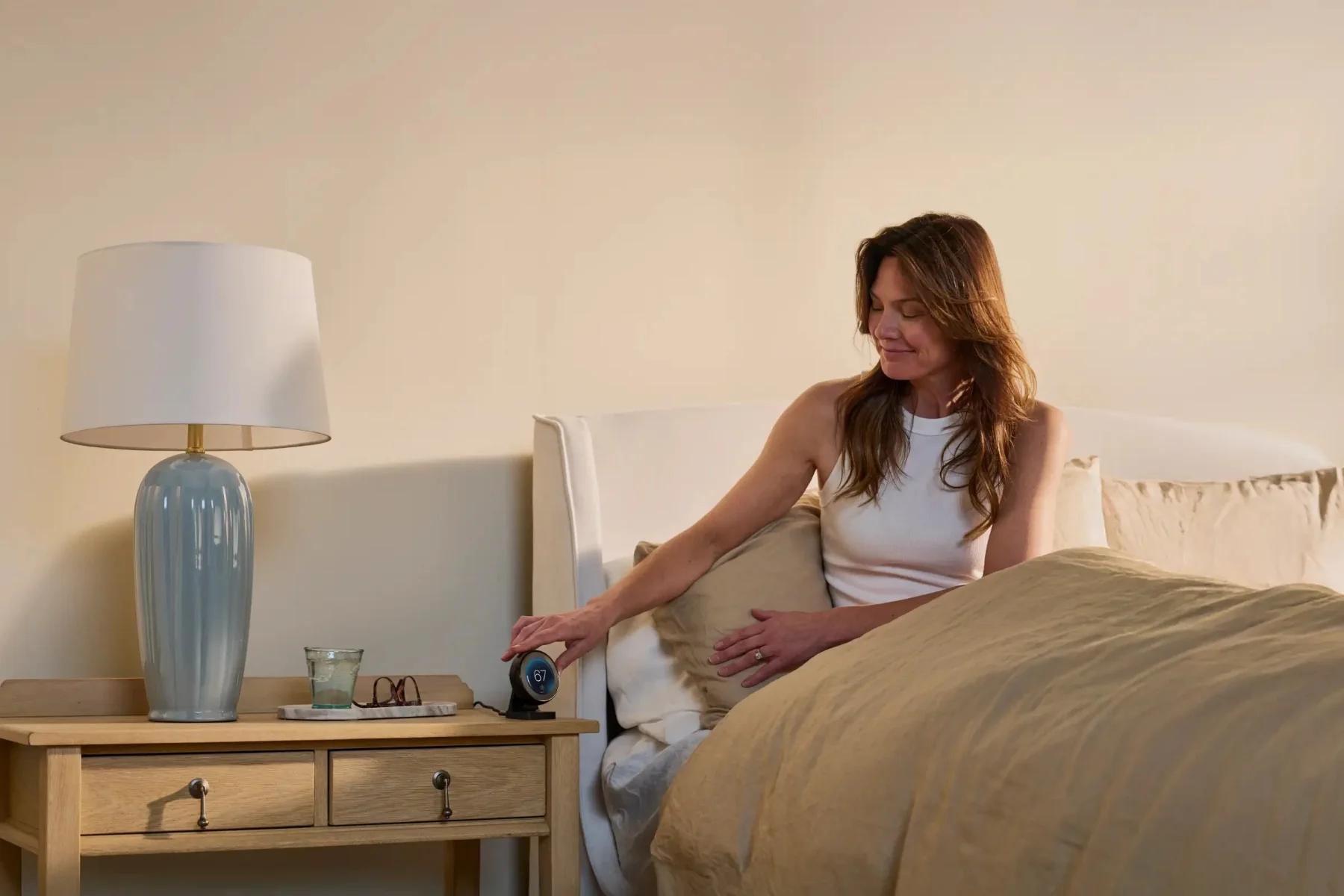
Cool, Comfortable Sleep During Menopause
Hot flashes and night sweats disrupt sleep. Poor sleep makes anxiety worse. The Chilipad 2.0 keeps your bed surface at the exact temperature you set, from 55 to 115ºF all night, giving your body the stable thermal environment it needs to rest.
What Does Menopause-Related Anxiety Feel Like?
Menopause-related anxiety can feel like constant worry, a racing heart, or a sense of dread that arrives without warning.
A few of the symptoms include:
- Persistent feelings of worry or unease
- Heart palpitations or a racing heartbeat
- Mood swings and irritability
- Memory problems or brain fog
- Sleep disruptions, including waking up feeling anxious, shortness of breath or chest tightness
- Panic attacks that arrive suddenly and without obvious cause
- Low mood tied to hormonal shifts
Some women are diagnosed with generalized anxiety disorder or panic disorder during this period. When anxiety starts interfering with everyday life regularly, it might be a good time to talk to a doctor.

What Lifestyle Changes Help With Menopause Anxiety?
Some lifestyle changes have real evidence behind them for easing anxiety during menopause.
Here's where to start. Give a few a try and see which helps.
Nutrition
A balanced diet supports both mood stability and hormone regulation. Focus on lean proteins, whole grains, fruits, and vegetables.
Omega-3 fatty acids from fish and flaxseeds support brain health. Reducing processed foods, sugar, and caffeine helps keep mood and energy more stable throughout the day.
Certain foods can also help ease menopause symptoms. Learn more about the menopause diet.
Exercise
Daily exercise can be challenging, but it's still one of the most reliable tools for managing anxiety.
Exercise releases endorphins that lift mood and reduce the physiological stress response. Busy schedules and daily responsibilities can make it hard to find time to exercise. But you only need 30 minutes of exercise a day to feel a difference.
Walking, swimming, and yoga all work well and support relaxation alongside physical fitness.
Breathing Techniques
Deep breathing exercises calm the nervous system quickly. The 4-7-8 method-breathing in for four counts, holding for seven, and exhaling for eight-is one of the most effective.
Certain techniques can help lower heart rate and activate the body's calming system within a few minutes. This can benefit some people leading up to bedtime.
Mindfulness & Meditation
Mindfulness practices build emotional resilience over time. Setting aside even 10 minutes daily for meditation, guided imagery, or progressive muscle relaxation reduces the baseline level of anxiety most people carry.
Want to get started? Apps like Calm or Headspace make it easy to get started.
When Should You Seek Professional Help for Menopause Anxiety?
See a doctor if anxiety symptoms are persistent, worsening, or affecting your ability to function day to day.
Cognitive Behavioral Therapy
CBT is one of the most evidence-backed treatments for anxiety. It helps identify and change unhelpful thought patterns and gives you practical tools for managing worry.
A trained therapist can guide you through it in person or online.
The Rest Factor Podcast on How CBT-I Rewires Your Sleep
Want to dig deeper? Listen to our Rest Factor podcast episode on relaxation therapy for sleep, featuring guest Dr. Michael Grandner as he breaks down how CBT-I can rewire your nights for better rest.
Medication
For some women, medication helps manage anxiety when lifestyle changes are not enough. SSRIs and SNRIs are commonly prescribed and can also reduce some menopause symptoms.
Discuss the options and side effects with your doctor before starting.
Hormone Replacement Therapy
HRT can reduce hot flashes, night sweats, and anxiety by restoring hormone levels. It is not suitable for everyone.
Your doctor can help assess whether it is appropriate based on your health history and the severity of your symptoms.
How Does Sleep Affect Menopause Anxiety?
Poor sleep and anxiety feed each other. When menopause disrupts sleep through night sweats and hot flashes, anxiety gets worse.
When anxiety is high, sleep becomes harder to reach. Breaking that cycle often starts with the bedroom environment.
Room Temperature
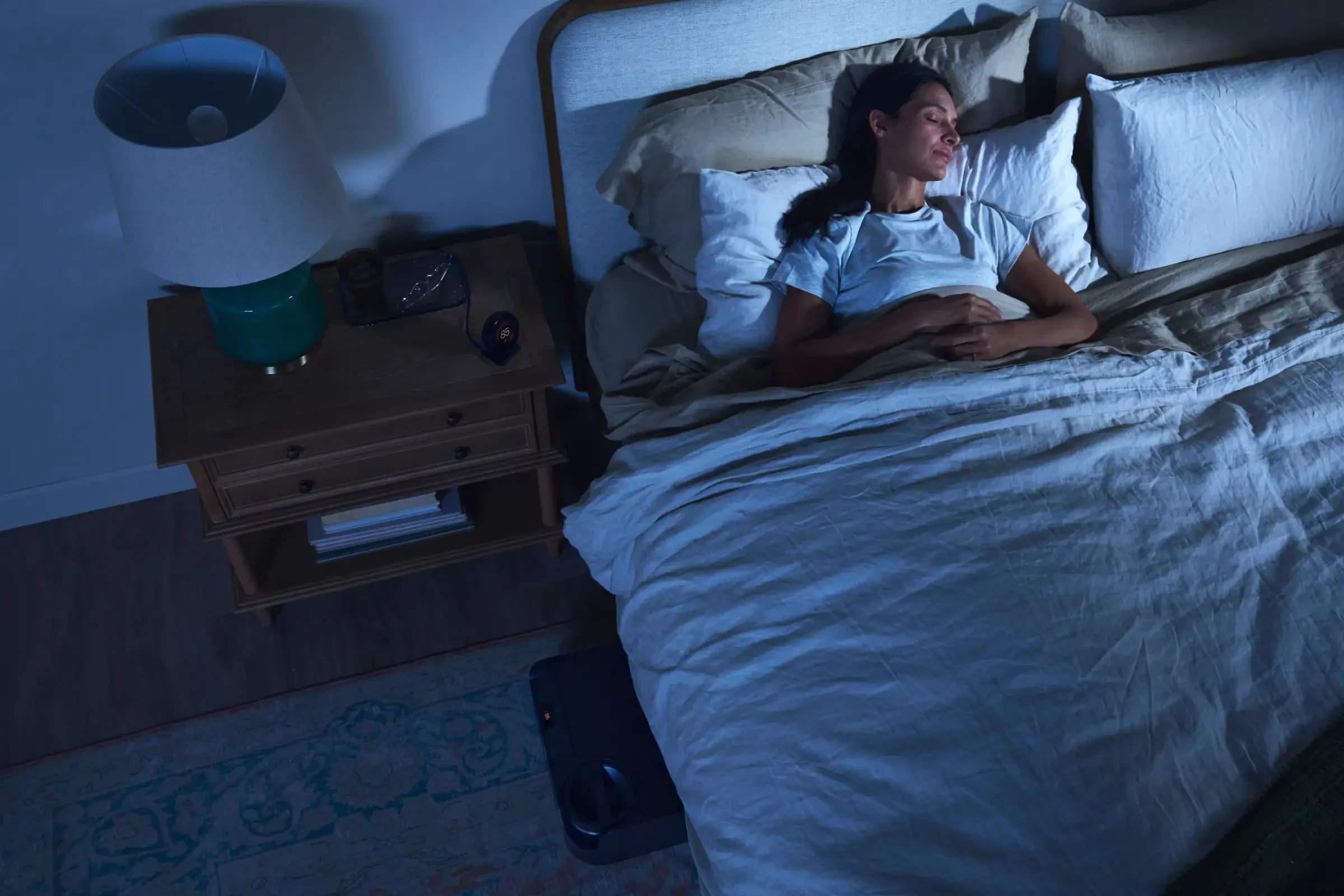
A bedroom that runs too warm makes both hot flashes and anxiety harder to manage at night. If you have not looked into active cooling before, it is worth knowing about.
The Chilipad 2.0 is a dual-zone water-cooled bed system that circulates temperature-controlled water through a mattress pad, keeping your sleep surface at a set temperature between 55 and 115 degrees Fahrenheit.
That is different from passive cooling products like foam mattresses or cooling gel mattress toppers, which tend to warm up after an hour or two. Active cooling systems hold that temperature steady through the night.
Sleep Schedule
Going to bed and waking up at the same time every day helps stabilize your circadian rhythm.
A relaxing bedtime routine, reading, a warm bath, or gentle stretching signals to your body that the day is ending and sleep is coming. Get tips on how to start a sleep routine.
Sound
A white noise machine and other colored sounds mask background sounds that can pull you out of lighter sleep stages. For women whose anxiety keeps them in a more reactive state at night.
A consistent audio environment reduces how often sudden sounds wake you.
The Bottom Line
Menopause-related anxiety is driven by real hormonal changes, not a personal failing. Estrogen's role in mood regulation means its decline has a direct and measurable effect on how anxious you feel.
Anxiety during menopause responds well to lifestyle changes, professional support, and better sleep management. Most women find a combination of approaches works better than any single fix.
If symptoms are severe, persistent, or affecting your daily life, talk to a doctor. Early support makes a real difference.
Disclaimer: This blog is for informational purposes only and is not a substitute for professional medical advice, diagnosis, or treatment. Always talk to your healthcare provider about your symptoms, conditions, or treatment options.

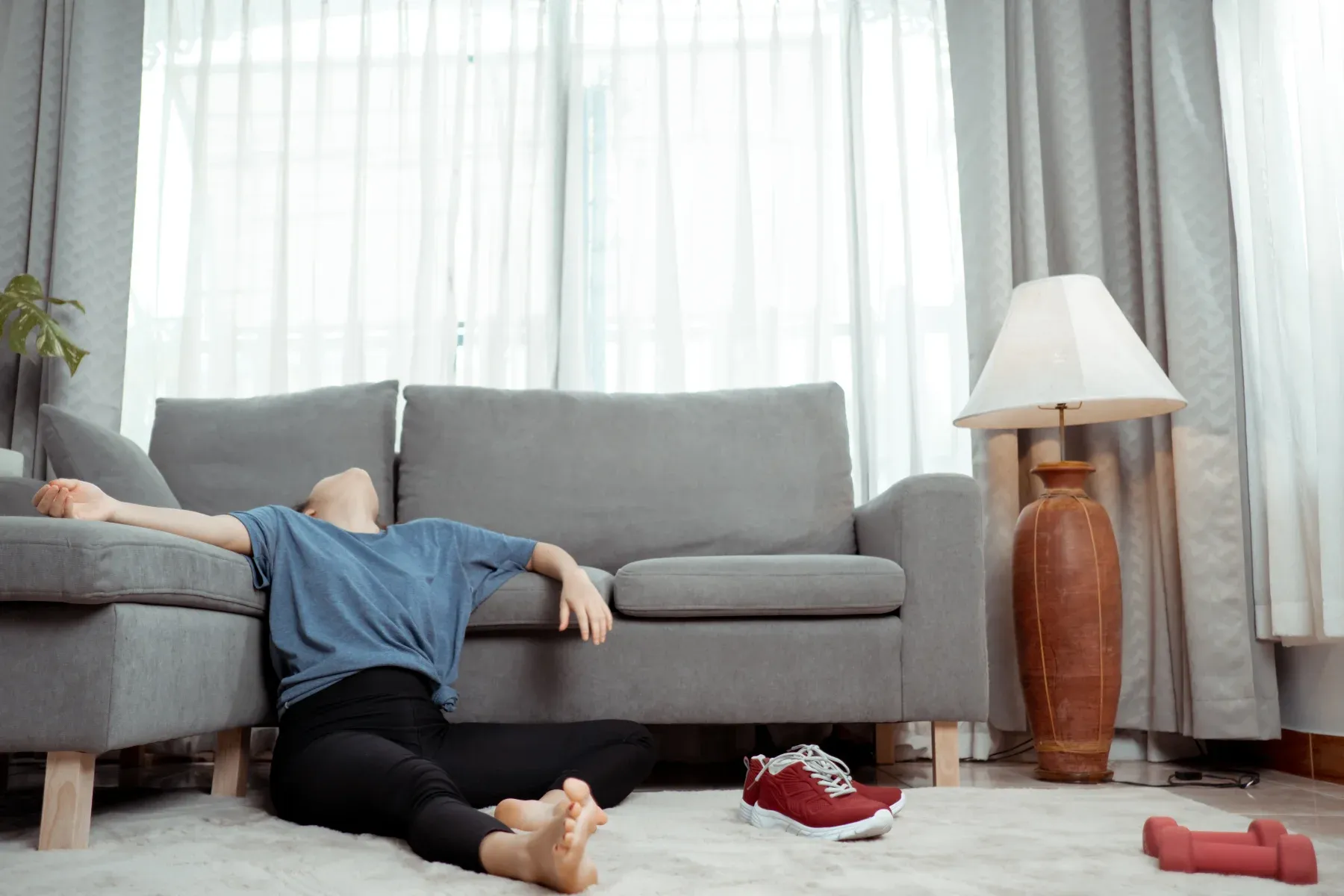

Does Social Support Help With Menopause Anxiety?
Yes. Feeling understood and less alone makes a measurable difference in how women manage menopause anxiety.
Connecting with friends, family, or a support group reduces isolation. Sharing experiences with others going through the same thing is validating in a way that general advice rarely is.
Menopause support groups, both in person and online, such as the Perimenopause and Menopause Support Community, offer community alongside practical tips.
Working with a therapist provides structured support for managing anxiety and depression. You do not have to manage this alone, and reaching out is one of the most effective things you can do.