
Key Takeaways
Tracking your sleep turns guesswork into insight, helping you understand how your nights affect your health, performance, and daily energy.
- Sleep tracking reveals patterns in your sleep duration, consistency, and quality, giving you a clearer picture of how well you’re actually resting.
- Monitoring sleep helps identify disruptions like frequent wake-ups, short sleep cycles, or irregular bedtimes that can quietly reduce sleep quality.
- Tracking connects daily habits—such as stress levels, caffeine intake, exercise, and screen time—to how easily you fall asleep and how rested you feel.
- Sleep data can flag early signs of potential issues like insomnia, sleep apnea, or chronic sleep debt, prompting earlier intervention.
- Improved sleep consistency and quality often lead to better focus, mood, energy, and physical recovery, supporting performance both mentally and physically.
We all know that sleep is crucial – it’s like recharging our batteries. Just like we need food and water to survive, our bodies and minds depend on quality sleep to function at their best. But in our always-on world, many of us struggle to get enough sleep. This can seriously impact our mood, energy levels, and even our physical health.
So, what can we do about it? While sleep medications can offer temporary relief, they often come with unwanted side effects. The good news is that there are natural and effective ways to improve your sleep. This includes creating a relaxing bedtime routine, optimizing your sleep environment, and making healthy lifestyle choices.
More: Learn about the importance of sleep and the benefits for your mind and body.
That’s where sleep trackers come in. These handy devices use advanced technology to monitor your sleep patterns and provide valuable insights. By understanding your sleep habits, you can identify areas for improvement and take steps to get the restful sleep you deserve.
Understanding Sleep Trackers
While the body is resting, the brain and related hormonal systems are anything but inactive. Sleep trackers provide a window to what actually happens internally during sleep by recording several critical metrics, including but not limited to:
- Overall heart rate.
- Heart rate variability (HRV).
- Respiratory rate
- Display Overall Sleep Score
- Body Temperature
- Deep Sleep
- Sleep Stages [6]
- Wakefulness. [7]
What is Sleep Tracking?
Sleep tracking is the process of monitoring and recording your sleep patterns. Data can include sleep latency (the time it takes to fall asleep), sleep duration, sleep quality, respiration rate, heart rate, movements and sleep stages. The data can then be analyzed to help identify patterns, trends, and potential issues or sleep disorders.
Though some sleep tracking can be done manually through sleep diaries, the most accurate and data-based tracking is done automatically using wearable devices or non-wearable sleep trackers.
Tracking your sleep allows you to gain valuable insights into how well you sleep each night. This information can help you make decisions about your sleep habits, leading to better sleep quality and overall health.
Whether you use a high-tech sleep tracker or a simple sleep diary, the goal is to understand your sleep patterns and make adjustments to improve your sleep and ultimately your health.
Understanding Sleep and Sleep Patterns
Sleep is a complex process with different stages and cycles. Understanding these stages and cycles is crucial for interpreting sleep data and making changes to enhance your sleep quality. When you track your sleep, you gather data that can reveal how well you progress through the various stages of sleep, helping you identify areas for improvement.
Sleep data provides a detailed look at your sleep quality, showing how long it takes you to fall asleep, how much time you spend in each sleep stage and how often you wake up during the night.
Sleep Stages and Cycles
Each sleep stage plays a vital role in your overall sleep quality and health.
Understanding these stages and how you cycle through them each night can help you identify disruptions or irregularities in your sleep patterns, allowing you to take actionable steps to improve your sleep quality.
Benefits of Tracking Your Sleep
Sleep monitoring has numerous advantages. When using a sleep tracker, you can expect to gain the following benefits from the experience:
Understanding Personal Sleep Patterns
Although we share numerous sleep characteristics, not everyone is the same regarding specific patterns. For example, the 24-hour sleep cycle (or circadian rhythm) isn’t the same for everyone. Some people have a rhythm that’s slightly more than 24 hours, whereas others have slightly less.
This could make a difference regarding whether someone is a night owl or a morning person. [8] According to Harvard Health, some of these differences are (at least in part) determined by genetics. [1]
A sleep tracker can help us determine how we cycle through various stages of sleep, collecting heart rate, heart rate variability (HRV), sleep duration, respiration rate, and more.
This sleep data can show whether we’re transitioning normally through our stages of sleep and whether attention needs to be drawn to a particular stage of our sleep.
Identifying Common Sleep Disorders
Regularly tracking sleep patterns can help identify potential symptoms of sleep disorders such as sleep apnea, insomnia, or restless leg syndrome. Sleep trackers can be used to detect these symptoms and provide valuable data for early diagnosis.
Analyzing the data collected can detect irregularities, such as difficulty falling asleep, frequent awakenings during the night, or excessive daytime sleepiness.
Early detection of these symptoms can lead to timely and effective treatment, ultimately helping to manage these conditions better or prevent them from potentially causing greater health issues.
Therefore, incorporating sleep monitoring into your daily routine can help you maintain optimal sleep health and enhance your overall health.
Discovering Potential Sleep Problems
A very common sleep challenge among adults is called sleep efficiency. It’s the amount of time we spend in bed compared to actual sleep time. We often turn in early enough to get the recommended 7 to 9 hours of sleep per night. [10]
However, if we only get 5 out of 8 hours, our efficiency is about 63%. This is far below the normal efficiency rate of 85%. [11]
Various situations cause and/or exacerbate sleep concerns, such as excessive daytime stress or being too hot at night. The data points provide the necessary ‘yellow flags’ that alert us before problems get too serious.
Improving the Quality of Your Sleep
By monitoring, you can identify patterns and behaviors that impact the quality of your sleep. This information can help you adjust your habits, leading to more restful and rejuvenating sleep. Gathered data can reveal valuable insights into your sleep habits, and behaviors.
By keeping track of factors such as the amount of time you spend sleeping, the quality of your sleep, and any disturbances or interruptions during the night, you can better understand how well you’re resting.
With this information, you can make informed decisions about improving your sleep habits. This can include adjusting your bedtime routine, creating a comfortable sleep environment, or seeking medical advice for underlying sleep disorders.
Adopting healthy sleep habits can lead to improved sleep, which can positively impact your overall health and well-being.
Establishing Personalized Sleep Hygiene Habits
Sleep hygiene involves creating a set of practices that foster the ideal environment for quality sleep. Key aspects of this include:
- Keeping your bedroom dark
- Utilizing cooling mattress toppers sleep systems for optimal temperature control.
- Engaging in relaxing activities like yoga or meditation.
- Incorporating deep breathing exercises
Determining which habits work best for you is a process of exploration and experimentation. Utilizing the data can be an invaluable tool in this journey, providing clear insights into the effectiveness of your sleep hygiene practices and indicating when adjustments might be necessary for improved sleep quality.
Promoting Better Health
Getting a good night’s sleep is crucial for maintaining good physical health. Studies have shown that people who get enough restful sleep have a stronger immune system, which helps the body fight off infections and illnesses.
Sleep also plays an important role in weight management, as it helps regulate appetite and metabolism. People who don’t get enough sleep often find it harder to control their food intake and are more likely to gain weight.
Furthermore, lack of sleep has been linked to an increased risk of chronic diseases such as diabetes, heart disease, and stroke. Therefore, monitoring and improving the quality of sleep can go a long way in promoting good physical health.
Did You Know: Dr. William C. Dement, considered the ‘father of sleep science,’ was among the first to describe chronic sleep problems and emphasized that our society of sleepiness was a major public health risk. [12]
Since his research in the 1950s, health experts have repeatedly confirmed that when we make sleep a priority, we can better manage and possibly prevent a host of medical conditions, including obesity, diabetes, and mood disorders. [13]]
SPECIAL NOTE: It’s understandably difficult to handle many types of sleep disorders, such as insomnia, sleepwalking, or hypersomnia (excessive sleep) on your own. Contacting your physician whenever you feel in need is always recommended.
Related Blog: 12 Strategies to Improve Your HRV
How Sleep Tracking Works
Sleep tracking involves collecting and analyzing sleep data throughout each night to provide insights into your sleep patterns and quality. These trackers use various sensors and algorithms to gather this data, offering a detailed look at how you sleep each night.
Best Practices for Sleep Tracking
Years of experience, collaboration, and research have allowed the Sleepme team to develop a list of best practices for maximizing the benefits of tracking sleep.
Consistent Usage
If you want to gather accurate and comprehensive data, it is recommended to use your sleep-tracking device consistently every night.
This is important because the device tracks your sleep over time and analyzes your sleep patterns.
Using your device every night, you can better understand your sleep quality, the time you spend sleeping, and how often you wake up.
This information can help you change your sleep habits and improve your overall sleep health. So, use it every night to get the most accurate results.
Be Patient, It Takes Time
It is important to note that everyone’s sleep needs are different and can vary based on multiple factors, such as age, lifestyle, and overall health. It is recommended that you take the time to carefully evaluate your individual sleep habits and needs by observing how you feel when you wake up in the morning, how alert you are throughout the day, and how easily you fall asleep at night.
This can help you better understand your unique sleep requirements and make any necessary adjustments to your sleep habits or environment to ensure you get the restful sleep your body needs.
Sleep Tip: It’s important to be patient, as improvements in sleep quality may not be immediate. Your body needs time to adapt to new routines, interventions or environments.
Take Time to Understand the Data
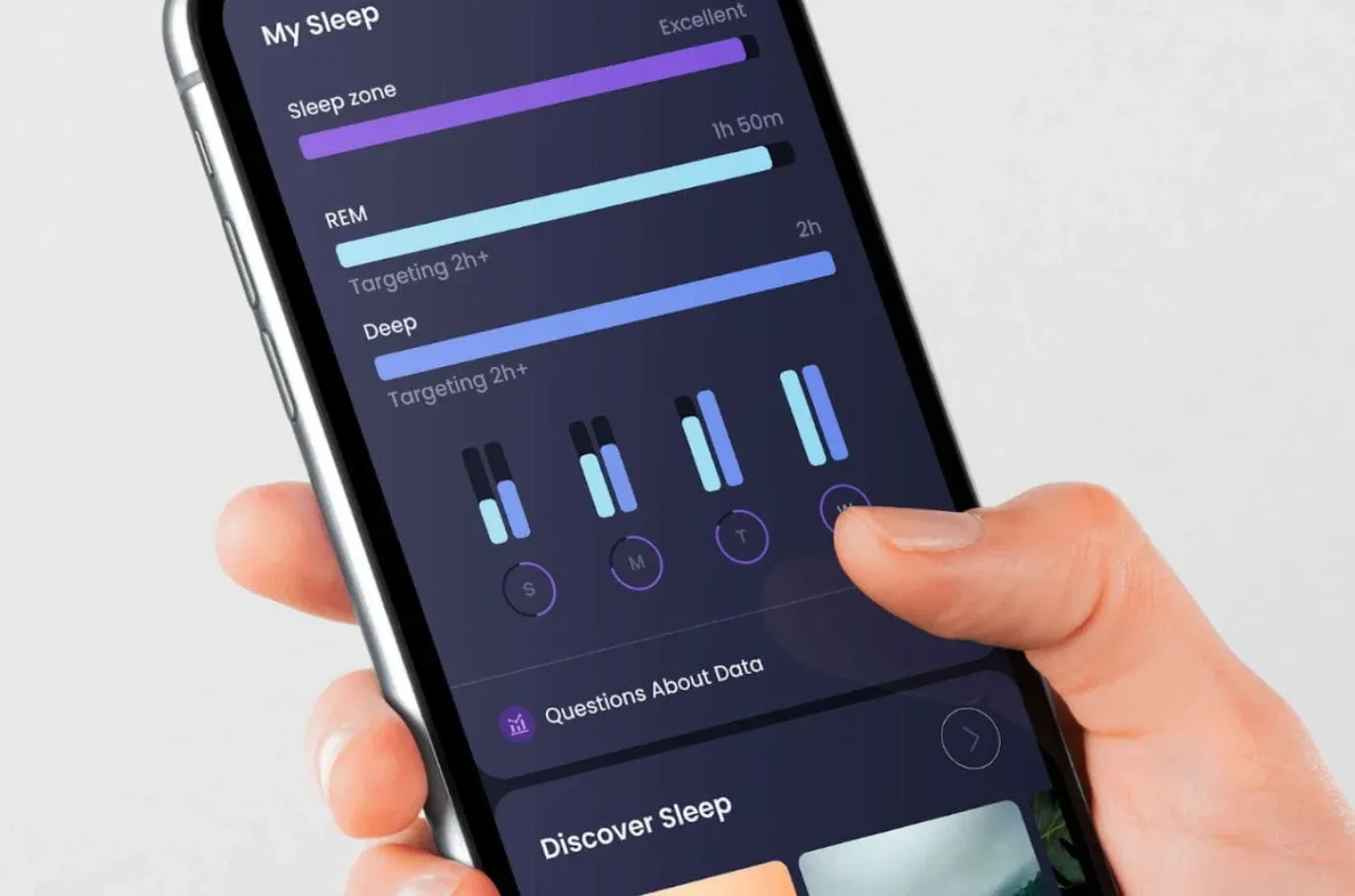
It’s necessary to take some time to familiarize yourself with the data your tracker provides if you want to improve the quality of your sleep. The data usually offers a range of metrics, such as sleep stages, duration, and quality, which can help you better understand your sleep habits.
For instance, sleep stages refer to the different phases of sleep you experience during the night, which can help you identify any disruptions or irregularities in your sleep cycles. Duration, however, refers to the total time you spend sleeping. Knowing how much sleep you’re getting on average can help you identify any patterns or trends affecting your sleep.
Sleepme Blog: Understanding Sleepmaxxing
Lastly, it measures how restful and restorative your sleep is, which can help you determine whether you’re getting enough Deep and REM sleep. By understanding these metrics, you can make more informed decisions about your sleep habits and take steps to improve the quality and duration of your sleep.
Sleep Tip: You may need to look at your data over a period of several days or weeks to understand what’s going on.

Avoid Sleep Anxiety
It is common for people to track their patterns of sleep. However, obsessing over nightly data can lead to sleep anxiety, which ironically can worsen your sleep quality. This can occur because you’re constantly worrying about meeting sleep goals or achieving a certain amount of Deep Sleep, which can create stress and tension, making it harder to relax and fall asleep.
It is important to maintain a balanced perspective on the data and not let it dictate your emotions and behaviors. As mentioned above, being patient and understanding that results can fluctuate from one night to another helps prevent unnecessary stress about sleep.
Instead of focusing solely on the data, paying attention to other factors impacting sleep, such as stress levels, diet, and exercise habits, may be helpful as well. By taking a holistic approach to sleep, you can improve the quality and quantity of your rest while avoiding the adverse effects of sleep anxiety.
Achieving Your Best Self
When it comes to sleep, an excellent first step is acknowledging its wonders. Medical research continues to make amazing discoveries about what really happens to the body and mind as day turns into night. Innovation in sleep tracking devices such as the sleep tracker is but one of the exciting results.
These inventions allow us to unlock our full potential for good health, high performance, and life satisfaction.
The Bottom Line
The benefits of tracking your sleep demonstrate how this simple practice can provide valuable insights into our health and unlock significant improvements in our well-being.
Remember, sleep is not just a passive state; it’s a dynamic process that impacts every aspect of our lives. The benefits of sleep tracking are profound, from improving the quality of our sleep and gaining a clearer understanding of our unique sleep cycles to identifying potential sleep disorders and boosting our overall physical and mental health.
This practice also teaches us the importance of patience and mindfulness in our approach to health. It reminds us that small changes, observed over time, can significantly improve our daily lives.
Now might be the perfect time to start if you’re not already tracking your sleep. It’s not just about catching more Z’s; it’s about empowering yourself with knowledge and taking control of your health and well-being.
Here’s to better sleep, brighter days, and unlocking your full potential!
Common Questions About Sleep Tracking
Is It Worth Tracking Sleep Every Night?
What Are the Top Benefits of Sleep Tracking?
Can a Sleep Tracker Really Help Me Sleep Better?
Disclaimer: This blog is for informational purposes only and is not a substitute for professional medical advice, diagnosis, or treatment. Always talk to your healthcare provider about your symptoms, conditions, or treatment options.